 By

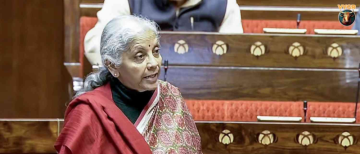
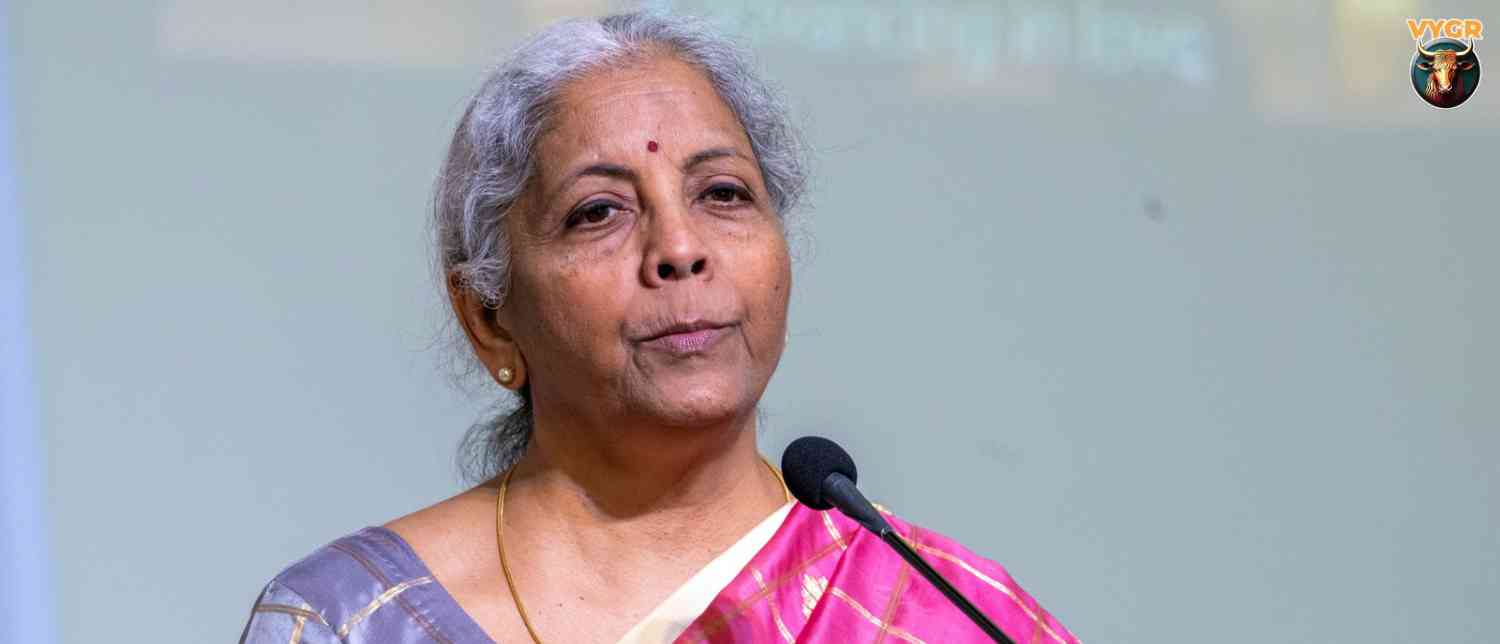
India’s most storied business house is locked in a boardroom battle that has now drawn comment from the highest levels of government. Finance Minister Nirmala Sitharaman on Monday said the dispute between Tata Sons and its largest shareholder, Tata Trusts, is too important to the country’s economy to be left simmering in public view, and urged the two sides to settle it quickly and amicably among themselves.
“This is a very critical component to the Indian economy,” Sitharaman said at an industry event in Mumbai, adding that the parties should talk it out so that things return quickly to normal. She warned that the row cannot keep spilling into the public domain and said that, for the sake of the maturity of the group’s leadership, she would like to see it resolved sooner rather than later.
What Exactly Did the Finance Minister Say?
Her message was clear in one respect and deliberately guarded in another. She called for an amicable settlement that comes from within the group. But when asked whether the government would step in to bring the two sides to the negotiating table, she declined to commit, describing the matter as sensitive and as one that calls for commercial acumen and cordiality among stakeholders.
Sitharaman, who is also India’s corporate affairs minister, placed the dispute within a wider economic frame. At a time when the economy is posting sustained growth of seven per cent or more, she said, the country needs capital and equity, and the government is listening to concerns raised by market participants. Her remarks came amid foreign investor outflows and growing calls for tax relief, issues on which she declined to be specific.
What Is the Tata Row About?
At its heart, the dispute is a struggle over who steers the Tata Group and how. Tata Sons is the closely held holding company that sits at the top of a conglomerate spanning dozens of businesses, from salt to software, and is valued at roughly $185 billion by one estimate. Tata Trusts, the philanthropic bodies led by Noel Tata, own about 66 per cent of Tata Sons and hold substantial voting power on its board.
The fault lines have been visible for months.
- The chairman’s reappointment. Tata Trusts opposed the September reappointment of N Chandrasekaran as chairman of Tata Sons. A board meeting on September 17, held within a week of a letter from the Reserve Bank of India, decided to go ahead with a stock market listing in line with the central bank’s mandate and reappointed Chandrasekaran.
- Listing. Whether Tata Sons should go public is a central question. The RBI recently rejected the company’s application to deregister as a non-banking financial company, a decision that pushes it closer to a listing.
- Air India. Tata Trusts has clashed with Chandrasekaran over the airline’s mounting losses.
- The Shapoorji Pallonji Group’s exit. The Shapoorji Pallonji Group, a minority shareholder, plans to leave. Noel Tata has pressed for discussions on a restructuring proposal and a ₹25,000-crore funding arrangement involving the group, and he has sought records and recordings of the September 17 board meeting in letters, the latest dated October 29.
Attempts at reconciliation so far have not produced a breakthrough.
Why Did It Become a Political Issue?
The row has not stayed out of politics. Days before the Finance Minister’s remarks, Congress leader Rahul Gandhi alleged that the government had allowed the group to be “criminally destroyed.” Sitharaman responded sharply, accusing him of politicising what she called a commercial and legal dispute and of making criminal allegations without justification. Her call for the parties to settle things themselves can be read in part as an effort to keep the government at arm’s length from an episode that the opposition is trying to pull into the political arena.
Is This the First Time the Tatas Have Fought in Public?
It is not. The Tata Group’s most notorious boardroom confrontation came in October 2016, when the Tata Sons board removed Cyrus Mistry as chairman, setting off a years-long legal battle in tribunals and courts. The Shapoorji Pallonji Group, which holds about 18 per cent of Tata Sons, was at the centre of that dispute and has since sought an exit from the holding company. That history is part of why observers view the present row with such concern: it touches on governance, minority rights and the structure of a group that was long regarded as an example of orderly succession.
Why Does It Matter Beyond the Tata Family?
The Tata Group is among the largest employers and taxpayers in India, and its companies are held by millions of investors. A prolonged leadership dispute at the top of such a group raises questions about strategic decisions, investment plans and the confidence of the markets. It also touches on the future of businesses where the group has made large commitments, including aviation.
There is also a larger question about how India’s family-influenced conglomerates handle succession and governance as they grow, and about the role of regulators when a holding company’s structure comes under scrutiny.
What Are the Different Positions?
-
Tata Trusts’ side: Noel Tata has sought documents and discussions on the restructuring and funding questions and has opposed the reappointment, signalling concerns about governance and strategy.
- Tata Sons’ board: It has gone ahead with the listing process and reappointed Chandrasekaran, citing the RBI’s directive.
- The minority shareholder: The Shapoorji Pallonji Group wants an exit and has publicly argued that the holding company’s listing is necessary.
- The government: It wants a quick, private settlement but has not offered to mediate.
Each of these positions is the party’s own account, and none has been tested in court as part of the present dispute.
What Happens Next?
The immediate question is whether the two sides can sit down together and find common ground on leadership and the listing roadmap. Further exchanges of letters, board meetings and regulatory steps on listing are likely, and any formal escalation, such as legal proceedings, would raise the temperature. Whether the government eventually plays a facilitating role behind the scenes remains an open question, since the Finance Minister has not ruled it in or out.
© Copyright 2026. All Rights Reserved. Powered by Vygr Media.