 By

India’s whisky market is entering a defining phase, with consumers increasingly looking beyond conventional choices towards premium Scotch whisky, single malts and international spirits brands. The changing landscape, supported by the India-UK free trade agreement (FTA), is creating fresh opportunities for global liquor companies while raising important questions about pricing, domestic competition and the future of India’s spirits industry.
Already the world’s largest market for Scotch whisky by volume, India is emerging as a major growth destination for premium international spirits. The next milestone could be surpassing the United States in Scotch whisky export value, a shift that would underscore the country’s growing purchasing power and its expanding appetite for higher-priced alcoholic beverages.
However, the transition will depend on more than lower import duties. State-level taxation, distribution expenses, retail margins and changing consumer preferences will determine how quickly the benefits of the trade agreement translate into stronger sales and more accessible prices.

India’s Scotch Whisky Market Gains Global Momentum
India’s position in the global whisky industry is becoming increasingly significant. In 2025, Scotch whisky exports to India were valued at approximately £286 million, equivalent to around ₹3,614 crore. This made India the largest export market by volume, although it ranked behind the United States and France in export value.
The scale of consumption highlights the country's importance to Scottish whisky producers. India received approximately 220 million bottles of Scotch whisky in 2025, while exports to the country continued to expand despite substantial import duties.
The broader Indian whisky market is also growing. Total whisky consumption reached 268.8 million nine-litre cases in 2025, representing annual growth of 3.7%. Scotch whisky consumption grew faster, increasing by 5.3% to nine million cases.
The difference between these growth rates is particularly important. It suggests that Scotch is gaining ground within an already enormous whisky market, creating opportunities for international brands to capture a greater share of consumer spending.
Industry projections indicate that Scotch whisky consumption in India could grow at a compound annual growth rate of 5.4% between 2025 and 2030, compared with 3.6% for the overall whisky category.
If this trend continues, India could strengthen its position as one of the most influential destinations for imported Scotch whisky, particularly as premium spirits become more popular among urban professionals, affluent households and younger adult consumers.
India-UK Free Trade Agreement Could Transform Whisky Prices
One of the biggest developments supporting the Indian premium whisky market is the India-UK free trade agreement, which came into effect on July 15, 2026.
Under the agreement, customs duties on Scotch whisky imported from the UK have been reduced from 150% to 75%. The tariff is scheduled to decline further to 40% over the next decade.
This reduction represents a substantial change for an industry in which import duties have historically contributed to high retail prices. By lowering the customs burden, the agreement could improve the competitiveness of imported Scotch whisky and encourage more consumers to explore premium labels.
For international spirits producers, the agreement offers an opportunity to expand their customer base in one of the world's largest alcoholic beverage markets. For Indian consumers, it could gradually narrow the price gap between imported Scotch and comparable products available in overseas destinations.
Nevertheless, a reduction in customs duty does not automatically translate into an equivalent reduction in the final retail price.
Alcohol taxation in India is heavily influenced by state governments, with excise duties, distribution costs, pricing approvals and retailer margins varying across markets. Companies must therefore decide how much of the tariff savings they can pass on to consumers while maintaining profitability.
Industry expectations suggest that retail prices of imported Scotch whisky could decline by around 7–10% as the initial duty reductions work their way through the supply chain. The actual reduction, however, will depend on the product, state regulations and pricing decisions made by individual companies.
The implications extend beyond affordability. More competitive prices could encourage consumers to trade up from standard whisky brands to premium blended Scotch, single malts and other higher-value spirits.
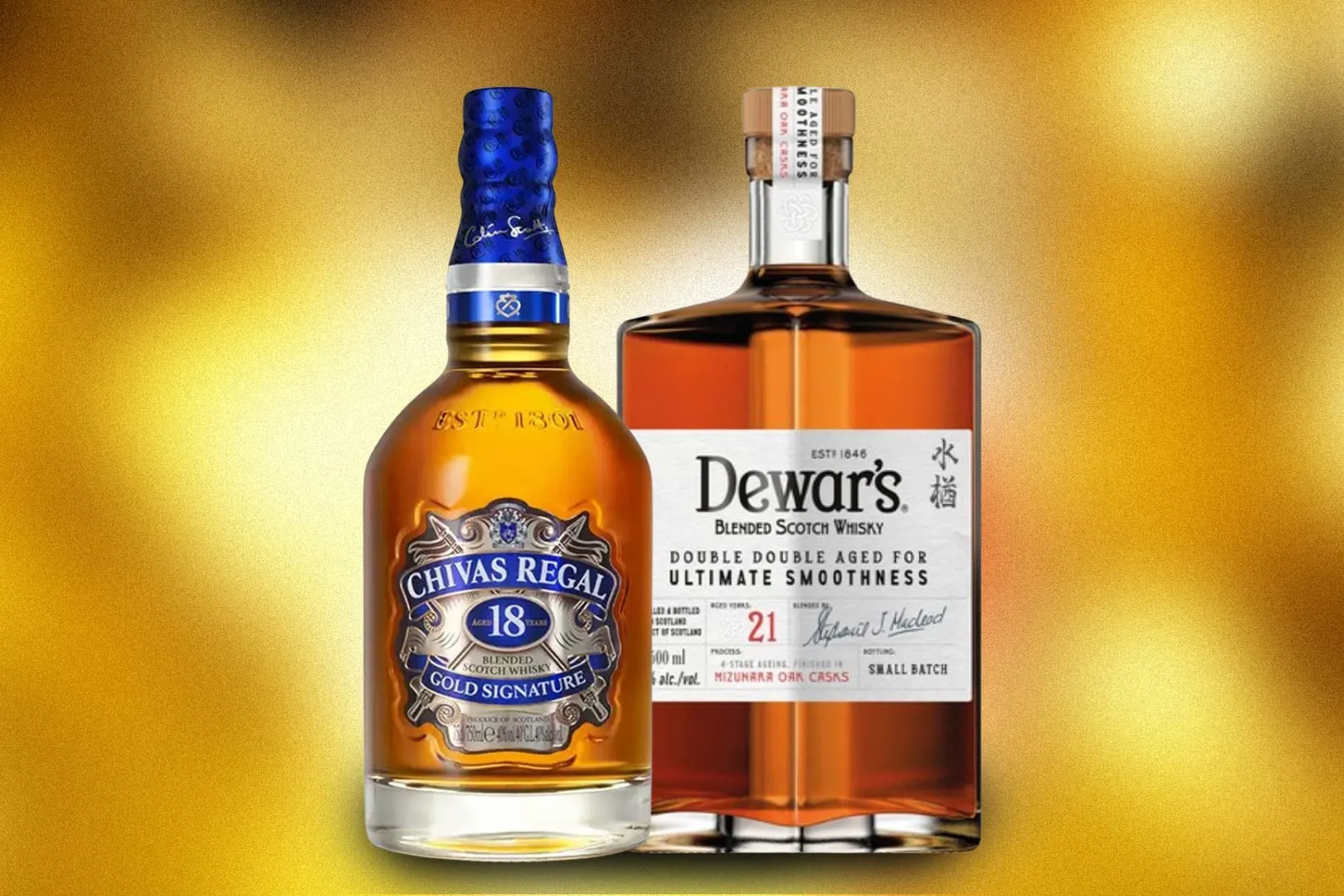
Premiumisation: Why Indian Whisky Drinkers Are Trading Up
The growing popularity of premium whisky reflects a broader change in India's consumption patterns. As disposable incomes rise and consumers become more familiar with international brands, purchasing decisions are increasingly influenced by product quality, brand heritage, distinctive flavours and the overall drinking experience.
Premiumisation—the shift towards more expensive, higher-value products—is becoming a defining trend across India's alcoholic beverages industry. Rather than competing solely on volume, liquor companies are increasingly targeting consumers willing to pay more for premium blends, aged Scotch and single malt whisky.
This trend is particularly visible among affluent urban consumers, professionals and buyers who associate premium spirits with personal milestones, social occasions and gifting. However, the opportunity is no longer confined to India's largest metropolitan markets.
Demand for imported whisky and luxury spirits is gradually spreading into smaller cities and additional state markets, helped by improvements in retail infrastructure and the availability of international brands.
The festive season and wedding market also offer significant opportunities. October, November and December are traditionally important months for liquor sales, with celebrations and gifting supporting demand for premium products.
For international manufacturers, these developments make India an increasingly attractive market for long-term investment. William Grant & Sons, the company behind Glenfiddich, The Balvenie and Monkey Shoulder, expects India to become one of its five largest global markets over the next five to ten years.
India is currently among the company's top ten markets. Its anticipated rise reflects confidence in the country's economic prospects, growing consumer affluence and increasing acceptance of international spirits.
Global Whisky Brands See India as a Long-Term Growth Engine
India's expanding premium whisky market is attracting greater attention from international spirits companies looking to diversify their growth beyond established markets.
The country's strong preference for whisky gives Scotch producers a natural advantage, but competition is intensifying as consumers explore more varieties and brands.
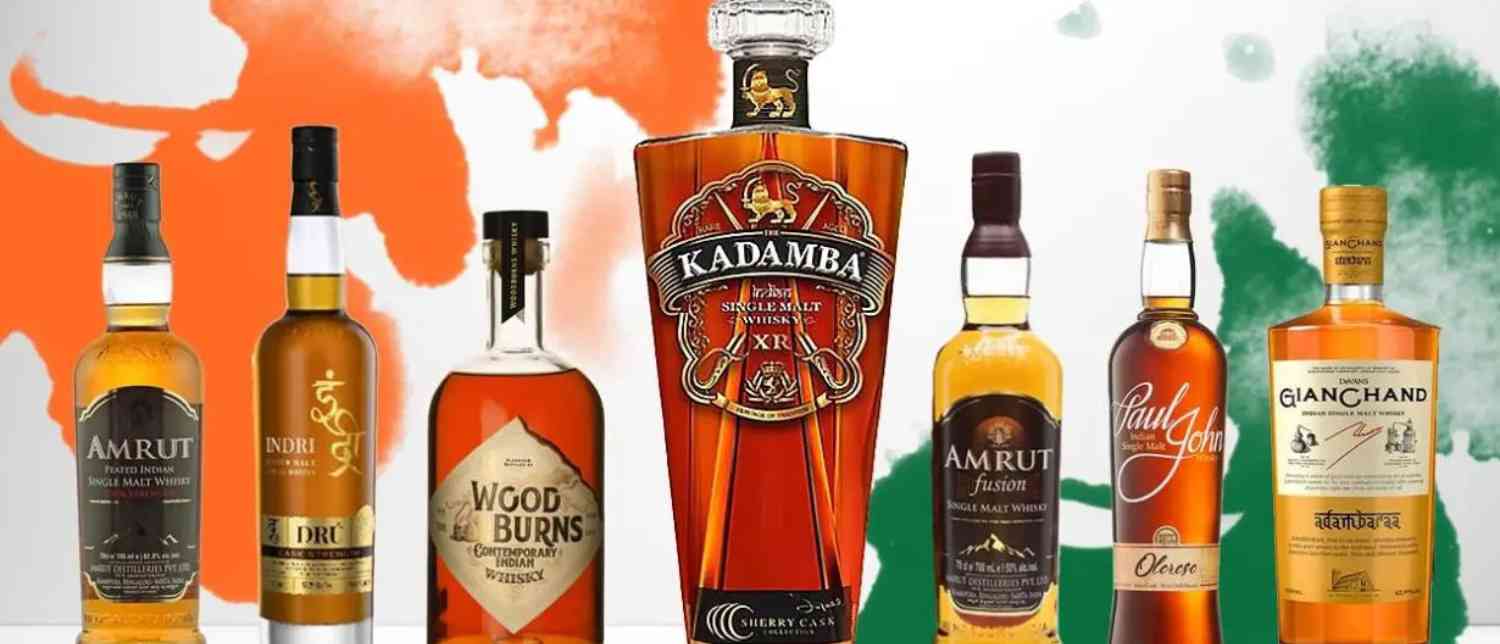
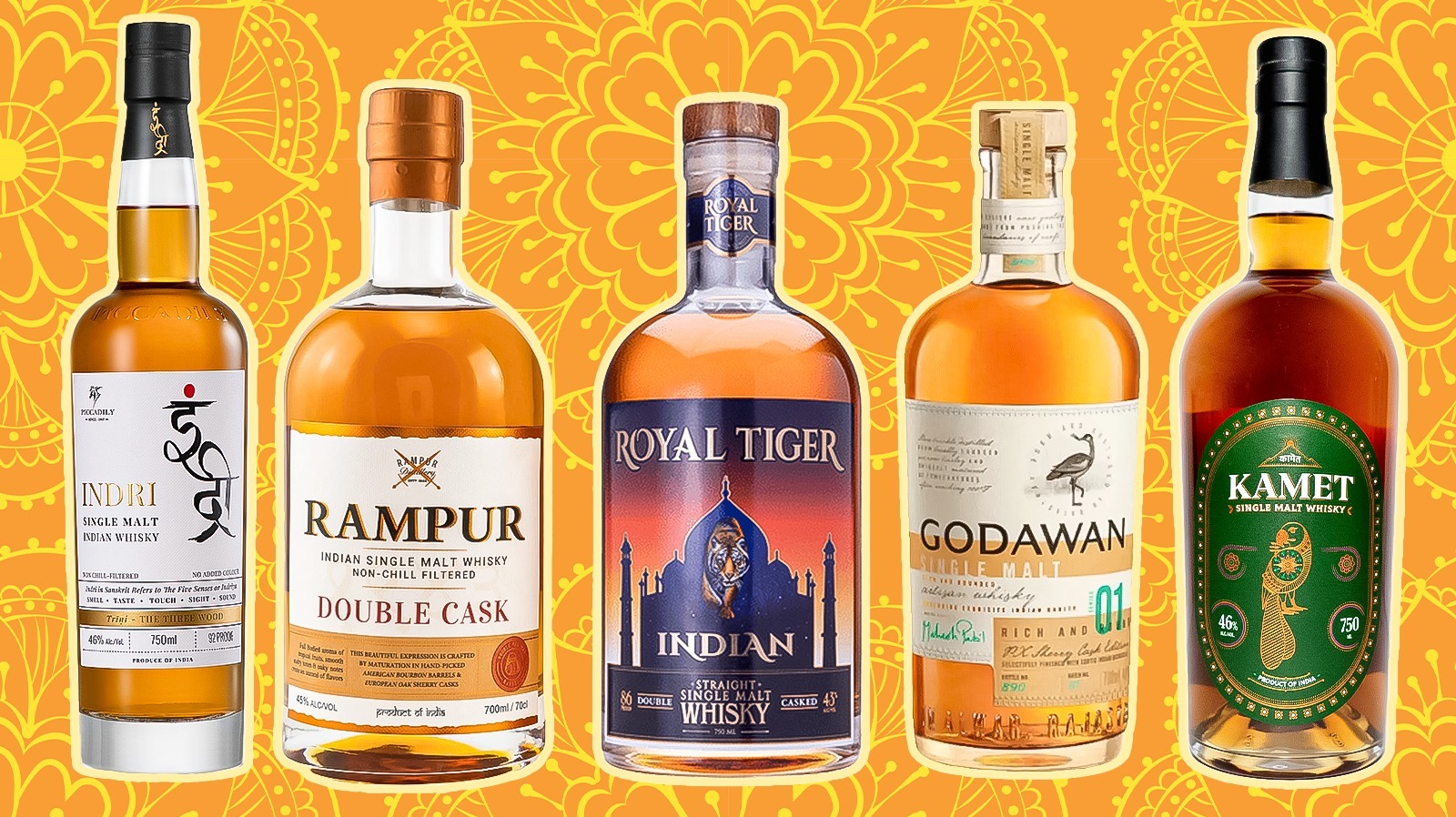
Single malt Scotch whisky remains an important growth opportunity. At the same time, American bourbon, Japanese whisky and Indian single malts are gaining visibility, providing consumers with a broader selection of premium products.
This diversification is reshaping the competitive landscape. International brands must increasingly distinguish themselves through product positioning, flavour profiles, heritage, innovation and customer experience rather than relying exclusively on their foreign origins.
Companies are also expanding their presence in premium blended Scotch whisky and other spirits categories. The objective is to serve consumers at different price points while encouraging existing customers to explore more sophisticated offerings.
The potential rewards are substantial. As Indian consumers move towards higher-value products, premium brands can increase their contribution to overall industry revenue even if the growth in consumption volumes remains comparatively moderate.
For India, the implications could extend beyond retail sales. Increased demand for imported spirits may encourage investment in local bottling, warehousing, distribution networks and other supply-chain infrastructure.
Local Bottling and Investment Could Receive a Boost
Lower import duties could create opportunities for businesses to strengthen their operations within India.
A substantial proportion of Scotch whisky exports to India arrives in bulk rather than as fully bottled products. Some of this whisky is bottled domestically, while some is used in Indian-made foreign liquor, a category that includes products manufactured in India using international spirits or blends.
As trade expands, companies may find it more attractive to invest in local bottling facilities, logistics, storage and distribution. Such investments could help improve supply-chain efficiency while supporting the wider alcoholic beverages ecosystem.
The potential benefits will depend on how the India-UK FTA develops in practice. Companies will need to assess demand, state-level regulations, operating costs and the commercial viability of additional infrastructure before committing substantial capital.
The agreement could therefore influence not only the price of imported Scotch whisky but also the way international producers organise their businesses in India.
For consumers, stronger distribution networks could potentially improve product availability across more markets. For businesses, local investment could create a more efficient route to serving India's increasingly diverse premium spirits customer base.
Indian Liquor Makers Raise Concerns Over Fair Competition
Despite the opportunities, the changing market presents challenges for domestic whisky manufacturers.
As import duties decline, Scotch whisky could become more competitive against Indian-made products in certain price segments. Domestic producers are consequently seeking a fair and predictable taxation framework that allows Indian brands to compete effectively.
The concern is not simply about imported products becoming cheaper. Indian liquor manufacturers also operate within a complex regulatory environment in which state excise policies, distribution systems and retail pricing rules can significantly influence commercial outcomes.
The impact of lower customs duties will vary across products and states, making the competitive effects difficult to predict uniformly.
Domestic producers may need to respond through product innovation, stronger brand positioning, improved quality and greater investment in premium offerings. India's growing interest in homegrown single malts also demonstrates that local manufacturers have opportunities to benefit from premiumisation rather than merely lose market share to international competitors.
Ultimately, a stronger premium whisky market could create opportunities for both domestic and overseas businesses, provided competition remains fair and regulatory differences do not create disproportionate disadvantages.
Will India Become the World's Largest Scotch Whisky Market by Value?
India's prospects are promising, but overtaking the United States by value is not guaranteed.
In 2025, Scotch whisky exports to the US were worth approximately £933 million, compared with £404 million for France and £286 million for India. Global Scotch whisky exports totalled around £5.3 billion.
The gap between India and the US therefore remains considerable, even though India leads by volume.
The distinction matters because a market's value depends not only on how much whisky consumers purchase but also on the prices and categories they choose. If Indian consumers increasingly favour premium single malts and higher-priced Scotch brands, the country's export value could rise faster than its consumption volume.
Lower tariffs could accelerate this shift, particularly if companies pass on part of their savings through more competitive retail pricing. Rising incomes, expanding distribution and greater familiarity with international spirits could provide additional support.
However, the eventual outcome will depend on consumer demand, the pace of premiumisation, pricing decisions, taxation policies and developments in competing markets.
India's rise as a global Scotch whisky powerhouse should therefore be understood as a longer-term opportunity rather than an immediate certainty.
What Lies Ahead for India's Premium Whisky Market?
The convergence of lower import duties, rising affluence and evolving consumer preferences is creating a significant turning point for India's whisky industry.
The India-UK free trade agreement has reduced a major barrier facing imported Scotch whisky, while projections for stronger category growth have reinforced expectations of rising demand. International manufacturers are responding by strengthening their portfolios and evaluating India as a more important contributor to global business.
At the same time, domestic producers, regulators and retailers will influence how this transformation unfolds. Lower customs duties alone cannot guarantee substantial price reductions, and the benefits will depend on how companies respond to the changing market.
If premiumisation continues and imported Scotch becomes more accessible, India could narrow the gap with the United States in export value while strengthening its position as a destination for premium spirits.
The larger story is about more than whisky sales. It reflects the changing aspirations of Indian consumers, the growing importance of high-value products and India's emergence as a strategic market for global beverage companies.
Whether India ultimately becomes the world's largest Scotch whisky market by value will depend on how effectively these forces translate into sustained demand. For now, the direction is clear: India's premium whisky market is attracting global attention, and the next phase of growth could reshape the industry's competitive landscape.
© Copyright 2026. All Rights Reserved. Powered by Vygr Media.