

 By
By 
Oracle layoffs 2026: Oracle is expanding its restructuring programme by another $700 million, taking the estimated cost of its job-cut plan to about $2.8 billion. The move comes at a striking moment for the technology giant: while it is cutting thousands of jobs to control costs, it is simultaneously pouring billions of dollars into artificial intelligence infrastructure and data centres to meet soaring demand for computing power.
The latest development highlights a contradiction at the heart of the current technology industry. Companies are reducing their workforces even as they dramatically increase spending on AI. For Oracle, however, the equation is particularly intense because its AI ambitions require enormous investments in physical infrastructure, computing capacity and data centres.
According to Oracle's latest regulatory disclosure, the company had estimated restructuring costs of about $2.1 billion as of August 31. It subsequently added approximately $700 million to account for additional actions it expects to take, bringing the potential total to around $2.8 billion. Much of that expense is expected to come from severance payments linked to employee exits.
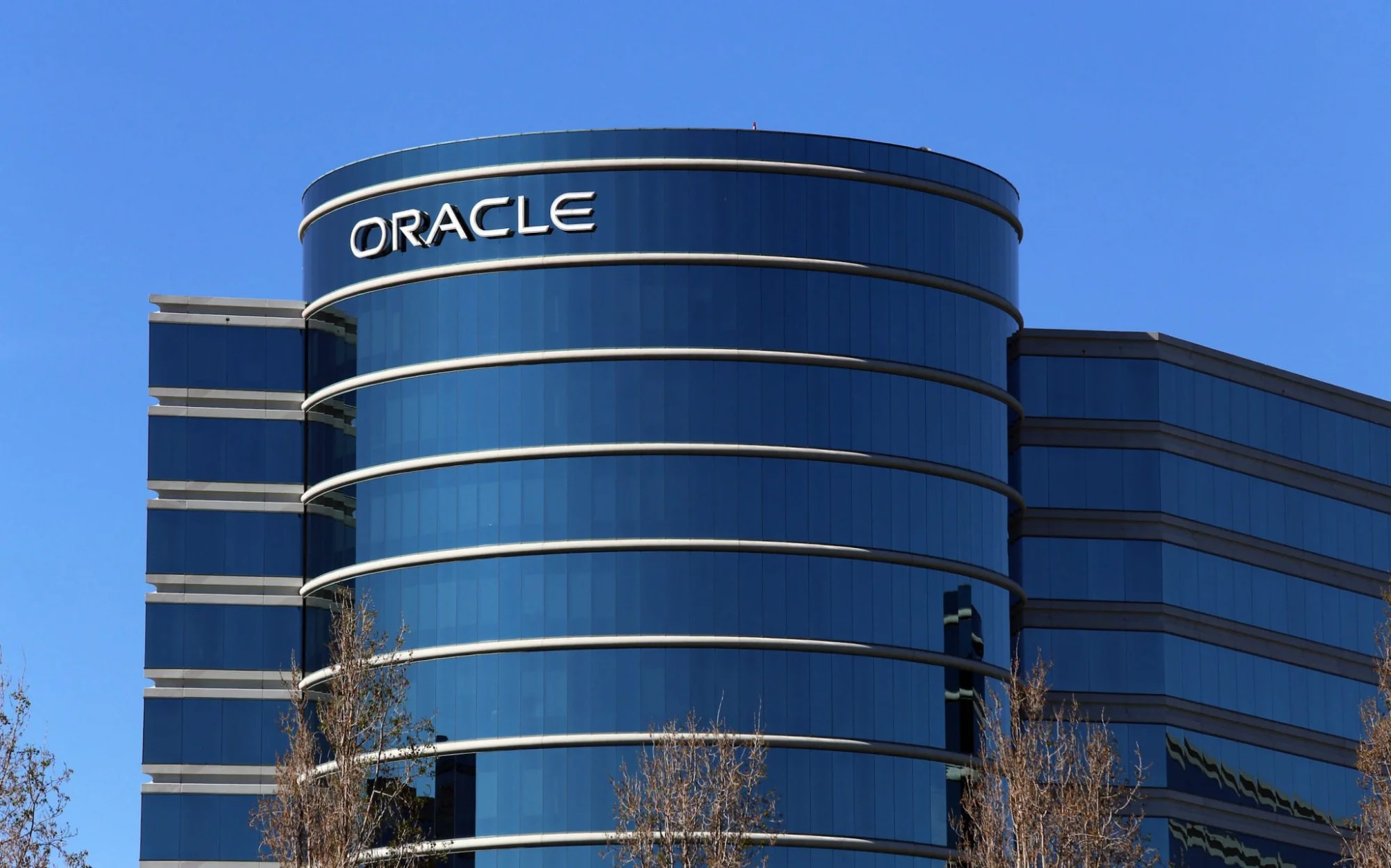
Oracle layoffs expand as AI infrastructure costs rise
Oracle's workforce reduction is not happening in isolation. The company has already eliminated about 21,000 positions over the past year, leaving its workforce at roughly 141,000 employees at the end of May. Around 49,000 employees were based in the United States, while approximately 92,000 worked internationally.
The scale of the reduction makes Oracle one of the biggest sources of technology job losses in 2026. Industry layoff data puts the number of Oracle employees affected at about 21,000, or roughly 13 per cent of its workforce.
Yet the company is not cutting jobs because it is abandoning growth. Quite the opposite.
Oracle is attempting to position itself as a major infrastructure provider for the AI economy. The company is building and expanding data-centre capacity to serve customers requiring huge amounts of computing power for AI models and cloud services. That strategy requires massive capital expenditure at a time when financing, construction and computing costs remain significant.
This creates a difficult balancing act. Oracle needs to spend heavily to capture the AI opportunity, but it also needs to protect cash flow and margins while those investments are being made.
Reducing payroll is one of the fastest ways for a large technology company to lower recurring operating expenses. Oracle's finance leadership has described its restructuring efforts in terms of simplification and efficiency, with the aim of controlling costs and protecting margins.
Why would Oracle spend $2.8 billion to cut jobs?
At first glance, Oracle's decision appears counterintuitive. If the company wants to save money, why spend billions on layoffs?
The answer lies in the difference between a one-time restructuring expense and long-term operating costs.
Severance packages, employee benefits and other restructuring expenses can be substantial in the short term. But once those costs are absorbed, the company no longer has to pay the salaries and associated expenses of the employees whose positions have been eliminated.
In other words, Oracle is effectively accepting a large upfront bill in exchange for potentially lower expenses over the years ahead.
The strategy also allows the company to redirect a greater share of its resources towards areas it considers strategically important, particularly AI infrastructure and cloud computing.
Analysts have estimated that the workforce reduction could eventually produce substantial annual savings, although those savings are estimates rather than figures officially provided by Oracle.
The timing is significant. Oracle's AI expansion has increased its need for financing, with the company pursuing a combination of debt and equity funding to finance its infrastructure ambitions.
The company has also outlined plans to raise tens of billions of dollars to support expansion. Its aggressive investment strategy reflects the enormous capital requirements of competing for AI workloads from some of the world's biggest technology companies.
AI boom creates a new kind of tech layoff cycle
Oracle's situation also illustrates how different the current technology layoff cycle is from the wave of job cuts that followed the pandemic hiring boom.
After technology companies dramatically expanded their workforces during 2020 and 2021, many began cutting jobs as growth slowed and interest rates increased. In 2026, however, another force has become increasingly important: the redistribution of spending towards AI.
Companies are not necessarily spending less on technology. They are changing what they spend on.
Money that once went towards expanding traditional software teams, administrative functions or layers of management can increasingly be redirected towards GPUs, data centres, cloud infrastructure, AI engineering and specialised computing.
That means a company can simultaneously announce large investments and large layoffs without necessarily seeing the two as contradictory.
Industry experts say AI is responsible for only part of the current reduction in technology employment. Post-pandemic over-hiring, organisational restructuring, cost pressures and efforts to eliminate layers of management are also contributing to the cuts.
Routine development, first-line support, basic analysis and coordination roles are considered particularly vulnerable, while specialised engineering, infrastructure, cybersecurity and product roles are more likely to be redesigned than simply eliminated.
Oracle is not alone
The Oracle layoffs are part of a much broader technology-sector reset.
More than 128,000 technology employees had been laid off globally across nearly 300 companies by September 10, according to industry layoff tracking data. That figure had already exceeded the total number of technology layoffs recorded during the whole of 2025.
The latest wave has included some of the world's largest technology companies.
Amazon has recorded more than 17,000 job cuts during 2026, while Dell has announced around 11,000 reductions. Meta has also carried out multiple rounds of layoffs, and thousands of positions have been eliminated at other major technology companies.
September has brought another burst of workforce reductions. More than 6,300 technology jobs were eliminated during the first 10 days of the month, with companies including Uber, PayPal, Apple and others announcing restructuring measures.
Uber, for example, plans to eliminate around 3,300 corporate positions, representing roughly 10 per cent of its workforce. Its restructuring is focused on reducing management layers and simplifying its organisation as the company invests in areas including autonomous driving.
PayPal has also reduced its workforce, including approximately 220 jobs in India, as part of a broader transformation programme.
The reasons vary from company to company. Not every technology layoff can be attributed directly to AI. But the direction of investment is unmistakable: companies are attempting to build leaner organisations while increasing spending on technologies expected to drive future growth.
What Oracle's layoffs mean for employees and India's tech sector
The impact of this shift could extend well beyond Oracle.
India has become a major base for global technology companies, making changes in workforce strategy in the United States and other major markets relevant to Indian technology professionals as well.
A move away from large numbers of junior employees towards smaller, highly specialised teams could affect traditional hiring models. Campus recruitment and entry-level hiring may face greater pressure if companies can use AI tools to increase the productivity of existing employees.
At the same time, demand could increase for workers with specialised skills in AI, cloud infrastructure, cybersecurity, advanced software engineering and data.
That creates a more complicated employment picture. AI may not simply eliminate jobs; it can also change which jobs companies consider valuable.
Industry observers expect some positions to eventually return when aggressive workforce reductions begin affecting product quality, operational risk or customer delivery. But the old technology workforce model, characterised by large junior teams supporting progressively smaller groups of senior employees, may not fully return.
The bigger question: Is Oracle's AI bet worth the cost?
Oracle's aggressive restructuring ultimately raises a larger question about the economics of the AI boom.
The company is betting that demand for AI computing will remain strong enough to justify enormous infrastructure investments. Major customers are seeking vast amounts of computing capacity, and Oracle is attempting to become one of the companies that supplies it.
But building data centres requires enormous amounts of capital before the resulting revenue fully materialises. That creates pressure on cash flow, particularly when expansion is funded partly through borrowing and other financing measures.
Oracle's financial strategy therefore carries both an opportunity and a risk.
If AI demand continues to surge, the infrastructure being built today could become a valuable long-term asset. If demand growth slows, the company could be left carrying substantial infrastructure and financing costs.
The company's decision to increase its restructuring budget by another $700 million suggests that management is taking the cost side of that equation seriously.
There is another closely watched financial development as well. Chairman Larry Ellison, who owns roughly 40 per cent of Oracle, adopted a trading plan allowing him to sell as many as 50 million shares by October 24. Depending on Oracle's share price, those shares could be worth several billion dollars.
A turning point for the technology job market
Oracle's layoffs may ultimately be remembered as more than another large-scale workforce reduction.
They represent a fundamental change in how technology companies are allocating resources.
The industry's message is increasingly clear: AI spending is not necessarily replacing technology investment; it is reshaping it. Companies are willing to spend extraordinary amounts on computing infrastructure while simultaneously demanding greater efficiency from their human workforce.
For employees, that means the technology job market could become more selective, particularly at the entry level. For companies, it means balancing productivity gains against the risks of cutting too deeply.
And for Oracle, the stakes are especially high.
The company is spending billions to make itself indispensable to the AI economy while cutting billions in costs to make that expansion financially sustainable. Whether that strategy succeeds will depend on one crucial factor: whether the demand for AI infrastructure grows quickly enough to justify the enormous price of building it.
For now, Oracle's $2.8 billion restructuring plan is a stark reminder that the AI revolution is not simply creating new technologies. It is also rewriting the economics of the companies and careers built around them.
With input from agencies
Image Source: Multiple agencies
© Copyright 2026. All Rights Reserved. Powered by Vygr Media.