 By

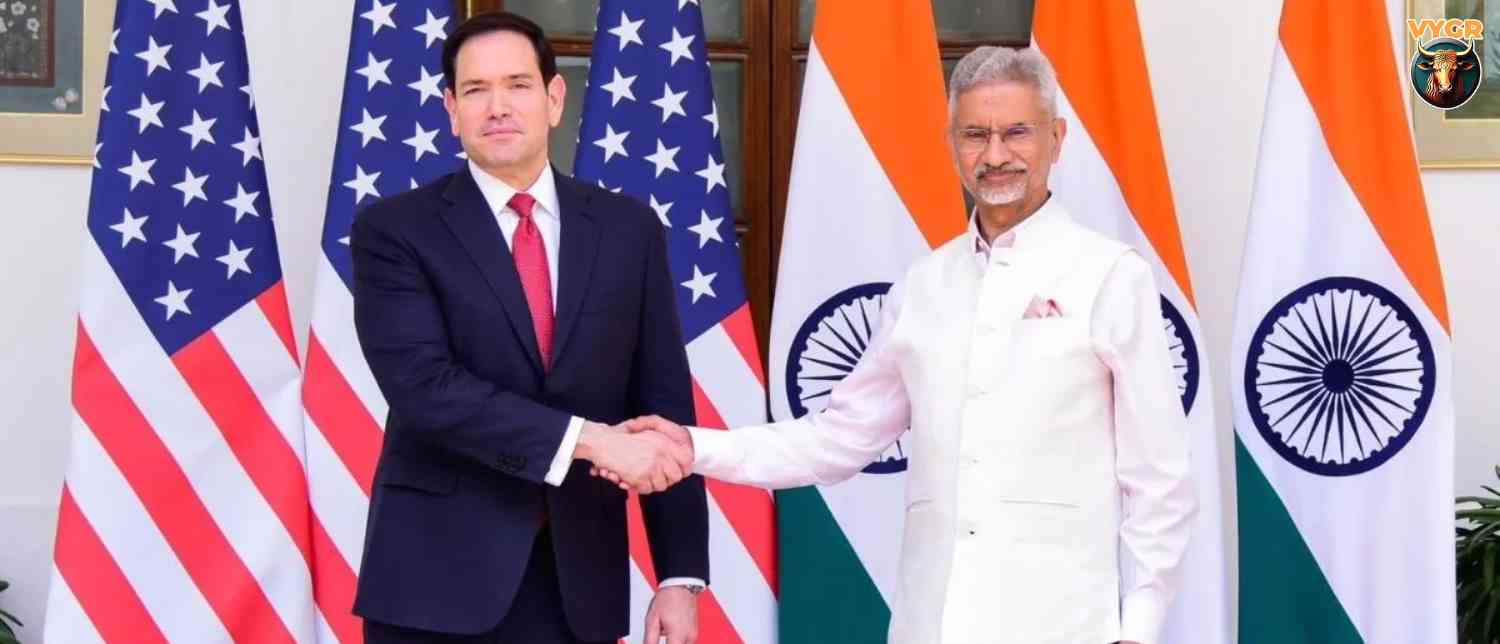
The US Secretary of State is about to land in India, and he has already given a hint of what he will be talking about. Speaking ahead of the visit, Marco Rubio said Washington is “very close” to finalising a trade deal with India, a line that will frame his meeting with External Affairs Minister S Jaishankar in Mumbai on Tuesday.
What Rubio said
Speaking to reporters in Samarkand, Uzbekistan, on Monday, Rubio said: “We’re trying to finalise a trade deal with India right now. We’re very close to doing that.” He tied the trade talks to the question of energy, explaining that the US has had to waive sanctions over the past few months because of the impact on global supplies and prices. He added that for some countries, getting energy from alternative sources is very difficult, and said that while this is not an excuse, it has to be balanced when making foreign policy. He described India as an important ally whose energy needs must be considered before tariffs or sanctions are put in place.
The trip
Rubio will meet Jaishankar in Mumbai on 20 October. According to the Ministry of External Affairs spokesperson, Randhir Jaiswal, the talks are expected to cover energy, trade and investment, defence, and critical and emerging technologies. Rubio will later travel to Jamnagar, home to one of the world’s largest refineries, run by Reliance, according to reports. The meeting is also described as a review of the India-US Comprehensive Global Strategic Partnership.
Where the trade talks stand
On the Indian side, Commerce Minister Piyush Goyal has said that the first phase of the pact has been finalised and is going through legal drafting, and that the government hopes to complete the process soon. Jaishankar has said the talks are nearing a “landing point”. Earlier this month, though, US Trade Representative Jamieson Greer said a deal was not imminent, so Rubio’s more upbeat language is a notable step.
At its core, the negotiation is an exchange: lower and predictable US tariffs on Indian goods in return for wider access for American products in India. One report names dairy access as the biggest remaining obstacle.
The energy link
The most interesting part of Rubio’s remarks is how he connected trade to energy. His comments came days after President Trump waived sanctions and tariffs on Russia under the Graham Act, including proposed tariffs on countries that import Russian oil. India, which buys a large share of its oil from Russia, would have been exposed to those tariffs. Rubio said the president would take up to 60 days to assess the economic impact of the waivers, so the relief is not permanent. For India, that makes the trade deal and the energy question two halves of the same conversation.
A diplomatic wrinkle
One report says the choice of Mumbai instead of New Delhi for the meeting, and US Ambassador Sergio Gor’s remark that Washington “expected” Jaishankar in Mumbai, have drawn criticism from the opposition. Other reports describe the visit as a routine diplomatic engagement. We have only seen the criticism in a single source and are treating it as unconfirmed.
What we don’t know yet
The reports do not say which tariff rates will apply under the deal, whether the earlier steep US tariffs on Indian goods will be rolled back, or when the pact will be signed. “Very close” is a political phrase, and similar optimism has been voiced before without a signing.
What happens next
Watch for the outcome of the Mumbai meeting, a joint statement if there is one, and any announcement on the deal’s timing and contents.
© Copyright 2026. All Rights Reserved. Powered by Vygr Media.