 By
By 
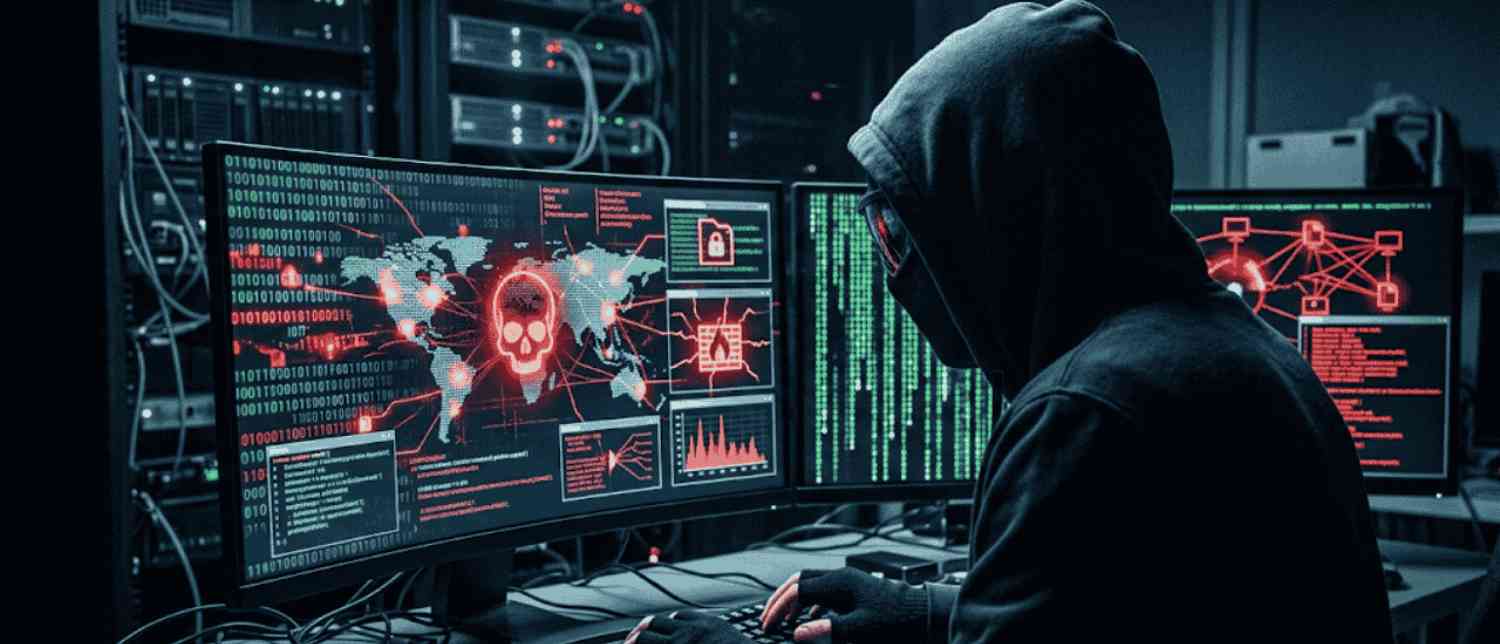
Japan cybersecurity emergency: A surge in ransomware attacks and data breaches has exposed millions of people's personal information, disrupted businesses and intensified concerns about the growing role of artificial intelligence in cybercrime.
Japan is facing an escalating cybersecurity crisis after a series of cyberattacks targeted major companies, compromised customer information and disrupted digital infrastructure. From railway operators and financial institutions to convenience-store chains and car-sharing services, organisations across the country have been forced to confront the risks of increasingly sophisticated cyber threats.
The growing scale of these incidents has prompted Japanese authorities to urge government ministries, local administrations, private companies and individuals to strengthen their cybersecurity measures. The warning comes as experts raise concerns that artificial intelligence (AI) could make cyberattacks faster, cheaper and easier to carry out, potentially allowing criminals to target more organisations in less time.
The situation has also raised questions about the security of Japan's expanding digital infrastructure, particularly when numerous businesses depend on the same cloud service providers.

Japan Raises the Alarm as Cyberattacks Surge
Japan's cybersecurity concerns intensified in October 2026, following a series of data breaches and ransomware incidents affecting prominent businesses.
On October 9, the country's cybersecurity policy leadership described cyberspace as being in an emergency, highlighting the seriousness of the situation. The warning coincided with calls for stronger cooperation between the government and private sector to improve the country's cyber defences.
However, the description of cyberspace as being in an emergency should not be confused with a formally declared legal state of emergency. The immediate response has centred on heightened vigilance, stronger security practices and coordinated action against cyber threats.
The figures underline the growing challenge. Japan recorded 86 publicly disclosed cybersecurity incidents in September 2026, an increase of approximately 18% from August and 37% from July, according to figures cited in recent reporting.
A separate assessment by a Japanese newspaper and cybersecurity researchers found that the country had already recorded more than 500 cyberattack cases during 2026. Japan reported 473 incidents in 2023 and 503 in 2024, while the latest figures suggest that the current year could surpass previous totals.
The increase points to a threat that is becoming both more frequent and more difficult to manage. Cyberattacks are no longer confined to a handful of technology companies; they can affect everyday services that millions of people rely on.
Millions of Customer Records Caught in Data Breaches
One of the most alarming incidents involved Times Car, a car-sharing service operated by Park24 Group. The company disclosed unauthorised access to its systems in September, raising concerns about the exposure of information associated with approximately 6.6 million customer accounts.
The potentially compromised information included names, addresses, dates of birth, telephone numbers, email addresses and images of driving licences or other identity-verification documents.
The exposure of identity documents is particularly concerning because such information can remain useful to criminals long after a company has secured its systems. Unlike a password, a driving licence number or date of birth cannot simply be changed with a few clicks.
Stolen personal information can be used in identity theft, impersonation, targeted phishing campaigns and financial scams. Criminals may combine several pieces of information to create convincing messages that appear to come from banks, service providers or government agencies.
The financial sector has also faced concerns following the exposure of identity documents. Japan's Financial Services Agency issued guidance urging financial institutions to reconsider relying on driving licences as the sole means of identity verification and to use more secure alternatives where appropriate.
Other major companies, including convenience-store chain Lawson, securities firm Daiwa Securities and second-hand retailer BookOff, have also reported data leaks or security incidents.
These cases demonstrate that cybersecurity risks extend across industries and that a breach can create consequences far beyond the organisation initially targeted.
Cloud Provider Ransomware Attack Affects Hundreds of Organisations
A particularly significant incident involved IDC Frontier, a Japanese cloud and digital infrastructure provider owned by SoftBank Group.
The company disclosed a ransomware attack affecting its cloud infrastructure in October. The disruption reportedly affected 495 customer organisations, including businesses and local governments that relied on its services.
The incident illustrates a major vulnerability in modern digital infrastructure: the concentration of multiple organisations' systems and data within a shared service provider.
Cloud computing allows companies to reduce costs, expand capacity and operate digital services without maintaining every component of their own infrastructure. However, when a cloud provider experiences a serious security incident, the consequences can spread to numerous customers simultaneously.
The attack also affected organisations in Japan's transport sector. Railway operator JR East and its credit-card subsidiary, View Card, reported potential exposure involving millions of records associated with email-delivery services operating on the affected infrastructure. JR Kyushu also reported a separate potential exposure of email records linked to the incident.
The precise number of affected records and the ultimate consequences vary across reported incidents, and investigations are necessary to establish the full extent of any unauthorised access.
Nevertheless, the incident highlights the importance of assessing third-party cybersecurity risks rather than focusing exclusively on an organisation's internal systems.
It also raises difficult questions about backup arrangements and disaster recovery. If a ransomware attack makes data unavailable, an organisation's ability to resume operations may depend on whether it maintains secure, independent backups and has tested its recovery procedures.
A company can invest heavily in its own security yet remain exposed if a critical supplier has inadequate safeguards.
How Artificial Intelligence Is Changing Cybercrime
Artificial intelligence has become a central part of the debate surrounding the latest cybersecurity incidents in Japan.
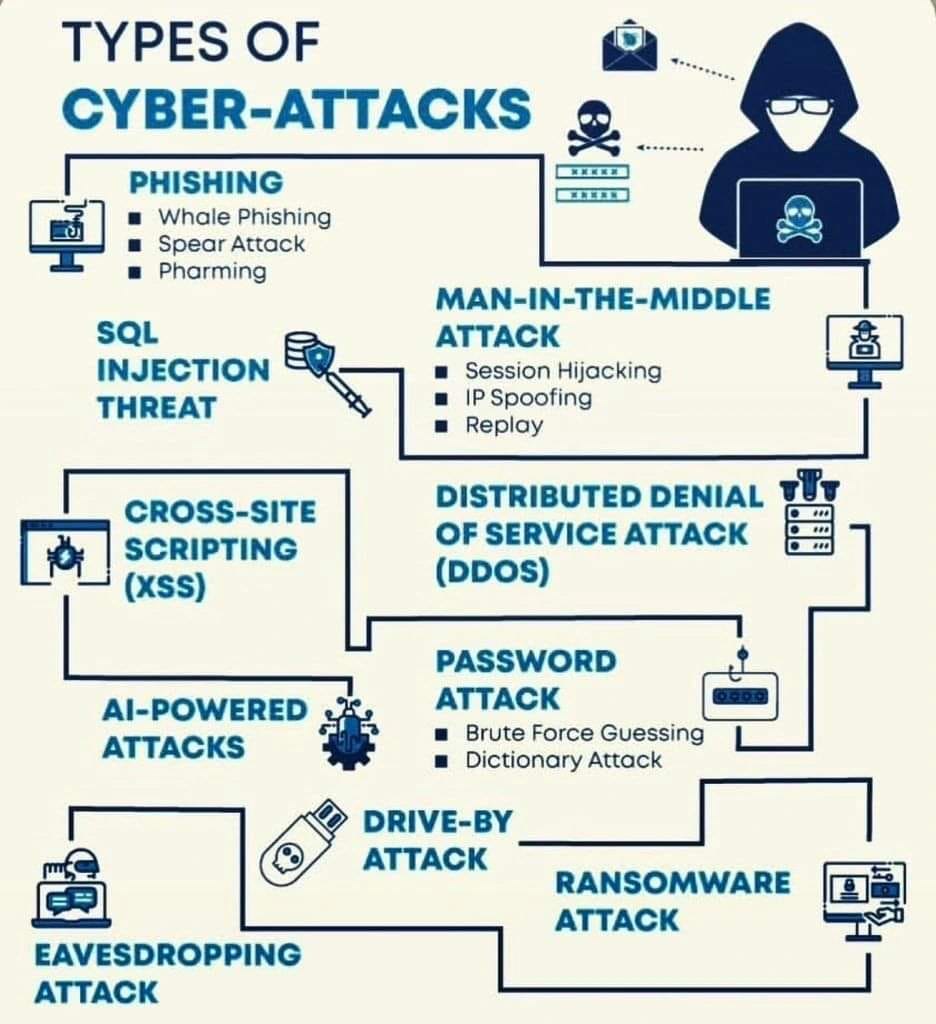
AI tools can help attackers automate tasks that previously required substantial technical expertise and time. These include identifying potential software vulnerabilities, analysing publicly available information, generating phishing messages and adapting malicious campaigns for different targets.
For example, conventional phishing emails may contain spelling mistakes, awkward language or generic greetings that make them relatively easy to identify. AI can help criminals produce more polished, personalised messages that imitate the tone and language of legitimate organisations.
Attackers can also use automation to examine large numbers of systems for weaknesses, potentially increasing the number of targets they can investigate within a short period.
Ransomware presents another serious concern. These attacks typically involve malicious software that encrypts or otherwise disrupts access to a victim's data, with criminals demanding payment in exchange for restoration or threatening to publish stolen information.
AI-assisted automation could help criminals scale parts of the process, making it easier to pursue multiple organisations instead of concentrating on a single target.
However, it is important to distinguish a broader technological risk from a confirmed finding about a particular incident. The involvement of AI has not been independently established in every recent Japanese cyberattack. Its growing availability is nevertheless prompting security specialists to reassess how quickly cyber threats can evolve.
The result is a changing cybersecurity landscape in which the barrier to conducting certain attacks may fall even as the potential damage increases.
Why Japan's Digital Infrastructure Faces Greater Risks
Japan's recent experiences highlight the tension between digital transformation and cybersecurity preparedness.
Businesses increasingly depend on cloud platforms, interconnected applications, digital identity systems and external technology providers. These services improve efficiency, but they also create dependencies that can become security weaknesses if they are not properly managed.
Legacy technology can add to the problem. Organisations that continue to operate outdated software, delay security updates or maintain weak access controls may leave openings that attackers can exploit.
Complex supply chains create additional risks because a company may have limited visibility into the security practices of every vendor or service provider with access to its systems.
An attack on one supplier can therefore affect customers that were not directly targeted.
Japan's ageing population and the country's wider digitalisation challenges have also featured in discussions about the nation's cybersecurity readiness. However, demographic factors alone do not explain the recent breaches. Effective security depends on investment, technical expertise, sound management and consistent implementation of safeguards.
The challenge is not simply to adopt newer technology, but to ensure that security develops alongside it.
Government Urges Businesses and Individuals to Strengthen Security
Japanese authorities have called for stronger cybersecurity measures across public and private organisations. Guidance has emphasised keeping security protections updated, using strong passwords and improving safeguards throughout supply chains.
These measures may appear basic, but they remain important because many attacks exploit preventable weaknesses.
Organisations should implement multi-factor authentication, restrict access to sensitive systems, monitor suspicious activity and promptly address known software vulnerabilities. They should also maintain encrypted, offline or otherwise isolated backups and test whether critical services can be restored following an attack.
Regular security assessments of contractors and cloud providers are equally important. Businesses should understand where their data is stored, who can access it and how suppliers will respond if their systems are compromised.
Individuals also have a role to play. Reusing passwords across multiple accounts increases the risk that one breach could expose several services. Unique passwords, preferably managed through a reputable password manager, can reduce that danger.
Enabling multi-factor authentication adds another layer of protection, while caution around unexpected emails, text messages, attachments and login links can help prevent phishing.
People should also be wary of messages that create urgency, request sensitive information or claim that an account will be suspended unless immediate action is taken.
If personal information has been exposed, affected users should monitor relevant accounts, change compromised credentials and contact their financial institutions if they notice suspicious activity.

What Japan's Cybersecurity Crisis Means for the Future
Japan's growing cybersecurity crisis offers a warning for digitally connected economies worldwide. A data breach can expose millions of records, while a ransomware attack on a shared cloud platform can disrupt hundreds of organisations at once.
The increasing availability of AI tools adds another layer of uncertainty. Although AI can strengthen threat detection and help security teams respond faster, the same technology can also assist criminals in automating parts of their operations.
This creates an uneven contest: defenders must protect complex systems around the clock, while attackers may need only one exploitable weakness to gain access.
For Japan, the priority will be to improve cooperation between government agencies and businesses, strengthen oversight of technology suppliers and ensure that incident-response plans can withstand large-scale disruptions.
The country must also communicate clearly with affected customers, establish the scope of data exposure and help people understand the steps needed to protect themselves.
Ultimately, the crisis is not just about stolen passwords or compromised databases. It concerns public trust, business continuity and the security of essential digital services.
As cyberattacks become more sophisticated, cybersecurity can no longer be treated as a technical issue delegated solely to IT departments. It must become a core responsibility shared by company leadership, technology providers, government institutions and individual users.
Japan's latest warning makes the stakes clear: in an economy built around connected services, protecting digital infrastructure is inseparable from protecting the people and businesses that depend on it.
© Copyright 2026. All Rights Reserved. Powered by Vygr Media.