 By
By 
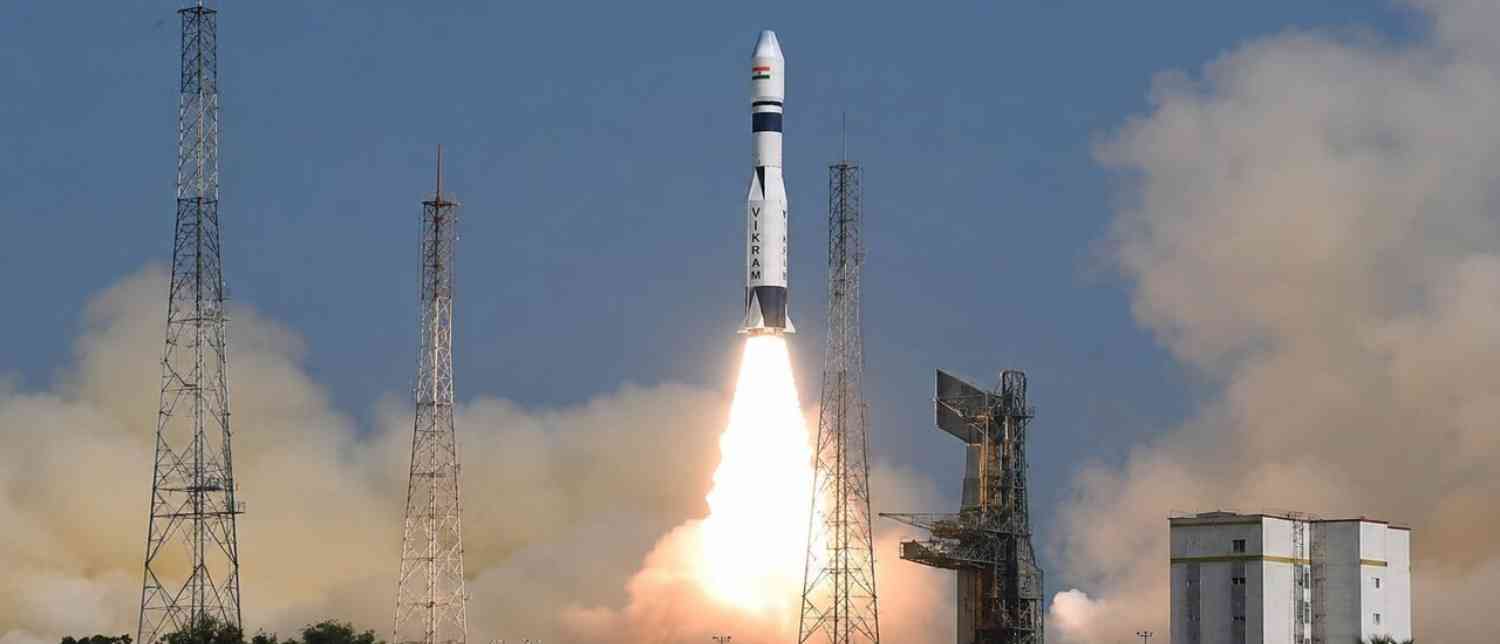
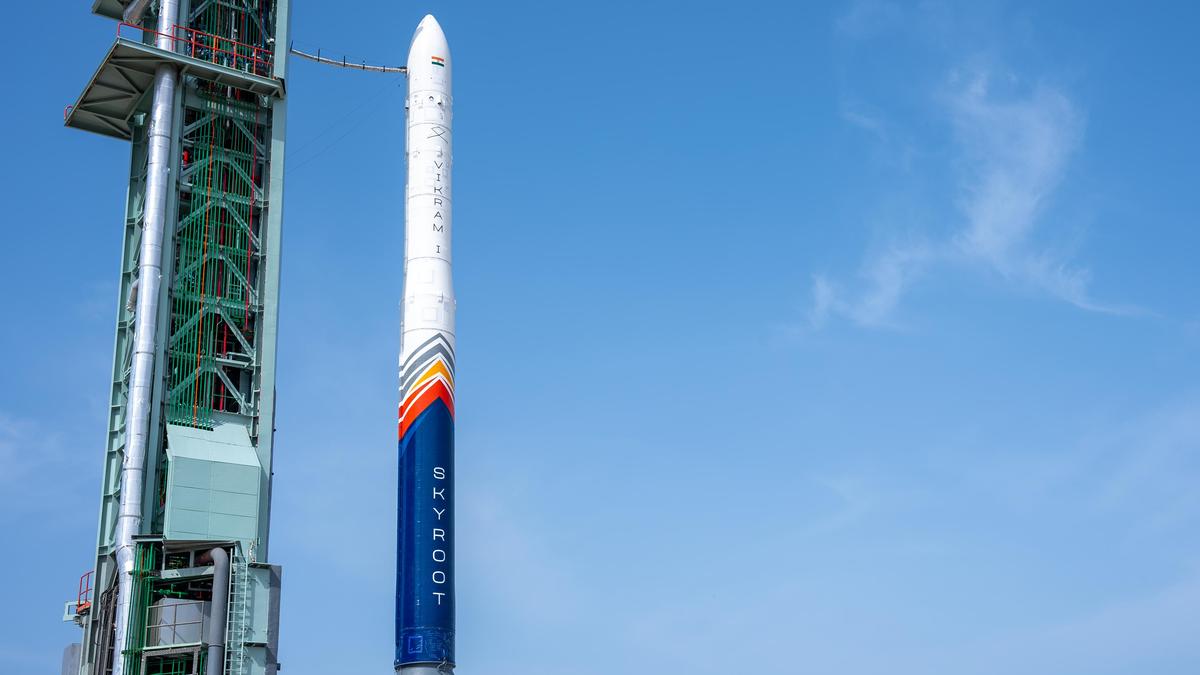
India’s private space sector has achieved its biggest milestone yet. Hyderabad-based startup Skyroot Aerospace successfully launched Vikram-1, the country’s first privately developed orbital-class rocket, marking a defining moment in India’s journey from a government-led space programme to a thriving commercial space ecosystem.
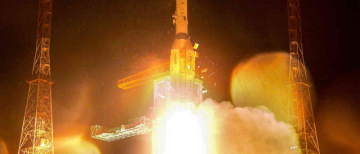
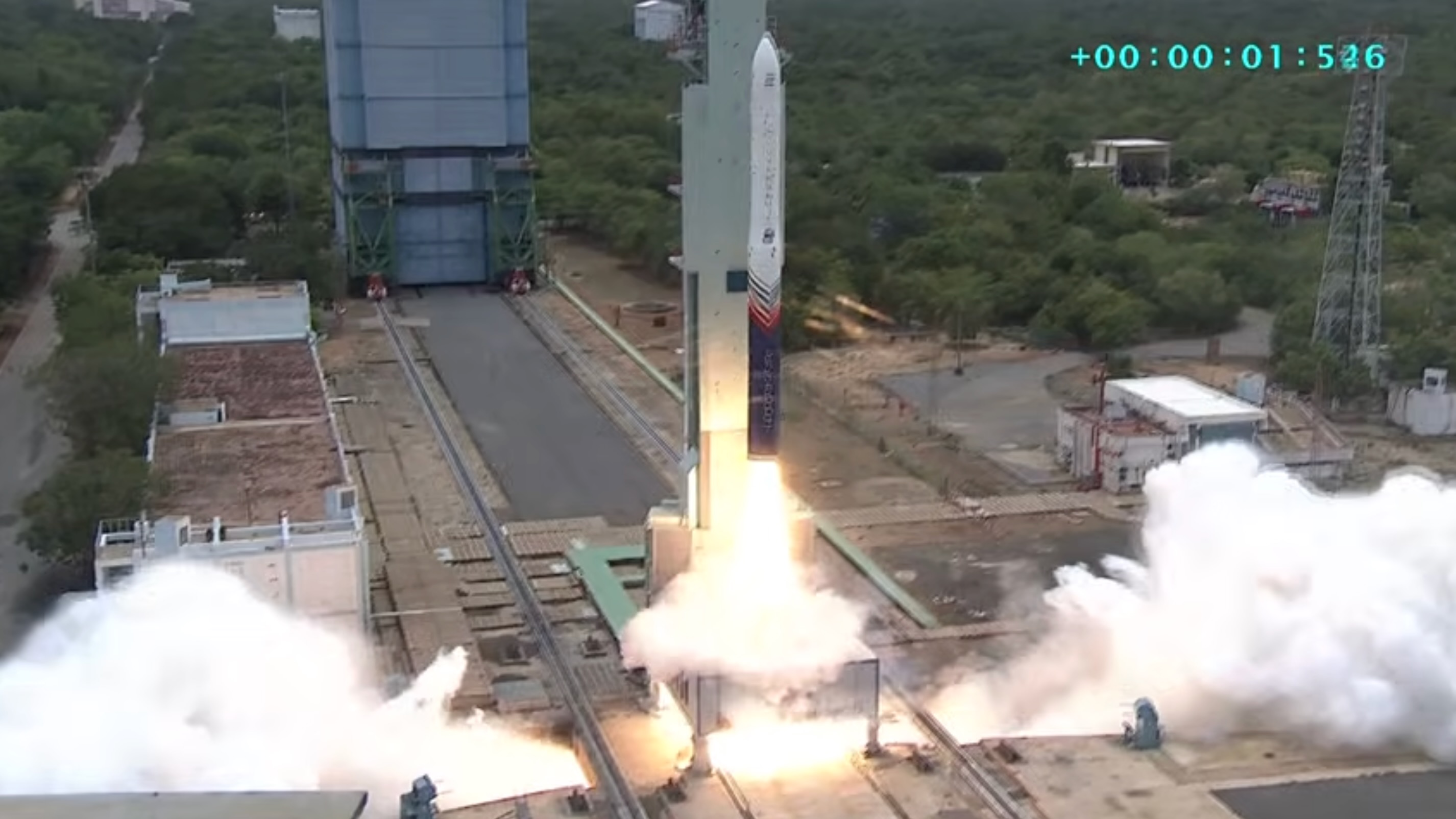
The mission, aptly named 'Aagaman'—meaning "arrival"—lifted off from the Satish Dhawan Space Centre in Sriharikota on Saturday after a brief countdown interruption, carrying six payloads into low-Earth orbit. The successful mission not only validates Skyroot’s launch capabilities but also positions India among a select group of nations where private companies have independently developed and launched orbital rockets.
A landmark launch for India's private space industry
The Vikram-1 mission represents the culmination of years of work by Skyroot Aerospace, a company founded in 2018 by former ISRO scientists Pawan Kumar Chandana and Naga Bharath Daka. Since India's space sector was opened to private participation in 2020, startups have rapidly emerged, but Vikram-1 is the first to demonstrate an end-to-end orbital launch capability.
Standing about 22 metres tall, Vikram-1 is a four-stage launch vehicle designed primarily for the growing small satellite market. During its maiden orbital mission, the rocket successfully deployed six payloads into an approximately 450-km low-Earth orbit, meeting its primary mission objectives.
The achievement comes nearly four years after Skyroot launched Vikram-S, India's first privately built sub-orbital rocket, in 2022. While Vikram-S proved the company's engineering capabilities, Vikram-1 has now demonstrated that an Indian private startup can independently reach orbit—a significantly more complex technological feat.
A tense countdown before a flawless ascent
The mission was not without drama.
Just minutes before the scheduled liftoff, the automated launch sequence was paused due to a technical observation, delaying the launch by approximately 35 minutes. Engineers carried out the required checks before clearing the rocket for flight.
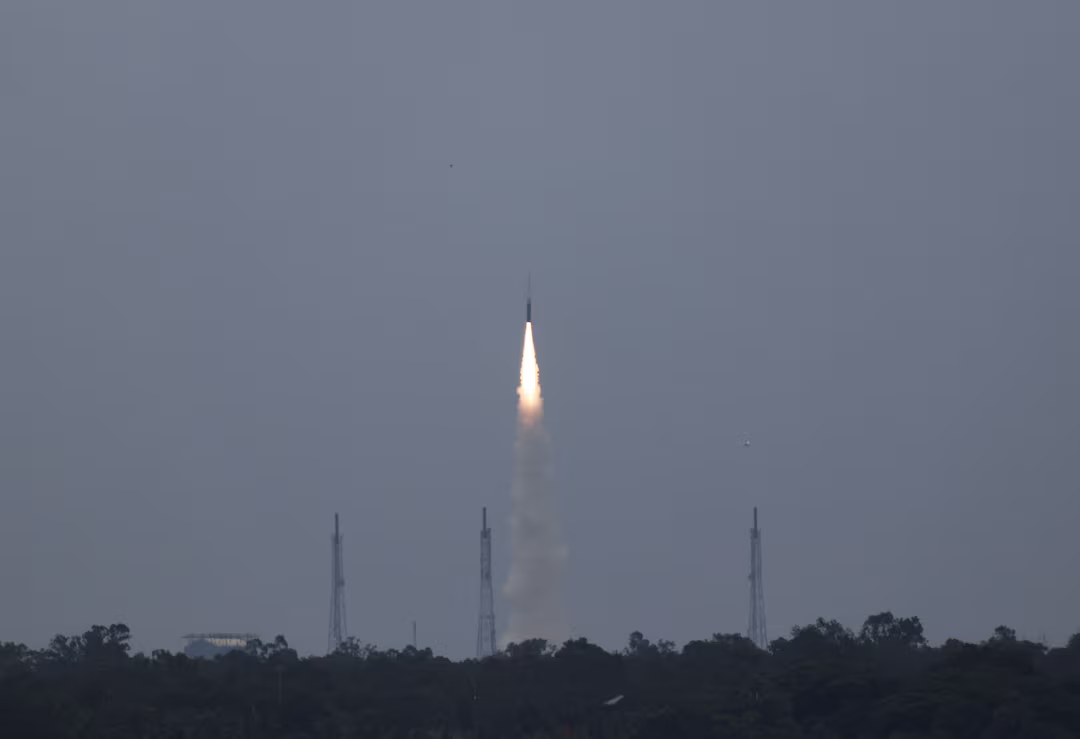
Once cleared, Vikram-1 lifted off smoothly from Sriharikota amid cheers from scientists, engineers and spectators. The rocket completed all four stages as planned before injecting its payloads into the designated orbit roughly 15 minutes after launch.
The successful completion of every critical mission phase—from stage separation to orbital insertion—made the maiden flight an unequivocal success, particularly for a first-time orbital launcher where reliability is closely watched by future customers.
More than a rocket launch
Although the mission carried multiple customer and experimental payloads, its broader significance lies in what it means for India's commercial space ambitions.
For decades, orbital launches from Indian soil were carried out exclusively by the Indian Space Research Organisation (ISRO). Vikram-1 changes that narrative by proving that India's private industry is capable of designing, manufacturing and operating sophisticated launch vehicles.
Industry observers believe this milestone could accelerate investments into India's rapidly expanding space-tech ecosystem, encouraging more startups to develop launch systems, satellites and downstream space applications.
The launch also reflects the success of the government's decision to liberalise the space sector in 2020, allowing private companies greater access to ISRO infrastructure, testing facilities and launch sites.
Built for the booming small satellite market
Vikram-1 has been designed to cater to one of the fastest-growing segments of the global launch industry—small satellites.
With Earth observation, communication and scientific satellites becoming smaller and more affordable, demand for dedicated launch services has grown rapidly worldwide. Rather than waiting for available space on larger rockets, satellite operators increasingly prefer smaller launch vehicles capable of placing payloads directly into desired orbits.
Skyroot hopes Vikram-1 will become a competitive option in this market by offering faster launch timelines, flexible mission planning and cost-effective access to space.
The rocket incorporates several advanced technologies, including solid propulsion stages and a liquid-fuelled upper stage featuring 3D-printed engine components, demonstrating the company's focus on reducing manufacturing complexity while improving performance.
India's growing space economy
The Vikram-1 mission arrives at a time when India's space sector is witnessing unprecedented growth.
Government estimates envision India's space economy expanding from roughly $8 billion today to nearly $44 billion by 2033, driven by satellite manufacturing, launch services, downstream applications and private-sector innovation.
Private launch providers like Skyroot are expected to play a central role in achieving those ambitions by reducing dependence on government launch schedules and enabling commercial missions for domestic and international customers.
The success of Vikram-1 also strengthens India's position in the increasingly competitive global launch market, where companies from the United States, Europe, China and New Zealand are vying for small satellite contracts.
Recognition from the highest levels
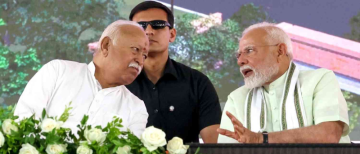
The historic achievement drew praise from across the country, including Prime Minister Narendra Modi.
Congratulating the Skyroot team, the Prime Minister described the launch as a historic milestone for India's private space sector and highlighted how the accomplishment reflected the innovation and talent of the country's young entrepreneurs.
According to reports, Modi personally spoke to the company's leadership after the successful mission and said he had watched the launch live, calling it an inspiration for India's youth and a proud moment for the nation.
From startup to global contender
Founded only eight years ago, Skyroot Aerospace has rapidly transformed from a small startup into one of India's leading space technology companies.
Its first major breakthrough came with the successful launch of Vikram-S in 2022. Since then, the company has expanded its engineering capabilities, secured substantial funding and developed an integrated rocket manufacturing ecosystem.
The successful orbital debut of Vikram-1 now places Skyroot among a very small group of private companies worldwide that have independently demonstrated orbital launch capability—a club historically dominated by national space agencies and a handful of commercial players.
Analysts believe this achievement could significantly enhance the company's prospects in attracting international customers looking for reliable launch services for small satellites.
What comes next?
Despite the historic success, Skyroot views Vikram-1 as the beginning rather than the destination.
The company is expected to undertake additional missions to further validate the launch vehicle before scaling up regular commercial launch operations. Each successful mission will help build confidence among global satellite operators, for whom launch reliability remains the single most important consideration.
Beyond Vikram-1, Skyroot has broader ambitions to develop an entire family of launch vehicles capable of serving different payload categories and mission profiles.
The company also aims to establish India as a preferred destination for commercial launches by combining competitive pricing with rapid turnaround times and indigenous technological innovation.
A defining moment for India's space future
The successful launch of Vikram-1 marks more than the debut of a new rocket—it signals the arrival of a new era in India's space programme.
For decades, ISRO laid the foundation by establishing India's credibility as a spacefaring nation. Now, companies like Skyroot are building upon that legacy by expanding the country's capabilities beyond government-led missions into a vibrant commercial ecosystem.
As private participation grows, India stands poised to become not just a nation that launches satellites, but a global hub for space innovation, manufacturing and commercial launch services.
With Vikram-1's successful maiden flight, that future appears significantly closer than ever.
With input from agencies
Image Source: Multiple agencies
© Copyright 2026. All Rights Reserved. Powered by Vygr Media.