
 By
By 
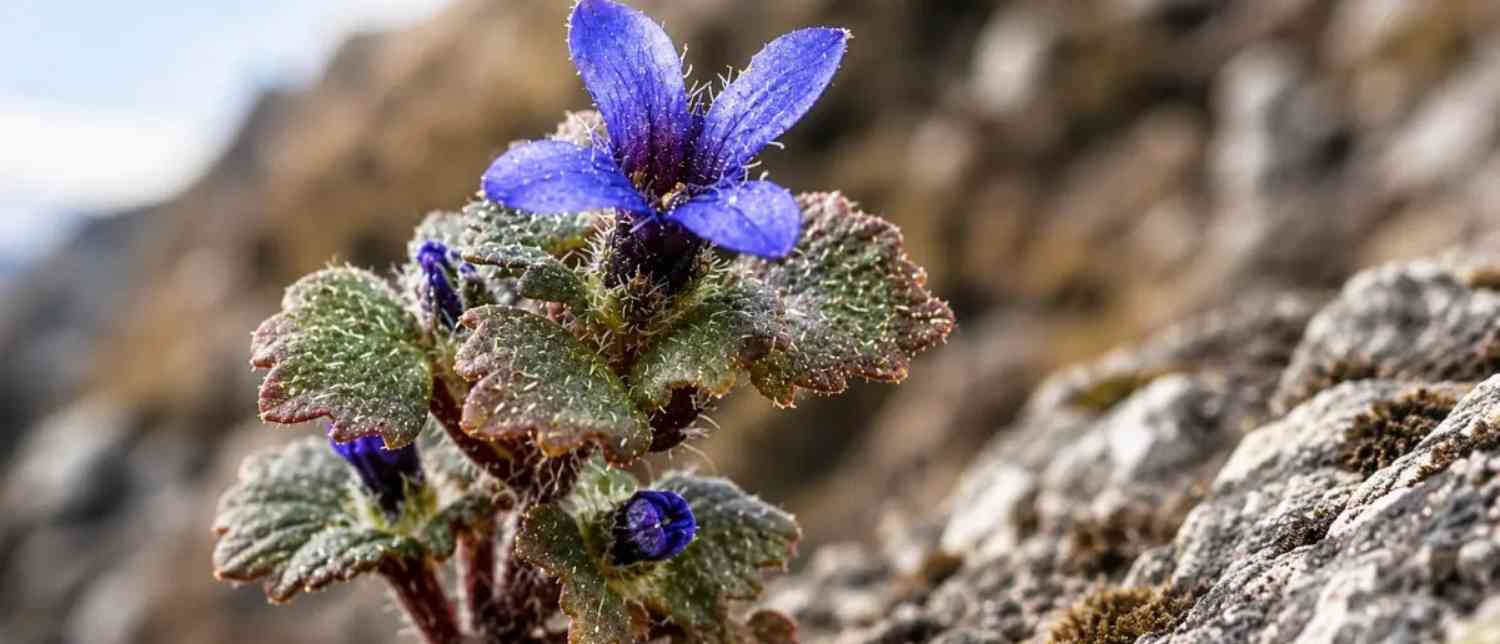
In a remarkable scientific discovery, botanists have rediscovered the rare Himalayan flowering plant Cyananthus hookeri in Arunachal Pradesh, bringing an end to a 158-year gap in its documented presence in India. The finding has generated excitement among botanists, conservationists, and biodiversity experts, offering renewed hope for the survival of one of the country's rarest alpine plant species while highlighting the immense ecological value of the Eastern Himalayas.
The delicate flowering plant, which belongs to the bellflower family (Campanulaceae), was last scientifically recorded in India in 1867 by renowned British botanist Sir Joseph Dalton Hooker during his explorations in Sikkim. Since then, the species had vanished from India's botanical records, surviving only through preserved herbarium specimens and historical literature. Its rediscovery marks the first confirmed sighting in the country in more than a century and a half and the first-ever documented occurrence of the species in Arunachal Pradesh.
Rediscovered in the High Himalayas
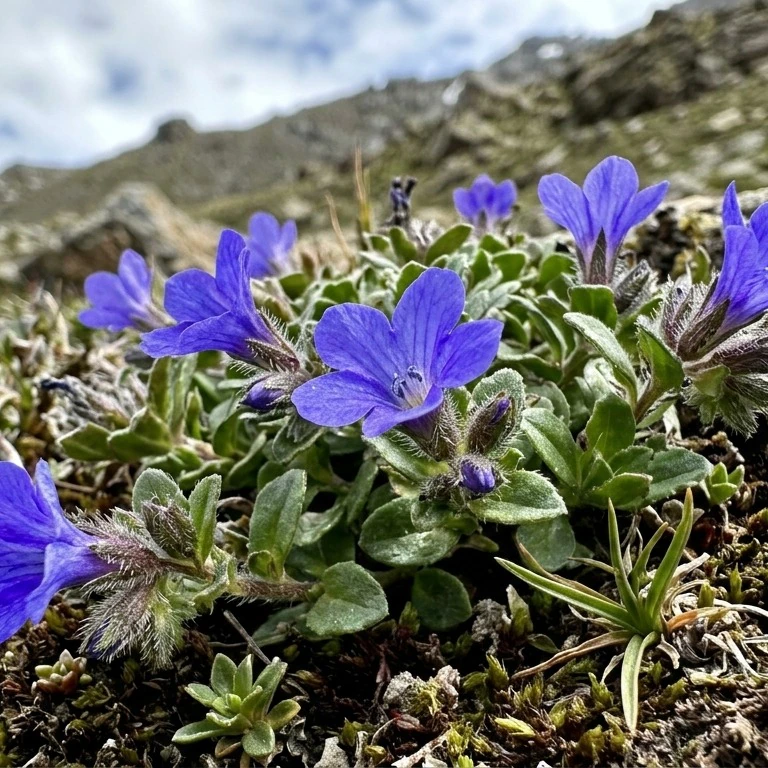
The breakthrough came during an extensive botanical survey carried out by scientists from the Botanical Survey of India (BSI). Researchers located Cyananthus hookeri in the Chuna Valley near Mago village in Tawang district at an altitude of approximately 3,600 metres above sea level.
The field team, comprising scientists Subhajit Lahiri, Monalisa Das, and Sudhansu Sekhar Dash, encountered the elusive plant while surveying alpine grasslands and rocky slopes in the region. Although the flower was first observed during fieldwork conducted last year, subsequent examination and scientific verification confirmed that it was indeed Cyananthus hookeri, making it one of India's most significant botanical rediscoveries in recent years.
The discovery is especially significant because Tawang forms part of the Eastern Himalayas, one of the world's richest biodiversity hotspots. Its remote alpine landscapes continue to reveal species that have remained undocumented or unseen for decades, underscoring the importance of continued scientific exploration.
A Species Lost to Indian Science for More Than a Century
Sir Joseph Dalton Hooker first documented Cyananthus hookeri in Sikkim in 1867 during his pioneering botanical expeditions across the Himalayas. Hooker, regarded as one of the most influential botanists of the nineteenth century, made invaluable contributions to documenting India's rich plant diversity.
Despite numerous botanical expeditions over the following decades, no confirmed Indian record of the species emerged after Hooker's collection. As a result, the flower was widely believed to have disappeared from India's flora, although isolated populations continued to be reported from neighbouring Himalayan regions, including Bhutan, Nepal, Tibet, and parts of China.
The latest discovery therefore bridges a significant gap in India's botanical history while extending the known geographical distribution of the species into Arunachal Pradesh.
What Makes Cyananthus hookeri Special?
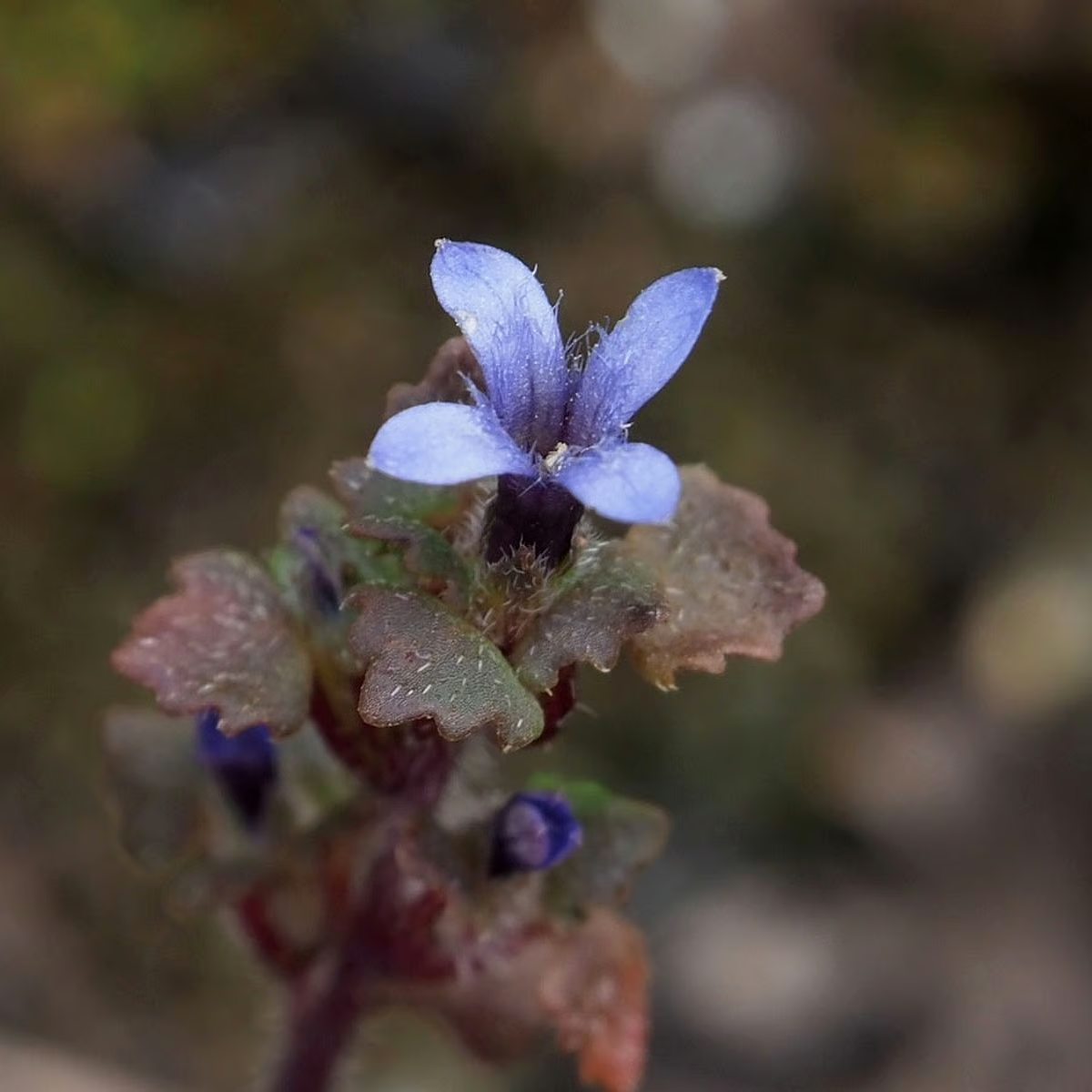
Cyananthus hookeri is a small alpine herb distinguished by its attractive purple-blue, bell-shaped flowers. Like other members of the Campanulaceae family, it is specially adapted to survive in harsh mountain environments where only a limited number of plant species can thrive.
The flower typically grows on rocky alpine slopes and open grassy meadows exposed to freezing winters, strong winds, and short growing seasons. These specialised habitats make alpine plants particularly vulnerable to environmental disturbances and climate-related changes.
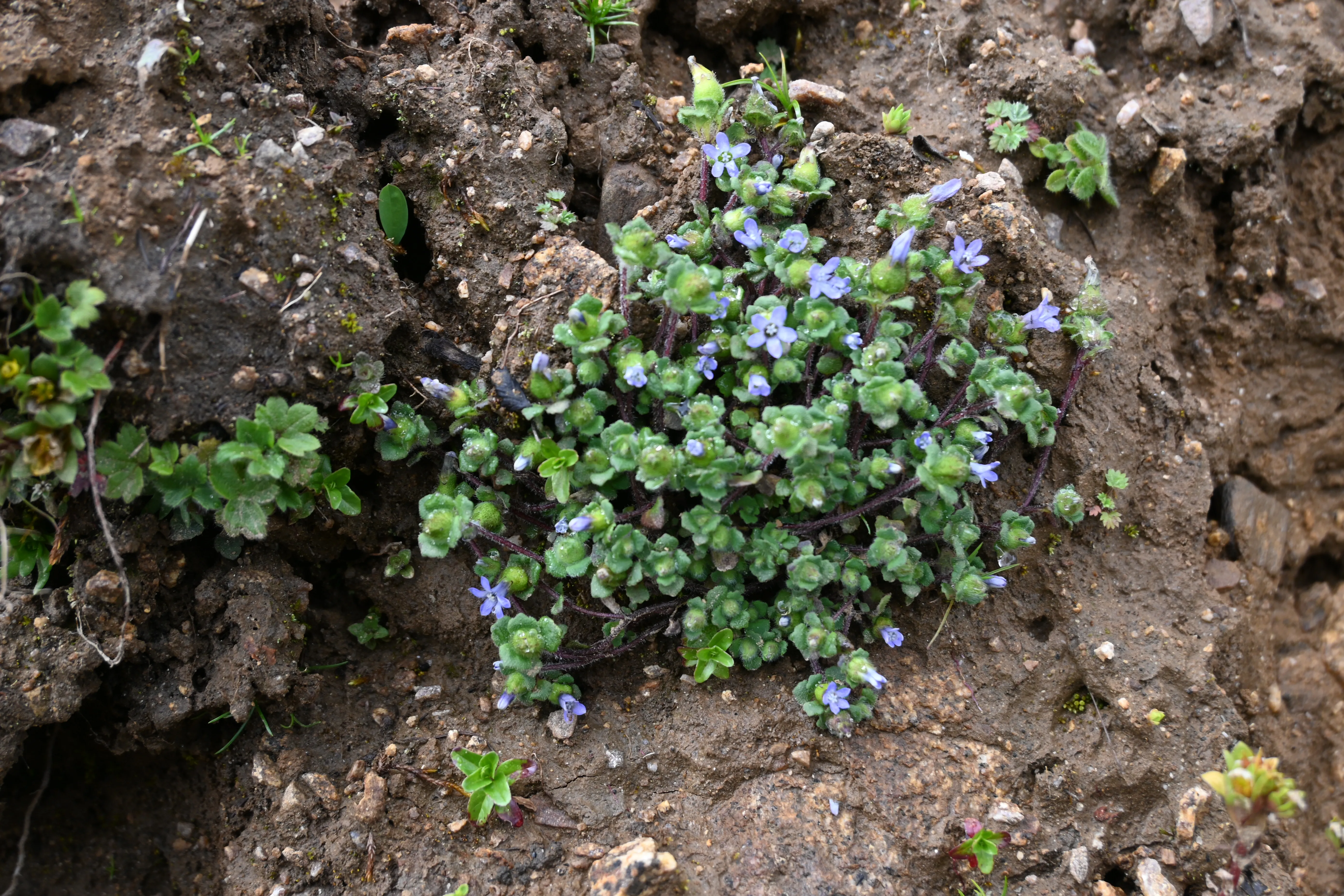
Scientists noted that despite its striking appearance, the flower remains extremely rare. During the survey, researchers observed only a small number of mature and immature individuals, highlighting its limited presence in India.
Conservation Challenges Remain
While the rediscovery has been celebrated as a major scientific achievement, experts caution that the species continues to face significant conservation challenges.
Researchers estimate that fewer than 50 mature individuals currently exist within the newly discovered population. Such a small population size makes the species especially susceptible to habitat degradation, climate change, natural disasters, and human disturbances.
Based on current observations, scientists have recommended that Cyananthus hookeri be assessed as Endangered in India under the International Union for Conservation of Nature (IUCN) criteria because of its highly restricted distribution and the continuing threats to its habitat.
Conservationists emphasise that rediscovery should not be viewed as recovery. Instead, it provides an important opportunity to monitor the population, protect its habitat, and conduct further scientific studies before the species faces renewed risks.
Arunachal Pradesh's Rich Biodiversity Continues to Impress
The rediscovery further strengthens Arunachal Pradesh's reputation as one of India's richest biodiversity regions.
With its dense forests, alpine meadows, deep valleys, and varied climatic conditions, the state supports thousands of plant species, many of which remain insufficiently explored because of its challenging terrain and limited accessibility.
In recent years, scientists have documented several new plant species and rediscovered others that had long been considered missing from India's botanical records. These discoveries indicate that large parts of the Eastern Himalayas remain scientifically underexplored and may still hold many botanical surprises.
Why This Discovery Matters
The importance of rediscovering Cyananthus hookeri extends well beyond updating botanical records.
Rare alpine plants are considered valuable indicators of ecosystem health because they occupy highly specialised ecological niches. Changes in their populations can provide important clues about the effects of climate change, habitat fragmentation, and shifting environmental conditions in mountain ecosystems.
Such species also contribute to maintaining the ecological balance of fragile alpine habitats by supporting pollinators and other forms of biodiversity. Additionally, documenting these rare plants helps scientists better understand Himalayan plant evolution, distribution patterns, and adaptations to extreme environments.
The Importance of Field Research
The rediscovery highlights the continuing importance of field-based botanical exploration, even in an era of advanced technology and satellite mapping.
Unlike many scientific breakthroughs that occur in laboratories, botanical rediscoveries often depend on researchers spending weeks traversing remote forests, mountain valleys, and alpine slopes in search of species that may bloom only during a brief seasonal period.
The work undertaken by the Botanical Survey of India team demonstrates how dedicated field research continues to uncover India's hidden natural heritage. Their efforts not only brought back a species absent from Indian records for generations but also generated valuable information that will support future conservation initiatives.
The Road Ahead
Scientists are expected to carry out additional surveys across Tawang and neighbouring Himalayan regions to determine whether more populations of Cyananthus hookeri exist.
Future research will focus on understanding the species' reproductive biology, habitat preferences, population dynamics, and genetic diversity. Such information will be essential for developing effective conservation strategies and determining whether the species requires additional habitat protection or ex-situ conservation measures.
Researchers also hope the discovery will encourage greater investment in botanical exploration throughout the Eastern Himalayas, where numerous plant species remain poorly documented despite the region's extraordinary biological richness.
A Beacon of Hope for India's Biodiversity
The rediscovery of Cyananthus hookeri after 158 years serves as a powerful reminder that nature still holds many secrets waiting to be uncovered. Although the species remains extremely rare in India, its return provides conservationists with a valuable opportunity to safeguard it before it disappears once again.
At a time when biodiversity worldwide faces increasing threats from climate change and habitat loss, the discovery underscores the importance of continued scientific exploration, habitat conservation, and environmental stewardship.
For India's botanical community, the tiny purple-blue flower represents far more than the rediscovery of a lost species—it stands as a symbol of the resilience of Himalayan ecosystems and the enduring importance of protecting one of the world's richest centres of biodiversity.
With inputs from agencies
Image Source: Multiple agencies
© Copyright 2026. All Rights Reserved. Powered by Vygr Media.