 By
By 
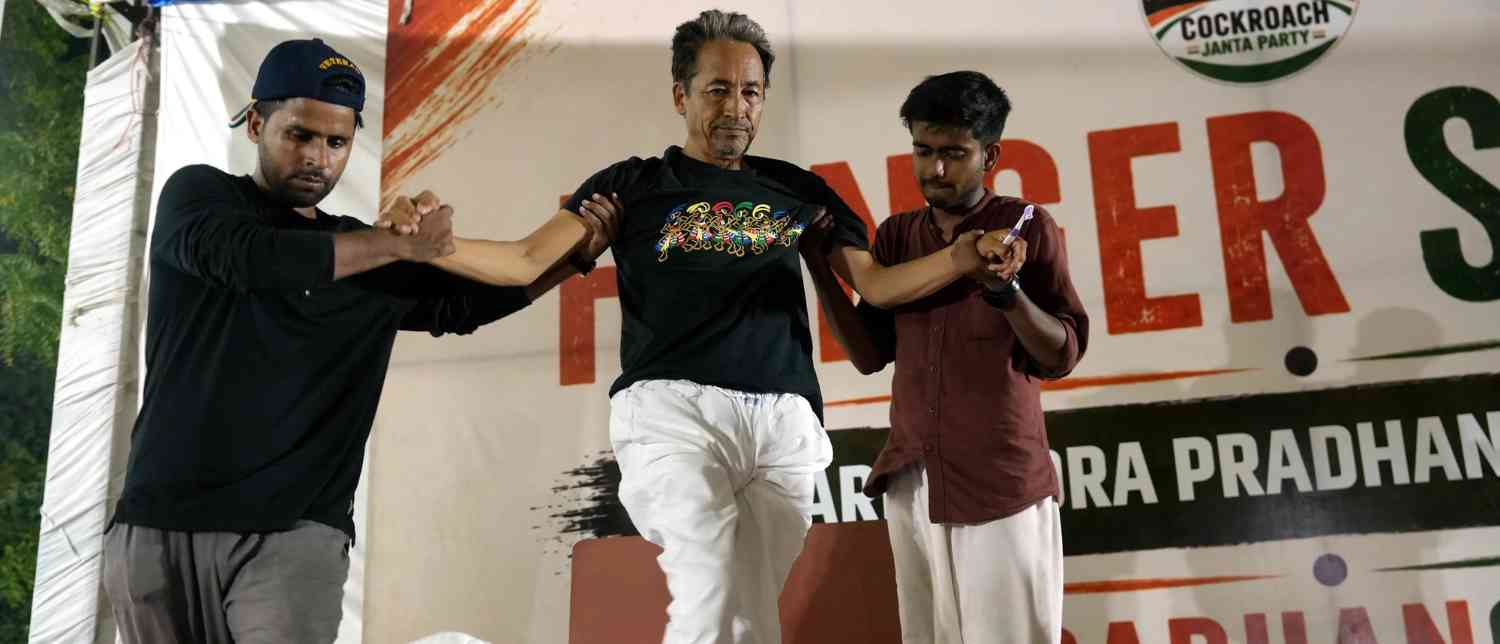
New Delhi: Activist and environmentalist Sonam Wangchuk's indefinite hunger strike took a dramatic turn after Delhi Police removed him from the Jantar Mantar protest site and shifted him to Safdarjung Hospital following more than 20 days of fasting. The move has triggered political reactions, legal questions, widespread social media mobilisation, and renewed attention to the demands at the heart of his protest.
Wangchuk, who has been leading the protest in support of constitutional safeguards and democratic rights for Ladakh, was taken to the hospital during the early hours after doctors expressed concern over his deteriorating health. Authorities have maintained that the decision was taken solely to protect his life, while supporters have described the removal as a forceful intervention that undermined a peaceful democratic protest.
Police Remove Wangchuk From Protest Site
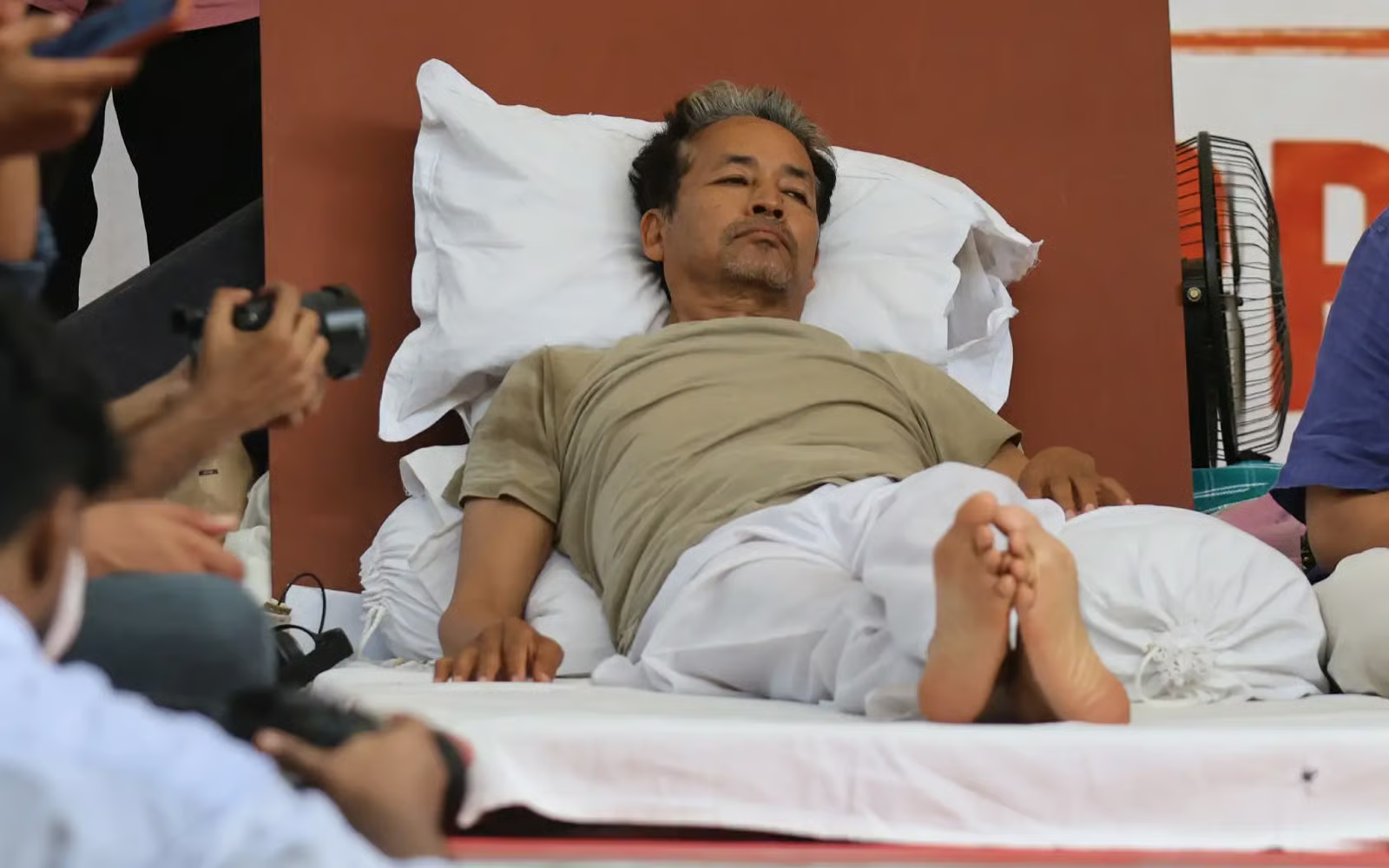
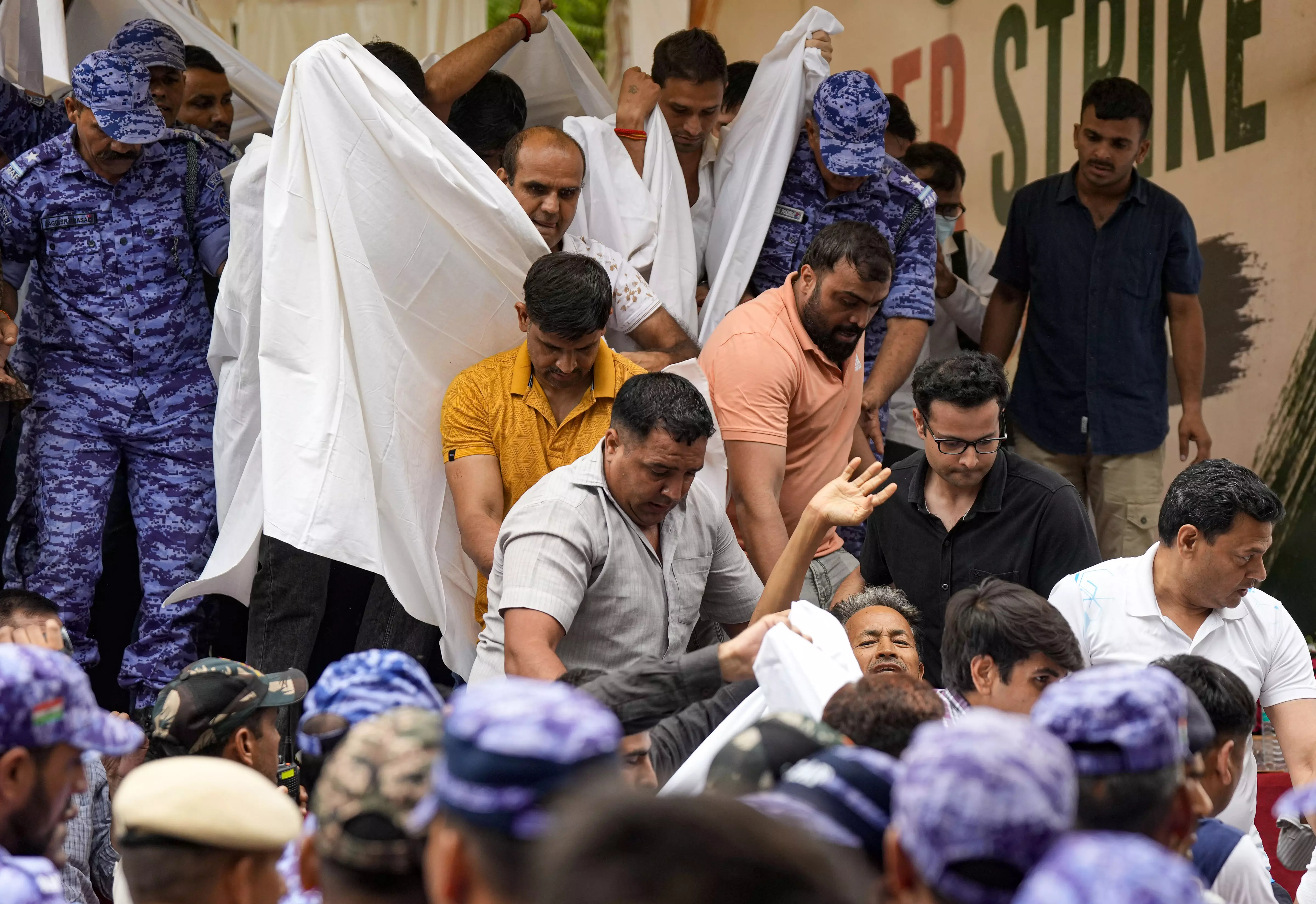
The activist had completed over 20 days of an indefinite fast at Delhi's Jantar Mantar when police personnel arrived at the protest venue and escorted him to Safdarjung Hospital. According to officials, the action followed medical advice and was consistent with directions from the Delhi High Court, which had earlier instructed authorities to ensure that every necessary step be taken to safeguard Wangchuk's life.
Police also cleared portions of the protest site, citing concerns over Wangchuk's rapidly declining health. Videos and eyewitness accounts from the location showed supporters objecting to the intervention, arguing that the activist had not consented to being shifted.
The administration has defended its decision, stating that preserving life remained its foremost responsibility, particularly after prolonged fasting significantly weakened Wangchuk's condition.
Wife Questions Medical Treatment
Soon after Wangchuk's hospitalisation, his wife, Gitanjali Angmo, raised concerns over the manner in which he had been shifted. She said the family had not been informed adequately before the transfer and insisted that no medical treatment should be administered without her consent.
Angmo also expressed a desire to have Wangchuk moved to a hospital of the family's choice, emphasising the need for transparency regarding his medical condition and treatment plan. Her statements added another dimension to the unfolding controversy, with supporters questioning whether established protocols had been followed during the hospitalisation process.
Hospital Says Activist Refusing Treatment
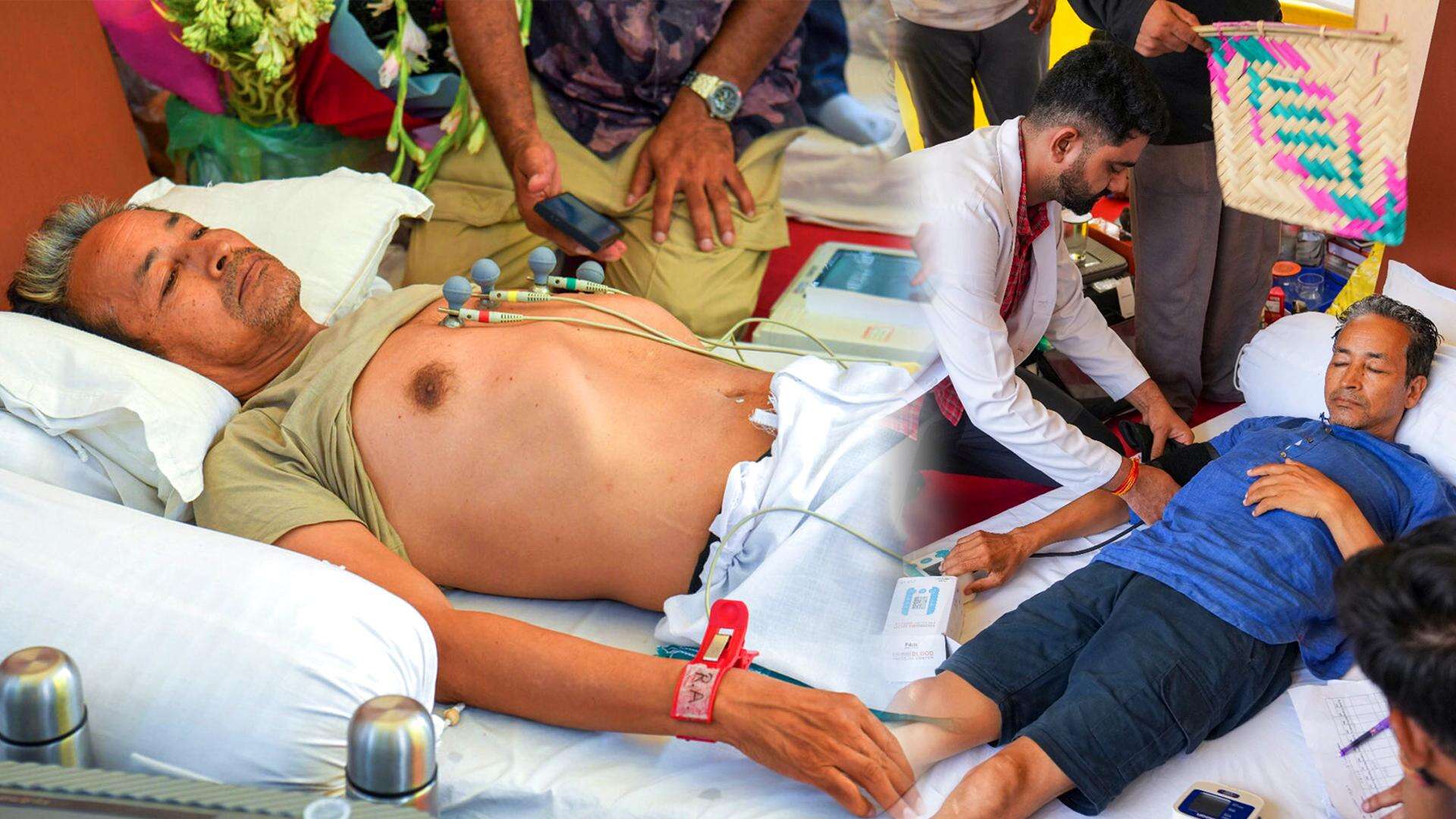
Medical authorities later confirmed that Wangchuk was conscious but severely dehydrated and physically weak after more than three weeks of fasting. Doctors stated that while his vital signs remained under close observation, he had refused certain forms of medical intervention despite repeated counselling.
Hospital officials described his condition as serious enough to require continuous monitoring, noting that prolonged fasting can lead to multiple organ complications if appropriate treatment is not accepted. The medical team has reportedly continued efforts to persuade him to undergo the recommended care.
Hunger Strike Gains Massive Public Support
Even as Wangchuk remained in hospital, his protest witnessed a surge of public support online. Social media platforms saw thousands of users sharing messages urging the government to engage in dialogue while appealing to the activist to safeguard his health.
Several online campaigns and digital petitions gathered momentum, with citizens expressing solidarity and calling for meaningful discussions on the issues raised during the protest. The hashtag supporting Wangchuk trended across platforms, reflecting the growing national attention surrounding his hunger strike.
Supporters have argued that the movement extends beyond an individual's fast and represents broader concerns regarding Ladakh's constitutional status, environmental protection, democratic representation and local governance.
Political Reactions Intensify
The hospitalisation has also intensified the political debate.
Opposition leaders criticised the Centre for allegedly failing to initiate dialogue with Wangchuk before his health reached a critical stage. They questioned why negotiations could not have taken place while the protest remained peaceful, arguing that democratic dissent should be addressed through engagement rather than administrative intervention.
The government, however, has maintained that the decision to hospitalise Wangchuk was based entirely on medical necessity and judicial directions rather than political considerations. Officials have reiterated that preserving the life of a citizen is a constitutional obligation.
Legal Backdrop
The developments follow proceedings before the Delhi High Court, where concerns over Wangchuk's prolonged fast prompted judicial intervention.
The court observed that every citizen's life is precious and directed authorities to ensure appropriate medical monitoring. It also stated that any necessary medical intervention required to save Wangchuk's life should be undertaken, placing responsibility on the administration to prevent a life-threatening situation.
This legal backdrop has become central to the government's defence of the hospitalisation, with authorities arguing that they were acting in compliance with judicial expectations rather than attempting to suppress the protest.
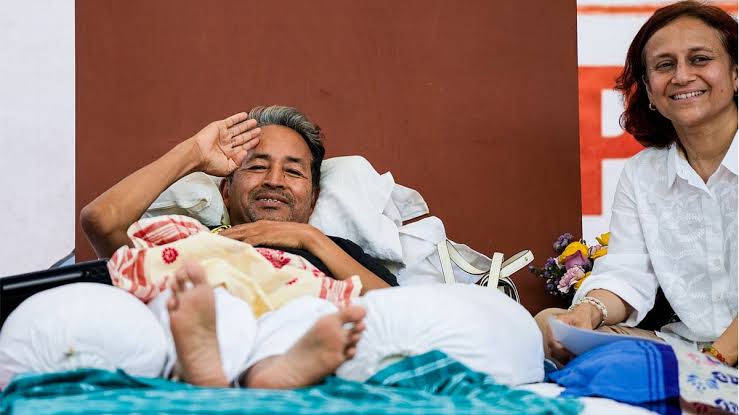
A Familiar Face in Public Movements
Sonam Wangchuk is widely recognised as an engineer, education reformer and environmental innovator whose work in Ladakh has earned national and international recognition. He is best known for pioneering the Ice Stupa project, promoting sustainable development in the Himalayan region and advocating education reforms through the Students' Educational and Cultural Movement of Ladakh (SECMOL).
Over the years, he has emerged as one of the strongest public voices advocating constitutional protections for Ladakh, environmental conservation and greater participation of local communities in governance. His campaigns have consistently combined peaceful protest with public mobilisation, making him one of the country's most prominent civil society figures.
What Lies Ahead
Although Wangchuk remains under medical supervision, uncertainty continues over the future course of the movement. Supporters have indicated that the broader campaign will continue irrespective of his hospitalisation, while appeals have grown for the government to initiate substantive discussions on the issues raised during the protest.
At the same time, doctors remain focused on stabilising the activist's health after weeks of fasting. Whether Wangchuk agrees to medical treatment could significantly influence developments in the coming days.
The episode has once again highlighted the delicate balance between an individual's right to peaceful protest and the state's responsibility to protect life. As public support continues to build and political pressure mounts, the focus is likely to remain on both Wangchuk's health and the larger questions his hunger strike has brought into the national conversation.
With input from agencies
Image Source: Multiple agencies
© Copyright 2026. All Rights Reserved. Powered by Vygr Media.