
 By
By 
Indian politics is no stranger to internal party schisms, but every so often, a rupture emerges that is less about personalities and more about the soul of a political project. The ongoing rift between Raghav Chadha and the Aam Aadmi Party (AAP) appears to be precisely that kind of moment—one that forces a reckoning not just for the individuals involved, but for the party’s ideological trajectory and structural integrity.
At first glance, the disagreement seems like another episode in the long list of political fallouts. But beneath the surface lies a complex interplay of ambition, authority, generational shifts, and the growing pains of a party transitioning from insurgent movement to institutional power.
From Poster Boy to Political Problem
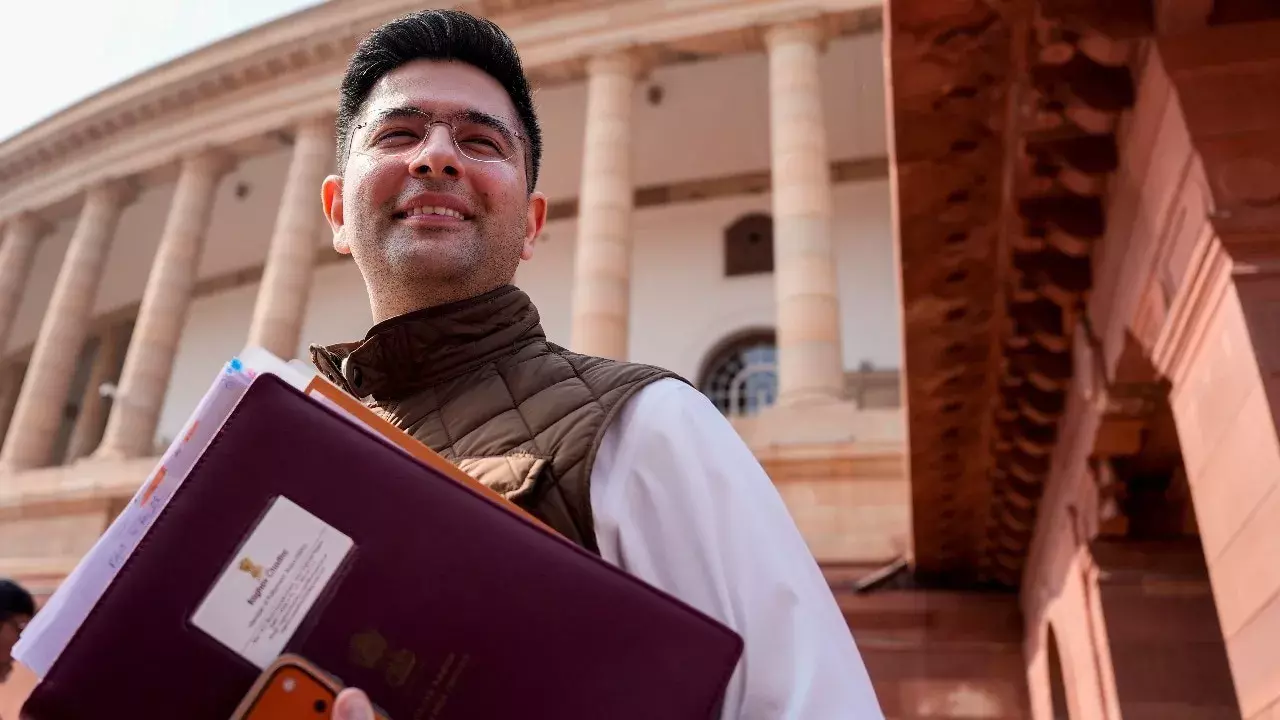
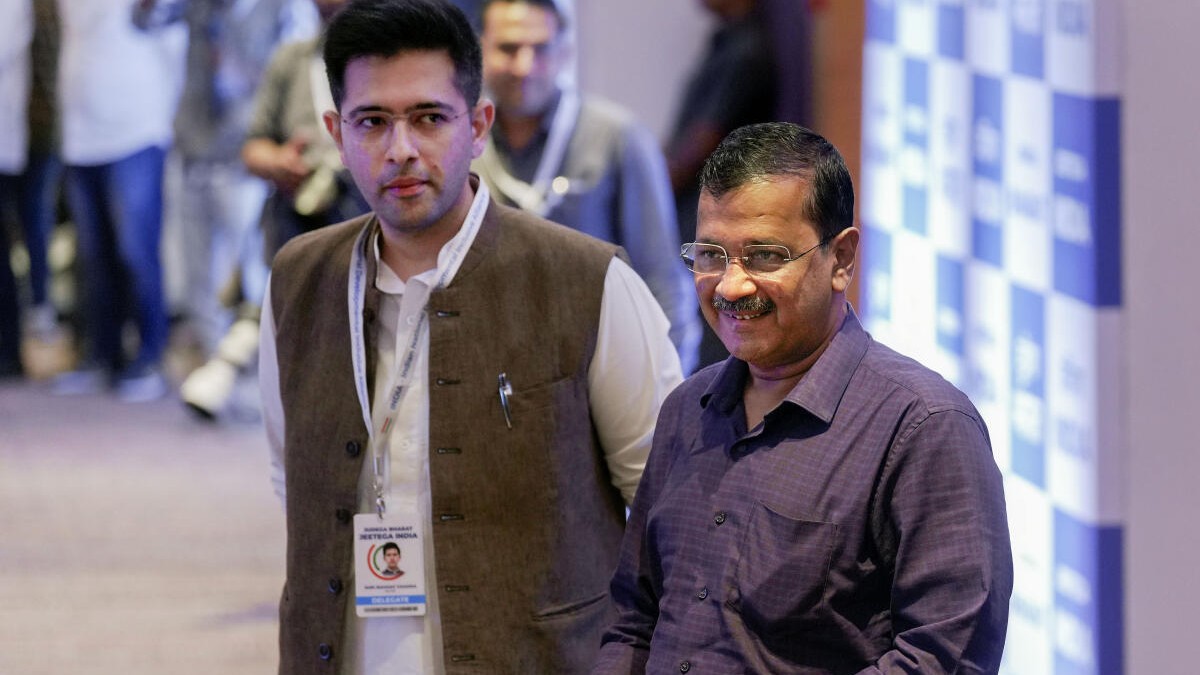
For years, Raghav Chadha was more than just another AAP leader. He represented a certain promise—young, articulate, media-savvy, and emblematic of AAP’s appeal beyond Delhi. Groomed under the leadership of Arvind Kejriwal, Chadha was often seen as part of the party’s future leadership pipeline.
Yet, recent developments suggest that this relationship has frayed significantly. Reports indicate that tensions began brewing over Chadha’s perceived assertion of autonomy—something that did not sit well with a party known for its tightly controlled command structure. Within AAP, loyalty has often been prized above individuality, and Chadha’s increasing independent positioning appears to have triggered discomfort among the leadership.
The friction escalated into a full-blown confrontation, with party insiders allegedly labeling Chadha as “ghatak”—a term implying betrayal or internal sabotage. Such language is not merely rhetorical; it signals a deep erosion of trust.
The Punjab Factor: A Battle for Influence
A crucial dimension of this rift lies in Punjab, where AAP achieved a landmark victory in 2022. Chadha played a pivotal role in the campaign, acting as a bridge between Delhi leadership and Punjab’s political machinery. However, success often breeds competition, and Punjab soon became a theater of internal power struggles.
Differences reportedly emerged between Chadha and key Punjab leaders, as well as central leadership figures. Questions around decision-making authority, candidate selection, and governance priorities contributed to the widening divide. Chadha’s influence in Punjab, once seen as an asset, increasingly appeared to be viewed as a liability by some within the party.
The conflict was not just about governance—it was about control. In a party where centralized authority has historically been the norm, Chadha’s expanding role may have been interpreted as overreach.
The Optics of Exclusion
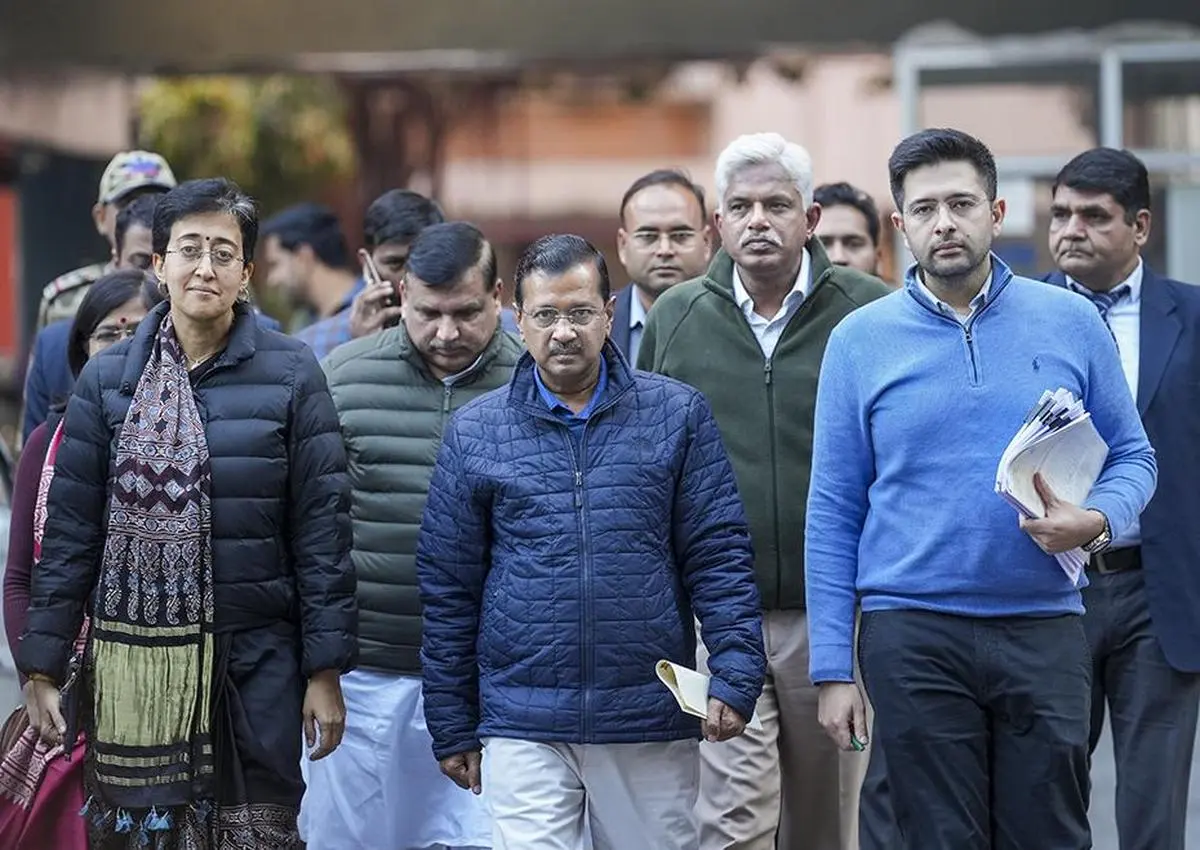
One of the most telling aspects of this episode has been Chadha’s apparent marginalization. Once a prominent face of AAP’s national ambitions, he has found himself increasingly sidelined from key party activities and decision-making forums.
The symbolism here matters. Political exclusion is rarely accidental; it is often a deliberate signal. By limiting Chadha’s visibility and influence, AAP leadership appears to be reasserting its authority and sending a message to others who might contemplate stepping beyond prescribed boundaries.
This dynamic reflects a broader tension within AAP: the balance between collective leadership and centralized control. While the party emerged as an anti-establishment force advocating transparency and internal democracy, its evolution into a governing entity has necessitated tighter discipline—sometimes at the cost of internal dissent.
Chadha’s Response: Silence, Signals, and Strategy
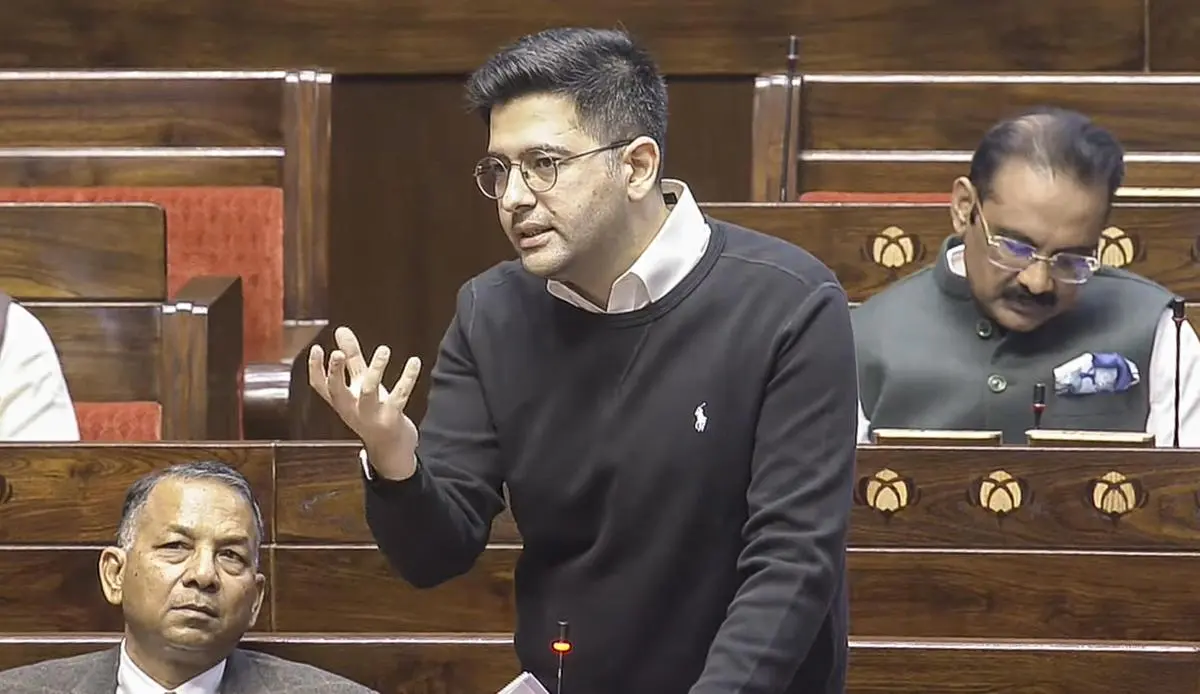
Interestingly, Chadha has not responded with open rebellion. Instead, his approach has been measured, almost strategic. In a recent public message, he emphasized that he would “let his work talk,” signaling both restraint and quiet defiance.
This choice of words is significant. It suggests that Chadha is not ready to burn bridges, but neither is he willing to retreat entirely. By focusing on governance and public service, he is attempting to maintain credibility while avoiding direct confrontation.
Such a strategy may be aimed at preserving his long-term political capital. In Indian politics, today’s adversaries often become tomorrow’s allies, and Chadha appears acutely aware of this fluidity.

What the Rift Reveals About AAP
Beyond individual personalities, this episode raises fundamental questions about AAP’s identity.
Is AAP still the disruptive, grassroots-driven movement it once claimed to be, or has it become a conventional political party with centralized authority and limited tolerance for dissent?
The handling of Chadha’s situation suggests the latter. The party’s response reflects a preference for discipline over debate, cohesion over contestation. While this may enhance short-term stability, it risks alienating leaders who bring diversity of thought and innovation.
Moreover, the episode underscores the challenges of managing a rapidly expanding political organization. As AAP grows beyond Delhi into states like Punjab and aspires for national relevance, internal coordination becomes more complex. Leadership structures that worked in a smaller, more cohesive setup may struggle under the weight of expansion.
A Generational and Structural Conflict
There is also a generational dimension to this conflict. Chadha represents a younger cohort of leaders who are more media-savvy, policy-oriented, and perhaps more inclined toward individual visibility. In contrast, the party’s core leadership, shaped by its activist origins, may prioritize collective identity and centralized decision-making.
This clash is not unique to AAP. Many political parties grapple with the tension between established leadership and emerging voices. However, in AAP’s case, the stakes are higher because the party’s brand is built on being different from traditional political outfits.
If AAP begins to mirror the hierarchical and opaque structures it once criticized, it risks losing its distinctive appeal.
The Broader Political Context
The Chadha-AAP rift also unfolds against a larger political backdrop. As national politics becomes increasingly polarized, regional and emerging parties face pressure to consolidate internally while expanding externally.
For AAP, which has positioned itself as a national alternative, internal unity is crucial. Any perception of discord can undermine its credibility and electoral prospects.
At the same time, suppressing internal dissent can lead to stagnation. Political vitality often depends on the ability to accommodate diverse perspectives and adapt to changing realities.
Crossroads: Reconciliation or Rupture?
Both AAP and Raghav Chadha now stand at a crossroads.
For AAP, the choice is between reinforcing centralized control or embracing a more inclusive leadership model. The former may ensure short-term cohesion but could stifle innovation and alienate key leaders. The latter, while potentially messy, could strengthen the party’s long-term resilience.
For Chadha, the path forward is equally complex. He must decide whether to reconcile with the party leadership, assert greater independence, or explore alternative political avenues. Each option carries risks and opportunities.
The Stakes for Indian Politics
This episode is not just an internal party matter; it has broader implications for Indian politics. AAP’s evolution has been closely watched as a test case for whether a new kind of political formation can sustain itself in a system dominated by entrenched parties.
The handling of internal conflicts like this one will shape perceptions of AAP’s viability as a national force. If the party can navigate this crisis constructively, it may emerge stronger and more mature. If not, it risks reinforcing the very patterns it once sought to disrupt.
A Moment of Truth
The rift between Raghav Chadha and AAP is more than a personal fallout—it is a moment of truth for a party at a critical juncture. It encapsulates the tensions between idealism and pragmatism, individuality and discipline, growth and coherence.
In the end, the outcome will depend on whether both sides can move beyond ego and recognize the larger stakes. Politics, after all, is not just about power; it is about purpose. And for AAP, the challenge is to ensure that in its pursuit of power, it does not lose sight of the purpose that brought it into existence.
As Chadha chooses to let his work speak and AAP recalibrates its internal dynamics, one thing is clear: this is not the end of the story. It is, perhaps, the beginning of a new chapter—one that will define the future of both the leader and the party.
With inputs from agencies
Image Source: Multiple agencies
© Copyright 2025. All Rights Reserved. Powered by Vygr Media.