 By
By 
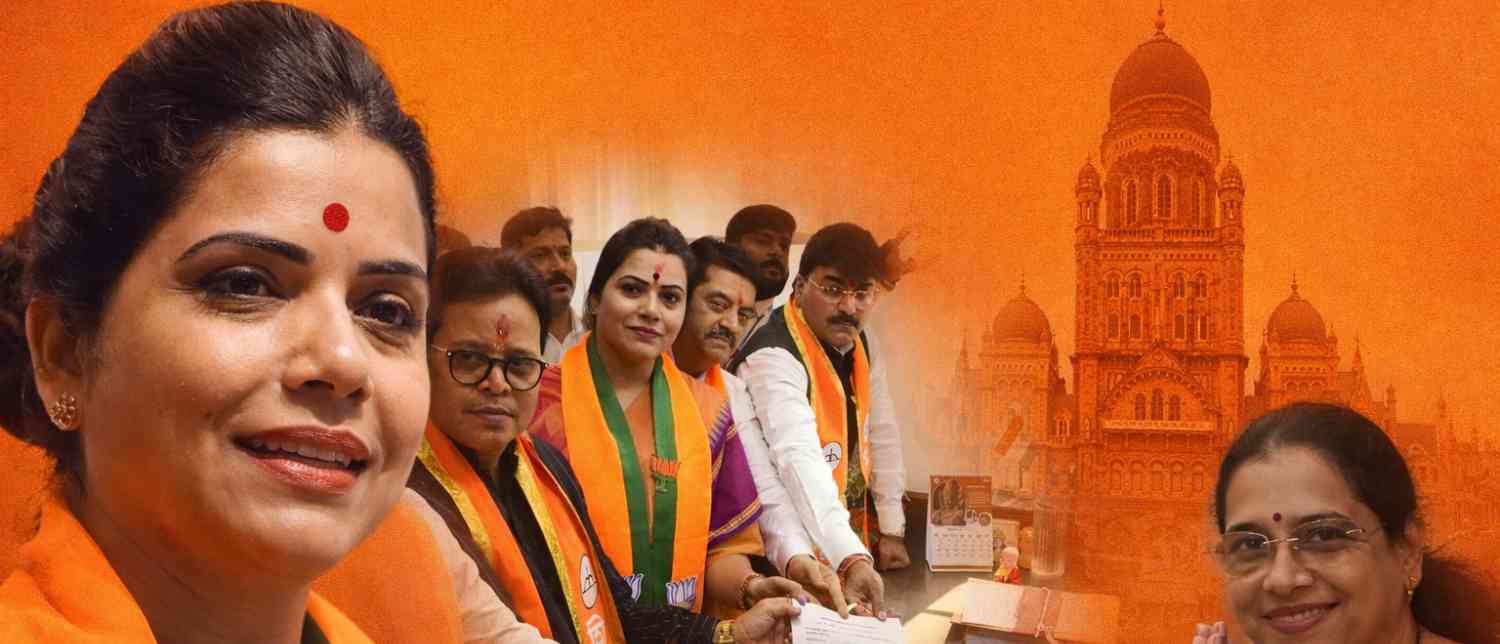
In a significant political shift in Mumbai’s civic landscape, BJP corporator Ritu Tawde has been elected unopposed as the Mayor of the Brihanmumbai Municipal Corporation (BMC), marking the party’s return to the city’s top municipal post after more than four decades. Her elevation ends the Shiv Sena’s 25-year dominance over India’s richest civic body and signals a recalibration of power within Mumbai’s municipal politics.
Tawde’s election is not merely a procedural development—it represents a symbolic and strategic milestone for the BJP-led Mahayuti alliance in Maharashtra.
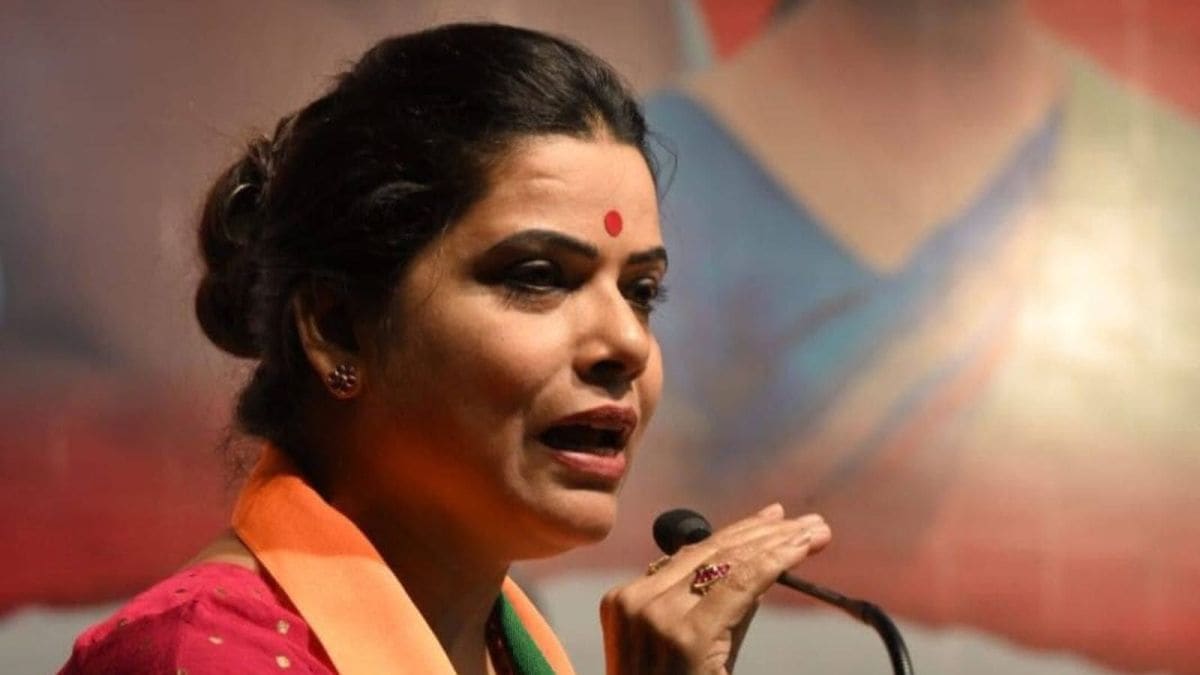
A Historic Return for BJP in Mumbai’s Civic Politics
Ritu Tawde becomes Mumbai’s 78th Mayor and only the second BJP leader to hold the post in the city’s history. The BJP last occupied the mayor’s chair in 1982–83. With her appointment, the party reclaims the position after a gap of 44 years.
Her victory came unopposed after the Uddhav Thackeray-led Shiv Sena (UBT) decided not to field a candidate, effectively removing the possibility of a contest. The uncontested win transformed the mayoral election into a political statement rather than a numerical battle on the floor of the House.
The move also marks the end of the Thackeray family’s 25-year grip over the BMC’s top office. Since 1997, the Shiv Sena had dominated the symbolic leadership of the municipal corporation, even as political equations at the state level evolved repeatedly.
Who Is Ritu Tawde?
Ritu Tawde, 53, is a seasoned grassroots politician with extensive experience in civic administration. A resident representative from Ghatkopar—identified in different reports as Ghatkopar West and Ghatkopar East—she has built her political career at the ward level before rising to prominence in Mumbai’s municipal governance.
She represents Ward 132 and is a two-time corporator from Ghatkopar East, a politically significant suburban constituency in Mumbai’s municipal landscape. Some accounts describe her as a three-term corporator, underscoring her long-standing presence in the BMC.
Tawde brings over a decade of hands-on experience in public welfare, civic administration, and urban governance. Senior BJP leaders describe her as a leader known for her accessibility, community engagement, and administrative competence. Her political style combines grassroots outreach with institutional familiarity—qualities that helped her steadily consolidate her position within the party.
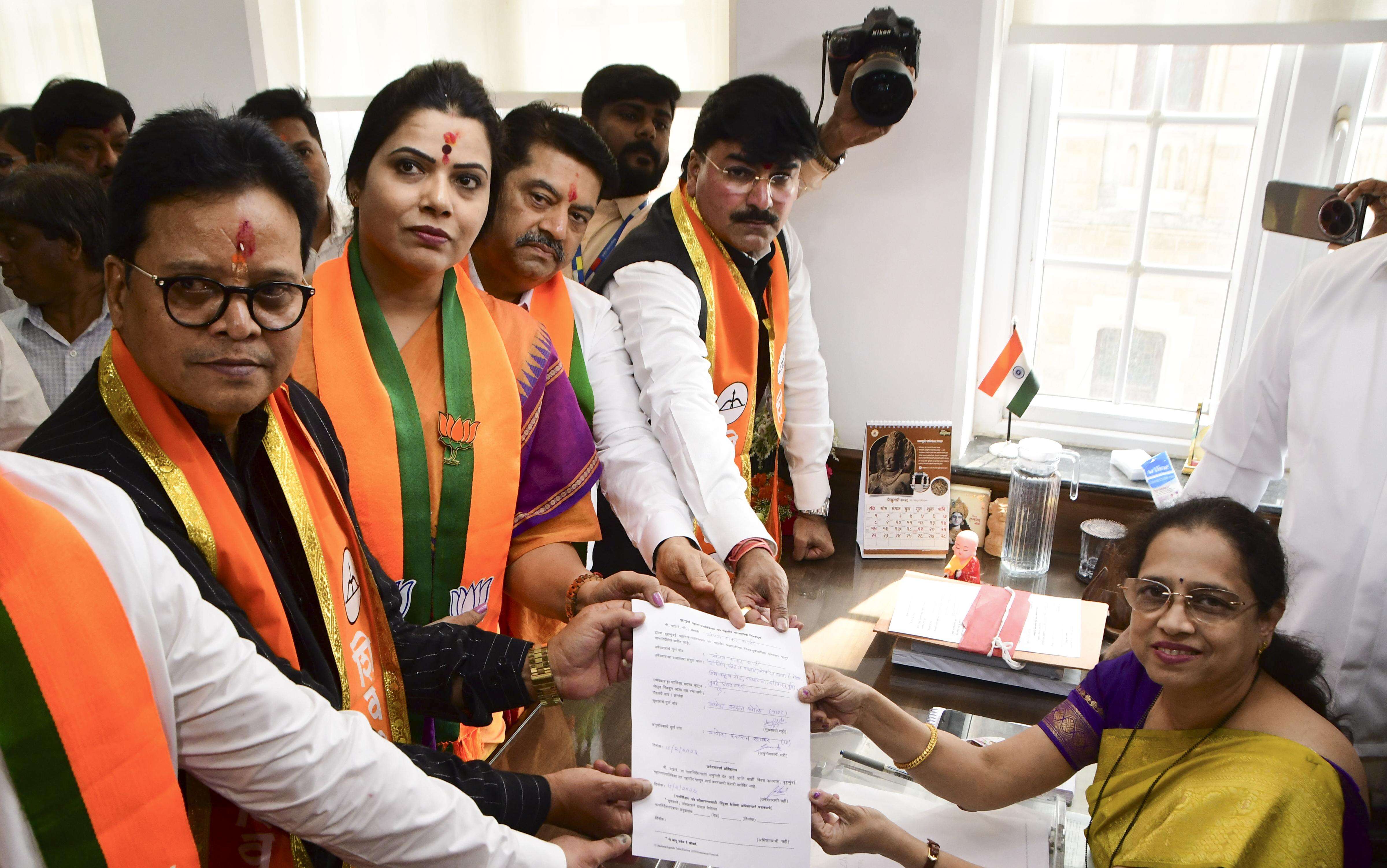
Leadership Roles in the BMC
During her tenure in the BMC, Tawde has held several key positions, including:
-
Chairperson of the Education Committee
-
Vice Chairperson of the Improvements Committee
-
Member of various important civic bodies
Her work has spanned crucial policy areas such as education reform, urban infrastructure, public services, and municipal governance. These roles have given her insight into both policymaking and execution within one of the most complex municipal systems in India.
Organisational and Social Work
Beyond the municipal corporation, Tawde has been active in organisational politics within the BJP, particularly through the Mahila Morcha. She has served as:
-
Former State Vice President of BJP Mahila Morcha
-
District President for Mumbai’s Eastern Suburbs
She has also worked with the Mahila Arthik Vikas Mahamandal as a director and has been associated with skill development and professional training initiatives linked to government frameworks, including those under the Khadi and Village Industries sector.
Her journey from ward-level politics to the mayoral office reflects a gradual but steady rise through organisational and civic responsibilities.
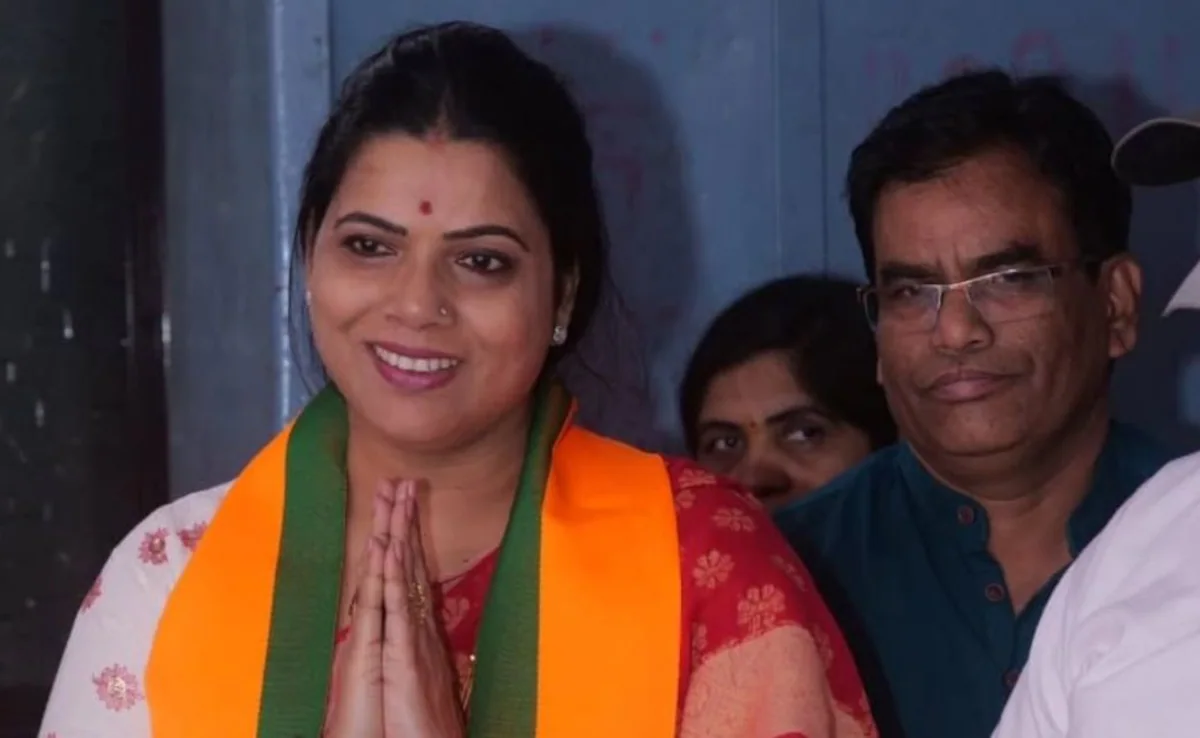
Deputy Mayor and Alliance Power-Sharing
Under a rotational power-sharing arrangement within the Mahayuti alliance, Shiv Sena leader Sanjay Ghadi—aligned with Chief Minister Eknath Shinde—was elected Deputy Mayor. Ghadi represents Ward 5 and secured his position unopposed alongside Tawde.
This arrangement underscores the internal distribution of power within the alliance, which includes the BJP and the Shinde-led Shiv Sena faction. The pairing reflects how civic leadership roles are being structured amid broader political realignments in Maharashtra.
Ceremony at BMC Headquarters
Ritu Tawde formally assumed office during a special meeting at the BMC headquarters amid sloganeering by corporators. The proceedings were overseen by BMC Commissioner Bhushan Gagrani, who has been managing the civic body since March 2022 due to the absence of an elected general body.
The ceremony carried considerable political weight. Maharashtra Chief Minister Devendra Fadnavis and Deputy Chief Minister Eknath Shinde attended the event and congratulated the newly elected Mayor and Deputy Mayor, underscoring the importance the state leadership attached to the transition.
Their presence framed the occasion as more than a routine municipal event—it became a consolidation moment for the ruling Mahayuti alliance.
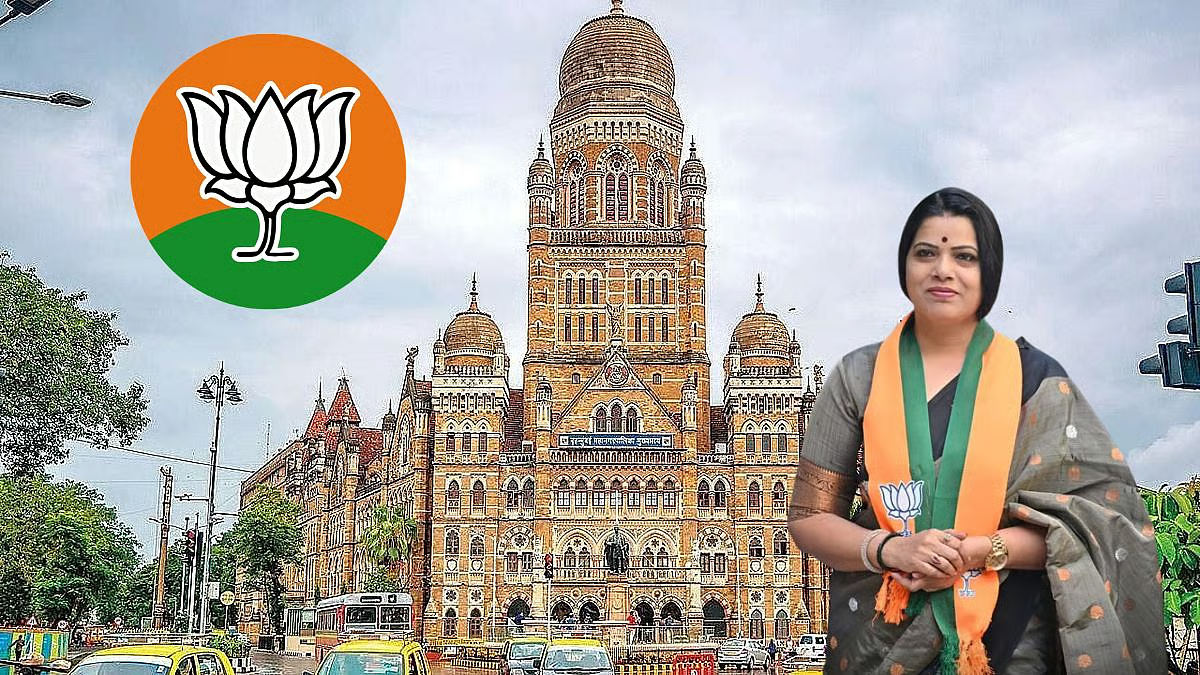
BMC Election Results: How the Numbers Stacked Up
The mayoral shift must be viewed in the context of the recent BMC elections for the 227-member civic body.
Here is how the results unfolded:
-
BJP: 89 seats (single largest party)
-
Shiv Sena (Shinde faction): 29 seats
-
Combined Mahayuti tally: 118 corporators (clear majority)
-
Shiv Sena (UBT): 65 seats
-
Maharashtra Navnirman Sena (MNS): 6 seats
-
Nationalist Congress Party (Sharad Pawar faction): 1 seat
With 118 corporators, the BJP-led Mahayuti alliance comfortably crossed the majority mark, paving the way for control over key civic positions.
“BJP Forced to Choose a Marathi Mayor”: Sanjay Raut’s Claim
The political developments also triggered sharp reactions from the opposition.
Shiv Sena (UBT) leader Sanjay Raut claimed that the BJP was compelled to choose a Marathi mayor due to overwhelming support from Marathi voters for Shiv Sena (UBT) and the Maharashtra Navnirman Sena in the civic polls.
Raut further alleged that Tawde originally belonged to the Congress before joining the BJP. He argued that the BJP’s decision reflected the electoral sentiment among Marathi-speaking voters in Mumbai.
“The way Marathi people overwhelmingly voted for Shiv Sena (UBT) and MNS, the BJP had to make a Marathi mayor in Mumbai,” Raut stated.
The comments highlight the ongoing contest over Marathi identity and regional political narratives in Mumbai’s civic politics.
BMC: India’s Richest Civic Body
The Brihanmumbai Municipal Corporation is widely regarded as India’s richest civic body. Its budget for the financial year 2025–26 is pegged at a staggering ₹74,450 crore.
The BMC oversees critical urban functions, including:
-
Roads and infrastructure
-
Public health systems
-
Water supply and sanitation
-
Major capital projects
-
Education and civic amenities
Despite its scale and financial power, the BMC continues to function under an administrator, as elections to the general body have not yet resulted in a fully operational elected municipal structure.
This administrative arrangement has sparked debates over democratic accountability in Mumbai’s governance. Nevertheless, the mayoral office retains immense political significance.
Political Significance of the Mayoral Office
Although the Mayor does not directly control the BMC’s administrative machinery—which remains under the municipal commissioner—the role carries considerable symbolic and strategic weight.
The mayor serves as:
-
The political face of the civic body
-
A platform for citywide messaging
-
A visible representative of civic leadership
In Mumbai, municipal politics often influence broader state-level narratives. Tawde’s unopposed election strengthens the BJP’s claim to civic leadership in the city and provides the party with a symbolic anchor within the BMC.
The Shiv Sena (UBT)’s decision not to contest the mayoral election is also politically significant. It signals a tactical retreat at a moment when the Mahayuti alliance holds numerical advantage.
A Milestone for Women in Civic Leadership
With her appointment, Ritu Tawde becomes Mumbai’s eighth woman mayor. Her elevation adds to the growing representation of women in urban governance in Maharashtra.
Her long-standing involvement in women-centric initiatives, particularly through the Mahila Morcha and the Mahila Arthik Vikas Mahamandal, positions her as a leader with both organisational and social development credentials.
What Lies Ahead for Mumbai’s Civic Politics?
Ritu Tawde’s mayoralty comes at a time of shifting political alignments in Maharashtra. The BJP’s return to the mayor’s post after 44 years marks a turning point in Mumbai’s civic history.
While the BMC remains under administrative control, the political symbolism of the mayoral office remains powerful. For the BJP-led Mahayuti alliance, this victory represents consolidation and momentum. For the Shiv Sena (UBT), it marks the end of a 25-year chapter in municipal dominance.
In a city where infrastructure, identity politics, and governance intersect sharply, Tawde’s leadership will likely shape both civic debates and broader political narratives in the months ahead.
Her journey—from ward-level representative to Mayor of India’s richest municipal corporation—reflects not only personal political growth but also the evolving contours of Mumbai’s power structure.
As Mumbai enters this new civic chapter, all eyes will remain on how the Mahayuti alliance translates symbolic control into governance outcomes in a city that never stands still.
With inputs from agencies
Image Source: Multiple agencies
© Copyright 2025. All Rights Reserved. Powered by Vygr Media.