 By
By 
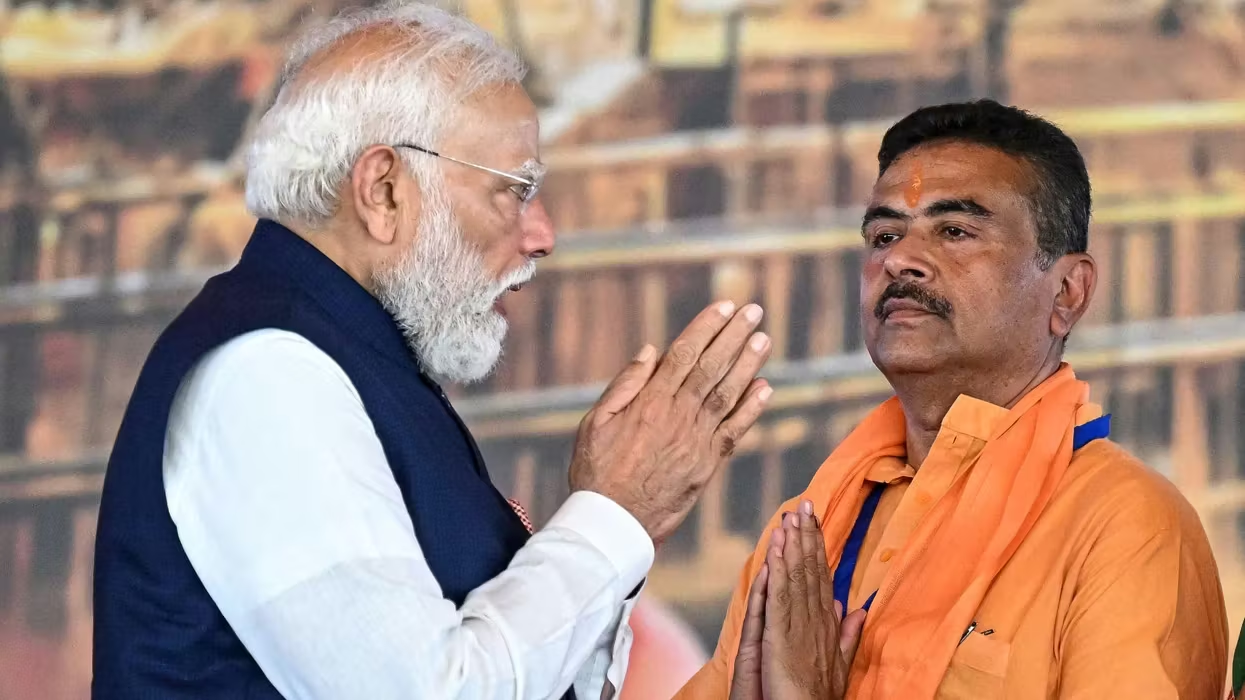
A major political transition is unfolding in West Bengal as Suvendu Adhikari officially steps into the role of Chief Minister, signaling the beginning of a new administrative and political era in the state. Within days of assuming office, Adhikari has moved swiftly on governance, bureaucracy, and political messaging, while the opposition camp led by Mamata Banerjee faces internal tensions and public scrutiny.
From his first major meeting with senior police officials to the appointment of a key retired bureaucrat as advisor, Adhikari’s early actions suggest an attempt to establish administrative control and project a governance-first image. At the same time, developments within the All India Trinamool Congress (TMC) have added another layer of political drama to Bengal’s changing landscape.
Suvendu Adhikari to Hold First Administrative Meeting With Police Officials
In one of his first major administrative initiatives as Chief Minister, Suvendu Adhikari is scheduled to hold a high-level meeting with senior police officials on May 11. The meeting will reportedly take place at the state secretariat and is expected to focus heavily on law and order, policing strategy, administrative coordination, and district-level governance.
According to reports, top police officers from across the state, including senior IPS officials and district police chiefs, are likely to attend the meeting. The gathering is being viewed as Adhikari’s first major attempt to directly engage with the state’s law enforcement machinery after taking office.
The move is politically significant because policing and administrative control have long remained central themes in Bengal politics. Observers believe the meeting could provide early indications of the new government’s priorities, particularly in relation to crime control, political violence, and administrative accountability.
The meeting also comes at a time when Bengal’s political atmosphere remains highly charged following the change in leadership. Sources suggest that discussions may include district preparedness, intelligence coordination, public grievance redressal, and streamlining communication between the state government and police administration.
Retired IAS Officer Appointed as Advisor to New CM
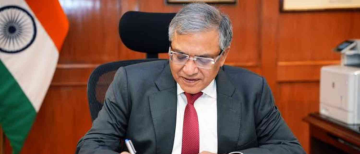
In another important administrative decision, Suvendu Adhikari has chosen retired IAS officer Manish Jain as his advisor. Jain is known for overseeing the Special Intensive Revision (SIR) process in the state, a politically sensitive and administratively complex exercise.
The appointment is being interpreted as a signal that the new Chief Minister intends to rely on experienced bureaucratic expertise during the initial phase of his administration. Jain, who served in several important positions during his bureaucratic career, is believed to possess deep knowledge of Bengal’s governance structure and electoral administration.
Political analysts say the selection of a retired officer associated with the SIR exercise could carry symbolic significance as well. The revision process had attracted considerable attention in political circles, and Jain’s role during that period earned him visibility within administrative and governance frameworks.
Sources indicate that the advisor’s responsibilities may include assisting the Chief Minister on policy implementation, administrative reforms, coordination between departments, and governance-related strategy. The appointment also reflects Adhikari’s preference for a structured bureaucratic support system as he begins managing the state administration.
The new CM’s decision to bring in an experienced administrator early in his tenure is being viewed as an effort to balance political leadership with institutional governance.
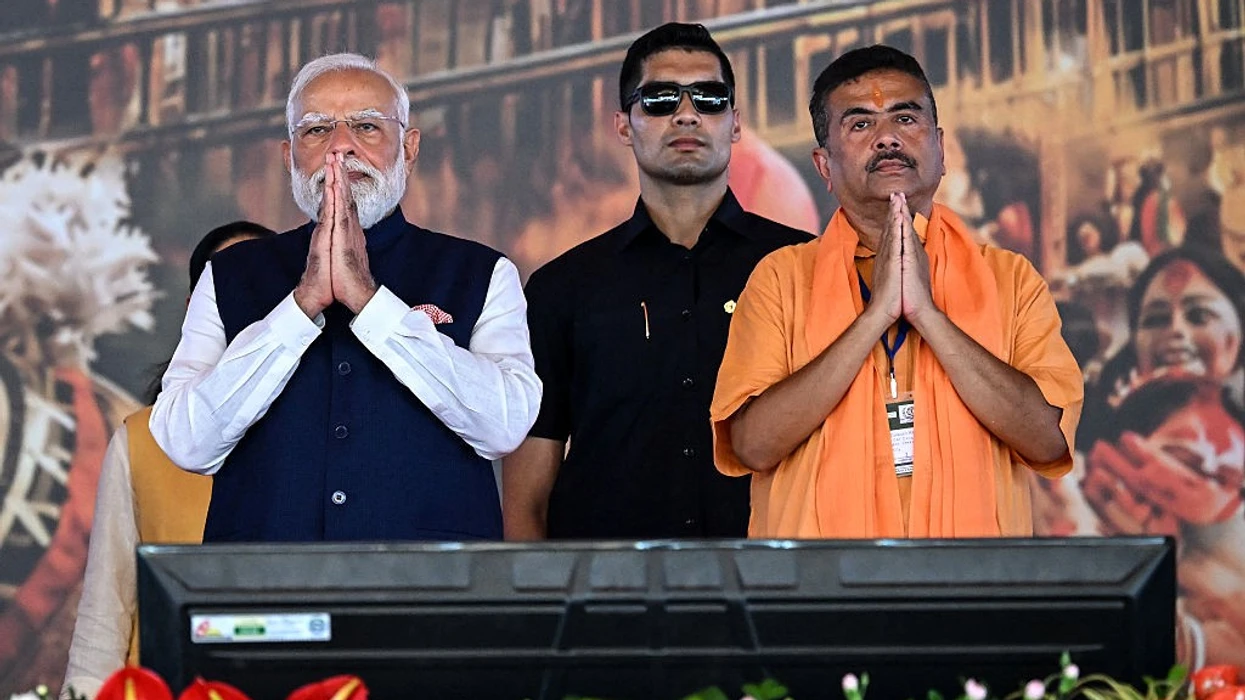
Salary and Benefits of the New Chief Minister
With Suvendu Adhikari taking charge as Chief Minister, public curiosity has also grown regarding the salary and official benefits attached to the office.
As the serving Chief Minister of West Bengal, Adhikari will receive the salary, allowances, and official facilities designated for the post under state government norms. These include monthly salary components, government accommodation, security arrangements, official staff support, and transport facilities.
Meanwhile, former Chief Minister Mamata Banerjee is expected to receive benefits applicable to an ex-Chief Minister. Reports indicate that while the exact amount may vary depending on entitlements and applicable rules, former CMs are generally provided pension-related benefits, security cover, and other state-approved facilities.
The discussion surrounding salaries and official benefits has gained traction online due to the high-profile nature of Bengal’s political transition. Social media conversations have compared the financial and administrative privileges associated with the offices of the current and former Chief Ministers.
However, beyond monetary aspects, the transition marks a symbolic political shift in one of India’s most politically influential states. Adhikari’s elevation to the top post reflects a dramatic transformation in Bengal’s power structure, particularly given his political journey from being a senior TMC leader to becoming one of Mamata Banerjee’s strongest rivals.
TMC Faces Internal Turmoil Over Apology to Suvendu Adhikari
Even as the new administration begins taking shape, the Trinamool Congress has found itself battling internal controversy.
TMC spokesperson Riju Dutta was suspended by the party after publicly apologising to Suvendu Adhikari for what he described as “six years” of criticism and political attacks. The development triggered intense debate within Bengal’s political circles and quickly became a major talking point on social media.
Following the suspension, Dutta stated that he faced action “because I spoke the truth.” His remarks further intensified speculation about internal discomfort within the party amid Bengal’s changing political equations.
The controversy began after Dutta made comments expressing regret over his past stance toward Adhikari. The statement was viewed by the TMC leadership as crossing the party line, ultimately leading to disciplinary action.
The incident has exposed visible cracks within sections of the opposition camp after Adhikari’s rise to the Chief Minister’s office. Political observers believe the episode reflects broader anxieties within the TMC as it recalibrates its strategy in the post-Mamata government phase.
For the BJP and Adhikari supporters, the suspension has been projected as evidence of political intolerance within the opposition party. TMC leaders, however, maintain that party discipline and ideological consistency remain non-negotiable.
The controversy has also reignited discussions around Adhikari’s political trajectory. Once considered one of Mamata Banerjee’s closest associates and a powerful organiser within the TMC, Adhikari’s eventual fallout with the party dramatically reshaped Bengal politics over the past several years.
A High-Stakes Political Transition for Bengal
Suvendu Adhikari’s initial days as Chief Minister are unfolding against the backdrop of heightened political expectations, administrative restructuring, and ideological battles.
His decision to prioritise meetings with police officials and appoint a senior retired bureaucrat indicates a governance-oriented approach aimed at projecting administrative stability. At the same time, ongoing developments within the opposition suggest that Bengal’s political contest remains deeply intense even after the leadership transition.
The coming weeks are expected to be crucial for the new government as it attempts to establish authority, define policy priorities, and manage political narratives. Questions surrounding law and order, governance reforms, bureaucratic reshuffles, and centre-state relations are likely to dominate public discourse.
For Bengal, the transition represents more than a routine change in leadership. It marks the beginning of a potentially transformative political phase that could redefine the state’s administrative direction and electoral landscape for years to come.
As Suvendu Adhikari settles into the Chief Minister’s office, both supporters and critics will be closely watching whether his administration can convert political momentum into governance delivery while navigating the complexities of one of India’s most politically sensitive states.
With inputs from agencies
Image Source: Multiple agencies
© Copyright 2026. All Rights Reserved. Powered by Vygr Media.