 By
By 
New Delhi: In a significant legislative move aimed at restoring public confidence in India's examination system, the Lok Sabha on Wednesday passed the Public Examinations (Prevention of Unfair Means) (Amendment) Bill, 2026 by voice vote after a stormy and politically charged debate. The legislation seeks to strengthen the existing anti-paper leak law by introducing harsher punishments, faster investigation mechanisms and stronger provisions to dismantle organised examination fraud networks.
The passage of the Bill comes against the backdrop of mounting public outrage over recurring paper leaks in competitive examinations, including recruitment tests and entrance exams, which have affected millions of aspirants across the country. The issue has dominated national discourse over the past two years, with repeated allegations of organised cheating syndicates, compromised examination processes and inadequate accountability.
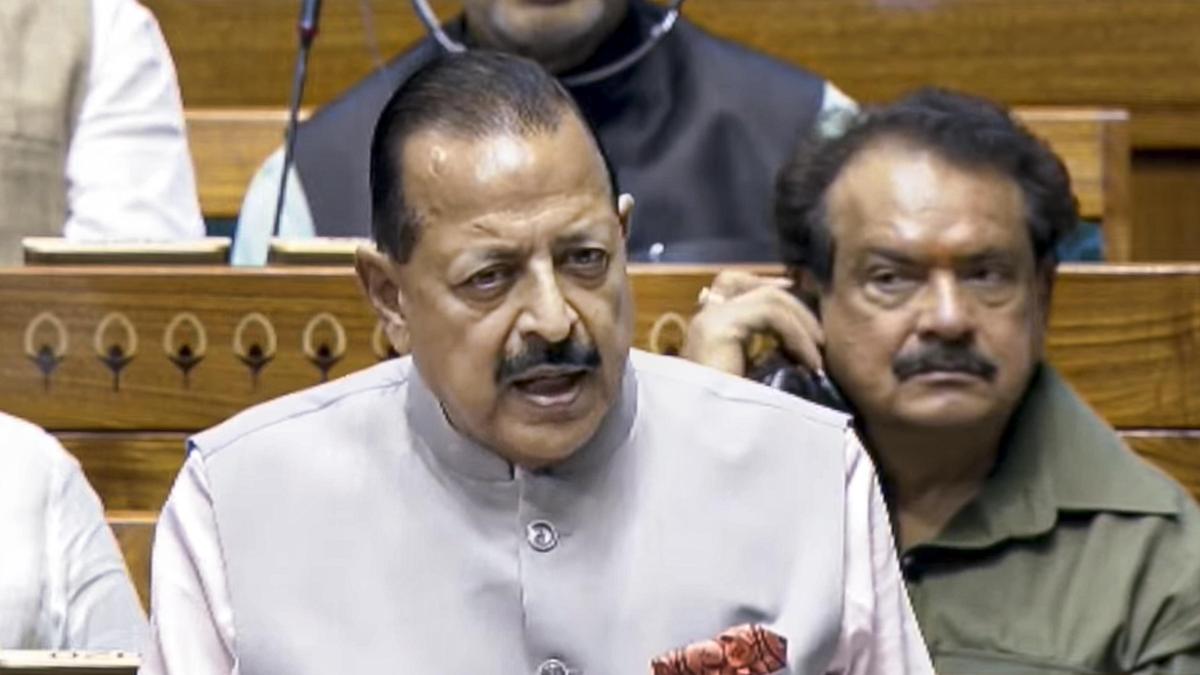
A Stormy Session in Parliament
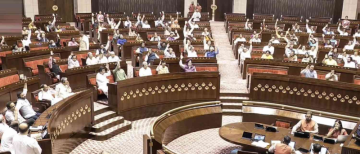
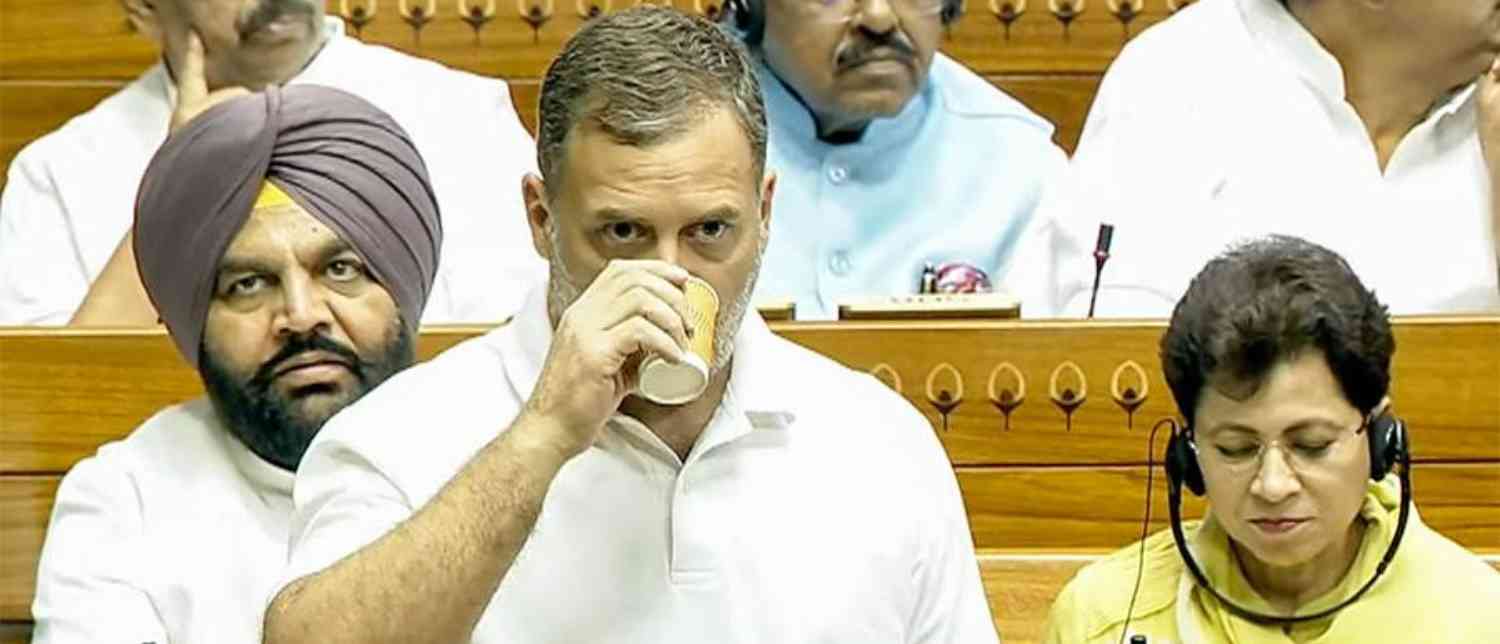
Proceedings in the Lok Sabha witnessed repeated disruptions as the Opposition and the treasury benches traded sharp accusations over the government's handling of examination scandals. The debate was also overshadowed by a political row triggered by Congress leader Rahul Gandhi's remarks concerning recent student protests, leading to sloganeering and multiple interruptions before the House eventually cleared the Bill through a voice vote.
Despite the political acrimony, lawmakers across party lines acknowledged that examination paper leaks have become a serious challenge affecting the futures of millions of students. However, they differed sharply on whether stricter criminal penalties alone would be sufficient to address systemic failures.
Government Defends Tougher Law
Replying to the debate, Union Minister Jitendra Singh asserted that the government was committed to protecting honest candidates and ensuring the credibility of India's public examination system. He argued that the amendment would significantly strengthen the legal framework by targeting organised criminal networks responsible for paper leaks and examination fraud.
According to the government, the amendments are intended to create a stronger deterrent by increasing punishments for offenders while enabling faster investigations and trials. The legislation is designed to plug loopholes that surfaced after the implementation of the 2024 anti-paper leak law and to ensure that those orchestrating large-scale examination fraud face stringent legal consequences.
The government maintained that the revised law reflects lessons learned from recent examination controversies and demonstrates its commitment to safeguarding merit-based recruitment and admissions.
What the Amendment Bill Seeks to Change
The 2026 amendment substantially strengthens the framework established under the Public Examinations (Prevention of Unfair Means) Act, 2024.
Among its key objectives are:
-
Imposing stricter penalties on individuals and organised groups involved in leaking question papers.
-
Strengthening legal provisions against organised examination fraud syndicates.
-
Providing enhanced safeguards for conducting public examinations securely.
-
Accelerating investigation and trial processes in examination-related offences.
-
Reinforcing transparency and integrity across recruitment and entrance examinations.
The government argues that tougher enforcement is necessary because paper leaks have increasingly become the work of sophisticated criminal networks rather than isolated incidents.
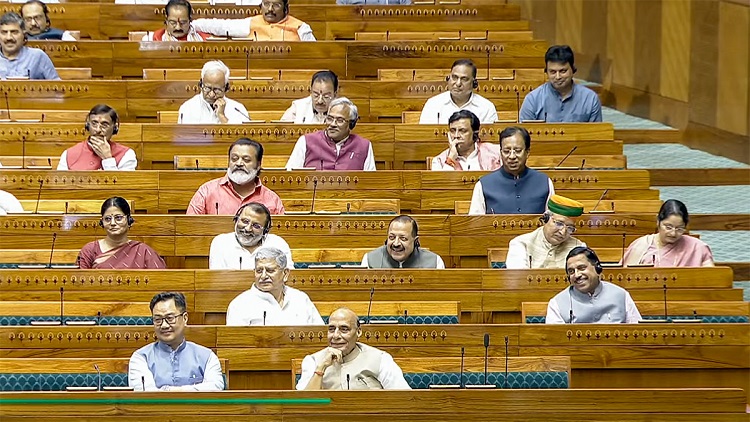
Opposition Questions Government's Track Record
While broadly supporting stronger action against paper leaks, Opposition members accused the government of reacting too late to a crisis that has repeatedly disrupted examinations across the country.
Several MPs argued that legislation alone cannot resolve the issue unless accompanied by administrative reforms, greater accountability of examination agencies and improved technological safeguards. They questioned why major paper leak incidents continued to occur despite the enactment of the original 2024 legislation.
During the debate, Opposition leaders also criticised the government's handling of previous examination controversies, alleging that students had borne the consequences of repeated institutional failures.
The exchanges became particularly heated as both sides traded accusations over responsibility for the recurring examination scandals, turning what began as a legislative discussion into a broader political confrontation.
A Response to Growing Public Anger
The amendment comes amid widespread concern over the integrity of competitive examinations in India. In recent years, multiple recruitment and entrance tests have faced allegations of paper leaks, cheating rackets and procedural lapses, forcing cancellations, re-examinations and lengthy investigations.
Such incidents have not only delayed recruitment and admissions but have also intensified anxiety among students who spend years preparing for highly competitive examinations.
The government has consistently maintained that organised criminal groups exploit vulnerabilities in examination systems for financial gain, making stronger criminal provisions necessary to deter future offences.
Beyond Punishment: Calls for Structural Reform
While the amended legislation has been welcomed as a tougher legal response, education experts and policy observers have argued that criminal penalties alone cannot eliminate paper leaks.
Experts have pointed out that lasting reforms would require:
-
stronger digital security infrastructure;
-
better coordination among examination agencies;
-
stricter monitoring of confidential examination material;
-
improved accountability mechanisms; and
-
greater transparency in conducting recruitment and entrance examinations.
Many believe that unless these administrative and technological reforms accompany stricter laws, determined criminal networks may continue attempting to exploit systemic vulnerabilities.
Protecting the Aspirations of Millions
Every year, millions of candidates appear for government recruitment examinations and competitive entrance tests, making the integrity of these examinations a matter of national importance.
Repeated paper leaks have caused enormous uncertainty for students, many of whom invest years of preparation and substantial financial resources in pursuit of educational and employment opportunities. Delayed examinations, cancellations and re-tests have often translated into emotional stress, financial burdens and career uncertainty.
By strengthening the legal framework, the government says it hopes to reassure candidates that merit—not malpractice—will determine outcomes.
The Road Ahead
With the Lok Sabha approving the amendment, attention now shifts to its implementation and enforcement. Much will depend on how effectively investigative agencies utilise the enhanced legal provisions and whether examination authorities simultaneously adopt stronger preventive mechanisms.
The legislation marks one of the government's most significant attempts yet to restore credibility to India's examination ecosystem. However, as the parliamentary debate demonstrated, the larger conversation extends beyond criminal law to include institutional accountability, examination governance and systemic reform.
Whether the tougher law succeeds in ending the cycle of recurring paper leaks will ultimately depend not only on harsher punishments but also on the ability of authorities to modernise examination systems, strengthen oversight and rebuild the confidence of millions of students whose futures depend on fair and transparent public examinations.
With input from agencies
Image Source: Multiple agencies
© Copyright 2026. All Rights Reserved. Powered by Vygr Media.