
 By
By 
Patna: Political strategist-turned-politician Prashant Kishor has scripted the biggest electoral victory of his fledgling political career by wresting the prestigious Bankipur Assembly seat from the Bharatiya Janata Party (BJP), ending the party's three-decade dominance in one of Bihar's most politically symbolic constituencies. The result is being viewed as far more than a routine bypoll outcome—it has emerged as a defining moment that could reshape Bihar's political discourse ahead of future electoral battles.
Kishor, founder of the Jan Suraaj Party, defeated BJP candidate Neeraj Kumar Sinha by over 19,000 votes, marking not only his maiden electoral victory but also delivering a psychological blow to the BJP in a constituency long regarded as one of its safest urban bastions. The outcome has triggered intense political debate over whether the victory represents a local upset or the beginning of a broader political realignment in Bihar.
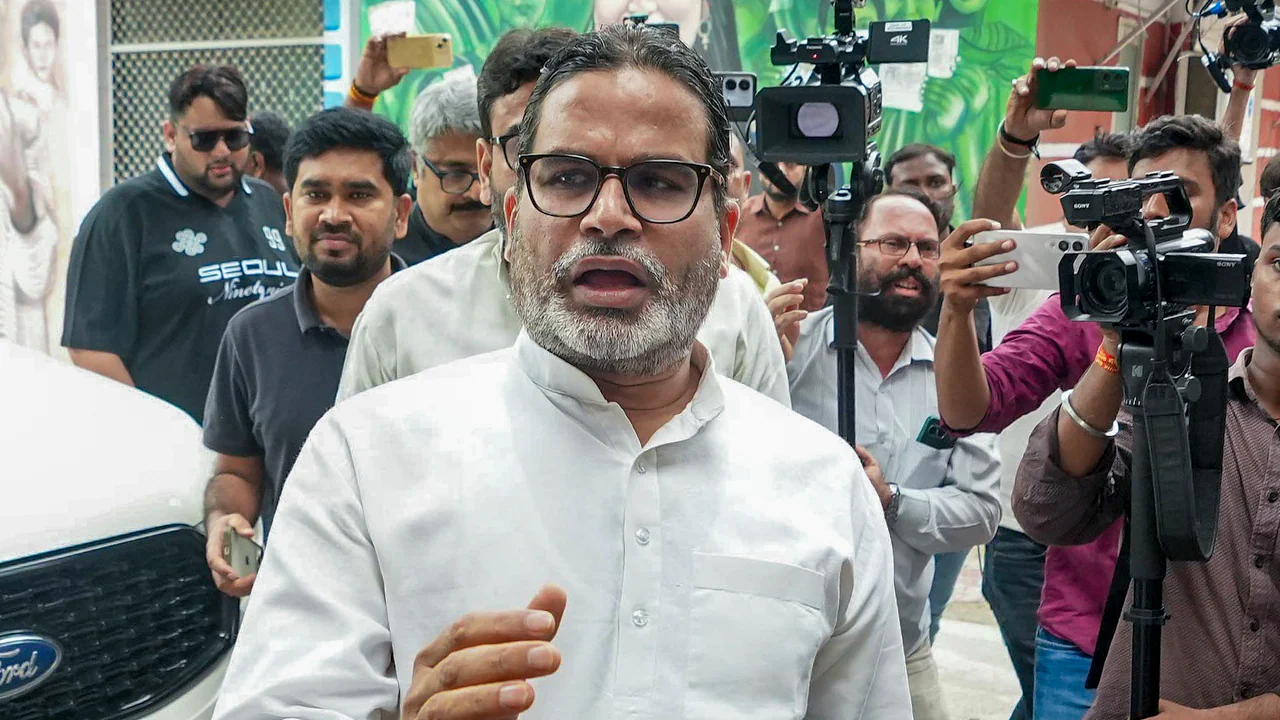
From Election Strategist to Electoral Winner
For over a decade, Prashant Kishor built a reputation as one of India's most influential election strategists, helping multiple political parties craft successful campaigns. Yet despite his behind-the-scenes successes, critics often questioned whether his political understanding could translate into votes for himself.
Bankipur was therefore more than just another constituency—it became a referendum on Kishor's ability to convert political messaging into electoral support.
His victory answers, at least for now, one of the biggest questions surrounding his political journey: can the man who helped others win elections become an electoral force in his own right?
The emphatic mandate suggests that a significant section of voters believes he can.
Why Bankipur Matters
Unlike many bypolls that remain local affairs, Bankipur attracted national attention because of its political symbolism.
The constituency has traditionally been one of the BJP's strongest urban seats in Bihar. Winning here required overcoming not just the organisational machinery of a national party but also decades of entrenched voter loyalty.
Adding to the contest's significance was the fact that the seat was vacated by BJP leader Nitin Nabin, making the by-election an indirect test of the ruling alliance's popularity in the state. Kishor himself described the election during the campaign as a "referendum" on the BJP-led government's performance in Bihar.
Jan Suraaj's Grassroots Gamble Pays Off
Since launching the Jan Suraaj movement, Kishor has repeatedly argued that Bihar's politics has remained trapped in a cycle dominated by the BJP-led NDA on one side and the RJD-led opposition on the other.
Rather than positioning Jan Suraaj as an extension of either camp, he has attempted to build an independent political platform centred on governance, education, employment and administrative reforms.
The Bankipur verdict appears to validate, at least partially, that strategy.
Political observers believe the result indicates that sections of urban voters were willing to experiment with an alternative outside Bihar's traditional political binaries. While one bypoll alone cannot establish a statewide trend, the outcome provides Jan Suraaj with its strongest political legitimacy since the party's formation.
BJP Begins Introspection
For the BJP, the defeat has prompted immediate organisational introspection.
State BJP leaders publicly accepted the verdict while announcing a detailed booth-level review to identify the reasons behind the unexpected loss. Reports suggest the party intends to analyse voting patterns across polling stations to understand whether anti-incumbency, local issues, candidate selection or vote transfers contributed to the outcome.
The introspection is significant because Bankipur had long been viewed as one of the BJP's safest constituencies in Bihar.
Losing such a seat naturally raises larger questions about voter behaviour in urban centres and whether dissatisfaction is emerging even in areas previously considered politically secure.
Speculation Over Vote Transfers
The bypoll result has also sparked political speculation regarding voting patterns.
Within the BJP, there has reportedly been discussion over whether sections of opposition voters may have strategically backed Kishor in an effort to defeat the BJP candidate. Such claims remain political assessments rather than established facts, and no conclusive evidence has emerged to support any coordinated vote transfer.
Nevertheless, the debate itself underlines how closely every aspect of the result is being scrutinised by Bihar's political parties.
For analysts, the bigger takeaway is that Kishor succeeded in attracting support beyond his party's traditional organisational strength, suggesting that his appeal may extend across conventional political boundaries.
No Alliances, Says Kishor
Following the victory, Prashant Kishor sought to dispel speculation that Jan Suraaj might now seek electoral understandings with established political parties.
He reiterated that his party would continue to fight independently and would not enter into alliances with either the BJP-led NDA or the RJD-led opposition.
The statement is consistent with Kishor's long-standing argument that Bihar requires a completely new political alternative rather than another coalition arrangement.
Maintaining this independent position could strengthen Jan Suraaj's identity but may also present significant organisational challenges in larger statewide elections, where alliances often determine electoral arithmetic.
A Victory With National Significance
Although confined to a single Assembly constituency, the Bankipur bypoll has generated nationwide political interest.
For years, Prashant Kishor occupied a unique position in Indian politics—someone who influenced elections without directly contesting them.
The Bankipur result changes that narrative.
Instead of being viewed solely as a strategist, Kishor now enters the legislature as an elected representative, adding political legitimacy to his public interventions and strengthening his position in Bihar's evolving political landscape.
National political observers are also watching closely because Bihar remains one of India's most politically influential states, and developments there often shape wider political narratives.
Challenges Ahead
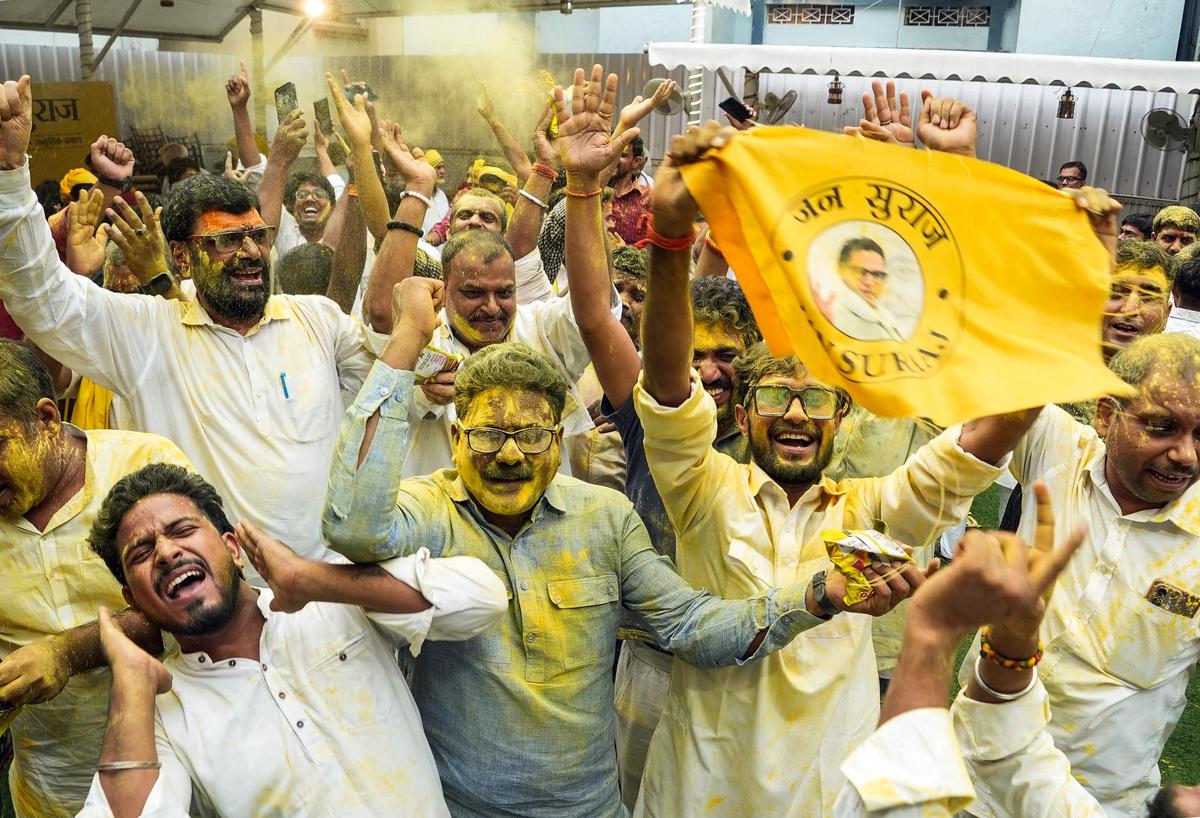
Despite the celebratory atmosphere within Jan Suraaj, the victory also raises expectations.
Winning a bypoll is one challenge; sustaining political momentum across an entire state is another.
Jan Suraaj must now expand its organisational network, convert public enthusiasm into long-term political support, and demonstrate legislative performance that matches its campaign promises.
The party will also need to broaden its appeal beyond urban constituencies if it hopes to emerge as a serious statewide challenger.
For Kishor personally, the victory removes one long-standing criticism—that he lacked an electoral mandate. However, it also eliminates the argument that he had never been tested directly by voters.
Future electoral performances will now become the true measure of whether Jan Suraaj represents a durable political movement or a successful bypoll campaign.
What the Result Means for Bihar
The Bankipur verdict carries different messages for each major political player.
For Jan Suraaj, it provides credibility and momentum.
For the BJP, it serves as a warning that even long-held strongholds cannot be taken for granted.
For the RJD and the broader opposition, it introduces a new competitor capable of attracting anti-incumbency votes, potentially reshaping opposition politics in Bihar.
Whether this becomes the beginning of a larger political shift will depend on how parties respond in the coming months.
Looking Beyond One Seat
Indian politics has often witnessed bypoll victories that generated headlines but failed to translate into larger electoral success. Equally, several political movements have used symbolic victories as launching pads for wider expansion.
Bankipur now stands at that crossroads.
Prashant Kishor has crossed the difficult threshold from election strategist to elected politician. The challenge before him is no longer proving that he can win one election—it is demonstrating that his promise of an alternative political model can survive the demands of governance, organisation and sustained electoral competition.
For Bihar, the bypoll has injected a fresh variable into an already complex political equation. For India's political class, it has reaffirmed an old lesson: even the safest political strongholds can change hands when voter sentiment shifts.
Whether Bankipur marks the beginning of a larger transformation or remains an extraordinary standalone result will become clearer only in the elections ahead. For now, however, Prashant Kishor's victory has unquestionably altered the conversation about Bihar's political future.
With input from agencies
Image Source: Multiple agencies
© Copyright 2026. All Rights Reserved. Powered by Vygr Media.