 By
By 
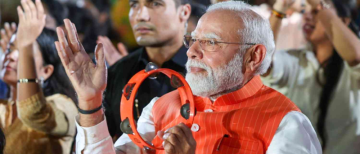
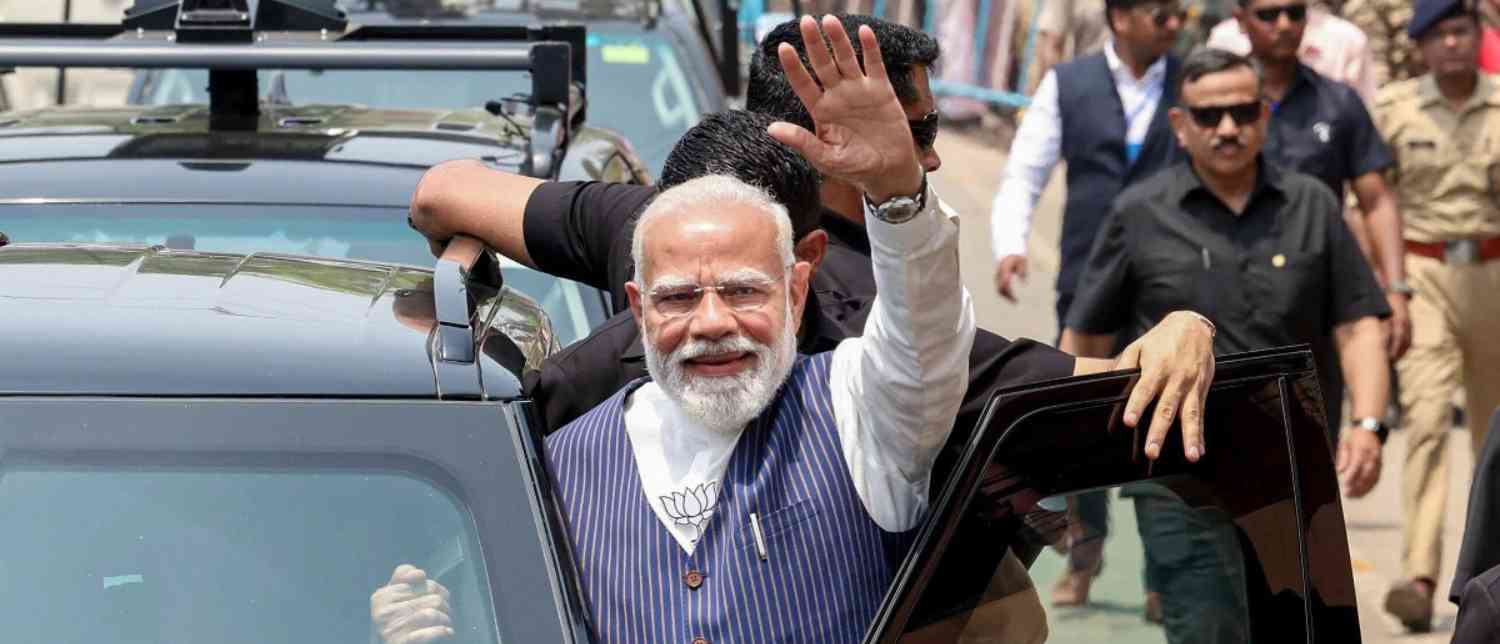
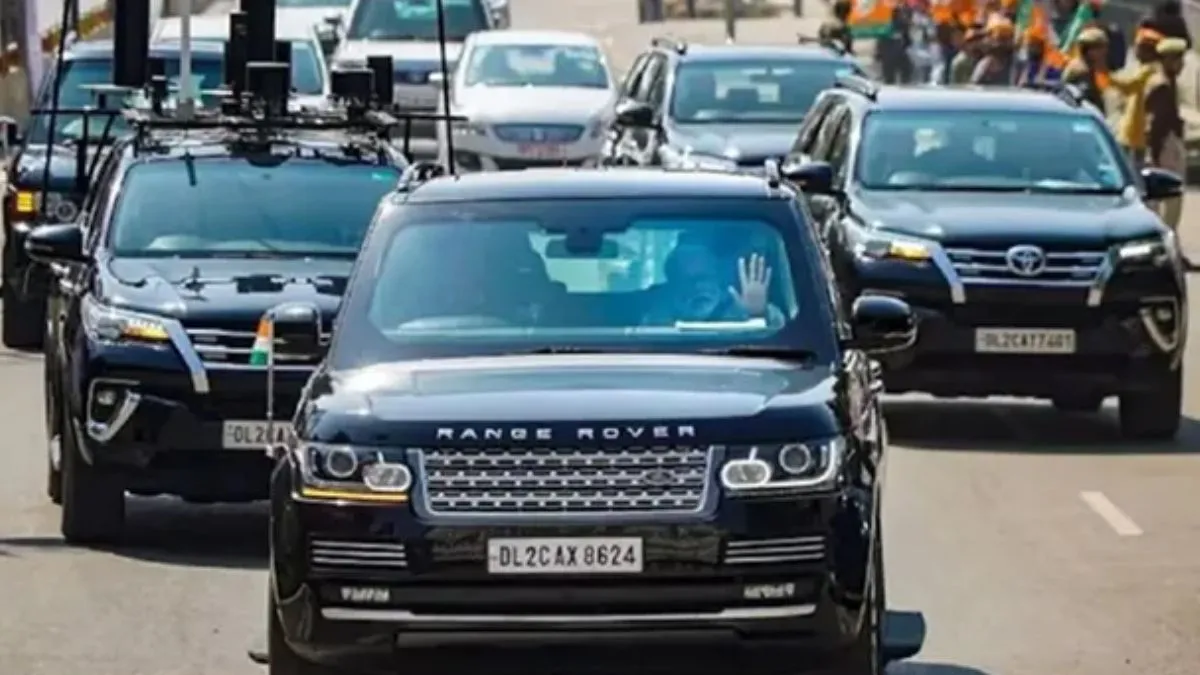
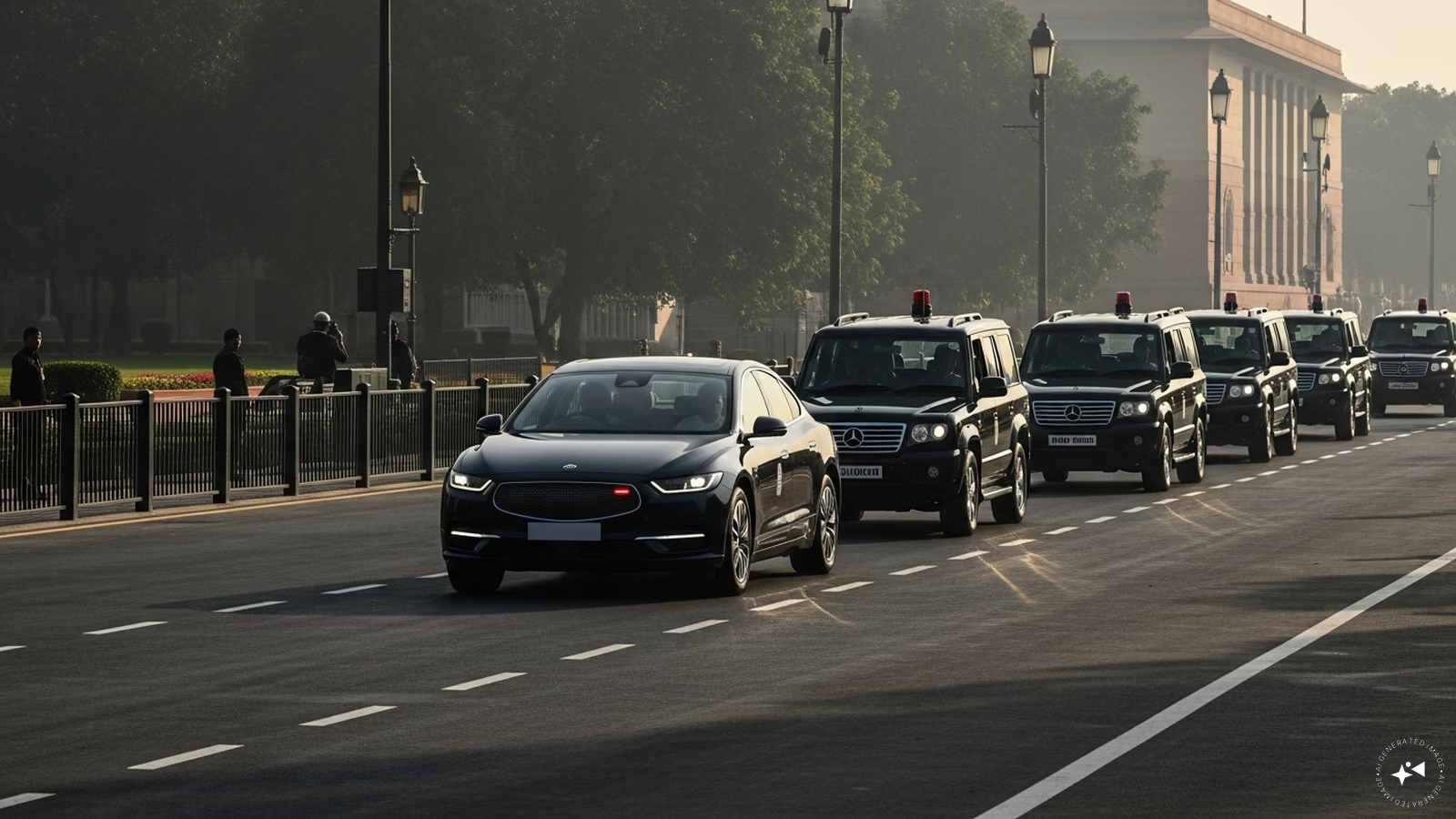
Prime Minister Narendra Modi has reportedly ordered a 50 per cent reduction in the number of vehicles in his official convoy, signalling the beginning of a wider austerity and fuel-conservation campaign amid rising geopolitical tensions in West Asia and concerns over global crude oil prices.
The move comes days after the Prime Minister appealed to citizens to reduce unnecessary fuel consumption, avoid excessive imports such as gold, and adopt more economically responsible habits as uncertainty surrounding the US-Iran conflict continues to affect global energy markets.
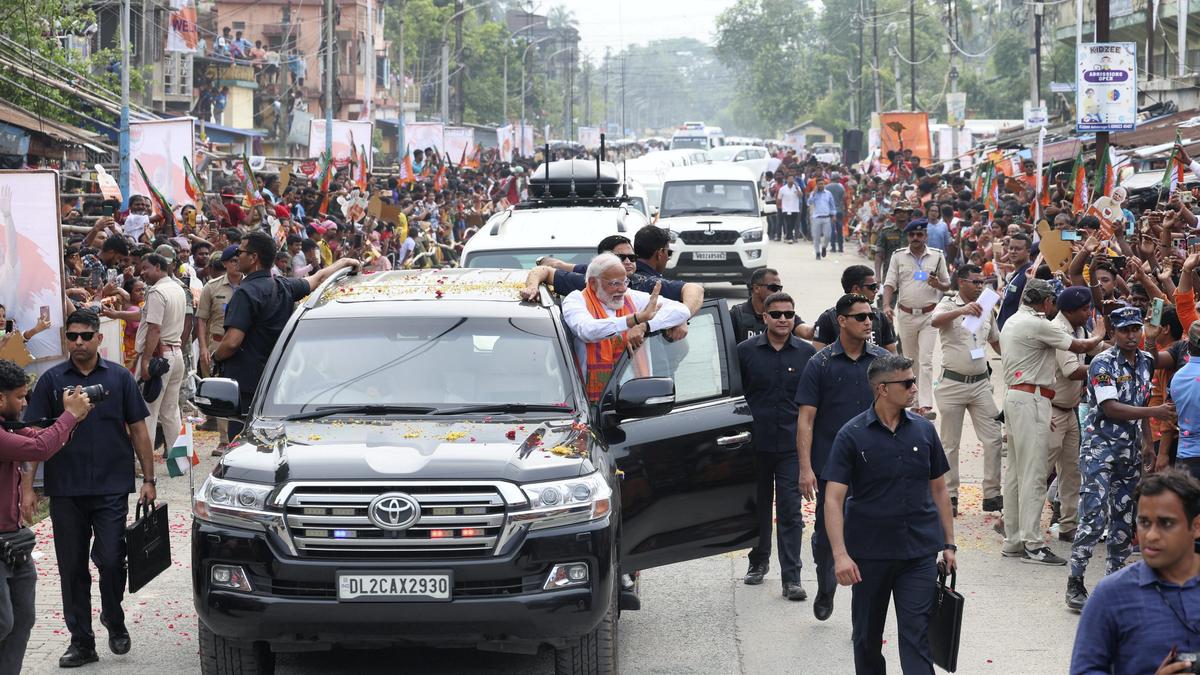
According to reports citing government sources, the Prime Minister has already implemented the reduced convoy arrangement during recent visits to Vadodara and Guwahati. Despite the reduction in the number of vehicles, officials clarified that there has been no compromise in security protocols handled by the Special Protection Group, commonly known as the SPG.
The decision is being viewed as both symbolic and administrative, an attempt by the Prime Minister to lead by example while encouraging government departments and political representatives across the country to adopt cost-saving and fuel-efficient practices.
Push for EV Adoption Within Government Fleet
Alongside the convoy reduction, PM Modi has reportedly directed the SPG to increase the use of electric vehicles within the Prime Minister’s motorcade. However, sources indicated that he specifically instructed officials not to purchase new EVs for the purpose. Instead, the focus will remain on optimising and repurposing existing vehicles already available within government fleets.
The emphasis on EV adoption aligns with the government’s broader push towards cleaner mobility and reduced dependence on imported fossil fuels. Officials familiar with the discussions said the Prime Minister wants ministries and departments to implement practical measures that reduce fuel consumption without affecting governance or security preparedness.
The convoy reduction and EV push are part of a larger effort to promote what officials described as “responsible consumption” during a period of international instability. India imports a substantial portion of its crude oil requirements, making the country vulnerable to fluctuations in global energy prices and supply-chain disruptions.
PMO Shares Action Plan With Chief Ministers
The austerity message was reportedly reinforced during the swearing-in ceremony of Himanta Biswa Sarma in Assam, where copies of the Prime Minister’s speech and an accompanying action plan were distributed to chief ministers attending the event.
The suggested roadmap included several recommendations aimed at reducing fuel use and conserving foreign exchange reserves. Among the proposals were:
-
Greater adoption of electric vehicles
-
Increased use of virtual and online meetings
-
Reduction in avoidable official travel
-
Efficient use of existing government resources
-
Promotion of energy conservation at institutional and public levels
Officials said the Prime Minister wants both the Centre and state governments to collectively respond to the economic challenges emerging from the ongoing crisis in West Asia.
The government’s emphasis on austerity also reflects concerns over the broader economic impact of rising oil prices, which could increase import bills, pressure inflation, and affect India’s foreign exchange reserves.
Appeal to Citizens to Reduce Fuel and Gold Consumption
Earlier this week, PM Modi publicly urged citizens to contribute to national economic resilience by reducing unnecessary consumption of imported commodities and fuel-dependent activities.
During his remarks, the Prime Minister encouraged people to use public transport whenever possible and suggested that organisations consider reviving work-from-home arrangements to reduce petrol and diesel usage. He also advised against unnecessary foreign vacations and extravagant destination weddings abroad, citing concerns over foreign currency outflow.
In addition, Modi appealed to citizens to reduce excessive gold purchases, another major contributor to foreign exchange expenditure. He also promoted sustainable alternatives such as solar-powered water pumps and electric vehicles as part of India’s long-term energy security strategy.
The Prime Minister further linked lifestyle choices to public health, reportedly suggesting a 50 per cent reduction in cooking oil consumption for healthier living.
Government Says There Is No Fuel Crisis
Even as austerity measures gain momentum, the Union government has maintained that there is no immediate fuel shortage in the country. Officials from the Ministry of Petroleum and Natural Gas have attempted to reassure citizens that India’s fuel supply remains stable despite global tensions surrounding the Strait of Hormuz and the broader West Asia region.
During an inter-ministerial meeting, Petroleum Ministry Joint Secretary Sujata Sharma reiterated the Prime Minister’s appeal to conserve fuel while emphasising that the situation should not trigger panic buying or fear. The government’s current approach appears focused on preventive conservation rather than emergency restrictions.
However, analysts believe the Centre is trying to prepare both administrative systems and public sentiment for possible economic disruptions if geopolitical tensions continue to escalate.
States Begin Responding to PM’s Austerity Message
The Prime Minister’s call has already begun influencing state governments. In Uttar Pradesh, Chief Minister Yogi Adityanath reportedly directed a 50 per cent reduction in the official vehicle fleet used by ministers, bureaucrats, and senior officials.
The Uttar Pradesh government also stressed the importance of transforming energy conservation into a broader public movement. Officials were encouraged to adopt restrained consumption practices and promote awareness regarding responsible fuel usage.
Political observers believe more states could follow with similar measures in the coming days as the Centre pushes for coordinated austerity initiatives.
Opposition Voices Concerns
While some leaders supported the emphasis on conservation, opposition parties questioned the government’s handling of the economic situation and sought greater transparency regarding the actual extent of the crisis.
Sharad Pawar called for an all-party meeting to discuss the economic implications of the Prime Minister’s appeal and the broader global situation. Pawar reportedly described the sudden appeals regarding fuel and gold consumption as concerning and argued that such major national issues should involve wider consultation with political parties, economic experts, and industry stakeholders.
Opposition leaders also accused the government of creating uncertainty through abrupt messaging and demanded clearer communication regarding India’s economic preparedness.
Meanwhile, criticism also emerged from sections of social media and political circles after reports surfaced of certain political leaders continuing to travel with large convoys despite the Prime Minister’s conservation appeal.
Symbolism and Political Messaging
The reduction in the Prime Minister’s convoy is being interpreted as a politically significant gesture aimed at reinforcing the message that austerity should begin at the top levels of government. Analysts say the optics of the move are important at a time when the government is urging citizens to voluntarily modify consumption habits.
The SPG convoy, known for its elaborate security structure and multiple escort vehicles, has long symbolised the high-security environment surrounding the Prime Minister. By cutting the convoy size in half without altering security arrangements, the government appears intent on presenting the decision as both practical and symbolic.
Whether the initiative evolves into a long-term administrative reform or remains a temporary response to global uncertainty will likely depend on developments in international oil markets and the geopolitical situation in West Asia.
For now, the Centre’s message is clear: conservation, efficiency, and restraint are expected not only from ordinary citizens, but also from the country’s political leadership and government machinery.
With inputs from agencies
Image Source: Multiple agencies
© Copyright 2026. All Rights Reserved. Powered by Vygr Media.