 By

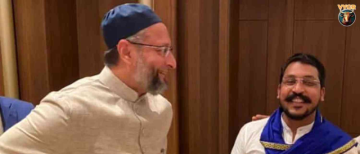
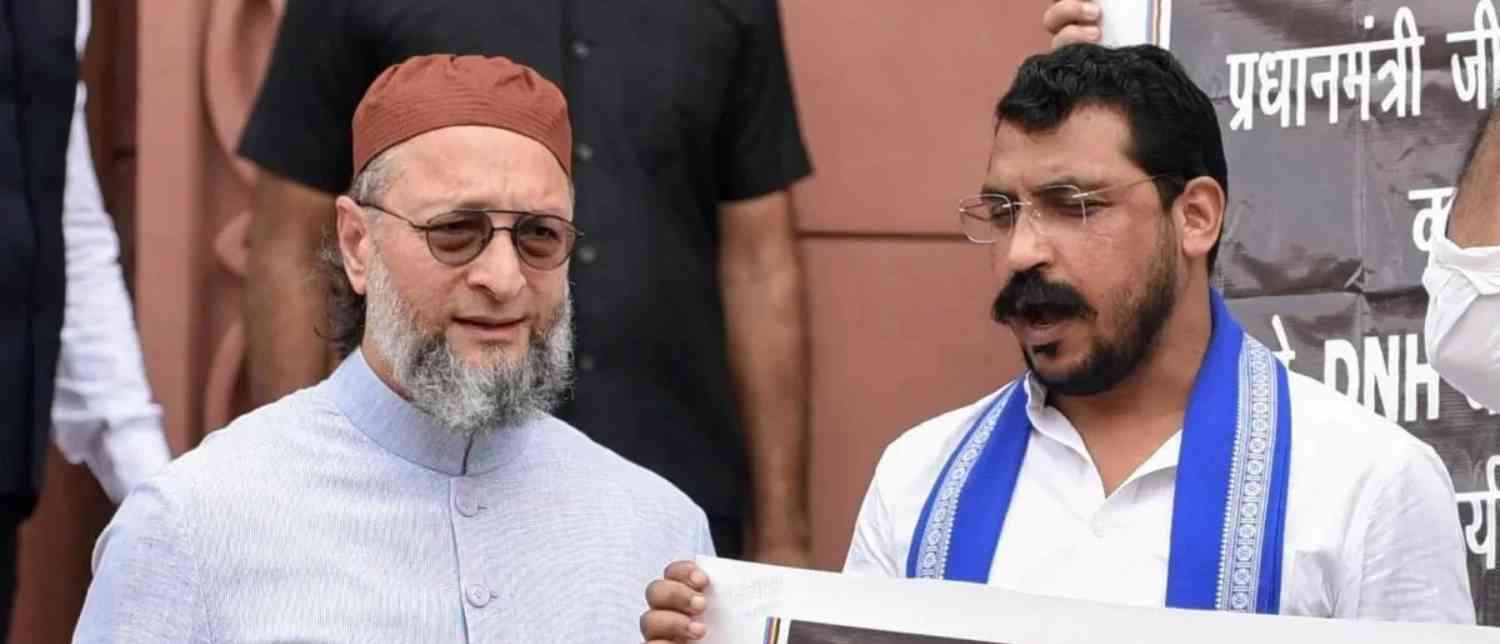
Uttar Pradesh politics is witnessing a potentially significant shift ahead of the 2027 Assembly elections, with two prominent political figures preparing to bring a new electoral combination into the state's increasingly competitive political landscape. All India Majlis-e-Ittehadul Muslimeen (AIMIM) chief Asaduddin Owaisi and Azad Samaj Party (Kanshi Ram) president Chandrashekhar Azad are joining hands, aiming to build a political platform that brings Dalit and Muslim communities together.
The proposed Owaisi-Azad alliance, expected to be formally announced at a joint press conference in Lucknow on November 12, 2026, could introduce a new dimension to the electoral battle. With the BJP-led NDA and the Samajwadi Party-Congress opposition alliance already preparing for the crucial contest, the emergence of a possible third front raises an important question: Can Dalit-Muslim unity become a decisive political force in Uttar Pradesh?
While electoral success is far from guaranteed, the partnership has already generated considerable discussion about representation, political independence and the changing equations of UP politics.
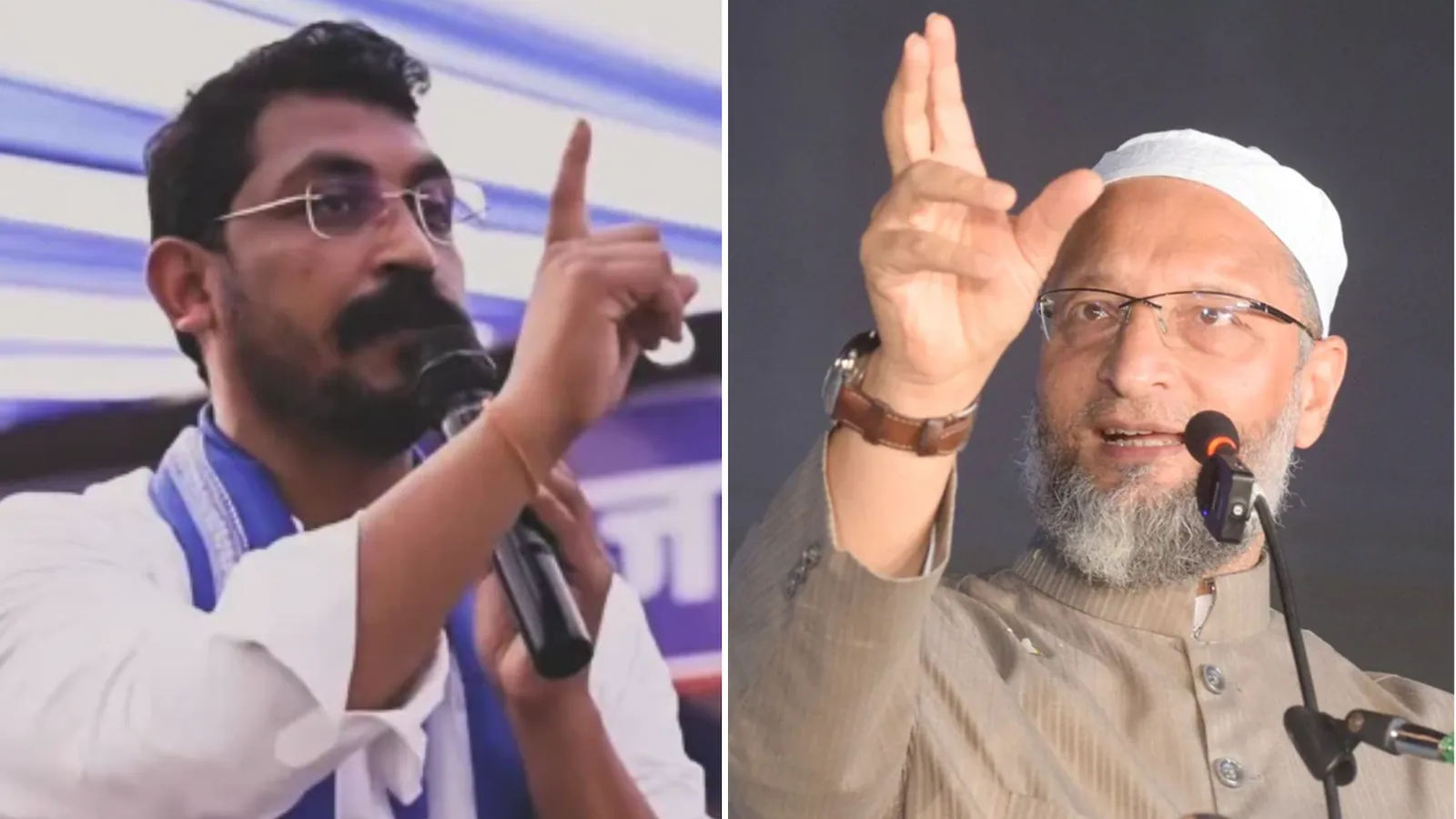
Owaisi and Chandrashekhar Azad Join Hands Ahead of UP Elections 2027
The proposed alliance brings together two leaders with different political backgrounds but overlapping electoral ambitions.
Asaduddin Owaisi, who heads the Hyderabad-based AIMIM, has consistently advocated stronger political representation for Muslims. His party has been attempting to expand its footprint beyond Telangana, particularly in states where minority voters constitute a significant electoral segment.
Chandrashekhar Azad, meanwhile, has emerged as a prominent Dalit political voice through his association with the Bhim Army and the Azad Samaj Party. The Nagina MP has built his political identity around social justice, constitutional rights and the political empowerment of marginalised communities.
According to the developments reported ahead of the announcement, several rounds of discussions have taken place between the two parties. AIMIM spokesperson Shadab Chauhan has indicated that the parties will work together, with the finer details of the agreement expected to be disclosed at the joint press conference.
The proposed partnership also follows unsuccessful attempts by Owaisi to secure an electoral understanding with the Samajwadi Party and Congress. His party had expressed interest in becoming part of a broader opposition arrangement but did not find an opening in the existing seat-sharing calculations.
The new understanding with Chandrashekhar Azad could therefore offer Owaisi an alternative political platform rather than leaving AIMIM dependent on negotiations with established opposition parties.
Dalit-Muslim Alliance: The Political Arithmetic Behind the Partnership
The biggest attraction of the Owaisi-Azad alliance lies in the electoral arithmetic of Uttar Pradesh.
Muslims account for approximately 19 per cent of the state's population, while Scheduled Castes constitute around 21 per cent. Together, these communities represent close to 40 per cent of Uttar Pradesh's population, making them an important electoral constituency.
However, population figures alone do not translate into electoral victories. Both communities have diverse political preferences, regional differences and varying local priorities. Bringing them under a common political platform will require considerably more than a shared announcement.
The alliance is expected to focus particularly on constituencies where Dalit and Muslim voters collectively represent a substantial proportion of the electorate.
Western Uttar Pradesh and Rohilkhand could become important regions for this strategy. Districts such as Saharanpur, Moradabad, Rampur, Bijnor, Amroha and Sambhal offer potentially favourable demographic conditions for the proposed combination.
In Moradabad, Rampur and Saharanpur, for instance, the combined presence of Muslim and Dalit voters could make the alliance electorally relevant in several constituencies.
Other regions, including parts of Bareilly, Meerut, Bahraich, Shravasti, Azamgarh and Mau, could also feature in its political calculations.
Nevertheless, the decisive factor will be whether voters from both communities support the same candidates and political agenda rather than simply sharing demographic identities.
Bhim-Meem Politics Returns to the Centre of UP's Political Debate
The Owaisi-Azad partnership has also revived discussion around the Bhim-Meem political formula.
The term combines 'Bhim', representing Dr BR Ambedkar and the struggle for Dalit empowerment, with 'Meem', symbolising Muslim political identity. The underlying idea is to bring two historically marginalised communities together through a shared platform for political representation and social justice.
The concept is not entirely new to Indian politics. Attempts to build political cooperation between Dalit and Muslim communities have emerged at different points in the country's history.
For its supporters, the proposed alliance represents an opportunity to challenge traditional political arrangements and create a stronger collective voice for communities that often feel inadequately represented.
However, the idea also raises questions about whether electoral cooperation can translate into meaningful social and political empowerment.
The historical experience of Jogendranath Mandal, a prominent Dalit leader from Bengal who became Pakistan's first Law and Labour Minister after Partition, is frequently invoked in discussions about such political partnerships.
Mandal had supported cooperation between Dalits and the Muslim League, believing that economically disadvantaged communities could work together for equality and representation. However, his expectations were eventually shattered by the treatment of Hindu minorities, including Scheduled Caste communities, in East Pakistan. He resigned from the Pakistani government in 1950.
His experience offers a historical reminder that political alliances must be evaluated through their actual commitments and outcomes, rather than their electoral promises alone.
For the Owaisi-Azad alliance, the real test will be whether it can establish a credible programme that protects the political agency and interests of both communities.
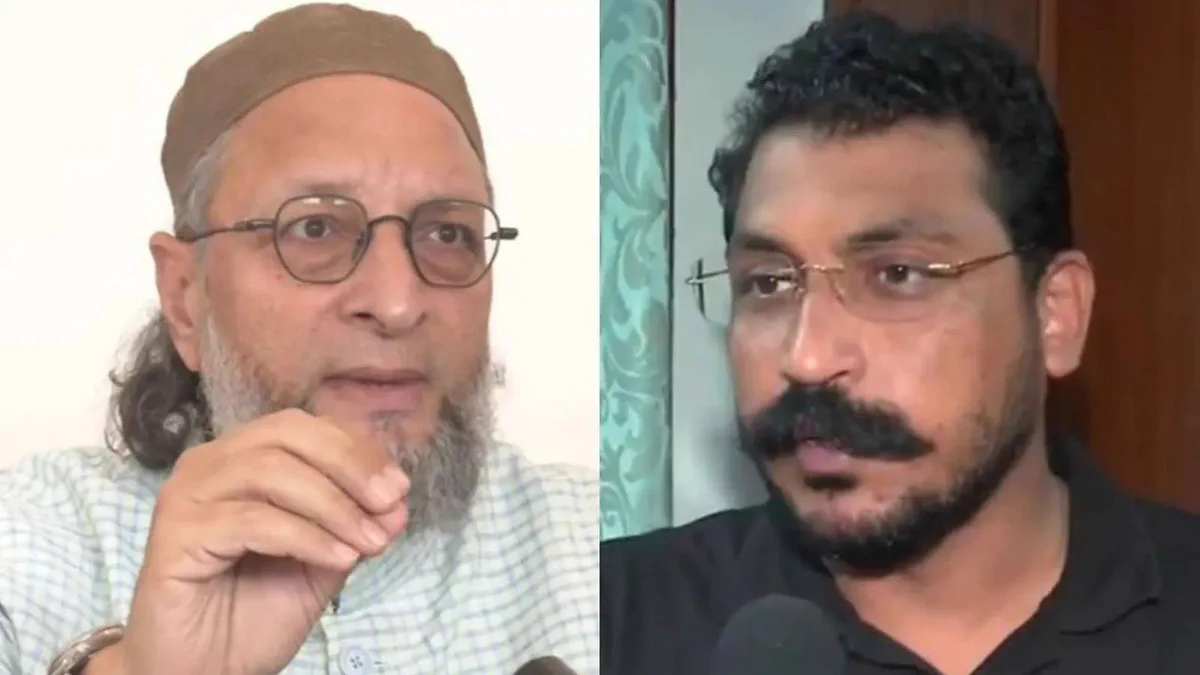
Can the New Third Front Challenge BJP, SP and BSP?
Uttar Pradesh has one of India's most competitive political landscapes, where electoral outcomes are influenced by caste combinations, religious identities, regional leadership and party organisation.
The proposed alliance could introduce another dimension to the contest, particularly if it successfully attracts voters who feel inadequately represented by the existing political formations.
For the BJP-led NDA, the emergence of a third front could complicate electoral calculations in constituencies where the combined Dalit-Muslim vote is significant.
The Samajwadi Party could face a different kind of challenge. The party has traditionally sought support from Muslim voters and has been attempting to strengthen its broader PDA (Pichhda, Dalit, Alpsankhyak) political strategy. A separate Dalit-Muslim platform could create competition over constituencies where the SP expects considerable support from these groups.
The BSP, led by Mayawati, also remains an important factor in the state's Dalit politics. Despite its reduced electoral strength in recent years, the party retains a distinct political identity and a history of mobilising Dalit voters.
Consequently, the Owaisi-Azad alliance will have to establish its credibility without assuming that voters will automatically abandon their existing political loyalties.
Its emergence could influence the electoral strategies of all three major political forces, even if it does not immediately become a dominant contender.
Electoral Challenges: Can Owaisi and Azad Convert Votes into Seats?
Despite the considerable attention surrounding the alliance, its electoral prospects face some serious challenges.
The previous Assembly election results offer an indication of the difficulties ahead. In 2022, AIMIM contested more than 90 constituencies but secured less than 0.5 per cent of the total vote and failed to win a seat. The Azad Samaj Party also contested more than 100 seats but secured approximately 0.13 per cent of the vote.
These figures demonstrate the gap between a party's political messaging and its ability to convert public support into legislative representation.
Chandrashekhar Azad's victory from the Nagina Lok Sabha constituency in the 2024 general elections, however, gave his party an important breakthrough and strengthened his position in national politics.
Owaisi, meanwhile, brings considerable political experience, a recognisable national profile and AIMIM's organisational presence among sections of Muslim voters.
Combining these strengths could help both parties expand their reach. But a successful alliance will require a carefully designed seat-sharing arrangement, effective grassroots mobilisation and credible candidates who can compete against established political organisations.
Reports ahead of the announcement have also indicated that the proposed front may consider contesting around 150 of Uttar Pradesh's 403 Assembly constituencies. However, the final seat allocation and constituency-level strategy remain crucial details to watch.
What Will the Alliance Offer Beyond Caste and Religious Arithmetic?
Perhaps the most important question surrounding the Owaisi-Azad alliance is whether it can move beyond identity-based electoral mobilisation.
Chandrashekhar Azad has highlighted the concerns of young people, farmers and economically weaker sections, while Owaisi has consistently emphasised political representation and minority rights.
These issues could provide a broader foundation for the partnership.
Unemployment, declining government job opportunities, access to quality education, agricultural distress, social discrimination and economic inequality remain important concerns across Uttar Pradesh.
If the alliance develops a detailed agenda addressing these challenges, it could appeal to voters beyond its immediate Dalit and Muslim support bases.
It will also need to demonstrate that both communities receive meaningful representation within the alliance. Candidate selection, constituency allocation, leadership roles and policy priorities will reveal whether the partnership is genuinely collaborative.
Without such commitments, the Bhim-Meem formula risks remaining an election slogan rather than becoming a sustainable political movement.
UP Elections 2027: A New Political Equation or Another Electoral Experiment?
The Owaisi-Azad alliance arrives at a time when Uttar Pradesh's political landscape is preparing for another high-stakes Assembly election.
The BJP will seek to retain power, the Samajwadi Party will attempt to strengthen its opposition position, and the BSP will look to regain its political relevance. Against this backdrop, the proposed AIMIM-Azad Samaj Party partnership could create an additional electoral force.
Its immediate impact may be felt in constituencies where Dalit and Muslim voters together constitute a substantial share of the electorate. Whether that translates into Assembly seats, however, will depend on candidate selection, local leadership, voter response and the alliance's organisational strength.
The partnership has the potential to reshape conversations around political representation in Uttar Pradesh. But its success will ultimately depend on whether it can transform demographic strength into a coherent political programme and sustainable electoral support.
For now, the Owaisi-Azad alliance represents an important development in the run-up to the 2027 Uttar Pradesh Assembly elections. Whether it becomes a serious third front or remains another experiment in electoral arithmetic will be decided not by the symbolism of its announcement, but by its performance on the ground.
© Copyright 2026. All Rights Reserved. Powered by Vygr Media.