 By

The two parties announced their tie-up in Lucknow on Thursday, after Owaisi’s bid to join the SP-Congress arrangement failed to get a favourable response.
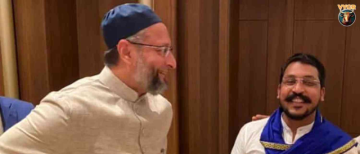
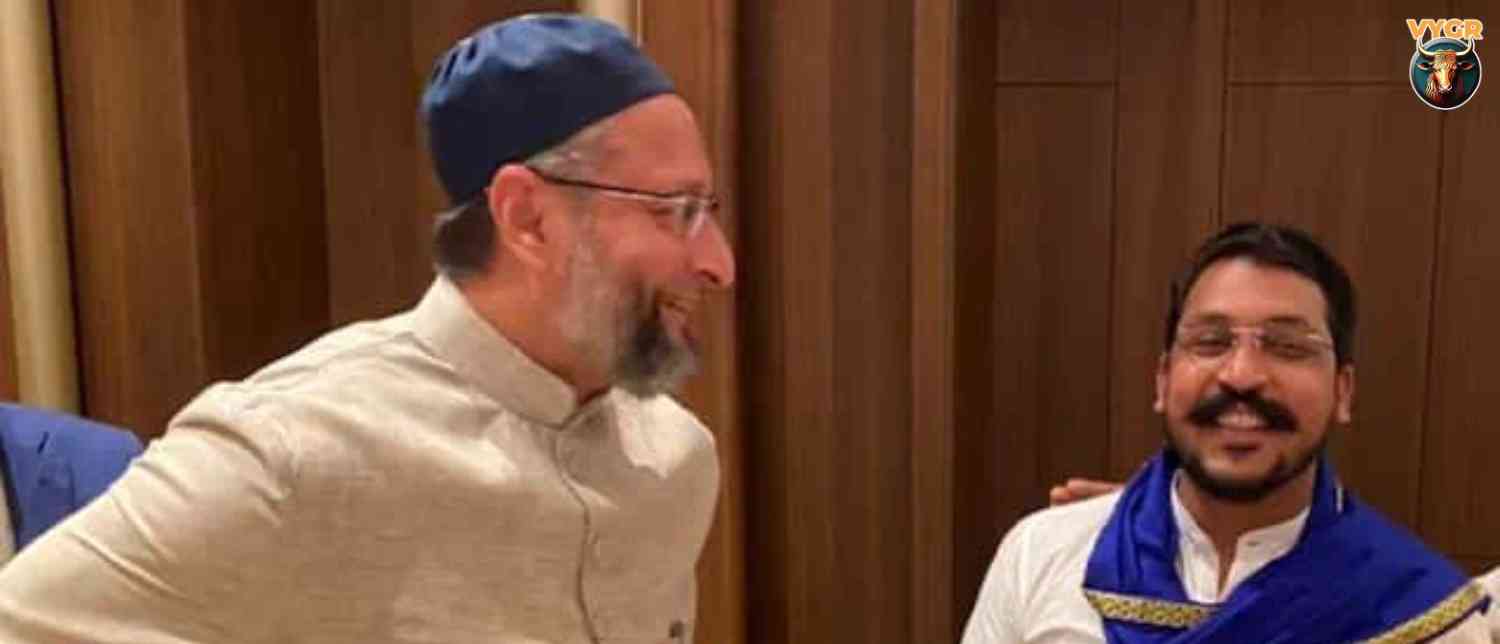
AIMIM chief Asaduddin Owaisi and Azad Samaj Party (Kanshi Ram) chief Chandrashekhar Azad announced an alliance on Thursday, November 12, for the 2027 Uttar Pradesh Assembly elections. The two parties have come together under the banner of the “Samajik Parivartan Morcha”. The alliance is being seen as an attempt to bring Dalit and Muslim voters onto a common platform and to build a third political formation outside both the BJP-led NDA and the Samajwadi Party-Congress bloc.
What Was Announced
The announcement came at a joint press conference in Lucknow, after the two leaders arrived in the city separately. An AIMIM spokesperson had earlier confirmed that the two parties would come together. Azad told reporters beforehand that they aimed to strengthen the youth, farmers and the weak and marginalised.
Two details in some accounts of the announcement are not yet confirmed in the reports I could review: that the alliance will contest all of Uttar Pradesh’s 403 seats, and that Azad will be its chief ministerial face. Before the press conference, reports had said that the alliance was planning to contest around 150 seats.
Why the Two Parties Came Together
The tie-up follows an unsuccessful attempt by Owaisi to join the INDIA bloc in Uttar Pradesh, where the Samajwadi Party and the Congress are allies. Reports say that after the opposition parties did not respond favourably, Owaisi turned to Azad. Owaisi has pointed to the 2025 Bihar Assembly election, where the NDA retained power after the RJD and the Congress declined to ally with the AIMIM, to argue that his exclusion from alliances has not helped the opposition. That is his reading of the Bihar result. Other parties interpret it differently.
AIMIM’s state president, Shaukat Ali, said ahead of the announcement that his party has always wanted a strong alliance to stop the BJP from forming a government in the state. Azad has criticised the state government over unemployment among educated young people from Dalit and backward communities and has spoken of “vote theft”.
The Two Partners
The Azad Samaj Party was founded in March 2020 by Chandrashekhar Azad, who rose to prominence through the Bhim Army. In the 2022 Assembly election, it contested 110 seats and won none, with about 0.13 per cent of the vote. In the 2024 Lok Sabha election, Azad won the Nagina seat, the party’s only win, and the party received about 0.58 per cent of the vote across the seats it contested.
AIMIM has a long record of contesting in Uttar Pradesh, although it has little organisational presence there compared with its base in Telangana. Analysts say that Owaisi commands influence among a section of the minority community, while Azad’s growing appeal among young Dalit voters could concern both the NDA and the INDIA bloc.
The Electoral Arithmetic
The alliance is aimed at two large voter groups. According to the 2011 Census, Muslims and Scheduled Castes each make up roughly a fifth of Uttar Pradesh’s population. A Dalit-Muslim combination has been tried before in various forms, and its success has depended on whether both groups vote together in the same constituencies. The Assembly has 403 seats, and 202 are needed for a majority.
Reactions
Samajwadi Party chief Akhilesh Yadav, asked about the proposed alliance before the announcement, said that the people of Uttar Pradesh had already made up their minds in favour of the Samajwadi Party. The SP has previously accused AIMIM tie-ups of being scripted by the BJP to divide votes, an allegation it made in 2024 when AIMIM allied with Apna Dal (Kamerawadi). The AIMIM and the ASP reject the idea that they help the BJP, and say they are fighting it. No reaction from the BJP to the new alliance was found in the reports reviewed.
Two Readings of the Alliance
Supporters of the tie-up say that Dalit and Muslim communities need their own political representation instead of depending on larger parties. Critics argue that a third front can split anti-BJP votes and, in a close contest, help the ruling party. Both arguments have been made in earlier Uttar Pradesh elections, and the result in 2027 will depend on how many seats the alliance contests and how it chooses candidates.
What to Watch Next
The key developments will be the final seat plan, whether other small parties join the Samajik Parivartan Morcha, the naming of candidates, and how the Samajwadi Party and the Congress respond. The election is due in early 2027.
© Copyright 2026. All Rights Reserved. Powered by Vygr Media.