 By

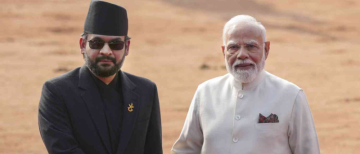
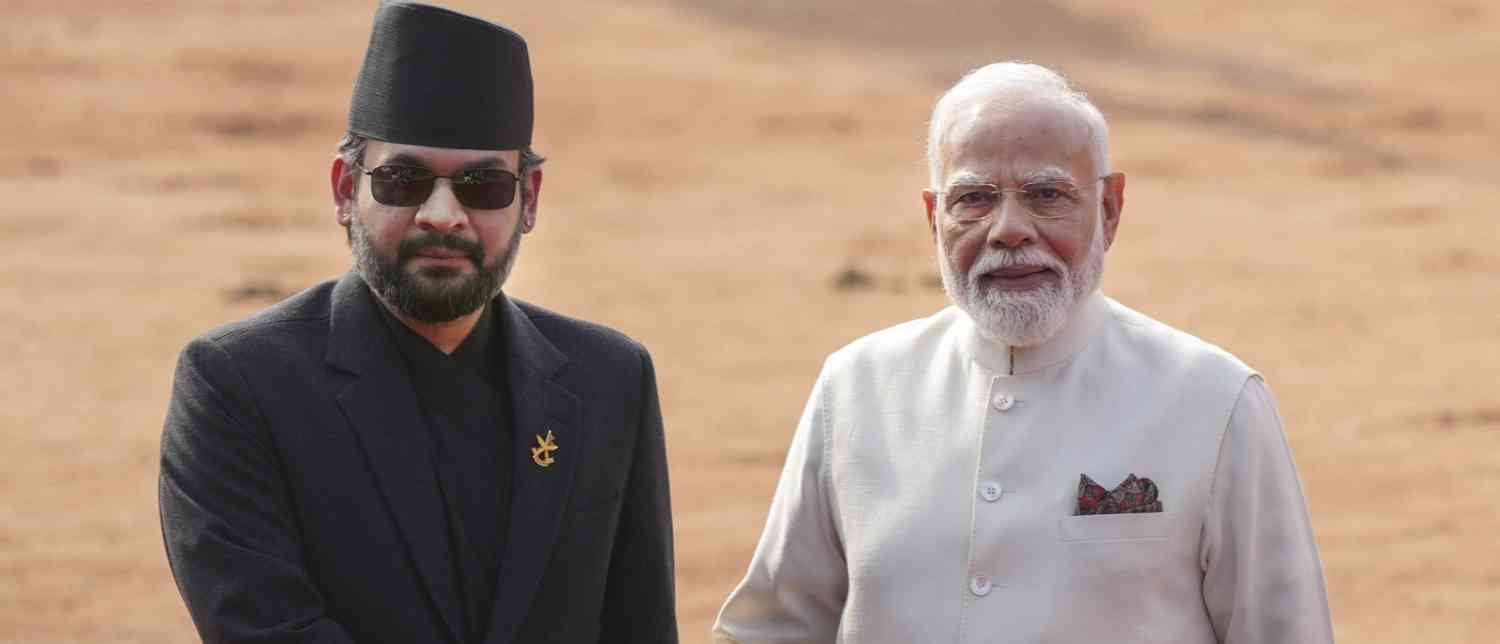
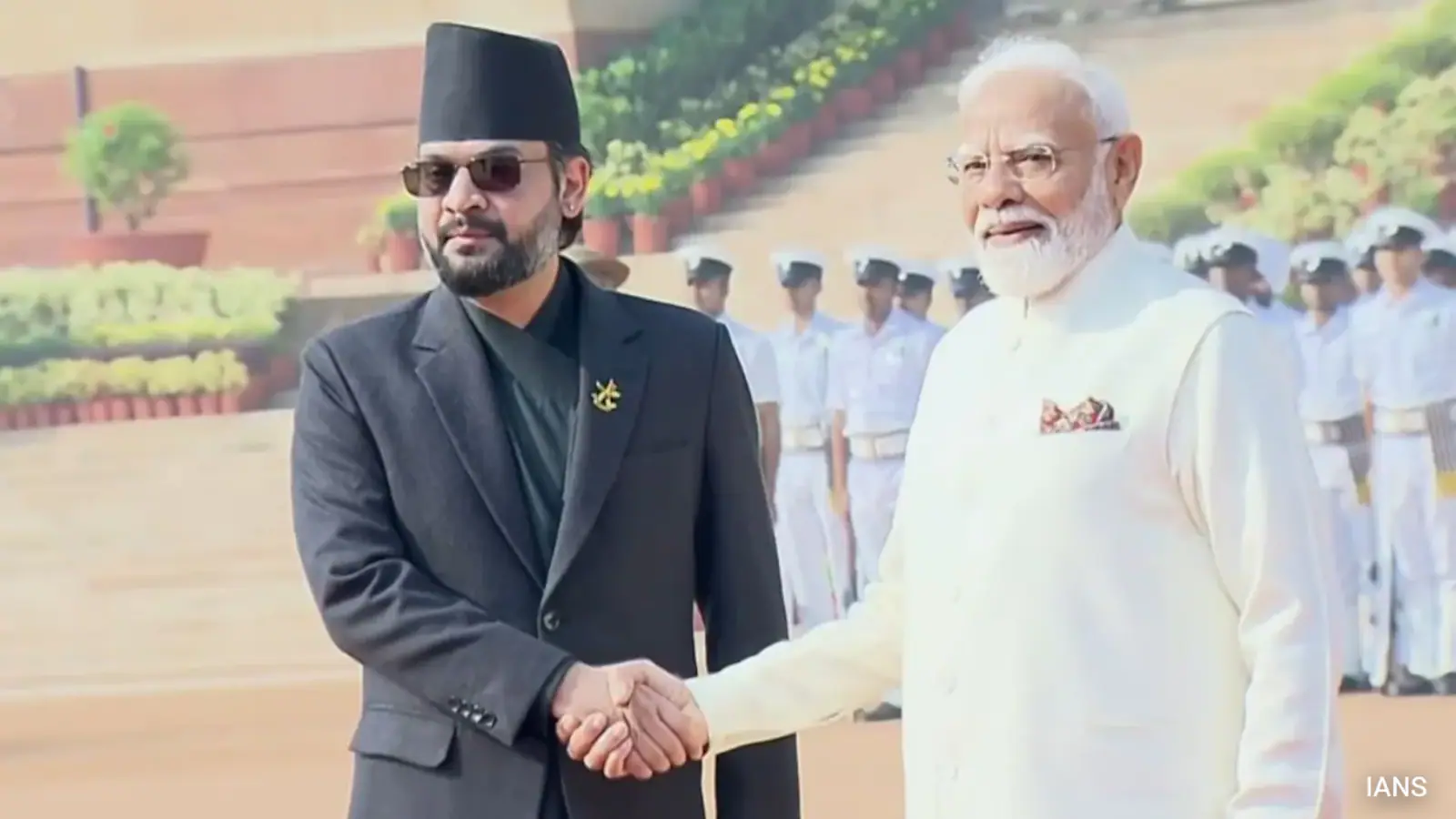
Nepal Prime Minister Balendra Shah's first official bilateral visit to India has brought renewed attention to the evolving relationship between the two neighbouring countries. During his two-day state visit from November 22 to 23, 2026, Shah met Indian Prime Minister Narendra Modi in New Delhi, with discussions centred on strengthening diplomatic relations, expanding economic cooperation and accelerating infrastructure development.
The Nepal PM Balendra Shah India visit is particularly significant as it marks his first bilateral foreign visit since assuming office in March 2026. The meeting comes at a crucial time for both countries, with opportunities to strengthen economic partnerships, address longstanding diplomatic concerns and establish a more forward-looking framework for cooperation.
From energy and hydropower to cross-border railways, trade, investment and disaster reconstruction, the discussions are expected to shape the next phase of India-Nepal bilateral relations.
Balendra Shah's First Official India Visit: Why Is It Significant?
Balendra Shah's visit to New Delhi represents more than a routine diplomatic engagement. It signals an effort to establish a fresh direction for India-Nepal relations following a period of uncertainty and diplomatic differences.
Shah came to power after the Gen Z-led protests in Nepal in 2025, which led to the removal of the previous government. His administration initially adopted a different diplomatic approach, creating some uncertainty in New Delhi about the future direction of bilateral engagement.
However, diplomatic communication continued through ministerial visits and discussions between senior officials from both countries. Shah's November visit now provides an opportunity to take these engagements forward at the highest political level.
India and Nepal share deep historical, cultural, geographical and economic connections. Their relationship is also strategically important because of their shared border, extensive people-to-people exchanges and interconnected economic interests.
For New Delhi, maintaining a stable and constructive relationship with Kathmandu remains an important regional priority. For Nepal, stronger engagement with India offers opportunities to attract investment, improve infrastructure, expand international connectivity and accelerate economic development.
The Narendra Modi-Balendra Shah meeting is therefore expected to provide fresh political momentum to bilateral cooperation while addressing issues that require greater mutual understanding.
Energy and Hydropower Cooperation Take Centre Stage
Energy cooperation is among the most important areas of discussion during the India-Nepal bilateral talks.
Nepal possesses considerable hydropower potential because of its extensive river systems and Himalayan geography. However, developing this potential requires substantial investment, technical expertise, infrastructure and access to reliable electricity markets.
India, meanwhile, has growing energy requirements and sees Nepal as an important partner in strengthening regional electricity trade.
Over the years, cross-border electricity cooperation has expanded, allowing Nepal to export surplus electricity to India while benefiting from India's energy infrastructure and market access.
Nepal reportedly earned approximately 1,800 crore Nepalese rupees from net electricity exports to India during 2025-26, highlighting the growing commercial importance of this partnership.
During the latest discussions, both countries are looking to expand cooperation in hydropower development, electricity transmission and cross-border energy infrastructure.
India's investment and technical participation could help Nepal develop more hydropower projects, generate employment and increase electricity exports. At the same time, stronger energy partnerships could contribute to India's regional energy security.
The two governments are also expected to advance agreements and investment opportunities involving Nepal's hydropower sector.
If implemented effectively, these initiatives could transform energy cooperation into one of the strongest pillars of the India-Nepal economic partnership.
India-Nepal Trade and Investment: Expanding Economic Opportunities
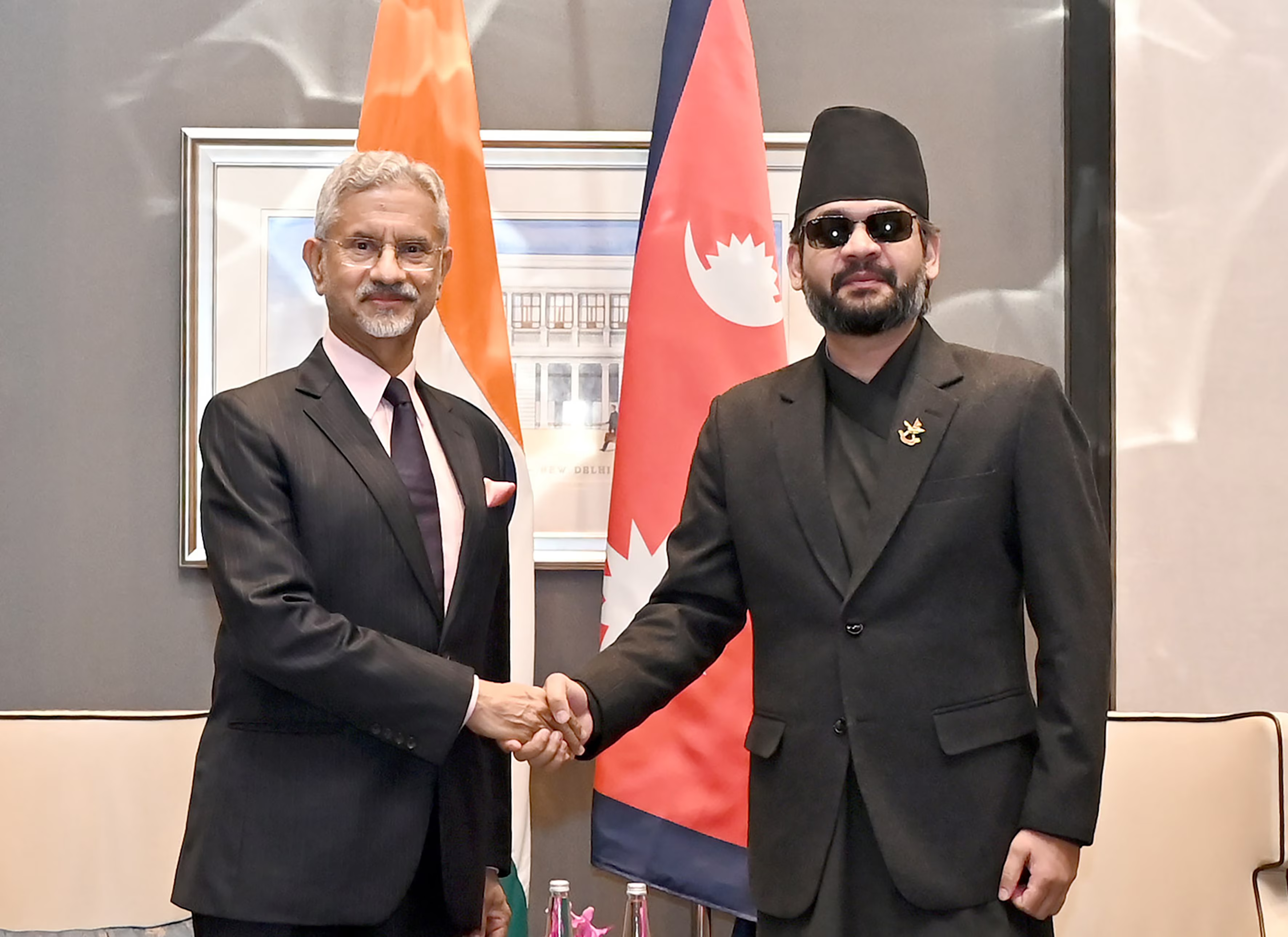
Trade and investment are another major focus of Shah's India visit.
India remains Nepal's largest trading and transit partner, making the relationship particularly important for the Himalayan nation's economic stability and access to international markets.
As a landlocked country, Nepal depends significantly on its neighbouring countries for trade routes, transportation infrastructure and access to global supply chains. India's geographical proximity and established commercial networks make it an essential economic partner.
The discussions between Modi and Shah aim to explore ways to strengthen bilateral trade, encourage investment and address existing challenges affecting commercial activities.
A Nepal-India Business Forum is also part of the broader engagement, bringing business representatives from both countries together to explore investment opportunities and potential partnerships.
Areas such as manufacturing, infrastructure, hydropower, healthcare and education could attract greater investment.
The visit also comes with discussions surrounding a proposed development assistance package worth approximately $2 billion. If finalised, the package could support Nepal's reconstruction requirements and broader infrastructure development.
A stronger investment environment would benefit both economies by encouraging private-sector participation, creating employment opportunities and improving cross-border business activity.
Saryu-Kamala Express: A New Chapter in India-Nepal Railway Connectivity
One of the most notable developments associated with the visit is the introduction of the Saryu-Kamala Express, a new weekly railway service connecting Ayodhya Cantt in Uttar Pradesh with Janakpur Dham in Nepal.
Prime Minister Narendra Modi and Balendra Shah are set to virtually flag off the service as part of their efforts to strengthen cross-border connectivity.
The railway connection carries considerable cultural and religious significance.
Ayodhya is traditionally associated with Lord Ram, while Janakpur Dham is revered as the birthplace of Goddess Sita. Both destinations hold an important place in the Ramayana tradition and attract pilgrims and visitors from different parts of India and Nepal.
Beyond its religious importance, the railway service is expected to make cross-border travel more convenient for passengers.
The train will have scheduled stops at several important locations, including:
-
Ayodhya Cantt
-
Gorakhpur
-
Basti
-
Raxaul
-
Sitamarhi
-
Madhubani
-
Jaynagar
-
Janakpur Dham
The inclusion of Gorakhpur and Basti is particularly important for passengers travelling from eastern Uttar Pradesh, while the stops across Bihar will improve access for people living in border districts.
The Saryu-Kamala Express also forms part of wider efforts to improve railway connectivity between the two countries.
Other important railway initiatives include the Jaynagar-Bijalpura-Bardibas and Jogbani-Biratnagar rail links. The proposed Raxaul-Kathmandu railway line is another major project that could significantly improve passenger and freight movement in the future.
Together, these initiatives could strengthen tourism, facilitate trade and deepen people-to-people connections between India and Nepal.
Infrastructure Development and Post-Flood Reconstruction
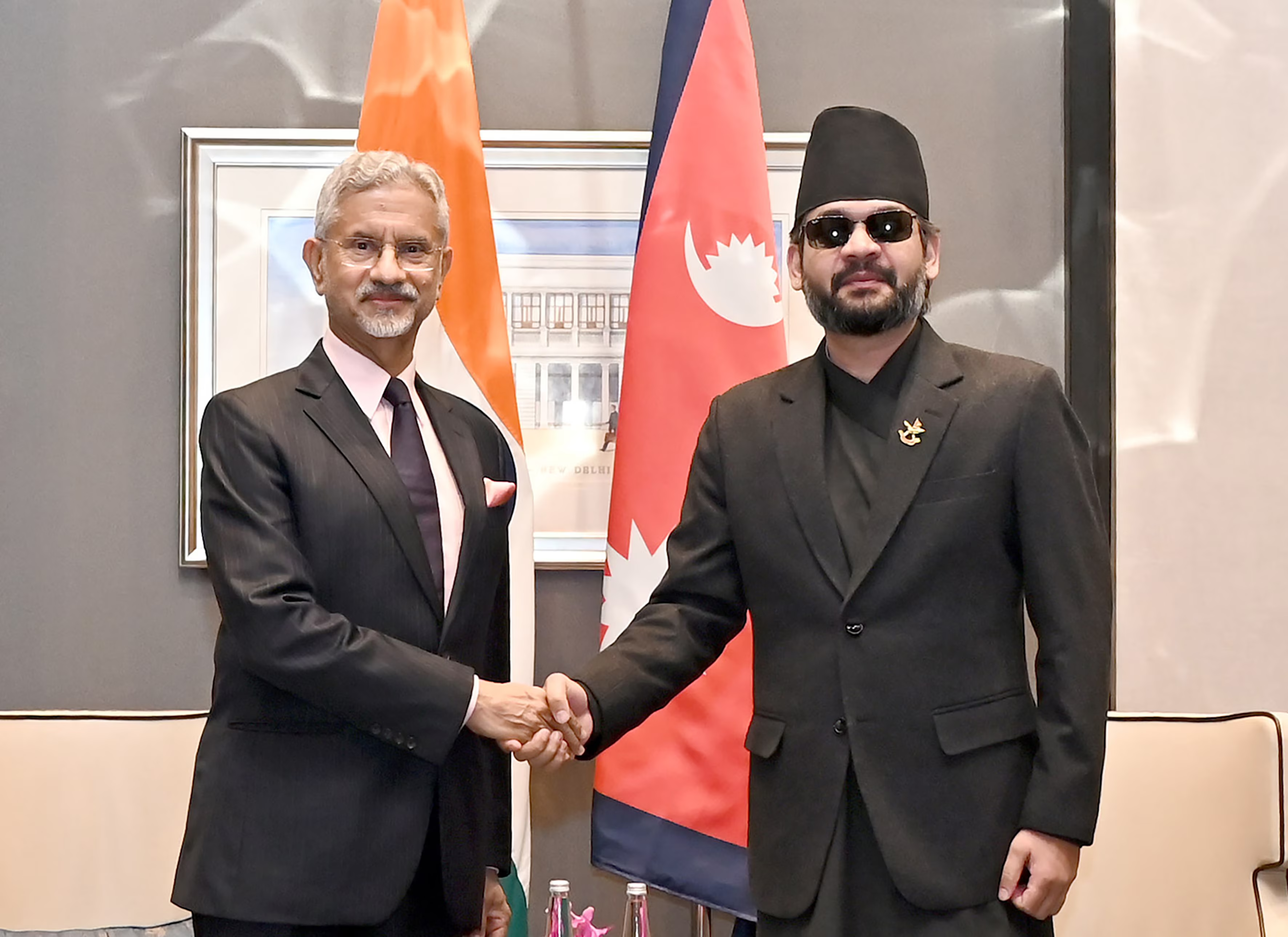
Infrastructure development and disaster recovery are also expected to feature prominently in discussions between the two prime ministers.
Nepal faced devastating floods in August 2026, which damaged roads, bridges, hydropower facilities, homes and other essential infrastructure. The destruction created significant reconstruction challenges for the Nepalese government.
India's proposed $2 billion development assistance package could play an important role in supporting rehabilitation and rebuilding efforts, subject to finalisation.
For Nepal, reconstruction is not simply about restoring damaged infrastructure. It is also an opportunity to develop more resilient roads, bridges, energy facilities and public infrastructure capable of withstanding future natural disasters.
The two countries are also exploring cooperation in disaster management, climate resilience and infrastructure development.
An integrated check post at Banbasa in Uttarakhand is among the infrastructure initiatives planned as part of the broader engagement. Such facilities can improve border management, facilitate trade and make cross-border movement more efficient.
These projects reflect the growing importance of infrastructure cooperation in strengthening India-Nepal bilateral relations.
Air Connectivity, Education and Other Areas of Cooperation
Apart from railway connectivity, Nepal is seeking improved access to Indian airspace to strengthen international connectivity.
The country has been seeking additional air-entry routes through India, particularly to improve international flight operations at Bhairahawa and Pokhara airports.
Better air connectivity could make these airports more attractive to international airlines, support tourism and improve access to important destinations in Nepal.
The discussions also extend beyond transportation, energy and infrastructure.
Both governments are exploring opportunities to strengthen cooperation in education, healthcare, agriculture, human resource development, technology and other sectors.
Potential agreements and memorandums of understanding could provide a framework for expanding collaboration in these areas.
Such cooperation is particularly important for Nepal as it seeks to strengthen public services, develop skilled human resources and attract investment in emerging sectors.
A Diplomatic Reset with Long-Term Regional Implications
The significance of the Modi-Shah meeting extends beyond individual projects and economic agreements.
India and Nepal have a relationship shaped by geography, history, culture and shared economic interests. However, maintaining strong diplomatic relations requires continuous communication, mutual trust and sensitivity towards each other's national priorities.
Shah's visit provides an opportunity to address the trust deficit, resolve outstanding bilateral concerns and establish a more constructive approach to cooperation.
For India, stronger engagement with Nepal also carries regional importance. The Himalayan nation occupies a strategically significant position between India and China, making stable bilateral relations an important component of New Delhi's broader neighbourhood policy.
For Kathmandu, maintaining balanced diplomatic relations while securing investment, infrastructure support and greater economic opportunities remains essential.
The success of this diplomatic engagement will ultimately depend on how effectively both governments translate their discussions into practical agreements and completed projects.
What Lies Ahead for India-Nepal Relations?
The Nepal PM Balendra Shah India visit 2026 could become an important turning point in the relationship between the two countries.
From expanding hydropower cooperation and improving cross-border railway networks to strengthening trade, attracting investment and supporting post-disaster reconstruction, the agenda reflects a shared interest in building a stronger economic partnership.
The proposed Saryu-Kamala Express, in particular, demonstrates how infrastructure development can connect economic priorities with shared cultural heritage.
However, the real measure of success will not be the number of announcements or agreements exchanged during the visit. It will be the progress made in implementing projects, resolving longstanding concerns and delivering tangible benefits to people on both sides of the border.
As Modi and Shah seek to establish a fresh direction for bilateral engagement, the coming months will be crucial in determining whether this diplomatic reset translates into sustained cooperation.
A stable, economically stronger and more connected Nepal can create significant opportunities for India as well. Ultimately, a stronger India-Nepal partnership has the potential to benefit regional trade, energy security, tourism and economic development while reinforcing the longstanding ties between the two neighbours.
© Copyright 2026. All Rights Reserved. Powered by Vygr Media.