 By

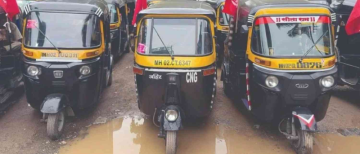
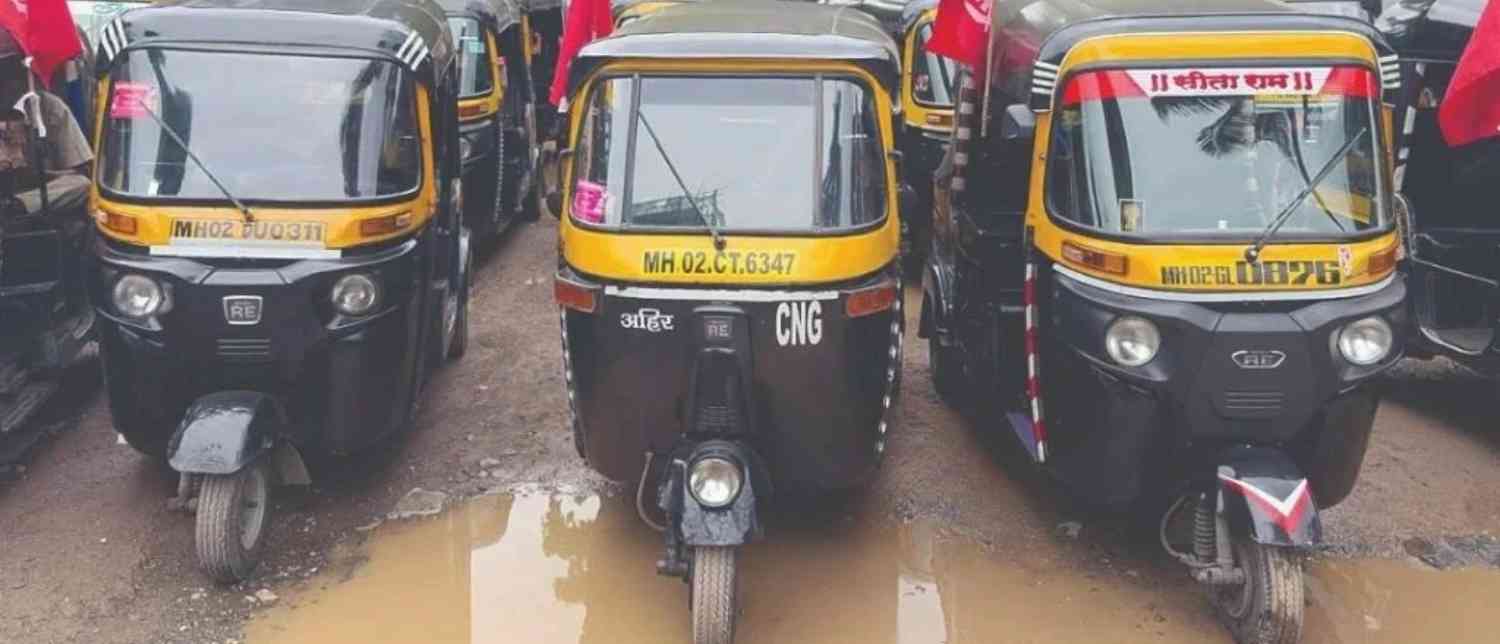
Maharashtra commuters could face significant travel disruptions on Monday, November 23, as auto-rickshaw, taxi and cab drivers across several cities observe a one-day strike against app-based bike taxi services, particularly those operated by platforms such as Rapido and Uber.
The Maharashtra auto rickshaw strike has been called by various transport unions demanding strict action against allegedly unauthorised bike taxi operations. Drivers claim that these services are affecting their livelihoods, operating without complying with necessary transport regulations and creating an uneven playing field for traditional passenger transport operators.
The protest is expected to affect Mumbai, Pune, Pimpri-Chinchwad, Thane, Nashik, Nagpur, Kolhapur and Chhatrapati Sambhajinagar, among other locations. With Monday being the first working day of the week, the strike could create additional difficulties for office-goers, students, daily commuters and passengers who depend on autos and taxis for their everyday journeys.
However, the extent of the disruption may vary from one city to another, depending on the participation of local transport unions.
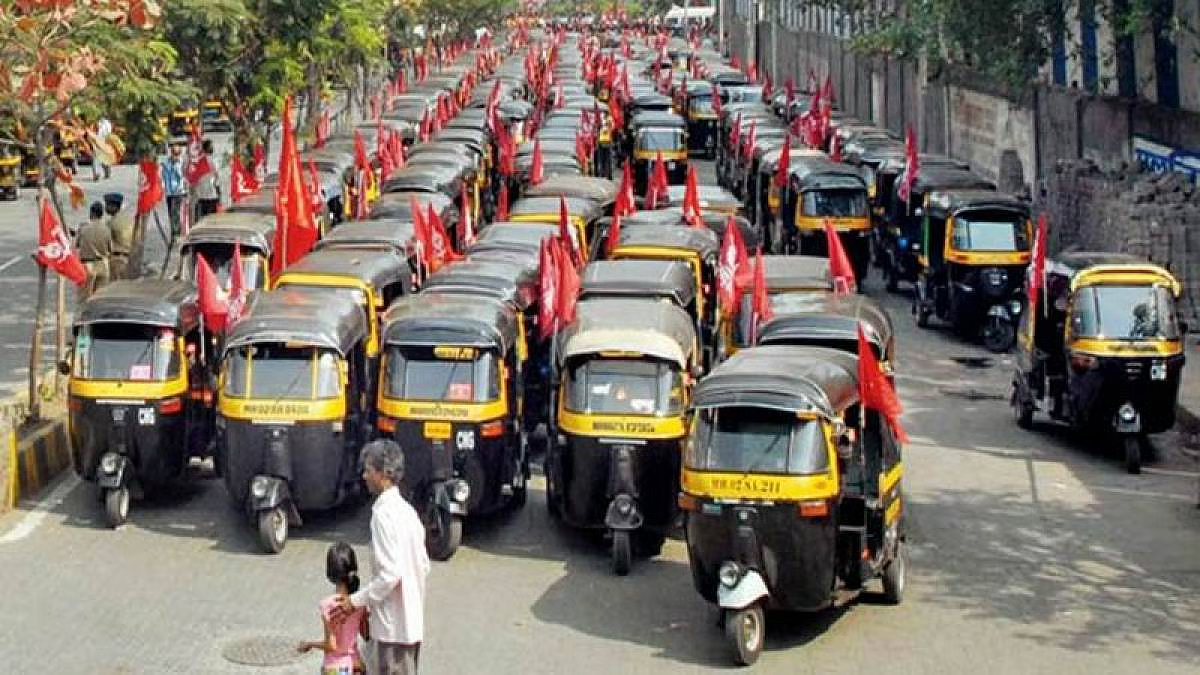
Maharashtra Auto Rickshaw Strike on November 23: What's Happening?
Auto-rickshaw, taxi and cab drivers' associations have announced a statewide protest for November 23, 2026, over their growing concerns regarding app-based bike taxi services and several unresolved demands.
The decision followed a joint meeting of transport unions held in Alandi, Pune district, on November 15. The meeting was chaired by Dr Baba Kamble, national president of the Auto Taxi Transport Federation of India and founder of the Maharashtra Rickshaw Panchayat.
Representatives from different driver and vehicle owner associations participated in the discussions and agreed to intensify their agitation against what they describe as unauthorised passenger transport services.
Although the protest has been projected as a statewide strike, participation is not expected to be uniform everywhere. Some transport organisations in Mumbai have reportedly decided not to participate, meaning auto-rickshaws may continue operating in certain parts of the city.
Nevertheless, commuters in several major Maharashtra cities have been advised to prepare for possible shortages of autos, taxis and app-based cab services.
Why Are Auto-Rickshaw Drivers Protesting Against Rapido Bike Taxis?
The primary reason behind the Maharashtra transport strike is the growing opposition to app-based bike taxi services.
Transport unions have alleged that bike taxi operators, including those associated with Rapido and Uber, are providing passenger transportation without obtaining all the necessary permits and regulatory approvals.
According to protesting organisations, traditional auto-rickshaw and taxi drivers must comply with several government requirements, including commercial vehicle registration, permits, fitness certificates and applicable driver documentation. They argue that bike taxi operators should be subject to equally stringent rules.
Drivers also claim that the increasing popularity of low-cost bike taxi services has reduced passenger demand for conventional auto-rickshaws, particularly for short-distance journeys.
For many auto-rickshaw drivers, short trips represent an important part of their daily earnings. The availability of relatively inexpensive app-based alternatives has intensified competition, putting additional pressure on their already challenging financial situation.
Rising fuel costs, vehicle maintenance expenses and other operating costs have further contributed to their concerns.
The unions argue that the issue is not simply about competition between traditional and app-based transport services. They want the government to establish clear regulations that ensure passenger safety, fair competition and protection for the livelihoods of existing transport workers.
What Are the Major Demands of Maharashtra Rickshaw Unions?
Apart from opposing allegedly unauthorised bike taxi operations, transport unions have raised several demands concerning the financial security and working conditions of auto-rickshaw, taxi and cab drivers.
Their major demands include:
-
Ban on unauthorised bike taxis: Unions want an immediate halt to bike taxi services operating without the necessary permits and regulatory approvals.
-
Action against aggregators: They have demanded strict action against app-based companies found violating passenger transport regulations.
-
Driver welfare corporation: Transport organisations want the government to establish a dedicated welfare corporation for auto-rickshaw, taxi and cab drivers and provide adequate financial support.
-
Investigation into alleged corruption: Unions have called for an inquiry into alleged irregularities in permit renewals and vehicle fitness inspection procedures.
-
Fair aggregator policies: They want greater regulatory oversight of app-based platforms, particularly regarding fare-related practices and their impact on traditional drivers.
-
Better parking facilities: Dedicated and safer parking arrangements near railway stations and other important transport hubs are also among their demands.
The unions believe that addressing these concerns is essential to creating a more balanced and sustainable passenger transport system in Maharashtra.
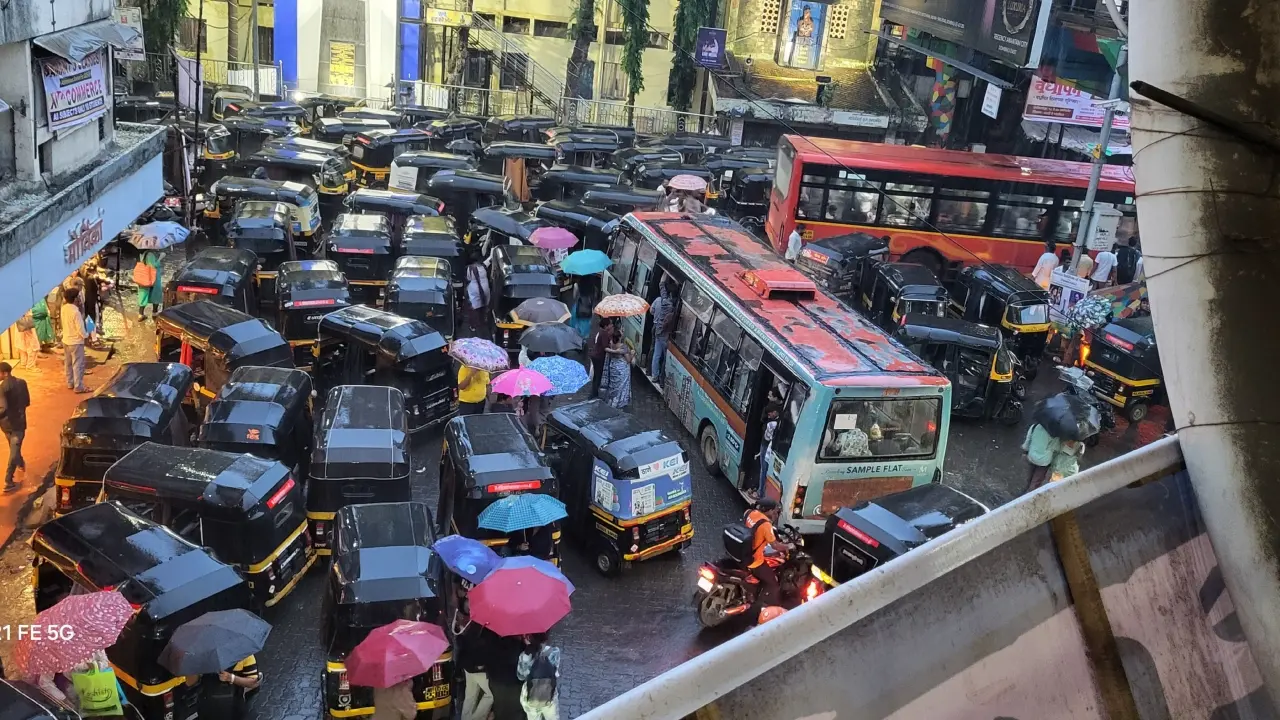
Which Cities Will Be Affected by the Maharashtra Auto Strike?
The November 23 strike call covers several major cities and districts across Maharashtra. However, the actual impact will depend on how many local auto-rickshaw and taxi associations participate.
Here are the key locations where commuters may experience transportation difficulties:
1. Mumbai
Mumbai commuters may face uncertainty regarding auto-rickshaw and taxi availability. While some unions have reportedly opted out of the strike, others have extended support to the statewide protest.
Passengers travelling short distances or relying on autos to reach railway stations, metro stations and bus stops should keep alternative arrangements ready.
Importantly, Mumbai's local trains, metro services and public buses are not included in the strike call and are expected to continue operating.
2. Pune and Pimpri-Chinchwad
Pune and Pimpri-Chinchwad are expected to experience considerable disruption because of the participation of several major auto-rickshaw organisations.
The Rickshaw Panchayat and allied associations have announced their support for the agitation. Demonstrations are also planned outside the offices of Maharashtra Minister of State for Transport Madhuri Misal and Pimpri MLA Anna Bansode.
The main demand is the withdrawal of the government's bike taxi policy and action against services allegedly operating without the required authorisation.
The protest is expected to affect office-goers, students and passengers who depend on three-wheelers for daily transportation.
3. Thane
Thane is another major city where the strike could affect everyday passenger movement. Commuters relying on auto-rickshaws for last-mile connectivity to railway stations, residential areas and workplaces may face longer waiting times.
4. Chhatrapati Sambhajinagar
The strike could also affect auto-rickshaw services in Chhatrapati Sambhajinagar. Reports of commuter difficulties, including challenges faced by students and people travelling for essential daily activities, have added to concerns about the impact of the protest.
5. Nashik, Nagpur and Kolhapur
Transport unions in Nashik, Nagpur and Kolhapur have also been associated with the statewide agitation.
Passengers in these cities should anticipate possible shortages of auto-rickshaws and taxis, particularly during busy commuting hours.
Other districts, including Satara, Sangli and Chandrapur, may also witness participation from local transport organisations.
Commuters Face Problems as Auto Services Are Disrupted
The timing of the Maharashtra auto strike is particularly concerning for ordinary commuters because November 23 falls on a Monday.
Thousands of people depend on auto-rickshaws and taxis to reach offices, educational institutions, hospitals, railway stations and bus terminals. A reduction in available vehicles can make even short-distance journeys difficult.
School and college students may face transportation challenges, especially those who regularly use auto-rickshaws to travel between their homes and educational institutions.
Office employees could also experience delays, particularly when connecting to suburban trains, buses or metro services. Passengers travelling with elderly family members or young children may face additional inconvenience.
In areas where fewer vehicles are available, commuters may have to wait longer, arrange alternative transportation or spend more on their daily journeys.
The situation could become particularly challenging around major railway stations, bus depots, commercial areas and other high-traffic locations.
What Transport Services Will Remain Available During the Strike?
Despite the Maharashtra auto-rickshaw and taxi strike, several important public transport services are expected to remain operational.
According to the strike-related announcements, the following services are not included in the protest:
-
Mumbai local train services
-
Metro services
-
Public bus services
These transport options are likely to provide the most reliable alternatives for commuters during the disruption.
However, passengers should remember that the availability of transport does not necessarily guarantee a smooth journey. Increased demand could lead to crowded trains, buses and metro services, particularly during peak commuting hours.
How Can Commuters Travel During the Maharashtra Strike?
People planning to travel on November 23 should take a few precautions to avoid unnecessary delays.
Plan journeys in advance: Avoid depending entirely on auto-rickshaws or taxis, especially for important appointments, office commutes and school drop-offs.
Use public transportation: Where available, Mumbai local trains, metro services and public buses can help passengers reach their destinations.
Allow extra travel time: Passengers travelling to railway stations, airports or bus terminals should leave earlier than usual to account for potential delays.
Arrange alternative pickups: Those arriving in Mumbai or Pune from other cities can consider arranging hotel pickups or private transportation in advance.
Check local updates: Strike participation may vary between cities and could change during the day. Follow local transport announcements before starting your journey.
Keep backup arrangements ready: Passengers relying on app-based transportation should have another travel option available in case rides become difficult to book.
Will the Maharashtra Auto Strike Affect Daily Commuters?
Yes. The November 23 transport strike could affect thousands of commuters across Maharashtra, particularly those who depend on auto-rickshaws and taxis for short-distance and last-mile connectivity.
However, the impact will vary by location. While some areas may experience a substantial reduction in available vehicles, others may continue to have regular auto services because not all unions are participating.
The continuation of local trains, buses and metro services should provide some relief, although increased passenger demand could create additional pressure on public transport.
Frequently Asked Questions (FAQs)
1. Why are auto-rickshaw drivers on strike in Maharashtra on November 23, 2026?
Auto-rickshaw, taxi and cab unions are protesting against allegedly unauthorised app-based bike taxi services, including those associated with Rapido and Uber. They claim these services affect traditional drivers' earnings and do not consistently follow applicable transport regulations.
2. Which cities are affected by the Maharashtra rickshaw strike?
The strike is expected to affect Mumbai, Pune, Pimpri-Chinchwad, Thane, Nashik, Nagpur, Kolhapur and Chhatrapati Sambhajinagar, along with other districts.
3. Will Mumbai local trains and metro services operate during the strike?
Yes. Mumbai local trains, metro services and public buses are not included in the strike call and are expected to operate normally.
4. Will auto-rickshaws be available in Mumbai on November 23?
Some Mumbai-based unions have reportedly opted out of the strike. Therefore, auto-rickshaws may continue operating in certain areas, although availability could vary.
5. Is the Maharashtra auto-rickshaw strike against Rapido?
The protest primarily targets allegedly unauthorised bike taxi operations, including services associated with Rapido. Unions are demanding regulatory enforcement, action against violations and protection for traditional transport workers.
6. What should commuters do during the Maharashtra transport strike?
Commuters should plan their journeys in advance, use available public transport, allow extra travel time and arrange alternative transportation wherever necessary.
What's next
The Maharashtra auto-rickshaw strike on November 23 highlights the growing tensions between traditional transport operators and app-based mobility platforms. While bike taxis have introduced more convenient and affordable travel options for passengers, their regulation and impact on existing transport workers remain contentious issues.
For auto-rickshaw and taxi drivers, the protest represents a demand for fair competition, regulatory accountability and better financial protection. For commuters, however, it brings the immediate challenge of navigating possible transportation disruptions across several cities.
Whether the agitation leads to concrete government action remains to be seen. For now, passengers travelling across Maharashtra should stay informed, plan ahead and consider alternative transportation options to minimise inconvenience.
© Copyright 2026. All Rights Reserved. Powered by Vygr Media.