 By

A public clash between two Congress leaders has pulled the long-running Cauvery water dispute back into the spotlight, with Tamil Nadu’s farmers and water rights at the centre of the argument.
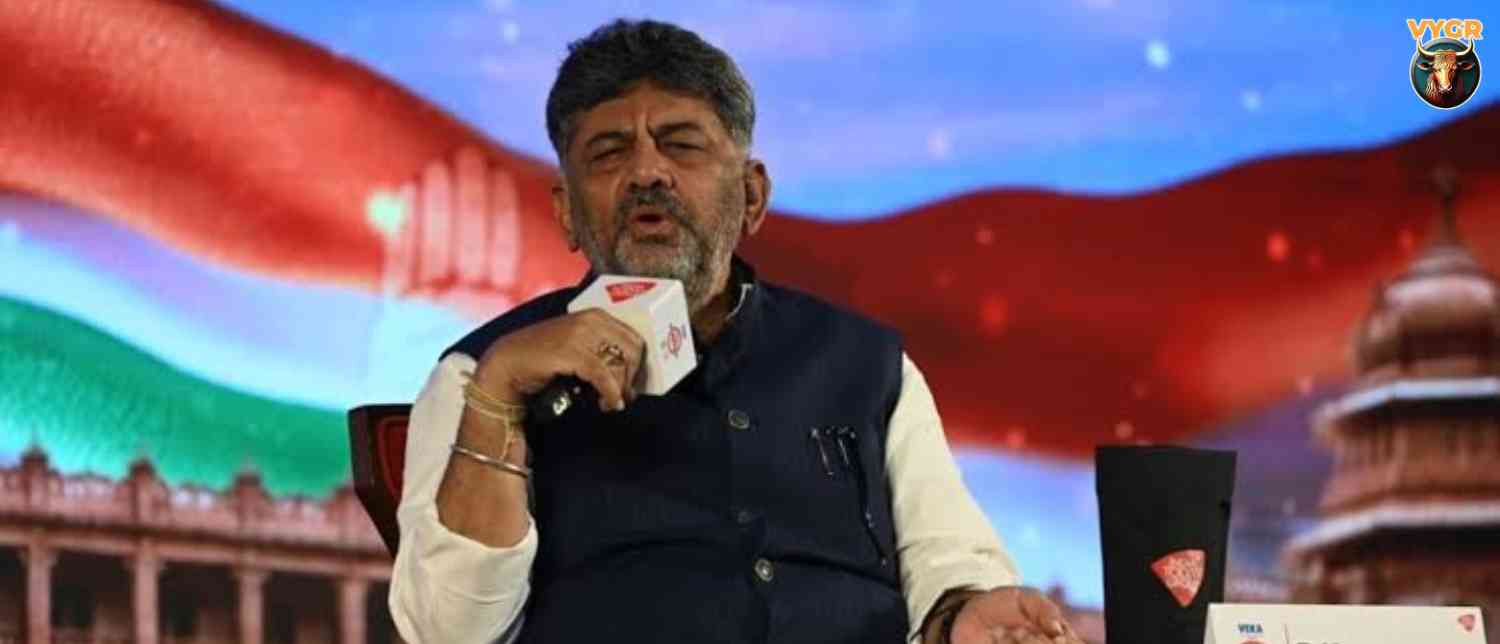
The decades-old Cauvery dispute has acquired a fresh and unusual twist. Karnataka Chief Minister DK Shivakumar said in the presence of Prime Minister Narendra Modi in Mysuru that nobody can stop the construction of the Mekedatu dam and that the Centre should grant its final approval. The remark drew a sharp response from within his own party: Tamil Nadu Congress chief and MP Manickam Tagore called it “completely unacceptable” and urged the Centre not to allow Karnataka to proceed.
The episode is a rare case of two leaders of the same national party taking opposite sides on an inter-state water dispute, and it shows how deeply the issue cuts across political lines.
What was said in Mysuru
Speaking at the event with the Prime Minister present, Shivakumar argued that the Supreme Court had already delivered its decision and that the legal position on the project was clear. He then asked the Union government to give its final approval to the project.
Tagore responded on social media, describing the remarks as highly condemnable. He accused the Karnataka Chief Minister of ignoring the interests of Tamil Nadu’s farmers, and he said it was the duty of the Centre not to let Karnataka “lay even a single brick” for the dam. He also said the project should not move ahead without the consent of the lower riparian states, adding that his side would “fight to any extent” to protect Tamil Nadu’s rights and that the project would never be allowed.
What is the Mekedatu project?
Mekedatu is a proposed balancing reservoir across the Cauvery river near Kanakapura in Karnataka, close to the border with Tamil Nadu. Karnataka’s case rests on a few points:
- Drinking water for Bengaluru. The reservoir is pitched as a way to meet the growing water needs of the state capital.
- Storing surplus water. Karnataka says it would hold water that would otherwise flow to the sea in good monsoon years.
- Benefits for Tamil Nadu. Shivakumar has repeatedly argued that the project helps Tamil Nadu more than Karnataka, because stored water can be released in lean months.
- No veto for neighbours. Karnataka has said Tamil Nadu’s cooperation is welcome and necessary, but its permission is not.
Tamil Nadu sees it very differently. It argues that a new storage structure upstream could reduce flows to the Cauvery Delta, that no new project should be taken up in a river basin that is often in deficit, and that any such project needs the consent of the other basin states.
How the legal and political fight reached this point
The dispute has moved through courts, expert bodies and legislatures over several years. Some key stages:
- November 2025: The Supreme Court rejected Tamil Nadu’s plea against the project as “premature,” observing that the matter was still at the project-report stage and had to be examined by expert bodies such as the Cauvery Water Management Authority and the Central Water Commission. Both sides read the order differently. Karnataka says it clears the way, while Tamil Nadu says the court did not grant any permission.
- Early to mid-2026: Karnataka announced work on a fresh detailed project report. Tamil Nadu’s review petition was dismissed, according to reports.
- June 19, 2026: The Tamil Nadu Assembly passed a unanimous resolution opposing the dam and urging the Centre not to grant any approvals.
- November 6 and 7: Tamil Nadu Chief Minister C. Joseph Vijay wrote to the Prime Minister, asking the Centre to withhold all statutory and administrative approvals until all states sharing the Cauvery basin give their consent. He pointed to the difficulties Delta farmers are already facing in the 2026-27 deficit water year.
- November 8: Shivakumar defended the project in Hassan, saying it would benefit Tamil Nadu and urging the neighbouring state to cooperate.
- November 14: The Mysuru remarks and Tagore’s rebuttal.
Why the Congress-versus-Congress angle matters
In ordinary circumstances, a dispute like this pits one state’s government against another’s. Here it has also created a visible rift within a single party that is trying to hold together a national position while serving very different regional constituencies.
For Shivakumar, the Mekedatu project is a signature issue. He has pushed it for years, in opposition and in government, and it speaks to a core demand of his home state. For Tagore, the pressure runs the other way. Tamil Nadu’s political class, including the ruling party in the state, has been united against the dam, and the state Assembly has taken a unanimous stand. A Tamil Nadu Congress leader who stayed silent in the face of Shivakumar’s remarks would risk looking out of step with farmers and voters.
That is why the exchange has more to do with regional politics than party discipline. It also puts the Congress in an awkward position: it cannot easily back one state without annoying the other.
What Tamil Nadu’s farmers fear
The argument is not abstract for the Cauvery Delta, where paddy cultivation depends on timely releases from upstream. Farmers’ groups have long said that the delta suffers in dry years, when releases fall short, while flood water is released freely in wet years. Tamil Nadu’s leaders argue that a reservoir at Mekedatu would give Karnataka far greater control over when and how much water flows downstream. Karnataka’s counter is that the reservoir would make releases more predictable.
Both claims rest on technical assessments that expert bodies, not politicians, are meant to examine. That is the heart of the process the Supreme Court pointed to, and it is why the Centre’s role in granting or withholding clearances is so important.
What happens next
- The Centre’s response. The Prime Minister was present when Shivakumar made his demand, but the Centre has not announced any decision. Any clearance would have to follow the legal and technical process, including expert review.
- Expert bodies. The Cauvery Water Management Authority and the Central Water Commission are expected to remain central to how the project report is examined.
- Tamil Nadu’s next legal and political steps. The state has already passed an Assembly resolution and written to the Prime Minister, and its government and leaders have repeatedly vowed to oppose the project through every available channel.
- Fallout within the Congress. Whether the party’s national leadership steps in to calm the row, or lets both leaders continue to speak in their regional interests, will be closely watched.
The bottom line
Mekedatu has always been about more than a dam. It touches on Bengaluru’s thirst, the Delta’s livelihoods, the reading of a Supreme Court order and the limits of what a single state can do on a shared river. Friday’s exchange does not change the legal position, but it shows how quickly the dispute can flare when political leaders from the same party find themselves on opposite banks.
© Copyright 2026. All Rights Reserved. Powered by Vygr Media.