 By

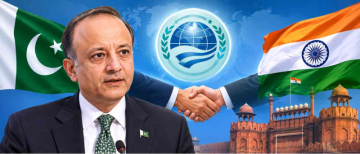
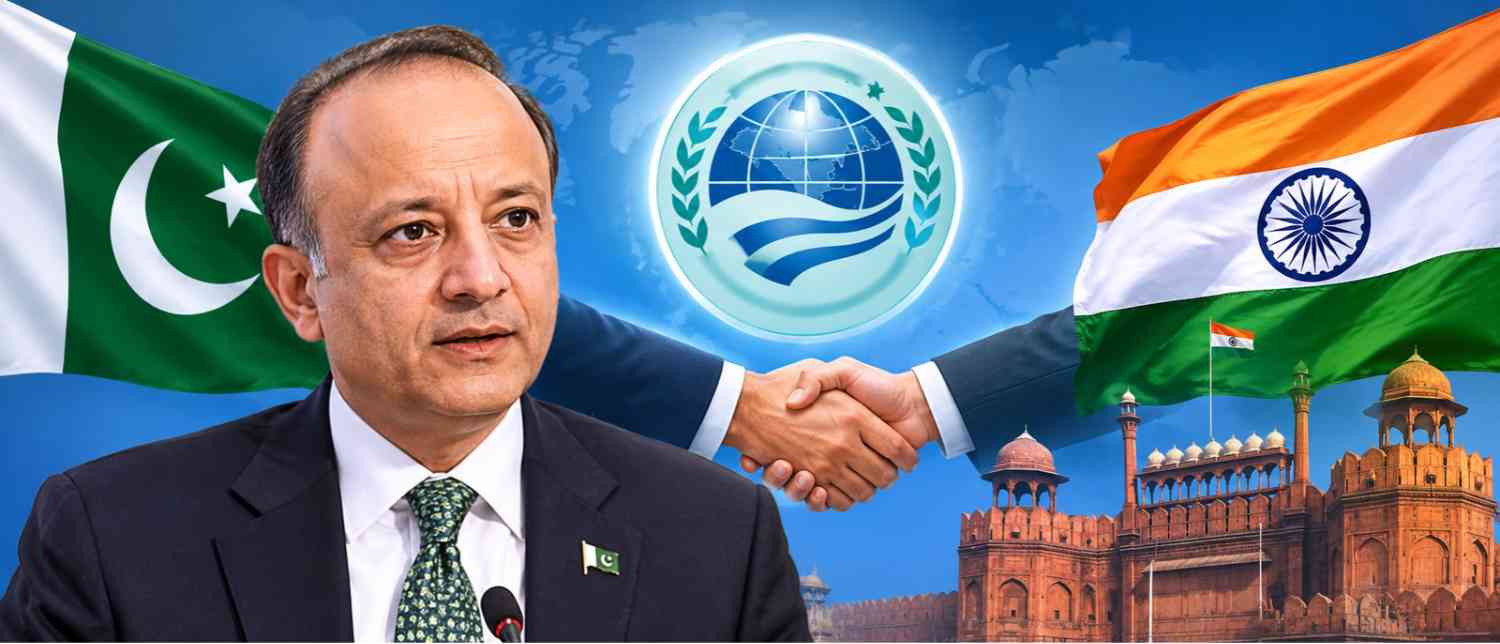
In a significant diplomatic development amid strained bilateral relations, Pakistan has confirmed its participation in India's inaugural Shanghai Cooperation Organisation (SCO) Civilisational Dialogue Forum, scheduled to take place in New Delhi from November 20 to 22, 2026. Islamabad has nominated its Federal Minister for Climate Change and Environmental Coordination, Musadik Masood Malik, to represent the country at the three-day international gathering.
The decision marks a notable moment in India-Pakistan relations, as Malik's proposed visit would be the first ministerial-level visit from Pakistan to India in more than three years. It also signals the continued importance of multilateral diplomatic platforms such as the SCO, even as direct engagement between the two neighbouring countries remains limited.
Pakistan's confirmation comes a day after India's Union Culture Minister Gajendra Singh Shekhawat expressed optimism about Islamabad's participation, saying he remained hopeful that Pakistan would accept the invitation. With the confirmation now in place, the upcoming SCO Civilisational Dialogue Forum is expected to attract greater international attention.
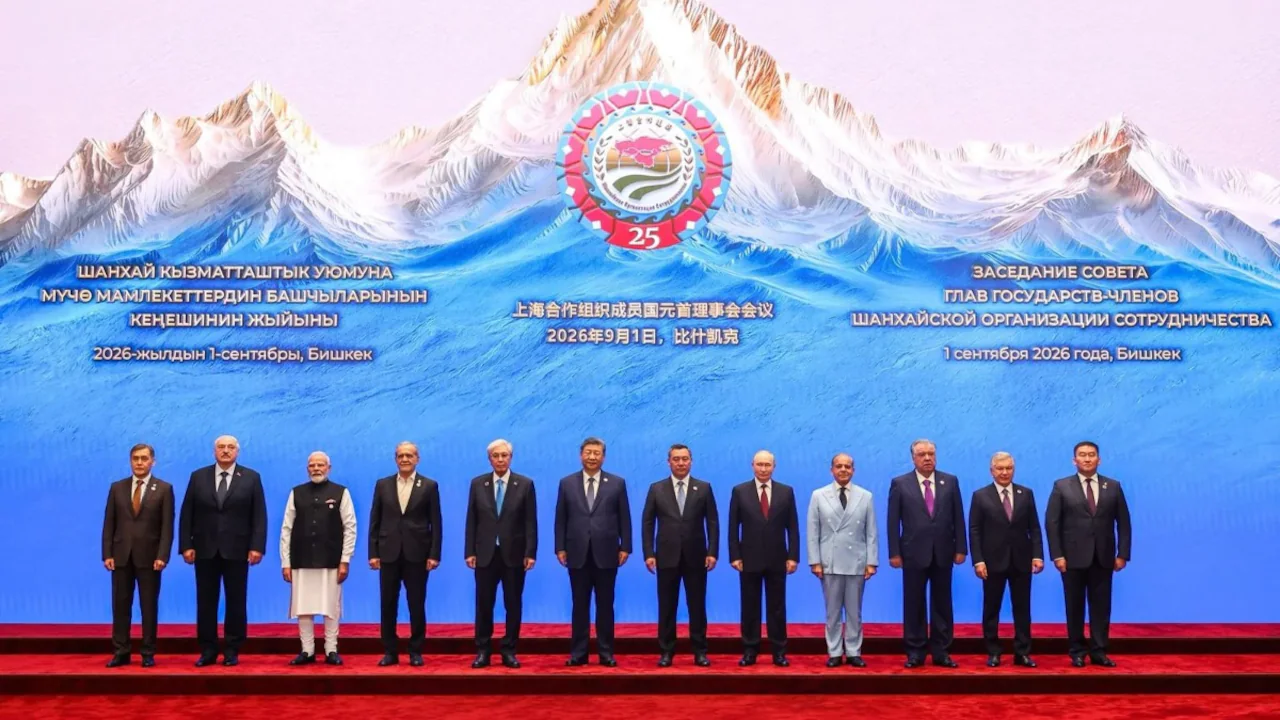
Pakistan Nominates Musadik Masood Malik for SCO Forum in New Delhi
Pakistan's Ministry of Foreign Affairs announced on November 14 that Musadik Masood Malik would represent the country at the SCO Civilisational Dialogue Forum in New Delhi.
According to Islamabad's official statement, the event will bring together representatives from Shanghai Cooperation Organisation member states to exchange views on civilisational dialogue, cultural understanding and people-to-people engagement.
The Pakistani government also reiterated its commitment to promoting dialogue among civilisations and strengthening cultural connections within the SCO framework through mutual respect.
Interestingly, India had initially extended an invitation to Pakistan's Minister for National Heritage and Culture, Aurangzeb Khan Khichi. However, Islamabad subsequently nominated its Climate Change and Environmental Coordination Minister instead.
Pakistan has not publicly explained the reason behind this change in representation.
Nevertheless, the decision to send a federal minister is diplomatically significant, particularly given the prolonged tensions between New Delhi and Islamabad. It provides an opportunity for representatives of both countries to participate in the same international gathering under a multilateral framework.
First Pakistani Ministerial Visit to India in Over Three Years
One of the most significant aspects of Pakistan's participation is the possibility of a rare ministerial-level visit to India.
The last visit by a Pakistani federal minister to India took place in May 2023, when then Foreign Minister Bilawal Bhutto Zardari travelled to Goa to attend the SCO Council of Foreign Ministers meeting.
Since then, relations between the two neighbouring countries have deteriorated considerably. Tensions escalated further following the Pahalgam terror attack in April 2025 and India's subsequent military response under Operation Sindoor.
The developments resulted in a further deterioration of diplomatic engagement between the two countries, leaving very limited opportunities for high-level bilateral interaction.
Against this backdrop, Musadik Malik's proposed visit to New Delhi carries considerable diplomatic significance.
However, it is important to understand that his participation does not necessarily indicate a breakthrough in India-Pakistan bilateral relations. The visit is taking place under the SCO's multilateral framework, where member countries engage on shared regional and international issues.
Even so, the presence of representatives from both countries at the same international platform could create opportunities for limited diplomatic interaction and help maintain channels of communication.
Why Did India Invite Pakistan to the SCO Civilisational Dialogue Forum?
India's invitation to Pakistan is closely connected to its responsibilities as the host of the upcoming SCO Civilisational Dialogue Forum.
New Delhi extended invitations to all 10 SCO member states, alongside dialogue partners and observer countries. The invitation to Pakistan was therefore part of India's broader multilateral engagement rather than an isolated bilateral diplomatic initiative.
India's Ministry of External Affairs had clarified that all SCO member countries were invited to participate in the event.
Before Pakistan confirmed its attendance, Union Culture Minister Gajendra Singh Shekhawat had expressed confidence that Islamabad would eventually respond positively.
Speaking about Pakistan's potential participation, Shekhawat highlighted the shared cultural and civilisational connections between the two countries. He also emphasised that the forum was intended to strengthen cultural relations and encourage dialogue among people across different countries.
According to the minister, the objective is to ensure that the Shanghai Cooperation Organisation functions as more than a geopolitical and economic grouping.
India wants to establish a platform where member nations can also discuss their shared heritage, historical connections, cultural traditions and human values.
SCO Civilisational Dialogue Forum 2026: Dates, Venue and Key Objectives
The inaugural SCO Civilisational Dialogue Forum will be held in New Delhi from November 20 to 22, 2026, with the historic Purana Qila serving as its venue.
Prime Minister Narendra Modi is expected to attend the inaugural ceremony on November 20.
The initiative was originally proposed by Modi during the SCO summit in Tianjin in September 2025. It subsequently received support within the organisation and became part of its broader multilateral agenda.
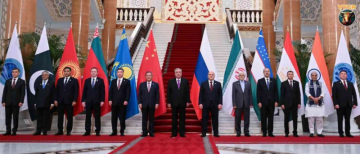
Defence Minister Rajnath Singh formally announced India's plans to host the inaugural forum while addressing the SCO Council of Heads of Government meeting in Dushanbe, Tajikistan, on October 20, 2026.
The event is being jointly organised by India's Ministry of Culture and Ministry of External Affairs.
Its primary objective is to encourage cultural cooperation, strengthen people-to-people connections and promote a better understanding of the diverse civilisations represented within the SCO.
The discussions are expected to revolve around four broad themes, including:
-
Civilisational and cultural expression.
-
Art and architecture.
-
Language and literature.
-
Manuscripts and historical heritage.
Another important area of discussion will be multinational nominations of heritage sites for UNESCO recognition, potentially opening opportunities for greater cultural cooperation among participating countries.
Through the gathering, India also aims to highlight its more than 5,000-year civilisational history and showcase the historical significance of Purana Qila.
China, Iran and Other Countries Confirm Participation
Pakistan's confirmation adds another important participant to an international gathering that has already attracted considerable interest.
Before Islamabad announced its decision, India had confirmed that 15 countries had accepted invitations to attend the forum.
These included China, Kazakhstan, Iran, Kyrgyzstan, Tajikistan, Uzbekistan, Belarus, Azerbaijan, Armenia, Bahrain, Nepal, Saudi Arabia, Cambodia, Turkiye and Sri Lanka.
India had extended invitations to 25 countries, including SCO member states, dialogue partners and observer countries.
The participation of major regional powers such as China, Iran and Russia is particularly important for the broader diplomatic significance of the event.
The Shanghai Cooperation Organisation currently has 10 full members: India, China, Russia, Pakistan, Iran, Belarus, Kazakhstan, Kyrgyzstan, Tajikistan and Uzbekistan.
India and Pakistan became full members in 2017, while Iran joined the organisation in 2023. Belarus became its latest full member in 2024.
The organisation focuses on strengthening mutual trust, regional cooperation, security, stability and economic and cultural engagement across Eurasia.
The upcoming dialogue forum provides an opportunity to expand this cooperation beyond conventional political and security discussions.
Can Cultural Diplomacy Improve India-Pakistan Relations?
Pakistan's participation has naturally raised questions about whether the SCO Civilisational Dialogue Forum could create new opportunities for improving India-Pakistan relations.
Although expectations should remain measured, the event highlights the potential role of cultural diplomacy in maintaining communication between countries facing political disagreements.
India and Pakistan share several historical, linguistic, artistic and cultural connections. Their geographical proximity and overlapping civilisational histories have created common traditions that continue to influence communities on both sides of the border.
However, cultural similarities alone cannot resolve longstanding political disagreements, security concerns or disputes between the two governments.
The upcoming forum is not designed to serve as a formal India-Pakistan peace negotiation. Its broader purpose is to encourage dialogue among participating nations through cultural exchange and shared heritage.
Nevertheless, multilateral gatherings can provide diplomatic opportunities that may otherwise be unavailable during periods of strained bilateral relations.
The presence of Pakistani representatives in New Delhi could help sustain limited communication while allowing both countries to participate in discussions on issues of common regional interest.
For India, the event also offers an opportunity to demonstrate its commitment to multilateral engagement and cultural cooperation despite existing geopolitical challenges.
What Pakistan's Participation Means for the SCO's Future
Pakistan's decision to attend the SCO Civilisational Dialogue Forum is also relevant to the organisation's wider diplomatic framework.
Islamabad assumed the rotating chairmanship of the SCO Council of Heads of State for the 2026-27 term at the September 2026 summit in Bishkek, Kyrgyzstan. Pakistan is scheduled to host the next SCO leaders' summit in August 2027.
This creates an additional reason for Pakistan to remain actively engaged in the organisation's activities.
For the SCO, encouraging participation from all member countries is essential to maintaining its credibility as a regional cooperation platform.
The organisation brings together countries with different political systems, strategic priorities and bilateral relationships. Its ability to facilitate cooperation despite these differences remains one of its defining characteristics.
The Civilisational Dialogue Forum could further strengthen this role by introducing cultural cooperation as another important dimension of regional engagement.
Whether the initiative translates into lasting diplomatic progress will depend on the willingness of participating countries to continue meaningful engagement beyond the event itself.
What happens next
Pakistan's confirmation of participation in India's SCO Civilisational Dialogue Forum represents an important diplomatic development at a time when relations between the two neighbours remain challenging.
With Musadik Masood Malik nominated to lead Pakistan's delegation, the November 20-22 gathering in New Delhi will mark a rare opportunity for ministerial-level engagement between the two countries after more than three years.
While the visit should not be mistaken for a major breakthrough in bilateral relations, it highlights the continuing relevance of multilateral platforms in keeping diplomatic channels open.
For India, hosting the inaugural SCO Civilisational Dialogue Forum is an opportunity to strengthen cultural diplomacy, showcase its historical heritage and promote regional cooperation.
For Pakistan, participation demonstrates its continued engagement with the SCO framework.
Ultimately, the forum's significance will extend beyond the attendance of individual delegations. Its real success will depend on whether participating countries can translate cultural understanding and dialogue into stronger regional cooperation, mutual respect and lasting connections among their people.
© Copyright 2026. All Rights Reserved. Powered by Vygr Media.