 By
By 
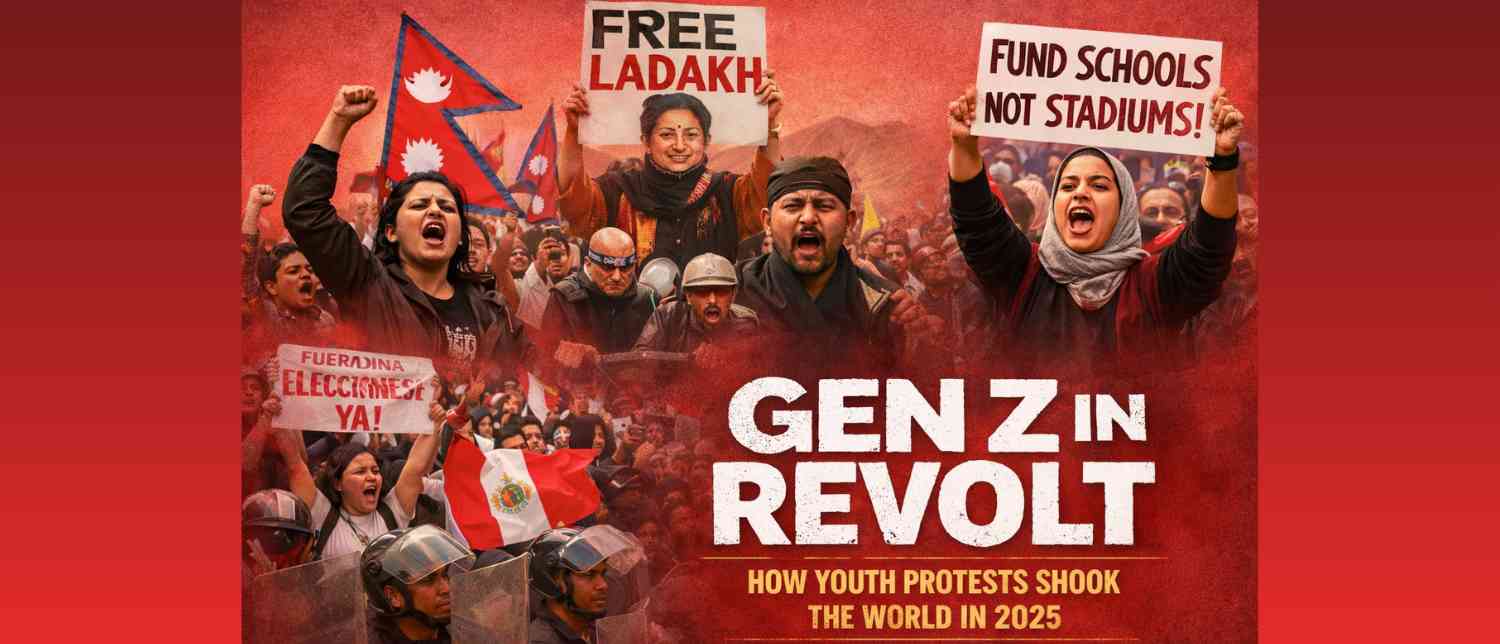
The year 2025 will be remembered not just for elections, conflicts, or economic turbulence, but for a powerful and unmistakable shift in who occupied the streets of global dissent. From the high-altitude valleys of Ladakh to the bustling plazas of Latin America, from island nations in the Indian Ocean to European capitals, young people—predominantly Generation Z—emerged as the most visible face of resistance against political power, corruption, and exclusion.
While youth participation in protests is not new, 2025 marked a turning point in scale, coordination, and impact. What became unmistakably clear over the course of the year was that people across continents were no longer willing to remain silent when they felt ignored, marginalised, or betrayed by political establishments. Governments, many of them already under pressure from economic stress and democratic backsliding, were confronted with a sobering reality: legitimacy can no longer be assumed, and silence is no longer guaranteed.
Across Africa, Europe, Southeast Asia, South Asia, and Latin America, protests erupted with remarkable frequency. Though each country had its own immediate trigger, the underlying grievances echoed one another—rampant corruption, rising costs of living, unemployment, shrinking civic space, and the growing perception that political systems were serving elites rather than citizens.
At the heart of this global unrest stood a generation that grew up online, shaped by smartphones, TikTok feeds, Discord servers, and instant access to information. In 2025, that generation stepped decisively into the political spotlight.
A Global Pattern of Youth-Led Dissent
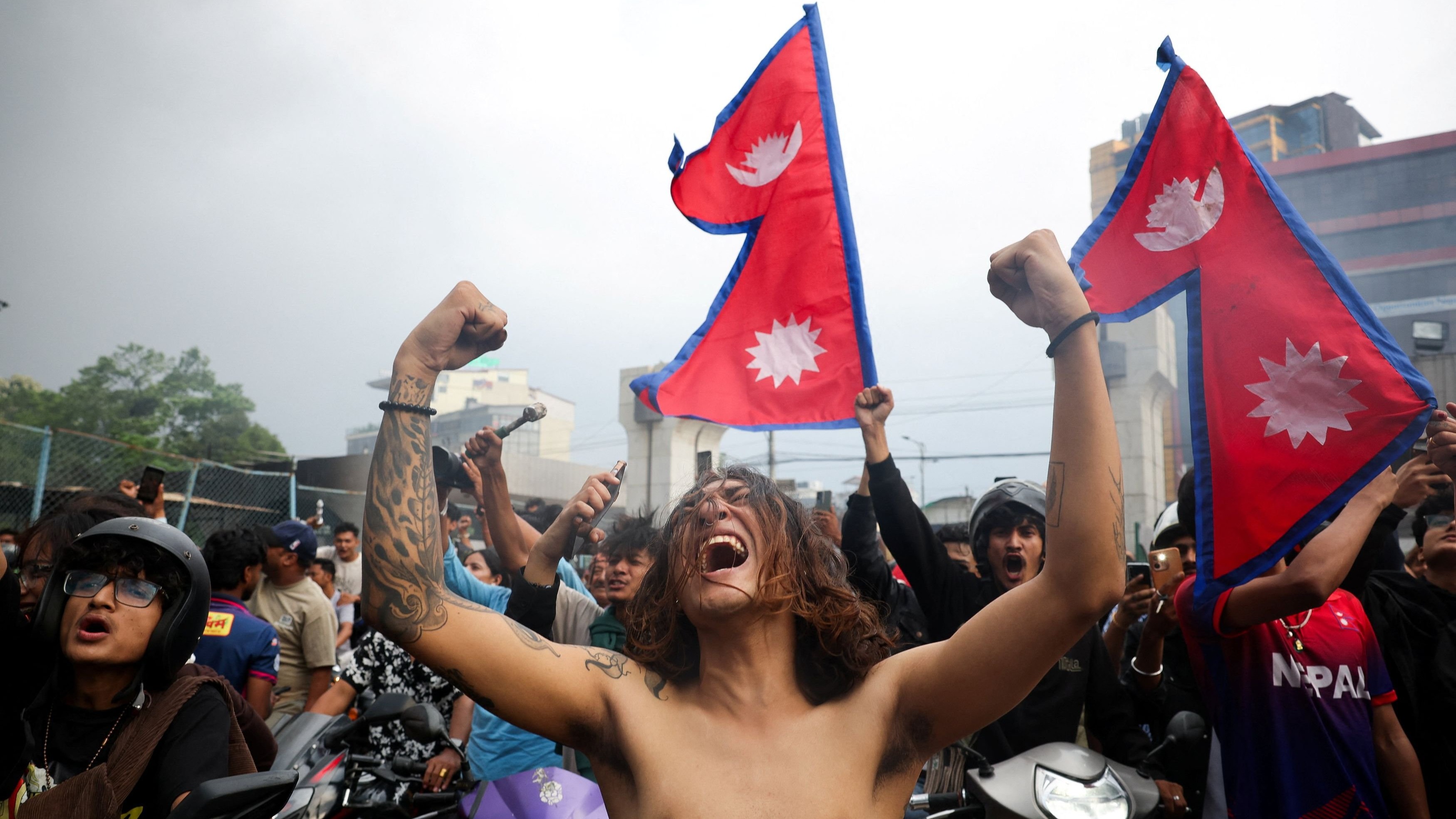
From Nepal’s Kathmandu Valley to Lima’s historic squares, from Moroccan cities to Madagascar’s capital, Gen Z-led protests unfolded in unprecedented waves. Young people demanded accountability, functional public services, and structural reforms, rejecting what many described as entrenched political elitism and stagnant governance.
Political commentators and analysts increasingly argued that these uprisings were not isolated episodes of unrest, but part of a broader global pattern. Economic frustrations, unmet expectations, and widespread disillusionment with political institutions formed the combustible mix that pushed young citizens from screens to streets.
Social media did not merely amplify anger—it organised it. Movements spread rapidly, leaderless yet coordinated, capable of overwhelming traditional mechanisms of control. In several countries, these protests forced resignations, triggered reforms, and exposed deep cracks in governance systems that had long appeared immovable.
Corruption as the Spark
Among the most significant flashpoints of 2025 was Nepal, where Gen Z-led protests in September drew global attention. What began as outrage over nepotism and corruption escalated into a full-blown challenge to the political order. The tipping point came with a controversial government decision to ban major social media platforms, including Facebook, Instagram, WhatsApp, YouTube, and others.
Young people responded by pouring into the streets. Online mobilisation quickly transformed into sustained real-world confrontation. The unrest ultimately led to the resignation of Prime Minister K.P. Sharma Oli, the dissolution of parliament, and the installation of a transitional government with elections scheduled for March 2026.
However, the cost was severe. Over 60 people lost their lives during the protests, including a 12-year-old child and several students. Nepal’s government later estimated that the economic damage—caused by infrastructure destruction and business disruptions—amounted to approximately $586 million.
Corruption-driven anger was not confined to South Asia. In North Macedonia, mass demonstrations erupted in November following allegations of bribery and negligence after a deadly nightclub fire killed around 63 people. Investigations revealed that the club had been operating illegally using an invalid licence obtained through bribes, fuelling public outrage against institutional rot.
Spain also witnessed large-scale protests, with tens of thousands taking to the streets against Prime Minister Pedro Sánchez’s government. The demonstrations followed the leak of audio recordings in which a member of the ruling Socialist Party allegedly made defamatory remarks about a police unit investigating graft allegations involving Sánchez’s wife. Under the banner “Mafia or Democracy,” more than one lakh people reportedly participated, turning corruption into a central political fault line.
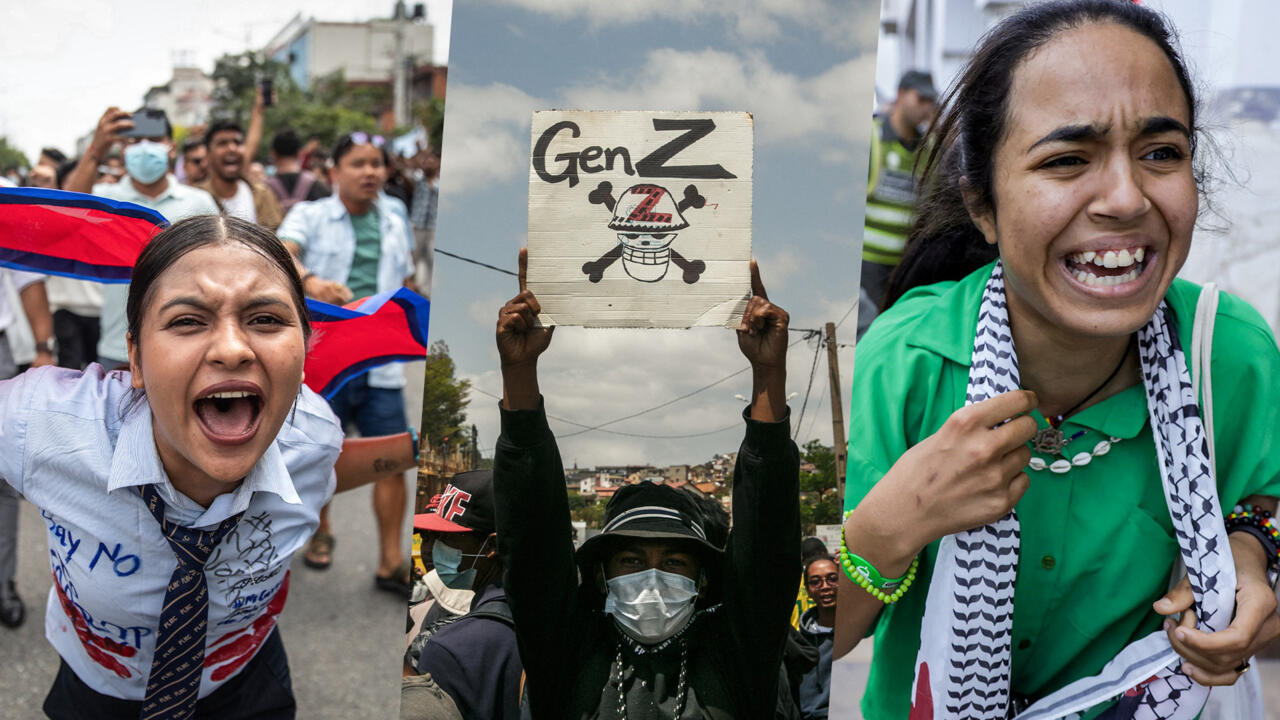
In the Gambia, protesters demanded accountability from leaders accused of long-standing corruption, while in Indonesia and Morocco, Gen Z demonstrators questioned political privilege, poor public services, and wasteful government spending.
Ladakh to France: Protests Without Borders
India’s Ladakh region also experienced unrest in September, when protests demanding greater autonomy turned violent. Four civilians were killed, several were injured, and authorities imposed curfews while suspending internet services. The arrest of prominent scientist and activist Sonam Wangchuk, who had emerged as the face of the movement, further escalated tensions.
In France, September brought a different yet related form of resistance. Workers—including teachers, train drivers, pharmacists, and hospital staff—went on strike over looming budget cuts. Teenagers joined in by blocking access to high schools. Trade unions demanded increased public spending, higher taxes on the wealthy, and the reversal of an unpopular pension reform that required people to work longer.
These varied expressions of dissent underscored a shared reality: economic pressure and political distrust were transcending borders.
Democracy Under Strain
Beyond corruption, fears of democratic erosion became a powerful catalyst. Protests erupted in Mali, Togo, and the Central African Republic against efforts to extend leaders’ time in power. Elsewhere, controversial legislation triggered unrest—from Indonesia’s military law changes to concerns in Ukraine over weakening anti-corruption institutions.
Brazil saw protests against laws perceived as shielding politicians from accountability, while in the United States, repeated demonstrations targeted what critics described as authoritarian actions by President Donald Trump.
Economic hardship further intensified unrest. Austerity measures sparked protests in Belgium, Argentina, and Romania. Rising prices pushed people onto the streets in Greece, Chile, Angola, and Ecuador. In Spain, soaring rents and the lack of affordable housing ignited massive demonstrations, particularly among younger urban residents.
Across these movements, one pattern remained constant: young people, especially Gen Z, were at the forefront. While talk of a “global Gen Z movement” gained traction, 2025 also revealed something broader—that people of all ages were increasingly willing to protest when democratic channels seemed ineffective.
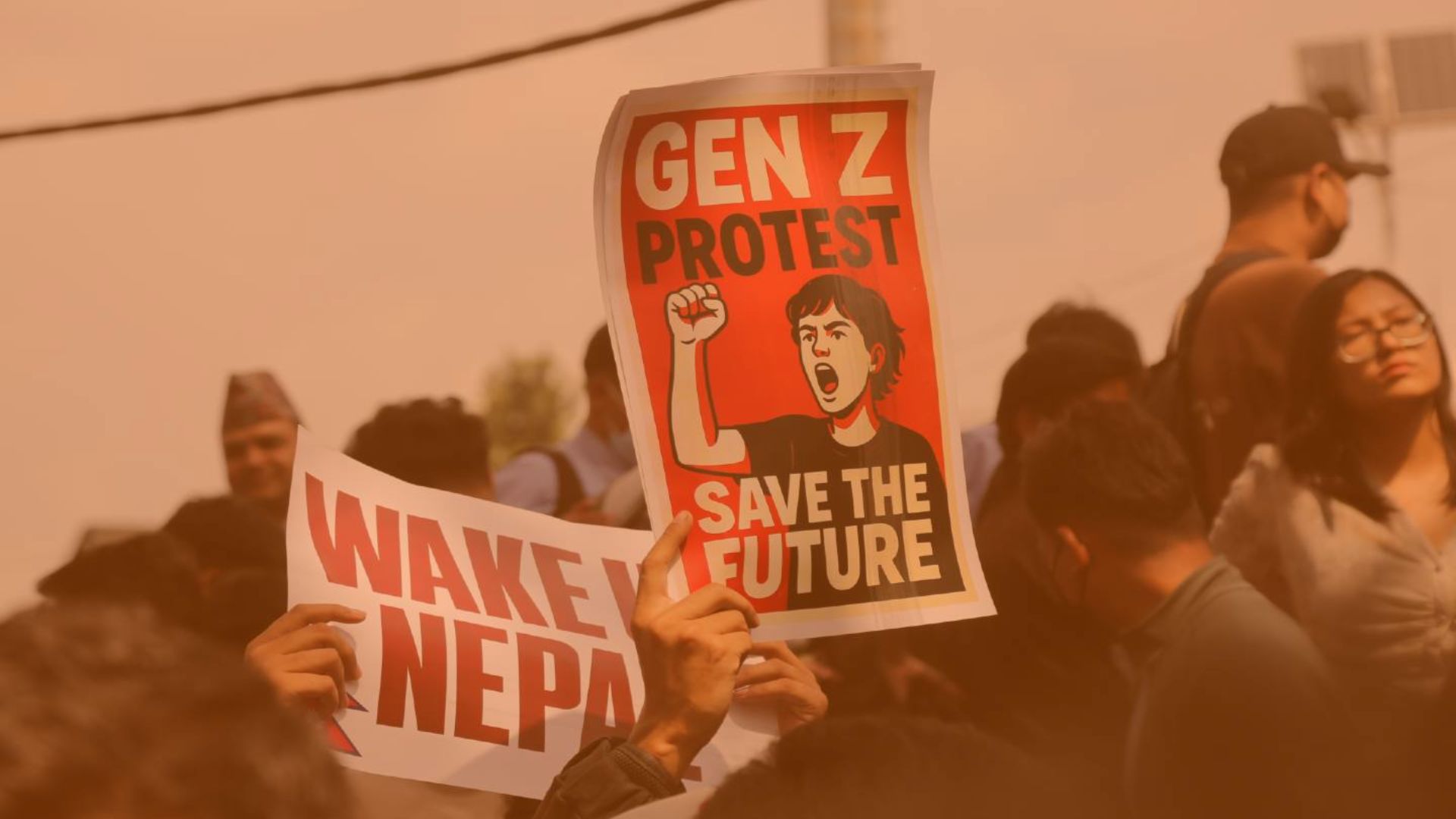
- Nepal: A Youth Uprising That Toppled a Government
Nepal stood out as one of the most dramatic examples of youth power in 2025. The protests that erupted in September were overwhelmingly driven by young citizens angered by corruption, unemployment, political nepotism, and restrictions on digital freedoms.
The social media ban proved to be a catalyst, but the movement quickly expanded beyond digital rights to encompass demands for transparency and accountability. Violent clashes followed, but the political consequences were undeniable. Prime Minister Oli resigned, parliament was dissolved, and the country entered a transitional phase.
Despite the economic toll and tragic loss of life, Nepal’s uprising became a symbol of how digitally native youth could convert online mobilisation into real political change.
- Peru: Persistent Anger in the Streets
In Peru, thousands of young people participated in protests throughout 2025, driven by opposition to a controversial pension law and growing frustration over corruption, crime, and economic stagnation. While the movement lacked a single banner or central leadership, weekly demonstrations became a fixture in Lima’s San Martín Square and other urban centres.
In September, protests intensified against President Dina Boluarte’s government, with demonstrators demanding early elections and accountability. Lingering resentment over earlier crackdowns, combined with distrust of Congress and state institutions, fuelled the unrest, highlighting deep generational discontent.
- Morocco: Questioning Priorities Through Gen Z 212
Morocco’s protests, led in large part by decentralised youth groups such as Gen Z 212, revealed frustration with government priorities. Beginning in late September, demonstrations spread across more than ten cities, coordinated via TikTok, Instagram, and Discord.
Protesters demanded better healthcare, education, and employment opportunities, criticising the government’s heavy investment in preparations for the 2030 FIFA World Cup while schools and hospitals remained underfunded. Though the government did not fall, the protests forced public debate and reform pledges, showing how Gen Z activism could shape national discourse.
- Madagascar: Infrastructure Failure Sparks Political Upheaval
In Madagascar, chronic shortages of water and electricity became the rallying point for one of the largest youth-led movements in years. What began as protests over basic services escalated into nationwide demonstrations demanding accountability and better governance.
The unrest reached a breaking point when President Andry Rajoelina dissolved his government. The military stepped in to oversee a transitional administration, promising elections and constitutional reform. Though the country’s long-term political trajectory remains uncertain, the protests demonstrated how fundamental grievances, amplified by youth mobilisation, could trigger dramatic political change.
- Kenya, Philippines, and Beyond
Kenya’s Gen Z-led protests, which initially erupted in 2024 over the proposed Finance Bill, resurfaced in 2025 following incidents of police brutality, abductions, and deaths in custody. The government’s forceful response and legislative moves perceived as shrinking civic space deepened outrage.
In the Philippines, thousands protested against lawmakers implicated in a massive flood-control corruption scandal. Church groups, activists, and citizens called for resignations and arrests, warning President Ferdinand Marcos Jr. of rising public anger.
Paraguay saw youth-driven protests against corruption, nepotism, narco-politics, and failures in basic services, while Indonesia witnessed demonstrations over extravagant housing allowances for MPs—protests that culminated in the removal of the labour minister.
Bulgaria experienced mass protests against corruption and the government’s 2026 draft budget, alongside opposition to adopting the euro in January. In Mexico, protesters stormed the National Palace in November following the assassination of a mayor who had taken on drug-trafficking gangs, turning crime and corruption into flashpoints for national anger.
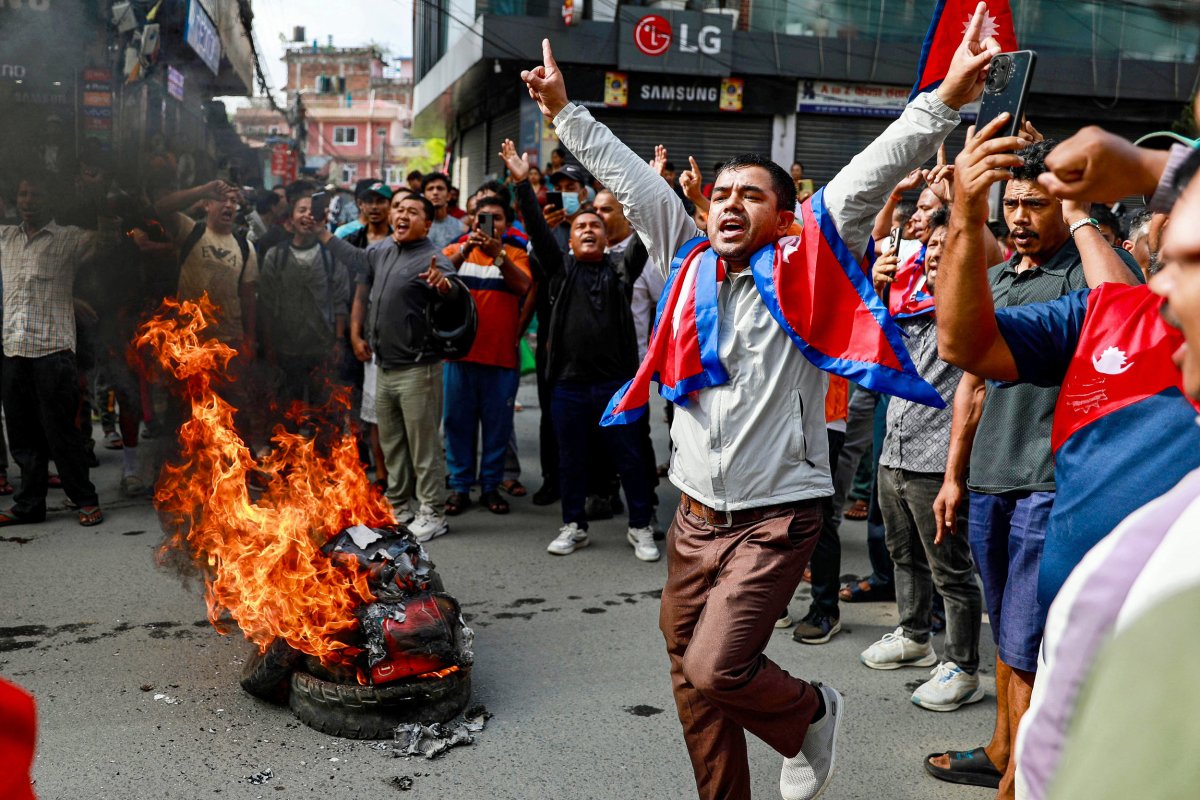
A Shared Digital Playbook
What linked these geographically diverse movements was not ideology, but method. Leaderless, decentralised, and digitally coordinated, Gen Z protests relied on rapid online mobilisation, symbolic imagery, and shared narratives shaped by popular culture.
Social media platforms enabled coordination at unprecedented speed, allowing movements to grow organically without traditional leadership structures. This digital playbook made protests harder to suppress and easier to replicate across borders.
What Comes Next?
As 2025 draws to a close, the impact of Gen Z-led uprisings is undeniable. Governments have fallen, policies have shifted, and political debates have widened to include voices long excluded from power. Yet a crucial question remains: can street-level energy translate into durable institutional change?
What is clear is that this generation is no longer waiting quietly for permission to participate. From Nepal and Peru to Morocco and Madagascar, young people have demonstrated that they are prepared to challenge authority, demand accountability, and redefine political engagement on their own terms.
For governments worldwide, the message of 2025 is unmistakable. The streets are speaking—and ignoring them is no longer an option.
With inputs from agencies
Image Source: Multiple agencies
© Copyright 2025. All Rights Reserved. Powered by Vygr Media.