 By
By 
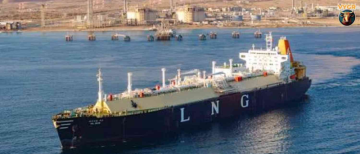
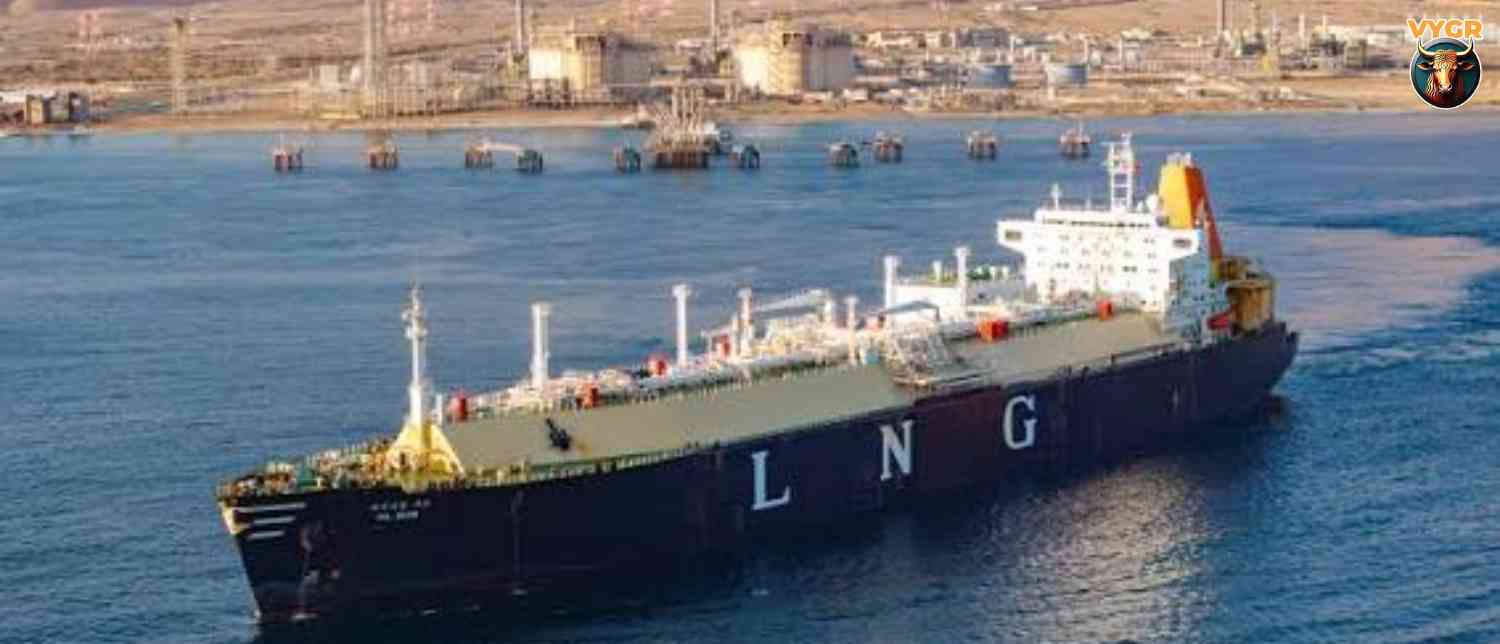
Look at where India’s gas comes from now, and the old map no longer fits. Qatar, once the country’s dominant supplier, has shrunk to a sliver of the total. The US has slipped to third. And Oman, a Gulf producer that sits outside the Strait of Hormuz, has quietly taken the top spot.
What the numbers show
According to Kpler data, India imported 585,000 tonnes of LNG from Oman in September. That was 27 per cent of the month’s total and up 11.6 per cent from August, enough to make Oman India’s largest supplier.
Nigeria came second with 351,000 tonnes, although that was 35 per cent lower than in August. The US, which topped the list in August with 848,000 tonnes, fell 59 per cent to third place, with about 16 per cent of September imports. The UAE (311,000 tonnes) and Angola (205,000 tonnes) followed.
Qatar’s slide
The biggest change is Qatar. It was the sixth-largest supplier in September with about 94,000 tonnes, or around 4.3 per cent of imports. Qatar used to account for roughly 45 per cent of India’s LNG. One report says that from April to September, India took only about 409,000 tonnes from Qatar, compared with 5.33 million tonnes a year earlier. A single report gives that comparison, so treat it as indicative. Reports link the fall to the West Asia conflict and regional infrastructure disruption, including force majeure declarations earlier this year.
Why Oman matters
Oman’s rise has a simple logic. India imports nearly half of its LNG needs, and about 60 per cent of shipments from West Asian suppliers such as Qatar and the UAE pass through the Strait of Hormuz. Oman’s cargoes don’t. Analysts have noted that India’s crude imports are relatively insulated by diversified sourcing, while LNG and LPG are more exposed to Gulf shipping disruption because short-term alternatives are limited.
Robust over the half-year, softer in September
The picture is not one of shortage. India’s total LNG imports fell 14 per cent in September to 2.17 million tonnes, from 2.5 million tonnes in August. But over the April to September period, one report puts total imports up 12.2 per cent year on year at 13.71 million tonnes. That report also puts Oman’s April-to-September volume at 2.92 million tonnes, up 62.2 per cent, and Nigeria’s at 2.68 million tonnes, up 37.4 per cent. These half-year figures come from one source and should be checked against Kpler or government data before you rely on them.
Put together, the pattern is a sharp reshuffle of suppliers, with a soft September on top of a firm half-year.
What officials say
A government official quoted in the reports said India has stepped up gas supplies from a number of countries, including Canada, the US and Algeria. We have not seen a detailed statement from the Petroleum Ministry on the September figures.
What it means for households and industry
LNG feeds power plants, fertiliser units, city gas networks and industry, so supply shifts can eventually reach consumers through prices and availability. The reports we reviewed do not say that prices have changed or that any sector is short of gas, and we aren’t suggesting either. What the data does show is a supply chain being rerouted in real time, with longer sea routes from the US and Africa replacing shorter hauls from the Gulf.
What happens next
The key questions are whether Qatar’s volumes recover, whether the US regains the top spot, and how the Hormuz situation develops. October’s data, due early next month, will be the next test.
© Copyright 2026. All Rights Reserved. Powered by Vygr Media.