 By

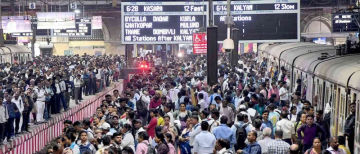
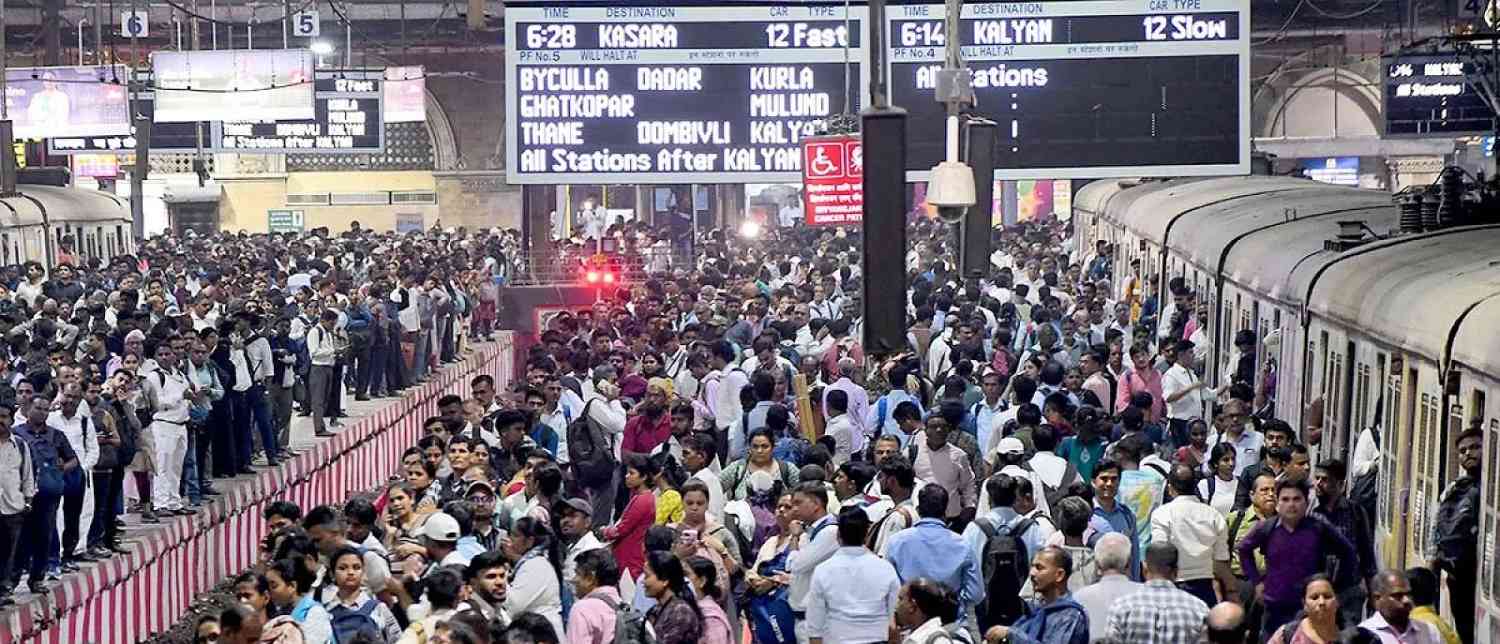
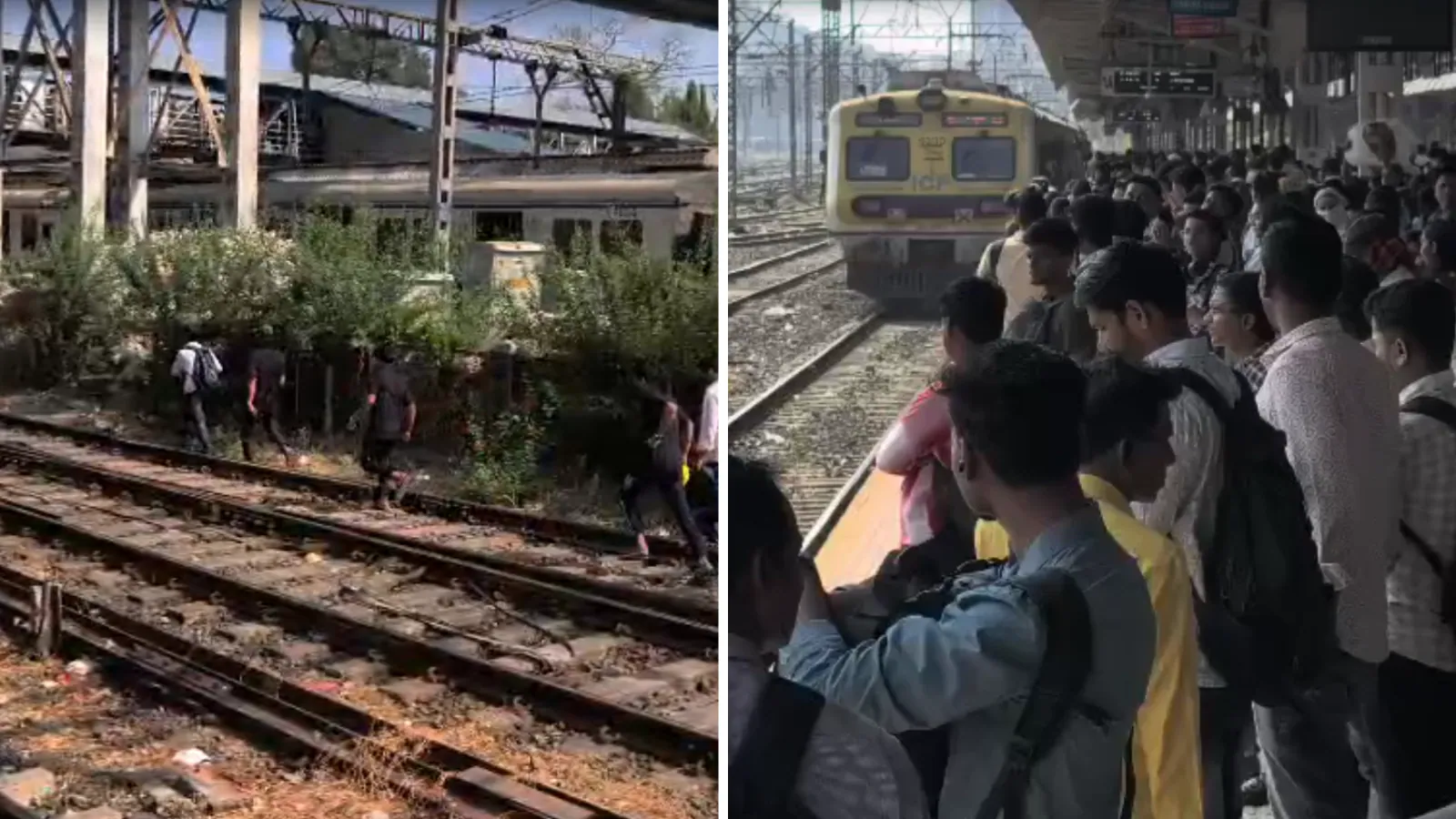
Mumbai, October 26, 2026: Mumbai's suburban railway network witnessed a major disruption on Monday after a fire in the relay room at Kanjurmarg station triggered a signalling failure, leaving thousands of commuters stranded during the morning rush. With local trains running behind schedule and services coming to a standstill across affected sections of the Central Railway's Main Line, frustrated passengers were seen walking along railway tracks between Mulund and Nahur to reach nearby stations.
The disruption lasted several hours, affecting daily commuters travelling towards Chhatrapati Shivaji Maharaj Terminus (CSMT) and other destinations. The situation was further complicated by an earlier technical issue involving an overhead wire between Mulund and Thane.
Amid the chaos, three people were reported dead at separate locations along Mumbai's railway tracks. One of the victims was identified as 21-year-old Sahil Thite, who was struck by a local train at Bhandup station while crossing the tracks. However, officials have not established whether the reported deaths were directly connected to the disruption in suburban train services.
The incident has once again highlighted the safety risks associated with railway emergencies, the importance of reliable signalling infrastructure and the challenges faced by Mumbai's heavily relied-upon local train network.
Fire at Kanjurmarg Station Triggers Major Signal Failure
The disruption began on Monday morning when a fire or smoke incident was reported in the relay room at Kanjurmarg railway station. The incident affected the signalling system, disrupting train movements between Thane and Vikhroli and causing widespread delays on the Central Railway's Main Line.
Railway signalling systems play a crucial role in ensuring that trains operate safely by regulating their movement and providing the necessary clearances. When a signalling system fails, train operations can be slowed or suspended until railway personnel establish safe procedures for movement.
In this case, the failure affected signals at Kanjurmarg and disrupted operations between Vikhroli and Bhandup. Both slow and fast local train services in the up and down directions experienced difficulties, leaving passengers waiting at stations and inside stationary trains.
The problem was compounded by a separate technical issue involving a foreign wire found hanging from overhead equipment between Mulund and Thane. According to railway information, the wire was detected on the down slow line at approximately 9:23 am.
An overhead equipment block was subsequently arranged at around 10 am to allow the wire to be removed safely. The combination of the overhead equipment issue and the signalling failure created further operational challenges for railway authorities attempting to restore normal services.
Mumbai Local Train Delays Leave Commuters Stranded
For thousands of office workers, students and other daily passengers, Monday's disruption quickly turned into a difficult commute.
Mumbai's local trains serve as a lifeline for the city's workforce, connecting residential suburbs with major commercial districts. Even relatively short delays can create overcrowding and disrupt carefully planned journeys. A prolonged interruption affecting several lines can have consequences across the entire transport network.
On Monday, commuters on the Central Railway's Main Line faced delays and uncertainty as trains remained stationary or operated behind schedule. Initial complaints indicated that some local services were running at least 15 to 20 minutes late before the situation deteriorated further.
With trains unable to move normally because of the lack of signal clearance, passengers gathered at stations and waited for updates. Those travelling during the morning rush faced the prospect of reaching workplaces late, missing appointments and struggling to find alternative transport.
The disruption was particularly difficult for passengers whose journeys depended on multiple train connections. As services became increasingly irregular, many commuters were left unsure whether waiting for the next train would be faster than seeking another way to reach their destinations.
Commuters Walk on Railway Tracks Between Mulund and Nahur
One of the most concerning developments was the sight of passengers walking along railway tracks between Mulund and Nahur stations.
After waiting for extended periods, some commuters climbed down from stationary trains and attempted to walk towards nearby stations or accessible roads. The scenes reflected the growing frustration among passengers desperate to continue their journeys.
However, walking on railway tracks is extremely dangerous, even when train services appear to have stopped. Trains may approach from either direction, and passengers walking along the tracks may have limited visibility or insufficient time to move out of the way. Electrical equipment and other railway infrastructure can also present additional hazards.
A disruption does not mean that every track has been closed to train movement. Services may continue on other lines, and railway personnel may authorise train movements under special operating procedures while repairs are underway.
The incident therefore underlined the importance of clear communication during major railway disruptions. Passengers need timely information about service suspensions, alternative travel arrangements and safe ways to leave stranded trains.
Railway authorities appealed to commuters not to walk on the tracks, warning against actions that could put lives at risk. Although passengers may feel compelled to take matters into their own hands when services remain suspended, leaving a train without authorisation can expose them to potentially fatal danger.
Three Deaths Reported on Mumbai Railway Tracks
The disruption took a further turn as reports emerged that three people had been found dead at separate locations along Mumbai's railway tracks.
Two bodies were reportedly discovered along the Ghatkopar–Vikhroli stretch and were taken to Rajawadi Hospital. Another person was found dead in Bhandup.
While the reports emerged amid the widespread disruption, the available information did not establish a direct connection between all three deaths and the signalling failure or the scenes of passengers walking on the tracks. The circumstances surrounding the separate incidents must therefore be distinguished from the confirmed details of the railway disruption.
The Bhandup incident involved 21-year-old Sahil Thite, a resident of Amar Nagar in Mulund Colony. According to officials, Thite was attempting to cross the tracks to reach Platform No. 3 from Platform No. 4 when he was struck by a local train.
His death added to the day's concerns over railway safety, particularly as passengers across the affected network were being forced to reconsider their travel plans.
Although the timing of the fatal accident raised questions about whether the disruption played a role, officials had not confirmed a direct link. The incident nevertheless serves as a reminder that railway tracks are not safe pedestrian routes, regardless of the operational conditions around them.
Railway Restoration Work Continues After Technical Failure
Following the disruption, railway personnel began efforts to restore the affected signalling equipment and remove the foreign wire from the overhead infrastructure.
The damaged cables required replacement, with the repair work initially expected to take around four hours. Because the problem affected critical signalling equipment, restoring normal operations required more than simply restarting train services.
Railway authorities also adopted special operating arrangements in affected sections to manage train movements while repairs were underway. Such procedures are intended to maintain safety when normal signalling facilities are unavailable, although they can limit the number of trains that can move through the affected stretch.
By Monday evening, officials confirmed that three of the four affected suburban lines had been restored. Services gradually moved towards normalisation, although the disruption had already caused substantial inconvenience to commuters.
The full impact on individual journeys varied according to the route, the time passengers travelled and the availability of alternative services. Commuters were advised to follow official railway updates rather than rely on assumptions about when normal operations would resume.
Railway officials also indicated that the circumstances surrounding the relay-room incident would be investigated after restoration work was completed.
Eastern Express Highway Traffic Also Affected
The consequences of the Mumbai local train disruption extended beyond the railway network.
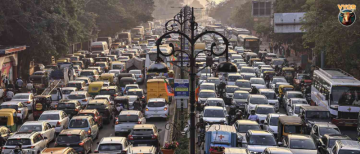
As passengers sought alternatives to suburban trains, road transport came under additional pressure. Heavy congestion was reported on the Eastern Express Highway, with vehicles moving slowly as commuters attempted to reach their destinations by road.
Some passengers turned to BEST buses, auto-rickshaws and cabs to complete their journeys. However, when large numbers of people switch from trains to road transport at the same time, the increased demand can make alternative travel difficult as well.
The resulting situation demonstrated how closely Mumbai's transport systems are interconnected. A serious interruption on the Central Railway's Main Line can affect not only railway passengers but also road users, businesses and people relying on predictable travel times.
For commuters, the challenge was no longer limited to delayed trains. It also involved finding available transport, dealing with road congestion and deciding how best to complete journeys that would ordinarily be straightforward.
Disruption Raises Questions About Railway Reliability and Safety
Monday's incident also prompted questions about railway maintenance and the resilience of critical infrastructure.
The disruption occurred just one day after the Central Railway had conducted a scheduled mega block for maintenance. The timing left some passengers questioning how such a significant technical failure could occur so soon after planned maintenance work.
A scheduled maintenance block, however, does not automatically prevent every subsequent technical problem. Railway systems contain complex electrical, signalling and overhead equipment, and the cause of a specific failure must be established through an investigation rather than assumed.
The incident nevertheless highlights the importance of preventive maintenance, rapid fault detection and effective emergency planning. It also demonstrates why passengers need accurate information when a disruption affects several lines simultaneously.
For a city where millions depend on suburban rail services, even a temporary failure can create widespread inconvenience. Reliable signalling, coordinated repair work and clear announcements are essential to keeping passengers informed and reducing unsafe behaviour during emergencies.
The deaths reported on Monday make the need for caution particularly urgent. While a direct link between the disruption and the separate fatalities has not been established, the sight of passengers walking along active railway tracks illustrates the dangers that can arise when normal travel arrangements break down.
What Commuters Should Know After the Mumbai Local Train Disruption
Passengers travelling on the Central Railway's Main Line should check official service announcements before beginning their journeys during or immediately after a major disruption.
Commuters should avoid boarding or leaving trains without authorisation, refrain from walking on railway tracks and follow instructions from railway personnel. If a train is stationary for an extended period, passengers should wait for official guidance on safe evacuation or alternative arrangements.
Those switching to road transport should also account for possible congestion, particularly on routes such as the Eastern Express Highway, where demand may rise sharply when suburban train services are interrupted.
For railway authorities, the immediate priority is restoring reliable services and determining the cause of the technical failure. Longer-term concerns include strengthening infrastructure reliability, improving passenger communication and ensuring that emergency arrangements discourage dangerous attempts to reach stations on foot.
Mumbai's local trains remain indispensable to the city's daily rhythm. Monday's disruption showed how quickly a technical problem can affect thousands of journeys, spill over onto roads and raise serious safety concerns.
As normal services return, commuters will be looking for answers about the Kanjurmarg relay-room incident, greater clarity during future disruptions and reassurance that passenger safety remains central to railway operations.
© Copyright 2026. All Rights Reserved. Powered by Vygr Media.