 By

The 2026 US midterm elections have exposed a significant shift in the political preferences of Indian-American voters, with growing dissatisfaction over President Donald Trump's policies emerging as a major factor behind the changing electoral landscape. Once seen as a community increasingly open to the Republican Party, Indian-Americans appear to be reconsidering their political loyalties as immigration restrictions, H-1B visa curbs, economic uncertainty, rising living costs and concerns about racial discrimination take centre stage.
The shift is particularly significant because Indian-Americans have traditionally been among the Democratic Party's most dependable voting groups. Although Donald Trump made notable gains among sections of the community during the 2024 presidential election, his second term has tested that support in several ways.
The latest political developments suggest that the Republican Party's growing appeal among Indian-American voters may not have translated into lasting electoral support. From concerns over skilled-worker immigration and employment opportunities to deteriorating perceptions of US-India relations and questions about belonging, multiple issues have influenced how the community views the Trump administration.
The outcome of the November 2026 midterm elections, which saw Democrats secure control of both the House of Representatives and the Senate, has further highlighted the political consequences of these changing preferences.
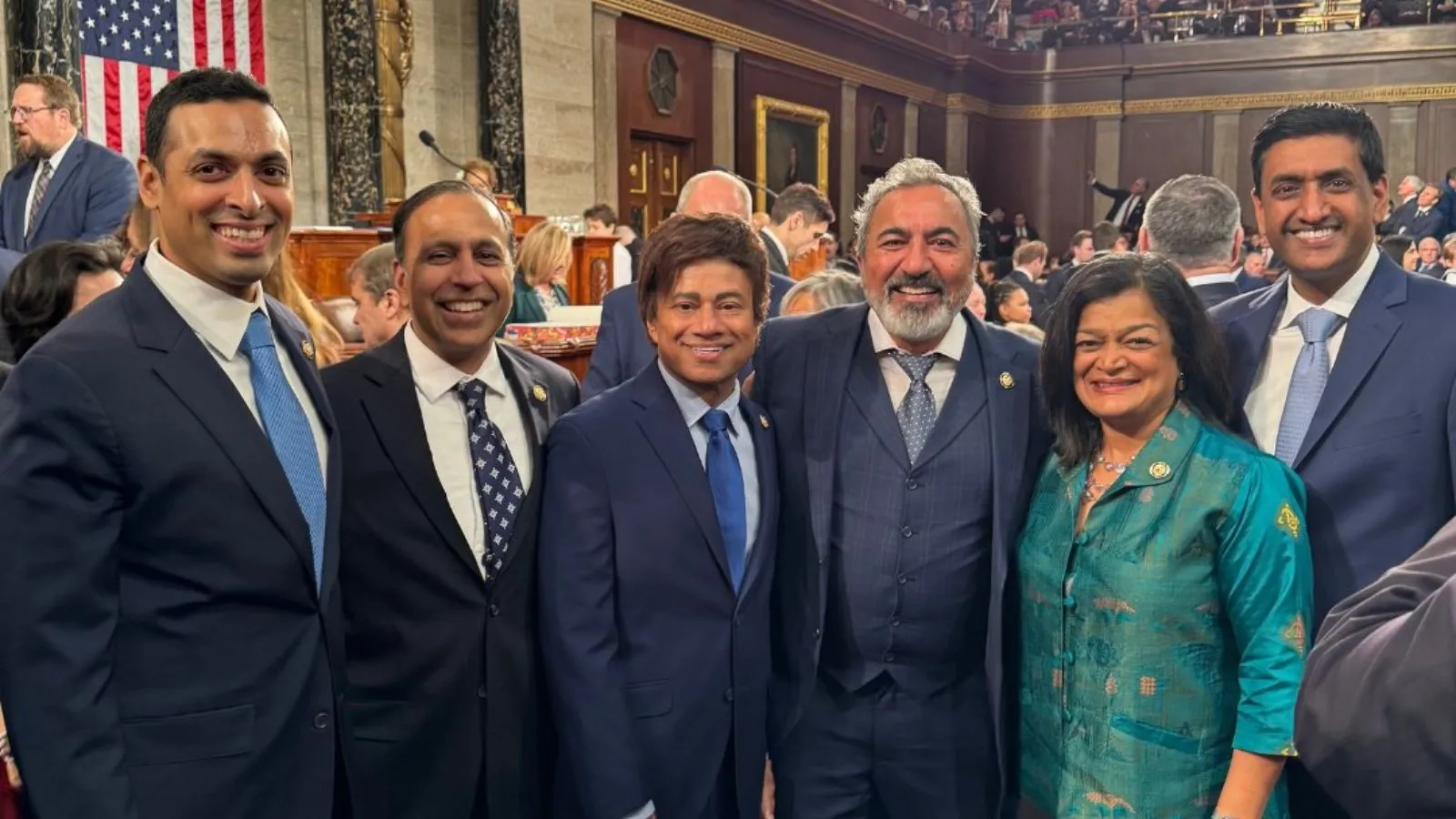
Indian-American Support for Trump Declines Ahead of the 2026 Midterm Elections
For decades, Indian-American voters have largely supported Democratic candidates in national elections. However, the 2024 presidential election suggested that the Republican Party was making inroads into a community that had historically leaned towards Democrats.
Donald Trump received support from a larger proportion of Indian-American voters in 2024 than he had in 2020. According to an earlier survey conducted before the 2024 presidential election, approximately 32% of registered Indian-American voters intended to support Trump, compared with 22% in 2020.
This apparent shift reflected the growing political diversity within the Indian-American community, particularly among voters attracted to Republican positions on economic policy, taxation, entrepreneurship and conservative social values.
However, the political mood changed during Trump's second presidential term.
An October 2026 survey conducted by the Carnegie Endowment for International Peace in partnership with YouGov found that 62% of Indian-American citizens intended to vote for Democratic congressional candidates, while only 19% favoured Republicans. Another 12% remained undecided.
The survey, conducted between October 7 and October 27 among 1,000 Indian-American adults, indicated that Republican support had weakened considerably.
Interestingly, the findings also revealed that opposition to Republicans was not necessarily the only reason behind the Democratic preference. While 65% of respondents intending to vote Democratic said they supported the party or its candidates, 35% said their primary motivation was opposition to the Republican candidate or party.
This distinction is important. It suggests that the changing Indian-American vote is not simply about greater enthusiasm for Democrats. It also reflects growing dissatisfaction with the Republican administration and its approach to issues affecting immigrant communities.
1. H-1B Visa Restrictions Create Uncertainty Among Indian Professionals
One of the biggest issues influencing Indian-American political preferences is the Trump administration's approach towards the H-1B visa programme.
The H-1B visa allows US employers to recruit foreign professionals for specialised occupations, particularly in industries such as information technology, engineering, healthcare and scientific research.
The programme has particular significance for Indian nationals, who represent a substantial proportion of its beneficiaries. According to US Citizenship and Immigration Services data, people born in India accounted for approximately 69.9% of approved H-1B petitions in fiscal year 2025.
Consequently, any significant change to the programme can have far-reaching consequences for Indian professionals, technology companies and families seeking long-term stability in the United States.
The Trump administration has argued that the H-1B programme has been misused by certain employers to recruit foreign workers at the expense of American employees. As part of its efforts to make the programme more selective, the administration introduced a $100,000 payment requirement for certain new H-1B petitions involving workers outside the United States, subject to specified exceptions.
The measure triggered considerable concern among Indian professionals and American employers.
Although federal courts subsequently blocked its implementation, the uncertainty surrounding the policy has continued to influence discussions about immigration and employment opportunities.
For Indian-American families, the issue extends beyond obtaining a work visa. It involves career progression, financial security, children's education, permanent residency and the ability to build a stable future in the country.
These concerns have made H-1B visa restrictions an important political issue, particularly among voters whose professional or family lives are connected to skilled immigration.
2. Deportations and Stricter Immigration Enforcement Raise Concerns
The Trump administration's immigration crackdown has also extended beyond skilled foreign workers.
In February 2025, the first US deportation flight carrying 104 Indian nationals under Trump's second administration arrived in Amritsar. Images showing deportees wearing handcuffs and restraints generated criticism in India and raised questions about the treatment of individuals being removed from the United States.
According to figures shared by India's Ministry of External Affairs, 3,567 Indian nationals were deported from the US in 2025. Another 1,273 were deported between January 1 and July 22, 2026.
These figures concern deportations and should not be confused with legal immigrants or H-1B visa holders. Nevertheless, the developments have brought immigration enforcement into sharper focus among Indian-American families.
Many Indian-Americans have relatives, friends or professional connections who depend on legal migration opportunities. Consequently, increasingly strict enforcement measures can create anxiety even among individuals who have established their lives legally in the country.
The broader concern is whether immigration enforcement is being implemented in a way that distinguishes undocumented migrants from individuals who have entered, studied and worked in the US through authorised channels.
For a community with strong connections to international education and skilled migration, this distinction matters enormously.
3. Job Security, Technology Sector Layoffs and Green Card Uncertainty
Employment opportunities have emerged as another important concern.
Indian professionals constitute a significant part of the American technology workforce. However, the US technology sector has experienced considerable employment uncertainty, with layoffs and changes in recruitment practices affecting workers across different companies.
For H-1B employees, losing a job can create additional complications because their immigration status is connected to qualifying employment. Finding another sponsoring employer within the permitted period can become a difficult and stressful process.
The situation has become more complicated following increased scrutiny of companies employing foreign professionals.
In October 2026, the US Labour Department suspended eight technology companies, including major Indian IT firms Tata Consultancy Services, Infosys, Wipro and HCLTech, from participating in the Permanent Labour Certification programme, commonly known as PERM.
The programme plays an important role in employment-based green card applications.
Importantly, the action did not remove these companies from the H-1B programme or automatically cancel the visas of existing employees. However, it created uncertainty for foreign professionals pursuing permanent residency through employer sponsorship.
These developments have raised concerns about the long-term prospects of Indian technology workers in the United States.
The issue is particularly relevant because permanent residency represents more than an immigration milestone. For many professionals, it offers greater career flexibility, family stability and freedom from continuous visa-related uncertainty.
4. Rising Living Costs, Inflation and Economic Concerns
While immigration has attracted considerable attention, economic conditions remain equally important in determining how Indian-American voters assess the government.
Like other American households, Indian-American families are affected by rising living expenses, housing costs, healthcare bills, education expenses and uncertainty surrounding employment.
The cost of living has become an especially important concern as households struggle to manage everyday expenses while maintaining their financial stability.
Research on Indian-American political preferences has indicated that inflation and prices rank among the community's leading personal concerns. Jobs and the broader economy also feature prominently, followed by healthcare and immigration.
This demonstrates that Indian-American voters are not evaluating the Trump administration exclusively through the lens of immigration.
For professionals working in technology, healthcare, finance and other industries, economic policies can directly affect salaries, investment decisions, business opportunities and future financial planning.
Trump's economic agenda and its impact on household finances have therefore become important considerations.
The broader political challenge for Republicans is that voters who initially supported the party because of its economic promises may reconsider their position if they feel that their everyday financial circumstances have not improved.
5. US-India Relations, Trade Tensions and Tariffs
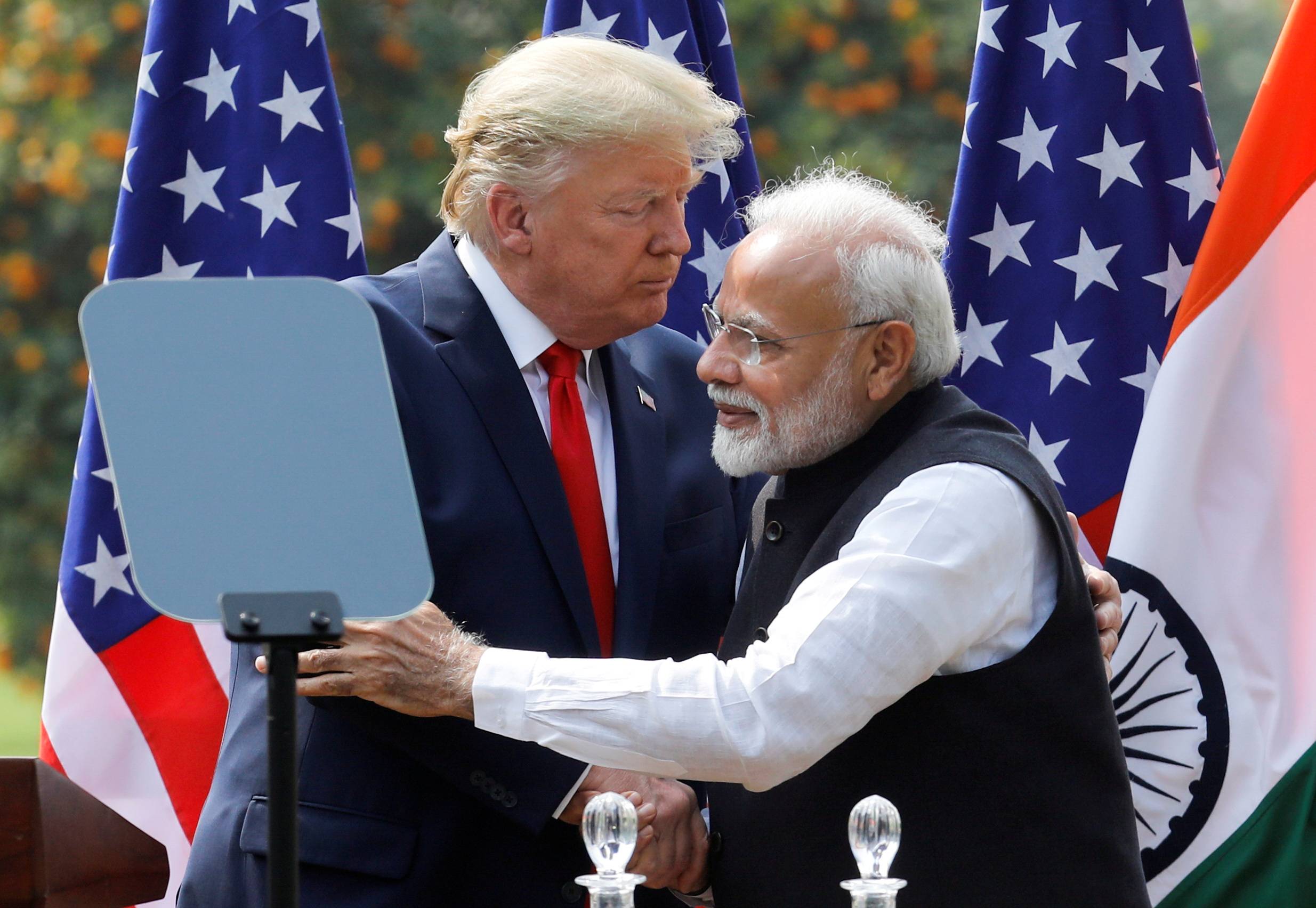
The relationship between Washington and New Delhi has traditionally been an important consideration for many Indian-Americans.
The community maintains strong personal, professional and economic connections with India. Developments involving bilateral trade, diplomatic cooperation, defence partnerships and international relations can therefore influence how Indian-Americans perceive the American administration.
However, Trump's second term has introduced additional complications.
Trade disagreements, tariff-related tensions and uncertainty surrounding strategic cooperation have contributed to dissatisfaction among sections of the community.
A survey conducted between November 2025 and January 2026 found that 55% of Indian-American respondents disapproved of Trump's handling of US-India relations, while only 20% approved. Another 25% expressed no opinion.
The findings suggest that the administration's approach towards India has become a source of concern for some voters.
For Indian-American entrepreneurs, business owners and professionals, stable bilateral relations can support commercial opportunities, investment and cross-border collaboration.
However, it is important to recognise that US-India relations are not necessarily the deciding factor for every voter. Domestic economic conditions, healthcare, employment and immigration policies generally have a more direct impact on everyday life.
Nevertheless, diplomatic tensions can contribute to a broader perception that the administration is not adequately addressing the interests of a community with strong connections to both countries.
6. Racism, Anti-Indian Rhetoric and Questions of Belonging
Perhaps one of the most sensitive factors influencing Indian-American political attitudes is the growing concern over racism and questions of national identity.
For many Indian-Americans, the United States is not simply a place of employment or education. It is their home. Many were born there, have American citizenship and have spent their entire lives contributing to its economy and society.
However, political rhetoric targeting immigrants and people of foreign origin has raised concerns about whether they are fully accepted as part of the country's social fabric.
A Carnegie survey found that 48% of Indian-American respondents encountered racist social media posts targeting Indians or Indian-Americans somewhat or very often. Approximately 25% said they had been called a racial slur.
Several incidents during 2026 brought these concerns into public discussion.
In September, the US Department of Homeland Security shared a controversial social media post featuring a Sikh man alongside a caption targeting him over driving and his identity. The post was criticised for its racial undertones and was subsequently deleted.
Another controversy involved Bo French, a Republican candidate for Texas Railroad Commissioner. He shared a photograph of South Asian students celebrating a University of Texas football victory and suggested that Americans were being displaced by foreigners.
The post attracted criticism, including from individuals within the Republican Party.
Such incidents have intensified discussions about identity, citizenship and belonging.
For Indian-Americans, the issue is not necessarily about opposing immigration enforcement itself. Rather, it is about ensuring that criticism of immigration policies does not turn into hostility towards entire ethnic communities, including legal immigrants and American citizens.
When individuals begin to feel that their appearance, ancestry or cultural background makes them outsiders despite their citizenship and contributions, political dissatisfaction can deepen.
7. Healthcare, Social Security and Other Domestic Policy Priorities
Beyond immigration, racism and economic conditions, several domestic policy issues also influence Indian-American voting decisions.
Healthcare is particularly important for families managing medical expenses, insurance coverage and access to quality treatment. Older members of the community may also pay close attention to Social Security and Medicare, while younger voters may prioritise education, employment and housing affordability.
These issues demonstrate why the Indian-American electorate cannot be treated as a politically uniform group.
Different generations have different priorities. First-generation immigrants may be particularly concerned about visa rules, permanent residency and family reunification. Second-generation Indian-Americans, many of whom are US citizens by birth, may focus more heavily on healthcare, education, economic opportunities, racial equality and domestic political debates.
Similarly, voters with conservative social or economic views may continue to support Republican candidates despite disagreements with specific immigration policies.
The growing political diversity within the community means that parties must address a broader range of concerns rather than assuming that ancestry alone determines voting behaviour.
Why the Indian-American Vote Matters in US Politics
Indian-Americans account for approximately 1.5% of the US population, with around 5.2 million people identifying as Indian in 2023.
Although their overall population share is relatively small, their political influence is increasingly significant.
The community has demonstrated strong electoral participation, recording voter turnout of approximately 71% in the 2020 presidential election and around 70% in 2024.
Indian-Americans also have substantial economic influence. Their relatively high household incomes, professional representation and participation in industries such as technology, healthcare and finance make them an important constituency for political parties.
Their geographical concentration also matters.
Large Indian-American populations are found in California, Texas, New Jersey and New York. Significant communities also live in suburban areas of politically competitive states, including Georgia, Michigan, Pennsylvania and North Carolina.
In closely contested elections, even relatively small changes in voting preferences can become politically important.
The growing presence of Indian-origin political candidates also reflects the community's increasing participation in American public life.
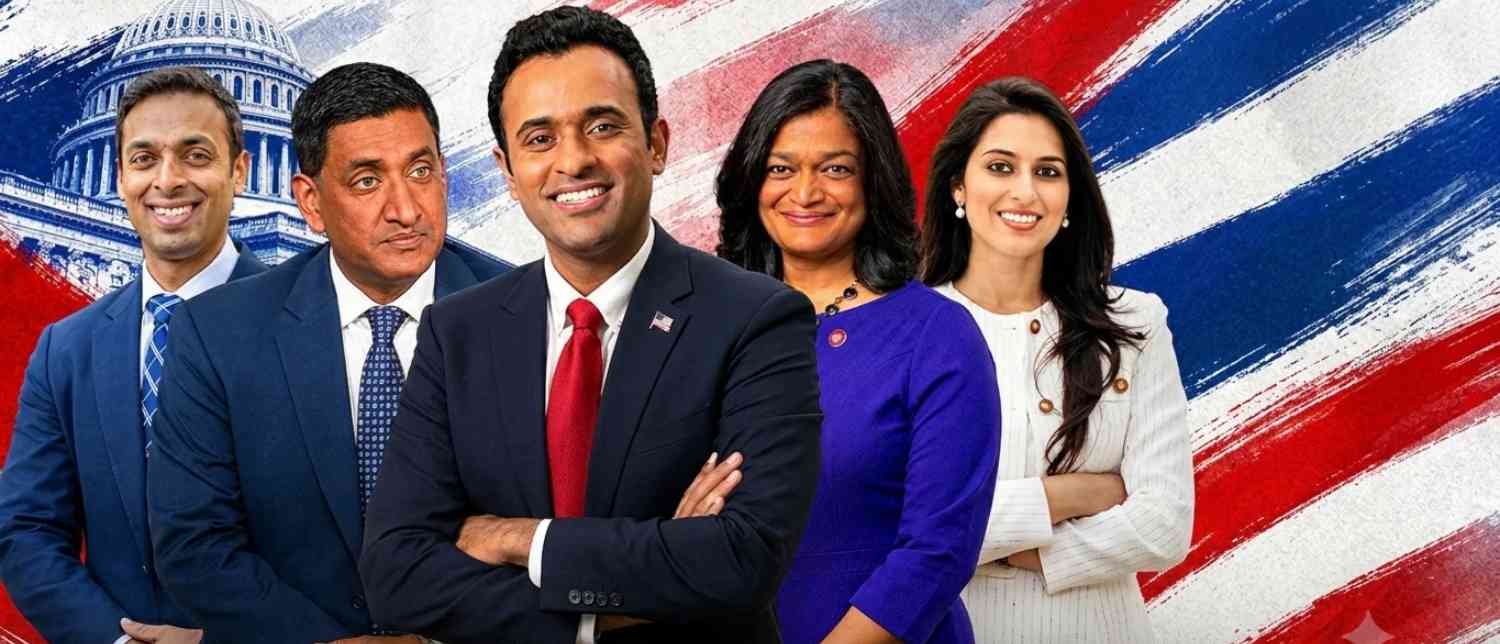
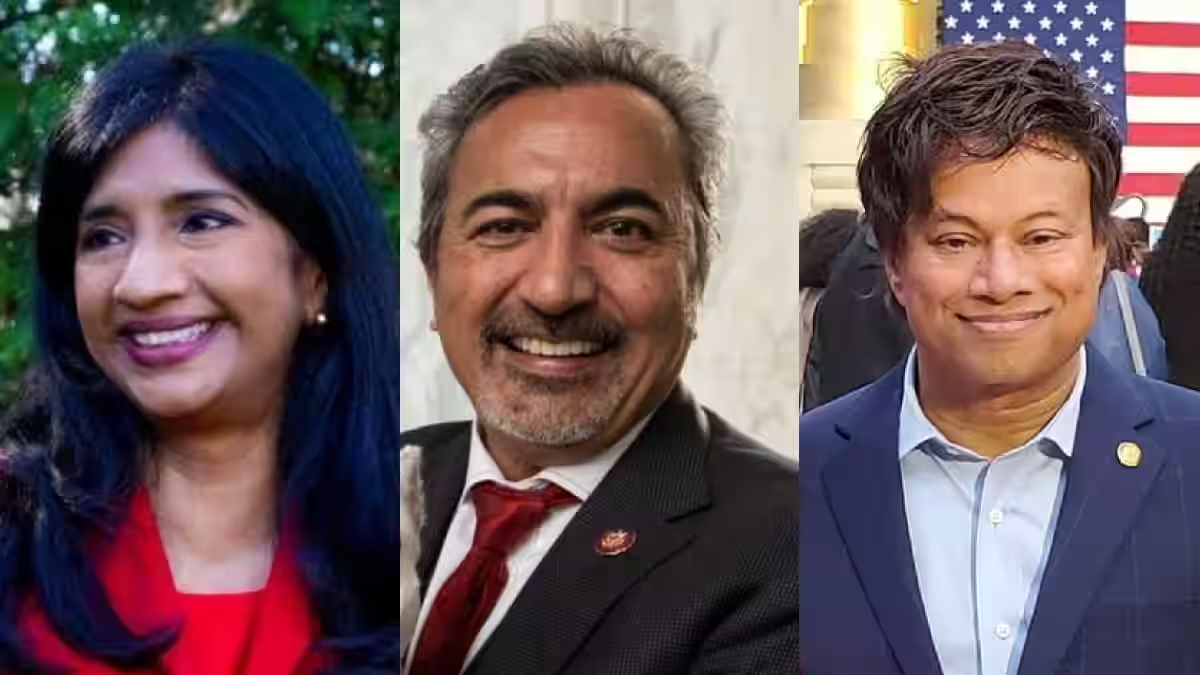
The 2026 midterm elections saw several Indian-origin Democratic candidates secure victories, including Pia Dandiya in Florida's 22nd Congressional District and Suhas Subramanyam in Virginia's 10th Congressional District. Maryland Lieutenant Governor Aruna Miller also secured another term alongside Governor Wes Moore.
Meanwhile, Republican Vivek Ramaswamy lost the Ohio governor's race.
These results highlight the growing visibility of Indian-origin politicians across party lines.
What the 2026 Midterm Election Results Mean for Trump's Political Agenda
The Democrats' victory in securing control of both chambers of Congress represents a significant setback for Donald Trump and the Republican Party.
For Indian-Americans concerned about immigration restrictions, employment-based green cards and federal enforcement policies, the change in congressional power could create greater opportunities for political scrutiny.
Democratic lawmakers can conduct investigations, summon administration officials, examine immigration enforcement practices and challenge budgetary decisions.
They can also use congressional oversight to question policies affecting H-1B sponsorship, skilled foreign workers and employment-based immigration.
However, a Democratic majority does not automatically mean that Trump's immigration policies will be reversed.
The president retains veto powers, and Congress would require a two-thirds majority in both chambers to override a presidential veto. Changes to existing immigration laws would also require legislative action.
Therefore, the immediate impact of the election is likely to involve greater oversight and political resistance rather than an instant reversal of the administration's policies.
For Indian professionals and families, the coming months will be important in determining whether the political shift produces meaningful changes in immigration and employment-related policies.
A Changing Political Relationship Between Indian-Americans and Republicans
The 2026 US midterm elections have highlighted an important transformation in Indian-American political preferences.
The growing dissatisfaction with Donald Trump and the Republican Party reflects a combination of concerns rather than a single political disagreement. H-1B visa restrictions, immigration enforcement, employment uncertainty, rising living costs, strained US-India relations and racial discrimination have all contributed to the changing political mood.
The latest survey findings suggest that Democrats have regained considerable support among Indian-American voters after the Republican gains witnessed during the 2024 presidential election.
However, the shift should not be interpreted as a permanent political realignment. Indian-Americans remain a diverse electorate with different economic interests, social values and political priorities.
For Republicans, rebuilding trust will require addressing concerns about immigration, economic security and the treatment of immigrant communities. Democrats, meanwhile, will need to demonstrate that their electoral support can translate into meaningful policy outcomes.
One thing is increasingly clear: Indian-American voters are becoming more politically influential, more vocal about their interests and less willing to support a party simply because of its promises.
Their political choices in the 2026 US midterm elections offer an important reminder that electoral loyalty is never guaranteed. For a community whose professional success, cultural identity and family connections span two countries, policies affecting everyday life and the question of belonging will continue to shape its political future.
© Copyright 2026. All Rights Reserved. Powered by Vygr Media.