

 By
By 
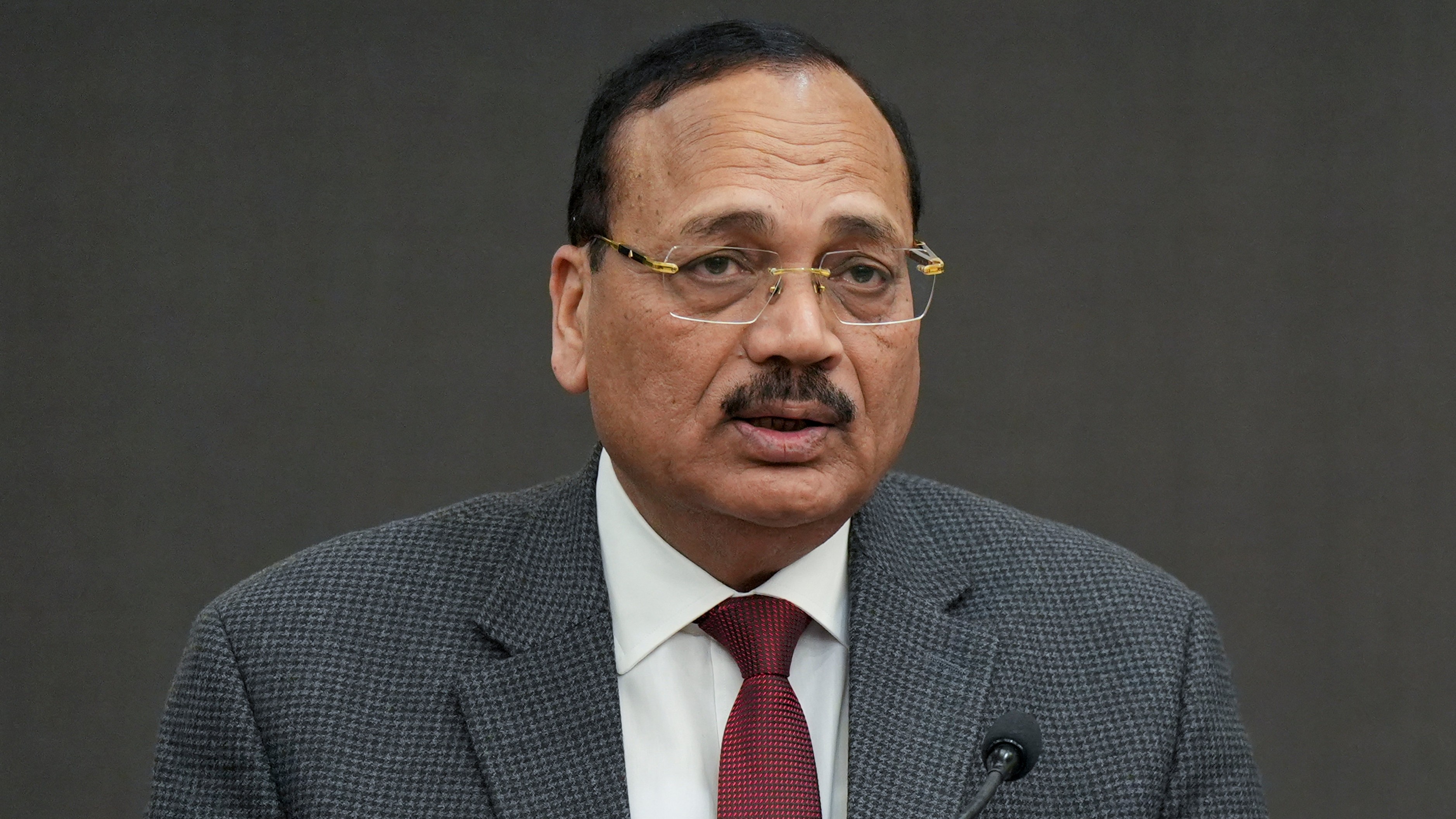
In a powerful and unambiguous message that cut to the heart of India’s judicial challenges, Chief Justice of India (CJI) Surya Kant has declared that the country’s most pressing legal issue is not the absence of laws, but the inability of citizens—particularly the marginalized—to access justice.
Speaking at multiple forums and public engagements, the CJI underscored a stark reality: despite a robust constitutional framework and an extensive body of laws, justice in India often remains out of reach for millions. His remarks, delivered with urgency and candor, highlight systemic gaps that continue to undermine the promise of equality before the law.
At the core of his address was a simple but profound principle—justice must not remain confined to courtrooms or legal texts; it must reach “every doorstep.”
A System Rich in Laws, Poor in Access
India, the CJI noted, does not suffer from a shortage of legislation. On the contrary, it has one of the most comprehensive legal systems in the world. However, the existence of laws alone does not guarantee justice.
“The biggest challenge facing the Indian legal system today is not the lack of laws, but limited access to justice,” he emphasized. This accessibility gap, he explained, manifests in multiple ways—geographical barriers, financial constraints, lack of legal awareness, and procedural complexities.
For large sections of the population, especially in rural and remote areas, approaching a court remains a daunting task. Legal processes are often perceived as expensive, time-consuming, and intimidating. As a result, many citizens either delay seeking justice or abandon their claims altogether.
Justice Delayed, Justice Denied
The issue of accessibility is closely intertwined with delays in the judicial system. While the CJI did not reduce the problem solely to pendency, he acknowledged that prolonged litigation compounds the difficulty of accessing justice.
When cases drag on for years, the cost—both financial and emotional—becomes unbearable for ordinary citizens. This, in effect, creates a silent barrier, discouraging people from engaging with the legal system.
The CJI’s remarks reflect a broader concern within the judiciary: that justice, even when eventually delivered, loses its meaning if it comes too late.
The Invisible Barriers
CJI Surya Kant pointed out that the barriers to justice are not always visible. Beyond infrastructure and case backlogs lie deeper structural issues.
One of the most critical among these is the lack of legal awareness. Many citizens are simply unaware of their rights or the mechanisms available to enforce them. Without this basic knowledge, the promise of justice remains theoretical.
Economic disparity is another significant factor. Legal representation, court fees, and associated expenses can be prohibitive for poorer sections of society. Even when legal aid services are available, awareness and trust in these mechanisms remain limited.
Geography also plays a crucial role. In remote regions, courts may be physically distant, making it difficult for people to attend hearings or follow up on cases. This logistical challenge further alienates citizens from the justice system.

Bridging the Gap: A Call for Reform
The CJI’s remarks were not merely diagnostic—they also carried a call to action.
He stressed the need for systemic reforms aimed at making justice more accessible, inclusive, and citizen-centric. This includes strengthening legal aid mechanisms, simplifying procedures, and leveraging technology to bridge geographical divides.
Digital initiatives, in particular, were highlighted as a potential game-changer. Virtual hearings, e-filing systems, and online legal services can significantly reduce the barriers faced by citizens in remote areas. However, the success of such initiatives depends on ensuring digital literacy and infrastructure across the country.
The CJI also emphasized the importance of decentralizing the justice delivery system. Bringing legal services closer to communities—through local courts, legal aid centers, and outreach programs—can help ensure that justice is not a distant ideal but a lived reality.
The Human Face of Justice
At the heart of the CJI’s message was a reminder that the legal system exists to serve people, not the other way around.
He urged stakeholders within the judiciary to adopt a more empathetic and human-centric approach. Legal processes, he suggested, should be designed with the needs and limitations of ordinary citizens in mind.
This includes simplifying legal language, reducing procedural complexities, and ensuring that court environments are more welcoming and less intimidating.
The emphasis on empathy marks a significant shift in the discourse around judicial reform. It acknowledges that accessibility is not just about infrastructure or policy—it is also about attitude and approach.
The Role of Legal Aid
Legal aid emerged as a critical pillar in the effort to enhance access to justice. The CJI highlighted the need to strengthen and expand legal aid services, ensuring that they reach those who need them the most.
He noted that while India has a structured legal aid system, its impact is often limited by lack of awareness and resources. Many eligible beneficiaries either do not know about these services or are hesitant to use them.
Improving outreach, building trust, and ensuring the quality of legal aid services are essential steps in addressing this gap.
Technology as an Equalizer
In his remarks, the CJI acknowledged the transformative potential of technology in democratizing access to justice.
From virtual courts to digital documentation, technological advancements can significantly reduce the time, cost, and effort involved in legal proceedings. They can also make the system more transparent and efficient.
However, he cautioned that technology must be implemented thoughtfully. Without adequate infrastructure and digital literacy, there is a risk of creating new forms of exclusion.
The goal, he emphasized, should be to use technology as an enabler, not a barrier.
A Collective Responsibility
The responsibility of ensuring access to justice does not rest solely with the judiciary. The CJI called for a collaborative approach involving all stakeholders—government institutions, legal professionals, civil society, and citizens.
Policy interventions, administrative reforms, and community engagement are all necessary to address the multifaceted nature of the problem.
He also highlighted the role of legal education in shaping a more accessible system. Training future lawyers and judges to be sensitive to issues of accessibility and equity can have a lasting impact.
Reimagining Justice Delivery
The CJI’s remarks reflect a broader vision for the future of India’s legal system—one that prioritizes accessibility, inclusivity, and efficiency.
This vision requires rethinking traditional approaches and embracing innovation. It calls for a shift from a system-centric model to a citizen-centric one, where the needs of individuals are at the forefront.
Such a transformation is not easy. It requires sustained effort, political will, and institutional commitment. But as the CJI’s message makes clear, it is both necessary and urgent.
“Every Doorstep” as a Guiding Principle
The phrase “justice must reach every doorstep” encapsulates the essence of the CJI’s message.
It is a call to ensure that no citizen is left behind, regardless of their location, economic status, or level of education. It is a reminder that the true measure of a legal system lies not in its laws, but in its ability to deliver justice to those who need it most.
As India continues to evolve, addressing the accessibility gap in its legal system will be crucial. The CJI’s remarks serve as both a warning and a roadmap—highlighting the challenges while pointing towards solutions.
In a country as vast and diverse as India, achieving universal access to justice is undoubtedly a complex task. But with concerted effort and a shared commitment, the goal of bringing justice to every doorstep may yet become a reality.
With inputs from agencies
Image Source: Multiple agencies
© Copyright 2025. All Rights Reserved. Powered by Vygr Media.