 By
By 
A sudden fire inside one of India’s busiest aviation hubs sent plumes of smoke billowing through passenger areas on Thursday evening, triggering swift emergency action at Chhatrapati Shivaji Maharaj International Airport in Mumbai. The incident, which unfolded at Terminal 1, briefly sparked alarm among passengers and staff, even as authorities moved quickly to contain the situation and prevent escalation.
Smoke, sirens, and swift response
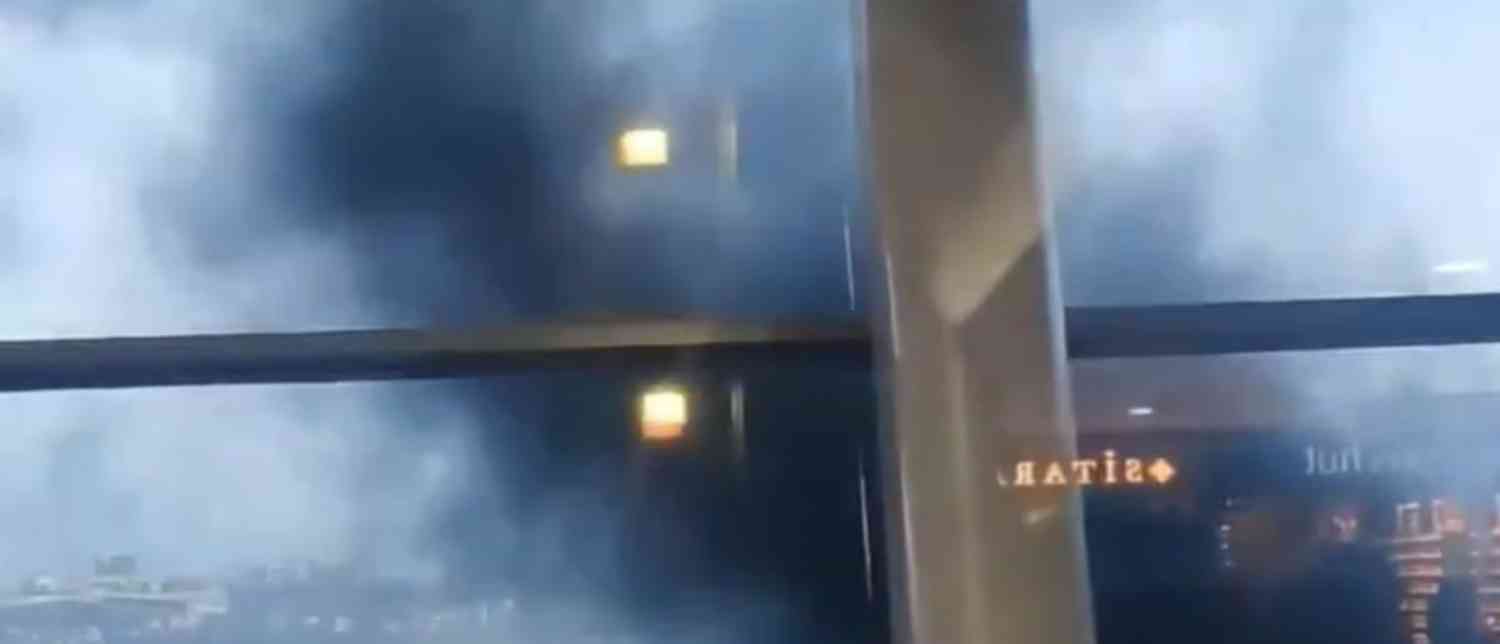
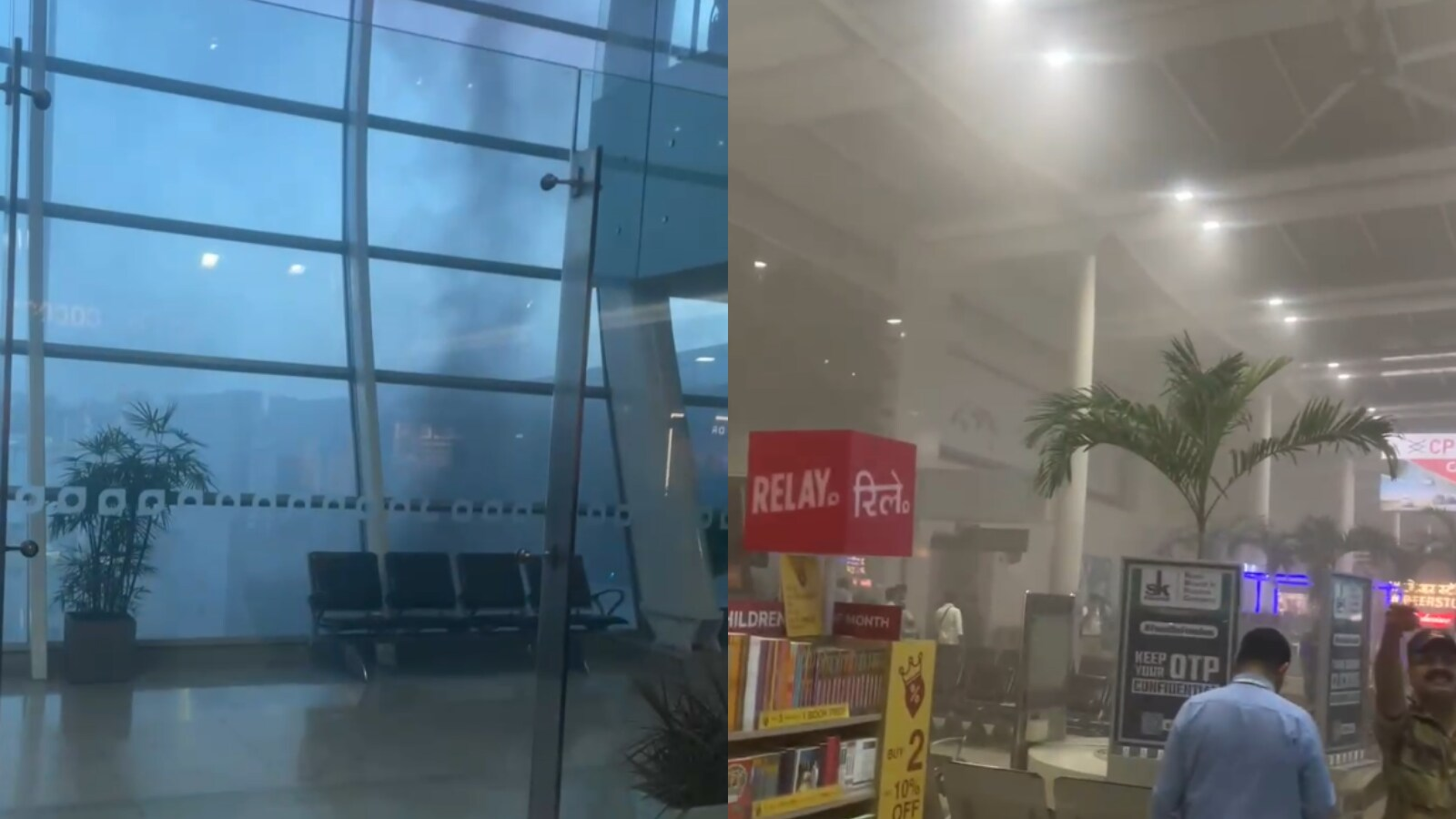
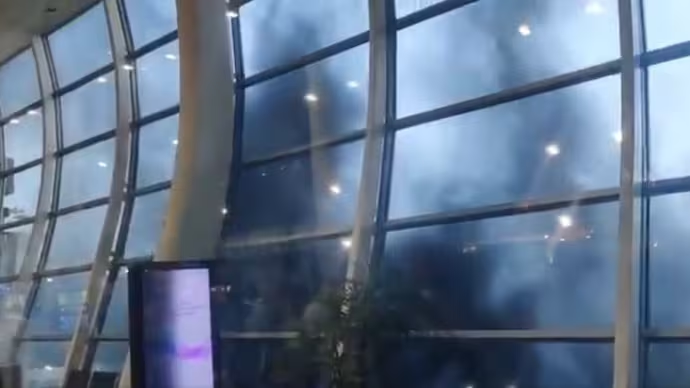
The fire broke out on April 9, 2026, in Terminal 1—specifically in the 1B section of the airport—sending thick plumes of smoke across parts of the premises. Visuals circulating on social media showed haze filling interior spaces, prompting concern among travellers present at the time.
According to officials, the blaze was reported in a ground-plus-three-storey structure within the terminal complex, with the flames confined largely to the ground floor area near the 1-B Circle. The Mumbai Fire Department received the alert in the early evening, with initial reports placing the incident around 6:10 pm, while other accounts indicated emergency calls coming in closer to 6:35 pm.
Within minutes, emergency response systems were activated. Fire brigade personnel, police teams, and civic ward staff were rushed to the site, forming a coordinated response effort to bring the situation under control.
Fire classified, contained within minutes
Authorities classified the incident as a Level-1 fire—the lowest category in Mumbai’s fire response system—indicating that the blaze was relatively minor but required immediate intervention.
Despite the dramatic visuals of smoke, officials emphasized that the fire was contained swiftly and did not spread beyond the initial area. The flames remained restricted to the ground floor of the structure and were extinguished within a short span of time, reportedly by around 9:20 pm.
Firefighting operations involved multiple resources, including four fire engines, four water tankers, a breathing apparatus van, a rescue vehicle, and a quick response unit. The operation was supervised by senior fire officials, ensuring a controlled and efficient response.
Cause: short circuit suspected
Preliminary findings point to an electrical fault as the likely trigger. Officials indicated that a short circuit may have sparked the fire, possibly originating in a technical area such as the CCTV server room within the terminal.
While investigations are ongoing, early assessments suggest the fire began in a non-operational or restricted section of the terminal, reducing the risk to passengers and staff.
No casualties, operations unaffected
Crucially, authorities confirmed that no injuries or casualties were reported in the incident. Despite the initial scare and visible smoke, the airport’s emergency protocols ensured safe evacuation and crowd management where necessary.
Even more notably, airport operations remained largely unaffected. Officials stated that flight schedules continued as planned, with no major disruptions reported in arrivals or departures.
This rapid normalization underscored the preparedness of airport authorities in handling emergency situations, especially at a facility that handles tens of millions of passengers annually.
Panic and visuals amplify concern
While the fire itself was minor, the visuals told a more dramatic story. Videos shared online showed thick smoke engulfing sections of the terminal, leading to heightened anxiety among passengers and viewers alike.
Such imagery often amplifies the perceived scale of incidents, particularly in high-footfall areas like airports. In this case, however, officials were quick to reassure the public that the situation was under control and posed no ongoing threat.
A critical aviation hub under spotlight
The incident inevitably drew attention due to the prominence of the airport itself. It is not just Mumbai’s primary airport but also one of the busiest in India and globally. It handled over 55 million passengers in the 2024–25 financial year, making it the country’s second-busiest airport and among the top aviation hubs in Asia.
Terminal 1, where the fire occurred, primarily serves domestic carriers and is a key node in the city’s aviation network. The terminal has undergone multiple refurbishments over the years and continues to handle a significant volume of passenger traffic daily.
Given this scale, even a minor disruption has the potential to cause widespread ripple effects—something authorities were clearly keen to avoid.
Emergency preparedness put to test
Thursday’s incident offered a real-time test of the airport’s emergency response systems—and by most accounts, the systems held firm.
From the rapid deployment of firefighting units to the containment of the blaze within minutes, the response demonstrated coordination between multiple agencies, including the Mumbai Fire Brigade, airport authorities, and local police.
The presence of specialized equipment such as breathing apparatus vans and quick response vehicles further highlighted the level of preparedness for such contingencies.
Investigations underway
While the immediate crisis has passed, authorities have launched a detailed investigation into the exact cause and sequence of events. Electrical faults remain the primary suspect, but officials are expected to conduct a thorough inspection of wiring, equipment, and safety systems within the affected area.
The focus will also likely extend to preventive measures—ensuring that similar incidents do not recur, especially in sensitive zones like server rooms or technical infrastructure areas.
Broader implications
Though contained quickly, the fire raises broader questions about infrastructure resilience in high-traffic public spaces. Airports, by their nature, combine complex electrical systems, dense human traffic, and critical operations—making them particularly vulnerable to incidents if safeguards fail.
In recent years, Indian airports have invested heavily in modernization and safety upgrades. Incidents like this, however minor, serve as reminders of the constant vigilance required to maintain those standards.
Calm restored, but lessons remain
By late evening, normalcy had returned to Terminal 1. Smoke had cleared, operations continued, and passengers resumed their journeys with minimal disruption.
Yet, for a brief period, one of India’s busiest airports became the center of an unfolding emergency—one that could have escalated but didn’t, thanks to swift action and effective coordination.
As investigations continue, the focus will remain on understanding the root cause and reinforcing safeguards. For now, the incident stands as a testament to both the vulnerabilities and the resilience of modern aviation infrastructure—where even a spark can trigger alarm, but preparedness can prevent disaster.
With inputs from agencies
Image Source: Multiple agencies
© Copyright 2025. All Rights Reserved. Powered by Vygr Media.