 By
By 
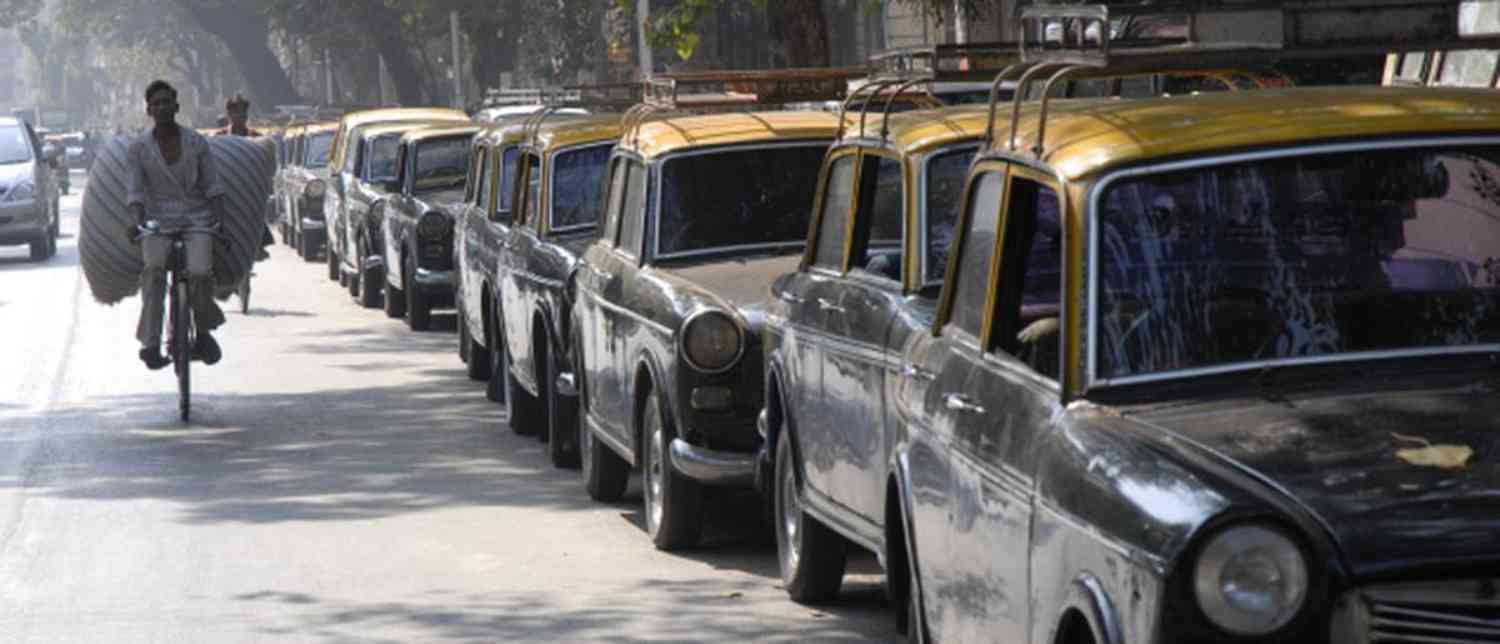
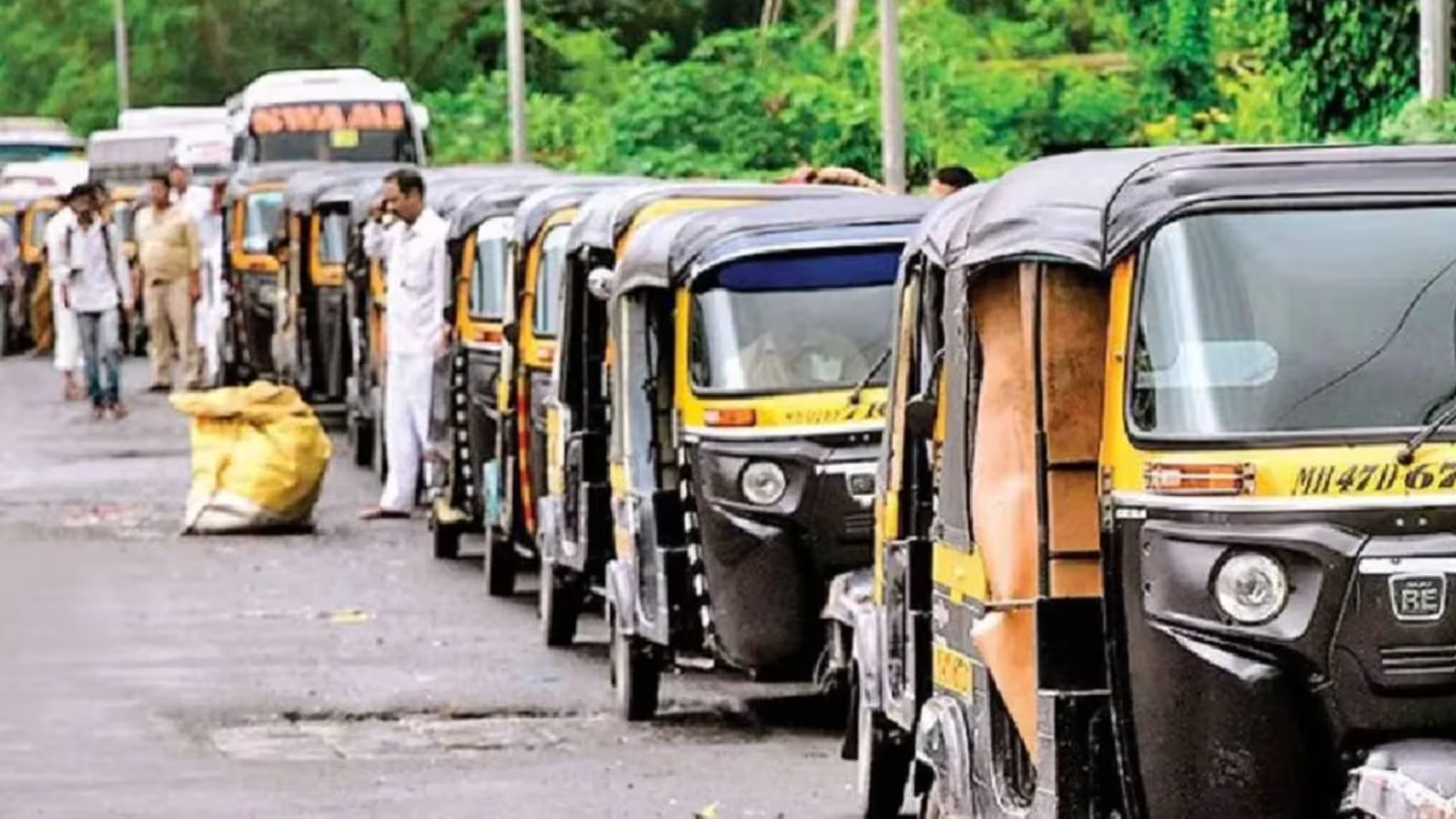
In a sweeping move that has stirred debate across Maharashtra’s transport sector, the state government has made it mandatory for auto-rickshaw and taxi drivers to demonstrate proficiency in Marathi, the official language of the state. The directive, now being implemented with immediate effect in regions like Mira-Bhayandar, marks a significant shift in how transport permits are issued, renewed, and monitored—placing linguistic ability at the center of public service compliance.
The policy is not merely symbolic. It is backed by a structured testing and verification mechanism that aims to ensure that drivers interacting with the public can communicate effectively in Marathi. Authorities argue that this is essential for passenger convenience, administrative efficiency, and preservation of regional identity. However, the rollout has also raised practical concerns among thousands of drivers, particularly migrants, who now face the prospect of undergoing language assessments to continue operating.
A Policy Rooted in Regional Identity
The Maharashtra government’s decision reflects a long-standing emphasis on promoting Marathi in public life. Transport officials have framed the rule as a necessary step to ensure that drivers—who serve as one of the most visible public-facing professions—can communicate with passengers, many of whom prefer or rely on Marathi.
The move comes at a time when urban centers like Mumbai and its surrounding regions are experiencing rapid demographic shifts, with a large influx of workers from other states. While this has contributed to economic growth, it has also intensified discussions around linguistic integration and cultural preservation.
Officials have clarified that the rule applies to both new applicants and existing permit holders. In areas like Mira-Bhayandar, the Regional Transport Office (RTO) has already begun reviewing permits and initiating the testing process.
How the Marathi Test Works
The Marathi proficiency test is designed to assess basic communication skills rather than academic fluency. Drivers are expected to demonstrate the ability to understand and respond in everyday Marathi, particularly in contexts relevant to their profession—such as understanding directions, communicating fares, and responding to passenger queries.
The test process includes oral and possibly written components, depending on the applicant’s profile. Authorities have emphasized that the focus is on practical usage rather than grammatical perfection. This means that drivers who can converse in Marathi at a functional level are likely to pass, even if their language skills are not formally trained.
In Mira-Bhayandar, the RTO has implemented a verification system that includes domicile checks alongside the language test. This dual-layer scrutiny ensures that drivers not only meet linguistic requirements but also comply with residency norms tied to permit issuance.
What Happens If Drivers Fail?
One of the most pressing concerns among drivers has been the consequence of failing the Marathi test. Authorities have clarified that failure does not immediately result in permit cancellation. Instead, drivers are given opportunities to retake the test after undergoing basic language training.
This provision is intended to balance enforcement with inclusivity. The government has indicated that the goal is not to penalize drivers but to encourage them to acquire essential communication skills. Training resources and guidance are expected to be made available to help drivers prepare for subsequent attempts.
However, repeated failure to meet the language requirement could eventually impact a driver’s eligibility to renew or retain their permit. This has created anxiety among sections of the workforce, particularly those who have been operating for years without needing formal language certification.
Permit Review and Verification Drive
The implementation of the Marathi test is part of a broader permit review exercise currently underway in regions like Mira-Bhayandar. Transport authorities are scrutinizing existing permits to ensure compliance with updated regulations, including domicile verification and documentation checks.
This review process involves cross-checking driver credentials, residency status, and adherence to operational norms. Officials have stated that the objective is to streamline the transport system, eliminate irregularities, and ensure that all drivers meet standardized criteria.
The inclusion of domicile checks has added another layer of complexity. Drivers are required to provide proof of residence, which is being verified alongside their language proficiency. This integrated approach reflects a tightening of regulatory oversight in the sector.
Reactions from Drivers and Stakeholders
The new rule has elicited mixed reactions from the driver community. While some have welcomed the emphasis on local language, others have expressed concerns about the feasibility of the testing process and its impact on their livelihoods.
Migrant drivers, in particular, have voiced apprehension about adapting to the new requirement. Many argue that while they are willing to learn Marathi, the timeline and implementation process should be more flexible. There are also concerns about access to training resources and the fairness of the testing mechanism.
Transport unions have called for a phased implementation, suggesting that drivers be given adequate time and support to meet the language criteria. They have also urged the government to ensure that the testing process is transparent and free from bureaucratic hurdles.
On the other hand, proponents of the policy argue that it is a reasonable expectation for public service providers to communicate in the state’s official language. They contend that the rule will enhance passenger experience and strengthen cultural integration.
Administrative Perspective
From the government’s standpoint, the Marathi test is part of a broader effort to standardize and modernize the transport sector. Officials have highlighted that similar language requirements exist in other states and countries, where knowledge of the local language is considered essential for service providers.
The administration has also emphasized that the rule aligns with legal provisions that recognize Marathi as the official language of Maharashtra. By integrating language proficiency into permit criteria, the government aims to reinforce this status in everyday interactions.
Authorities have assured that the implementation will be monitored closely to address any challenges that arise. Feedback from drivers and stakeholders is expected to inform adjustments to the process, ensuring that it remains practical and effective.
Broader Implications
The introduction of mandatory Marathi testing for drivers is likely to have far-reaching implications beyond the transport sector. It signals a renewed focus on linguistic identity in public policy, which could influence regulations in other service industries.
For drivers, the rule represents both a challenge and an opportunity. While it imposes an additional requirement, it also encourages skill development that could enhance their professional interactions. In the long term, proficiency in Marathi may become a valuable asset in navigating the state’s socio-economic landscape.
For passengers, the policy promises improved communication and a more seamless travel experience. Being able to interact with drivers in a familiar language can reduce misunderstandings and enhance overall satisfaction.
The Road Ahead
As the Marathi test becomes an integral part of the permit process, its success will depend on effective implementation and stakeholder cooperation. The government’s ability to provide accessible training, ensure fair testing, and address concerns will be critical in determining the policy’s impact.
The ongoing permit review in Mira-Bhayandar serves as a testing ground for this initiative. Lessons learned from this phase are likely to shape its expansion across other regions of Maharashtra.
Ultimately, the mandate reflects a balancing act between regulatory enforcement and social inclusivity. It underscores the importance of language in public life while highlighting the need for policies that accommodate the diverse realities of the workforce.
As drivers prepare to adapt and authorities refine the process, the Marathi test stands as a defining moment in Maharashtra’s transport policy—one that could reshape the dynamics of service, identity, and compliance in the years to come.
With inputs from agencies
Image Source: Multiple agencies
© Copyright 2025. All Rights Reserved. Powered by Vygr Media.