

 By
By 
The voice that defined generations of Indian cinema has fallen silent. Asha Bhosle, one of the most prolific and versatile singers in the history of music, died in Mumbai on April 12, 2026, at the age of 92—bringing to a close an extraordinary career that spanned more than eight decades and reshaped the soundscape of Bollywood and beyond.
She passed away at Mumbai’s Breach Candy Hospital, where she had been admitted just a day earlier on April 11 following exhaustion and a chest infection. Doctors confirmed that the immediate cause of death was multi-organ failure after a rapid deterioration in her condition.
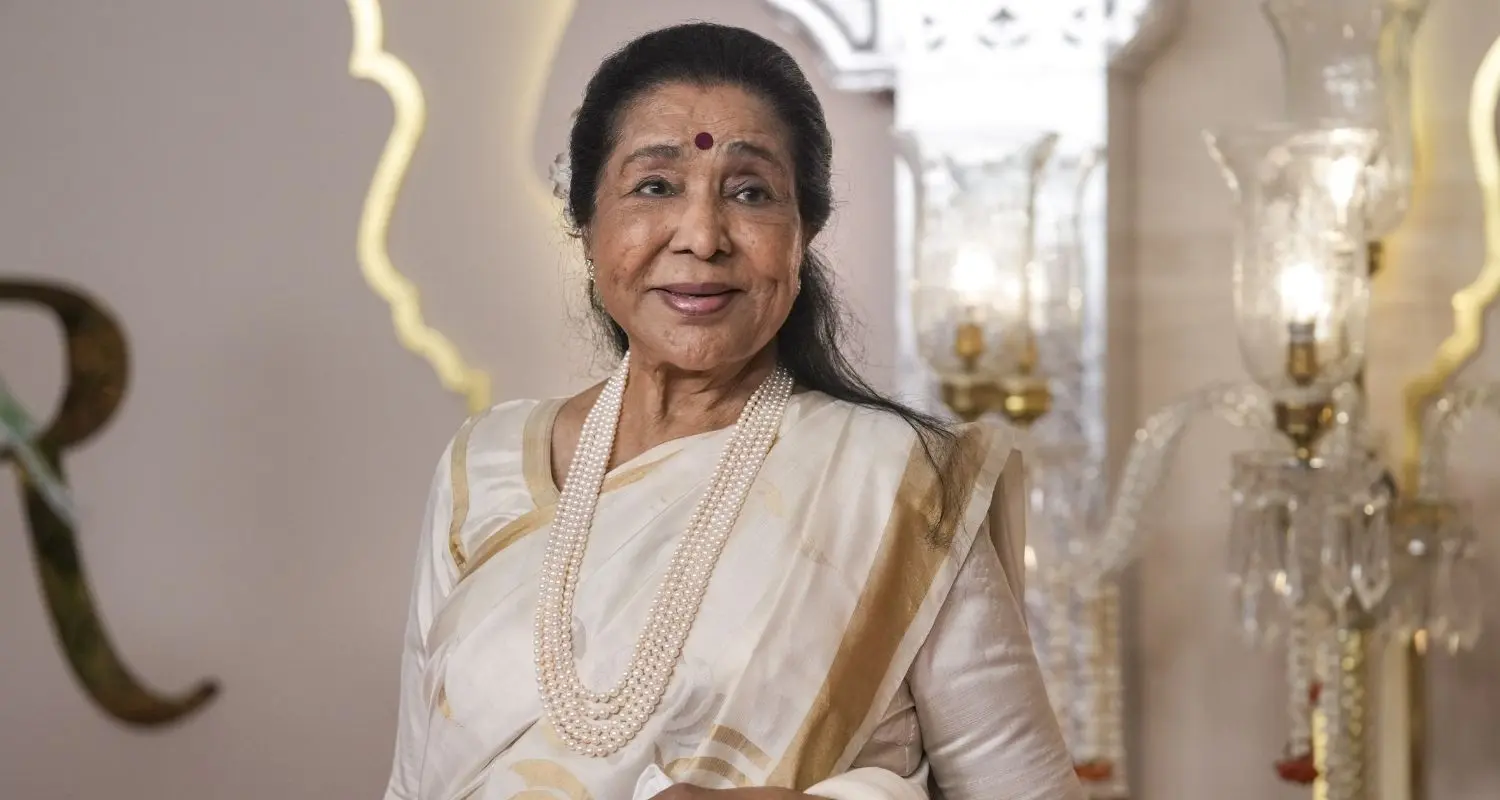
A sudden decline, a nation in mourning
The final hours of Bhosle’s life unfolded quickly. According to medical officials, she had been battling multiple health complications when her condition worsened. Her admission was initially attributed to fatigue and respiratory issues, but her health deteriorated sharply, leading to organ failure.
Her son, Anand Bhosle, confirmed the news publicly, sharing details of the funeral arrangements. Her mortal remains were to be kept at her residence for public homage before the last rites, scheduled at Mumbai’s Shivaji Park with full state honours.
As news of her passing broke, tributes poured in from across India and the world. Prime Minister Narendra Modi described her as “one of the most iconic and versatile voices India has ever known,” underscoring the profound cultural imprint she left behind.
The voice that shaped Bollywood
Born on September 8, 1933, in Sangli to classical singer and theatre artist Deenanath Mangeshkar, Asha Bhosle entered the world of music early, recording her first song at just 10 years old. Over the decades, she built a career that few artists globally can rival.
Her journey through Indian cinema was nothing short of historic. Bhosle recorded more than 11,000–12,000 songs across multiple Indian languages, genres, and eras—ranging from classical compositions and ghazals to pop, cabaret numbers, and folk music.
Her voice became synonymous with Bollywood’s golden age and its evolution into modernity. From playful cabaret tracks to deeply emotional melodies, she possessed a rare ability to adapt, reinvent, and dominate across styles. Her collaborations with legendary composers and artists, including her association with R.D. Burman, produced some of the most enduring songs in Indian film history.
Her influence extended far beyond India. Recognised by Guinness World Records as the most recorded artist in 2011, Bhosle also collaborated internationally, including with global artists such as Boy George.
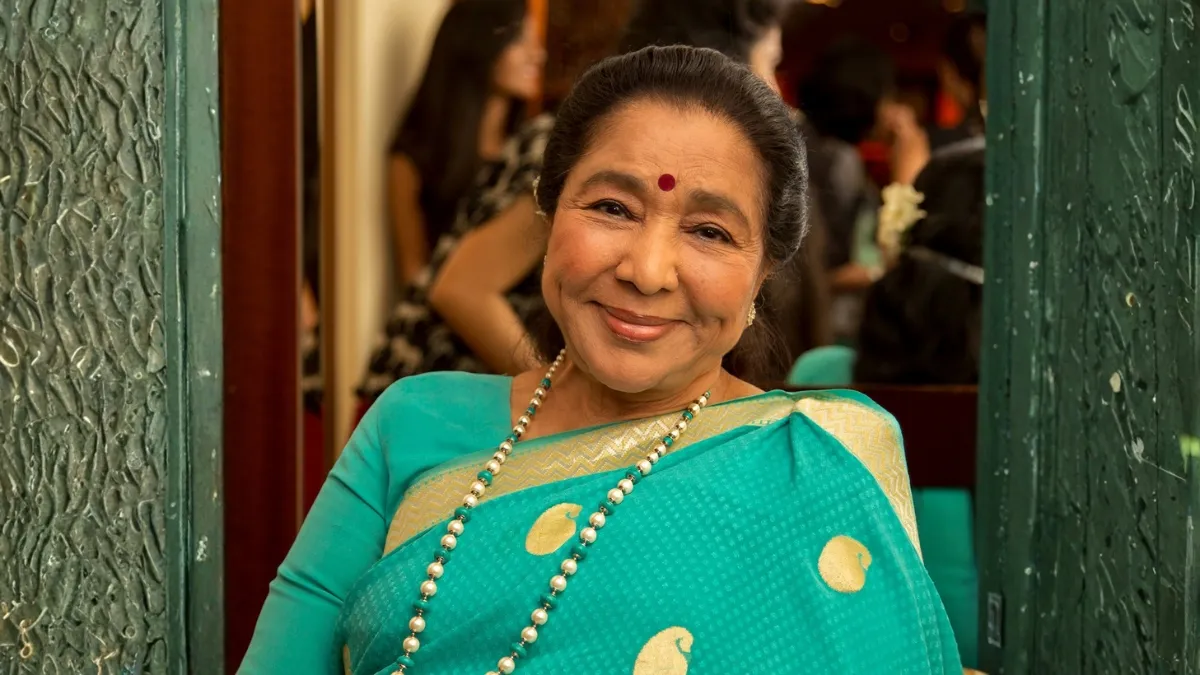
A towering legacy of awards and recognition
Over her unparalleled career, Asha Bhosle received some of India’s highest honours, including the Dadasaheb Phalke Award and the Padma Vibhushan. She also earned multiple National Film Awards, Filmfare Awards, and even Grammy nominations—cementing her status as a global musical icon.
Her body of work did not merely entertain—it defined eras. Generations of singers cite her as an influence, and her songs continue to resonate across age groups, languages, and geographies.
Personal triumphs and tragedies
Behind the unmatched success lay a life marked by resilience. Bhosle was the younger sister of Lata Mangeshkar, another towering figure in Indian music, and together they shaped the industry like few siblings ever have.
Her personal life, however, was not without hardship. She married young against her family’s wishes and endured a difficult relationship before separating. Later, she faced a devastating personal tragedy when her daughter, Varsha Bhosle, died by suicide in 2012. Despite these challenges, she continued to perform, record, and remain a powerful creative force.
End of an era
Bhosle’s death has been widely described as the “end of an era,” a sentiment echoed across political leaders, artists, and fans. From film stars like Akshay Kumar and Karan Johar to public figures and ordinary listeners, the outpouring of grief reflects the depth of her connection with audiences.
Her influence was not confined to music alone. She helped define the identity of Indian cinema’s sound—its romance, its rebellion, its rhythm.
A voice that will not fade
Even in death, Asha Bhosle’s presence looms large. Her songs remain embedded in India’s cultural memory—played at celebrations, echoed in films, and rediscovered by new generations.
In a career that began in the 1940s and continued into the 21st century, she did more than sing—she narrated the emotional history of a nation.
As India bids farewell, one truth stands unshaken: voices may fall silent, but legends never do.
With inputs from agencies
Image Source: Multiple agencies
© Copyright 2025. All Rights Reserved. Powered by Vygr Media.