 By
By 
If you work for an Indian IT company in the US and are waiting for a green card, this is the news you were dreading. The Trump administration has suspended some of the world’s biggest IT outsourcing firms, along with Microsoft and Adobe, from a key programme used to sponsor foreign workers for permanent residency.
What the US announced
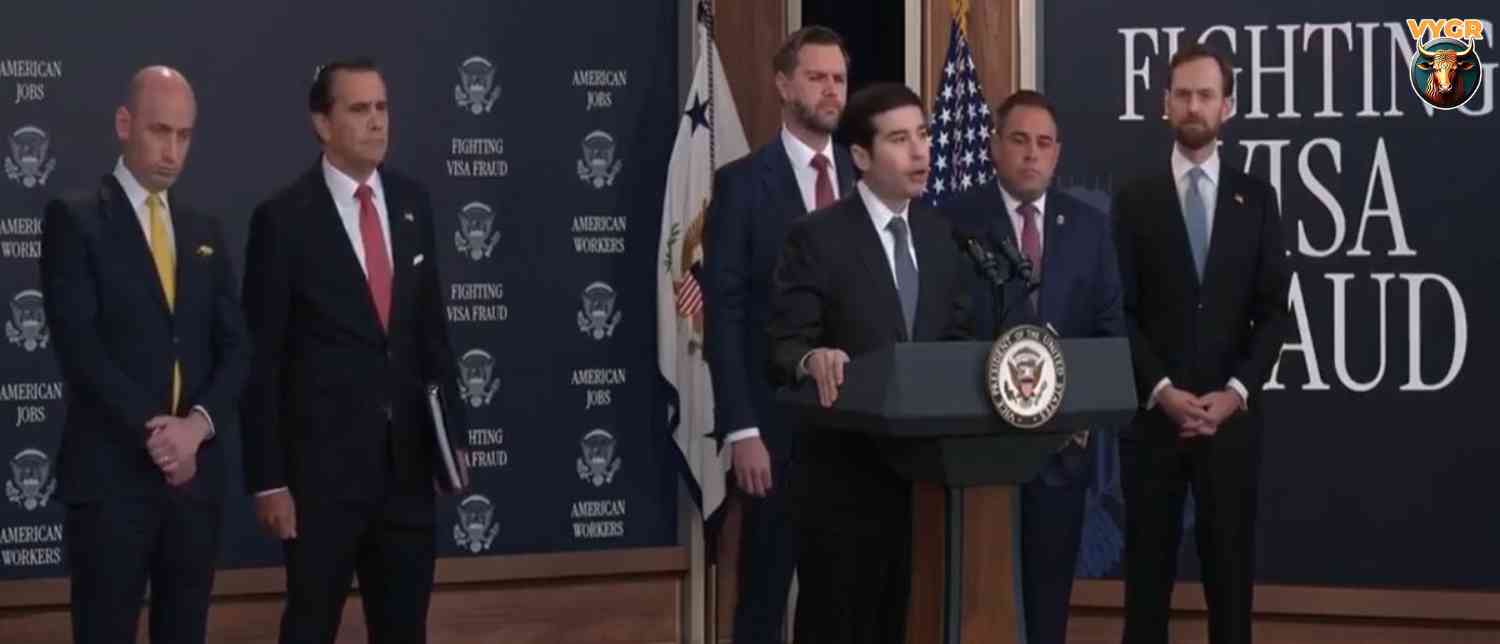
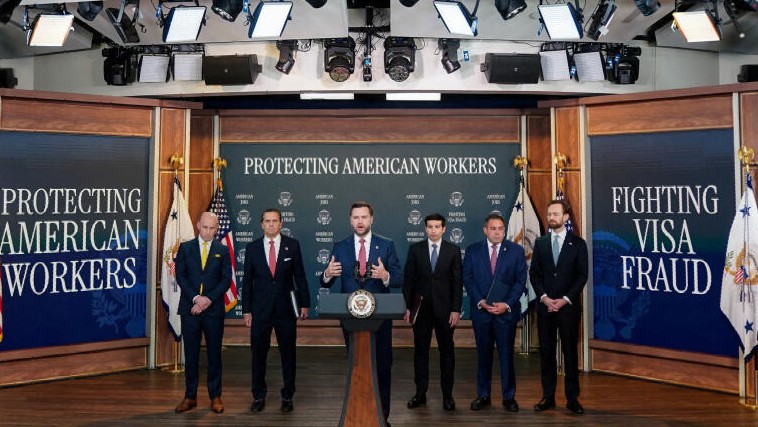
The suspension was announced on Thursday. US Labour Secretary Keith Sonderling said the Labour Department was suspending Cognizant, Infosys, Tata, Wipro, HCL and Capgemini from the Permanent Labour Certification (PERM) programme. Microsoft and Adobe were also suspended from the programme, because of multiple active federal investigations.
The department will not accept new PERM applications involving the companies, and it will not process pending ones.
What the suspension means in practice
The suspension blocks one step of the green card process. It does not cancel green cards that have already been issued. For employees of the named companies, however, the practical effect is that new filings stop and cases already in the queue stay stuck.
The reports we have seen don’t say how long the suspension will last or whether pending applications can be refiled later. Until the Labour Department or the companies explain that, no one can say how long the delays will run.
First, what is PERM?
PERM is the programme employers use to get labour certification, a mandatory step for many employment-based green card applications. In simple terms, an employer has to go through this process with the Labour Department before the worker can move on to the later stages of the permanent residency application. If a company is shut out of PERM, its sponsored workers cannot take that first step.
Why the US took this step
Sonderling’s case rests on scale. He said the companies had requested nearly 3 million foreign workers since 2009, and he argued that the practice had shut Americans out of the job market. The suspension is presented as a way to put American employment first.
Microsoft and Adobe were treated slightly differently, since the Labour Department tied their suspension to ongoing federal investigations, while the six IT firms were named as some of the largest outsourcing companies in the world. We have not seen any response from the companies at the time of writing, and none of the reports we reviewed says they have admitted wrongdoing.
Part of a wider crackdown
The decision is a clear widening of the crackdown on foreign workers that has become central to US policy under President Donald Trump. Technology and IT services companies are facing particularly heavy scrutiny over their reliance on foreign labour.
The suspension also arrives alongside other enforcement action. Nine major US universities, including Harvard, Yale and Stanford, are being investigated over alleged misuse of the J-1 exchange visitor programme. Labour Inspector General Anthony D’Esposito said subpoenas had already been issued.
What it means for Indian IT professionals
The impact could reach well beyond the companies named. Infosys, TCS, Wipro, HCL and Cognizant all have substantial US operations and employ large numbers of Indian professionals, many of them on H-1B visas.
For these workers, the main worry is delay. Most H-1B holders already wait years for a green card, and a stalled PERM application can hold up everything that comes after it. Anyone affected should ask their company’s immigration team how their individual case is being handled, and consider speaking to an immigration lawyer, rather than relying on general reports.
The bigger picture for the IT industry
Indian IT companies earn a large share of their revenue from the US market, so permanent-residency uncertainty matters for hiring and retention as well as for individual workers. If the best-placed employees can’t secure a route to permanent residency, companies may find it harder to keep them. Whether the firms challenge the suspension, adjust their hiring or push for talks with Washington is not yet known.
© Copyright 2026. All Rights Reserved. Powered by Vygr Media.