 By
By 
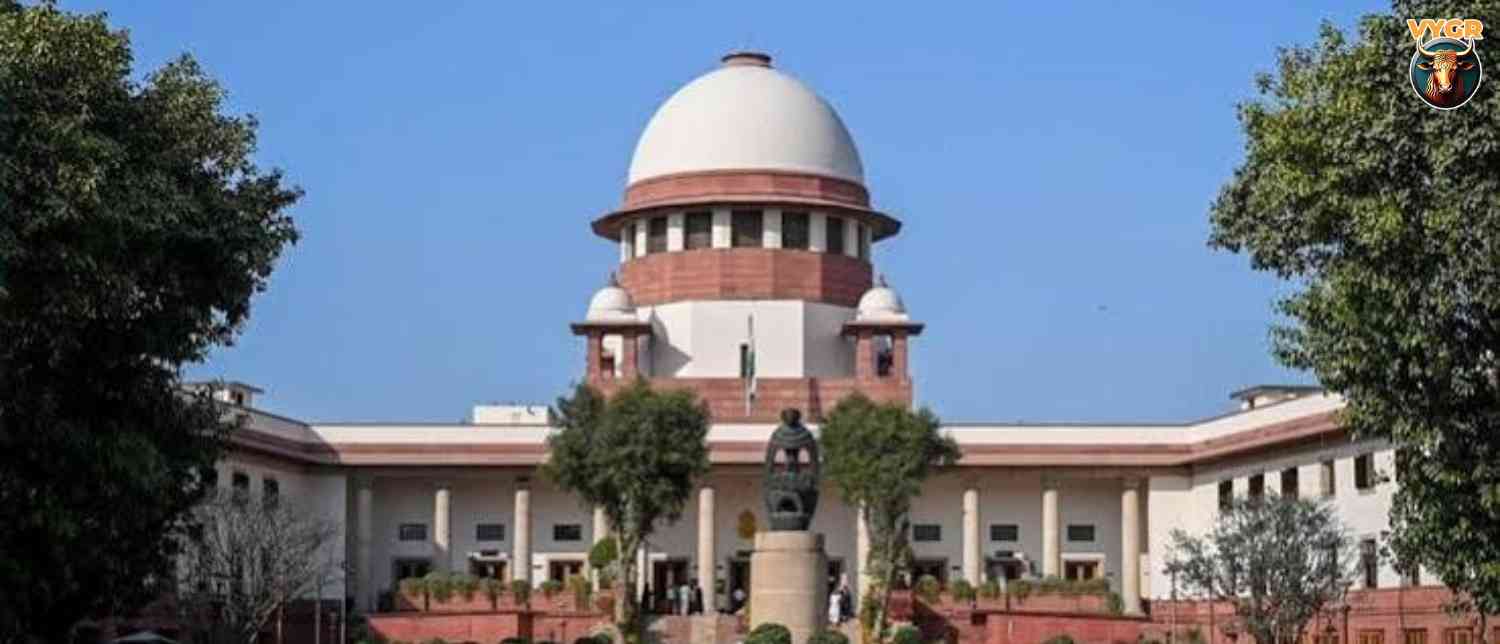
The Supreme Court has closed the door on a Tamil Nadu government order that would have let people who convert to Islam keep their backward class status. On Thursday, it upheld a Madras High Court judgment striking the order down, in a ruling that touches religion, caste and the way reservation works.
What the Supreme Court decided
A bench of Justices Prashant Kumar Mishra and Shree Chandrashekhar dismissed Tamil Nadu’s challenge to the High Court’s judgment. The bench held that conversion to Islam does not automatically make a person a member of any of the seven notified backward class Muslim communities in Tamil Nadu. It said a person’s caste or community status before conversion cannot simply be transferred to a different notified community after conversion.
The court reportedly added that a person who converts from Hinduism to a non-Hindu religion cannot then seek welfare benefits meant for the socially backward class they belonged to before conversion. It also said that an executive order of this kind creates an artificial route to reservation benefits, without establishing the necessary social and legal links.
The order at the centre of the case
The dispute concerns a March 2024 Tamil Nadu Government Order (GO). It recognised seven Backward Class Muslim communities and allowed people converting to Islam from Backward Classes, Most Backward Classes, Denotified Communities and Scheduled Castes to be issued community certificates as Backward Class Muslims.
The case began when a man, Ahamed, sought a community certificate certifying him as a Muslim Lebbai so he could claim Backward Class reservation benefits. When the High Court rejected his plea, it also struck down the GO as unconstitutional.
What the Madras High Court held
The High Court bench of Justices G R Swaminathan and P B Balaji held that the GO went against earlier judgments of the High Court and the Supreme Court. Its core finding was that a person who converts to Islam becomes a Muslim and nothing more, and that while someone may convert to Islam, they cannot convert into a caste or community within Islam for reservation purposes.
Tamil Nadu’s argument
The state took its case to the Supreme Court and lost at the admission stage, after the court had reserved its order. Its argument, as reported, was that the GO was meant to protect socially disadvantaged people who had exercised their fundamental right to practise a religion of their choice under Article 25 of the Constitution. It said the aim was to ensure that those who already enjoyed reservation benefits did not lose them solely because they converted to Islam. In the framing you shared, the state also argued that conversion does not erase the social and educational disadvantages linked to a person’s caste background.
Why it matters
Reservation in India rests on social and educational backwardness, and one of the long-running legal questions is whether that backwardness survives a change of religion. The Supreme Court’s answer in this case is that it cannot simply be carried over by an executive order. The ruling will be read closely by other states and communities, though we have not seen the full judgment and are not drawing wider conclusions from it.
What we don’t yet know
Several important questions are open. We have not seen how the ruling affects people who have already received certificates under the 2024 GO, whether any steps will be taken to protect them, or how the existing backward class Muslim categories in Tamil Nadu are affected. We have also not seen a statement from the Tamil Nadu government on whether it will seek a review, take other action, or face any political backlash.
What happens next
The next step is for the Tamil Nadu government to respond, and for the full judgment to be studied for its wider implications.
© Copyright 2026. All Rights Reserved. Powered by Vygr Media.