 By
By 
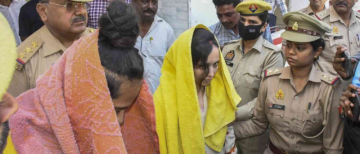
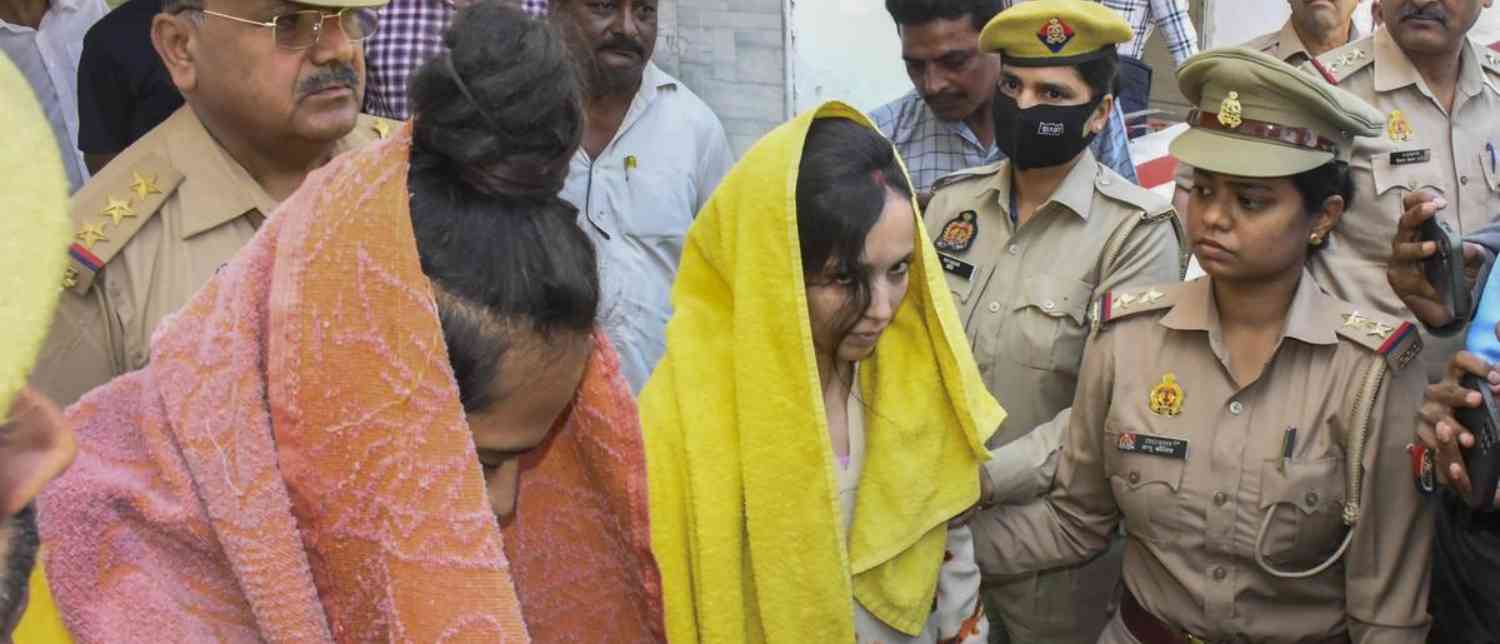
Meerut, October 14, 2026: In a landmark verdict that brings a major development in one of Uttar Pradesh’s most shocking criminal cases, a court in Meerut has sentenced Muskaan Rastogi and her partner, Sahil Shukla, to death for the murder of Muskaan’s husband, Saurabh Rajput, a former Merchant Navy officer. The case, widely known as the Meerut blue drum murder case, captured national attention after investigators discovered Rajput’s dismembered remains concealed inside a blue plastic drum filled with cement.
District Judge Arvind Kumar Mishra pronounced the death sentence on Wednesday, nearly 19 months after the murder took place in March 2025. The sentencing followed the court’s decision to convict the two accused on September 30, 2026, after a 13-month trial involving 126 hearings and the examination of 22 prosecution witnesses.
The verdict marks a significant moment in a case that has raised disturbing questions about betrayal, premeditated violence, the destruction of evidence and the devastating consequences for the family left behind. While the sentence brings a new chapter to the legal proceedings, the future of the couple’s children and the emotional toll on Rajput’s family remain important concerns.
Meerut Blue Drum Murder Case: What Happened to Saurabh Rajput?
The case centres on the murder of Saurabh Rajput, whose death and the concealment of his body became the focus of an extensive police investigation in Meerut, Uttar Pradesh.
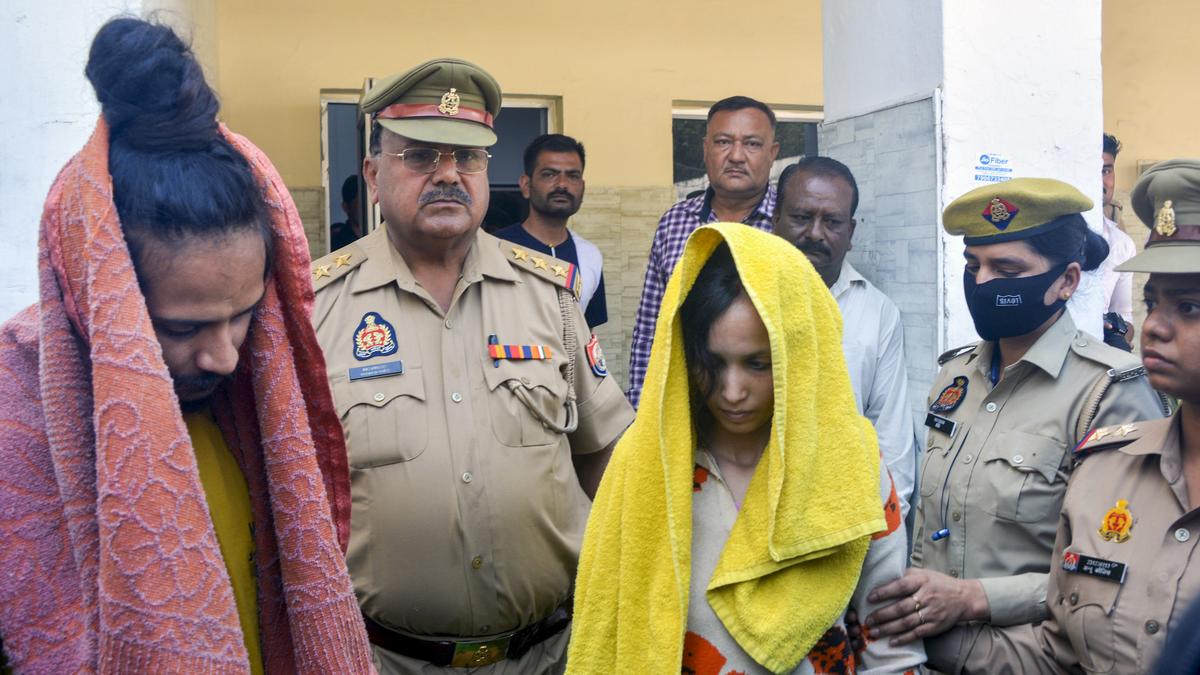
According to the prosecution’s account, Rajput was killed on March 3, 2025. Investigators alleged that his wife, Muskaan Rastogi, and her partner, Sahil Shukla, conspired to murder him before attempting to conceal the crime by disposing of his remains inside a blue plastic drum.
The body was dismembered and placed inside the container, which was subsequently filled with cement and sand. The unusual method of concealment became one of the defining features of the investigation, eventually giving the case its widely recognised name: the blue drum murder case.
The remains were discovered at the couple’s residence in Meerut. What initially appeared to be a disturbing discovery soon developed into a major criminal investigation, with police examining the circumstances of Rajput’s death, the movements of the accused and the alleged preparations made to conceal the crime.
The brutality of the murder, combined with the involvement of the victim’s wife, shocked people across the country and turned the case into one of the most closely followed criminal trials in recent years.
A Marriage, an Alleged Affair and a Murder That Shocked India
Saurabh Rajput and Muskaan Rastogi married in 2016 in a love marriage. Rajput worked in the Merchant Navy, a profession that involved spending time away from home. The couple later had a daughter, and their relationship became the subject of scrutiny as investigators reconstructed the events leading up to the murder.
According to the police investigation, Rajput eventually learned of an alleged relationship between Muskaan and Sahil Shukla, who was described as her friend. The investigation examined the circumstances surrounding the relationship, tensions within the marriage and the possibility that Rajput’s presence threatened the couple’s plans.
Police alleged that Muskaan and Sahil decided to eliminate Rajput. The prosecution’s case was that the murder was not an isolated act of violence but part of a conspiracy involving both accused.
These allegations formed a central part of the case presented before the court. The prosecution sought to establish how the accused planned and carried out the murder and then attempted to destroy or conceal evidence that could reveal what had happened.
The case also attracted widespread attention because of the stark contrast between the couple’s family life and the crime described by investigators. However, the court proceedings focused on the evidence presented, the accused persons’ roles and the legal responsibility established during the trial.
How Investigators Built the Blue Drum Murder Case
The discovery of Rajput’s remains was only the beginning of the investigation. Police worked to reconstruct the sequence of events, establish the movements of the accused and connect the physical evidence to the alleged crime.
Investigators examined items reportedly associated with the murder, including a knife and materials used in the concealment of the body. Evidence relating to the purchase of the blue drum and other articles was also considered.
The prosecution presented witnesses who could help establish the circumstances surrounding the crime. These included people connected with the purchase of items allegedly used in the murder, as well as hotel managers and cab drivers whose accounts were relevant to tracing the movements of the accused.
Records relating to the couple’s stays at different locations were also presented during the proceedings. Such evidence formed part of the prosecution’s effort to establish a timeline and demonstrate the alleged conspiracy.
The investigation was significant not only because of the discovery of the body but also because of the alleged attempt to make the remains difficult to identify and recover. The cement-filled drum became a crucial piece of evidence and a powerful symbol of the case.
The prosecution ultimately relied on witness testimony and the evidence placed before the court to argue that Muskaan and Sahil were responsible for Rajput’s murder and the subsequent concealment of his remains.
126 Hearings, 22 Witnesses and a Death Sentence
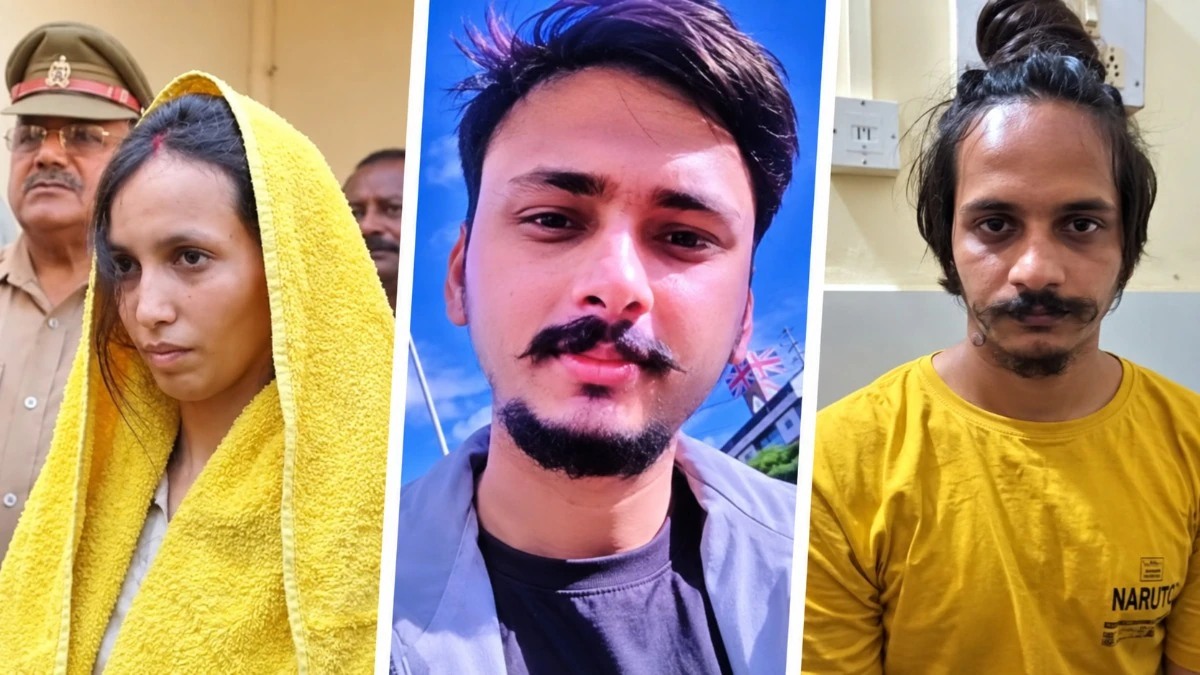
The trial was a lengthy process, spanning approximately 13 months and involving 126 hearings. During the proceedings, the prosecution examined 22 witnesses as it sought to establish the involvement of both accused in the murder and the concealment of Rajput’s body.
On September 30, 2026, the Meerut court convicted Muskaan Rastogi and Sahil Shukla. The sentencing proceedings followed on October 14, when District Judge Arvind Kumar Mishra awarded both convicts the death penalty.
The prosecution had argued for the harshest punishment, pointing to the nature of the crime, the alleged planning involved and the attempt to conceal the victim’s remains. The court’s decision reflected the seriousness with which it viewed the offences established during the trial.
Both convicts appeared before the court through video conferencing. The verdict brought the trial to a major turning point after months of proceedings and extensive scrutiny of the evidence.
The death sentence, however, does not mean the executions will take place immediately. Under Indian law, a death sentence awarded by a sessions court must be confirmed by the High Court. The convicts can also pursue the available appellate remedies, including further proceedings before higher courts, subject to the applicable legal requirements.
The case is therefore at a significant judicial milestone, but the legal process surrounding the punishment may continue.
Saurabh Rajput’s Family Reacts to the Verdict
For Saurabh Rajput’s family, the court’s decision comes after a prolonged period of grief and uncertainty. The murder deprived them of a family member, while the circumstances surrounding his death added another layer of trauma to an already devastating loss.
Following the sentencing, Rajput’s family expressed satisfaction with the verdict. The past year had been particularly difficult as they followed the investigation and trial, waiting for the court to determine responsibility for his death.
Yet the punishment cannot reverse what happened or restore the life that was lost. The case has left the family dealing with painful memories, unanswered emotional questions and concerns about the future of the children caught in the aftermath.
The verdict also brings renewed attention to the statements made by Rajput’s family about the future of the couple’s daughters. While the family has indicated a willingness to take responsibility for the elder daughter, it has not expressed the same willingness regarding the younger child.
The distinction highlights the complicated family circumstances created by the case. The children are not responsible for the alleged actions of their parents, yet they now face the consequences of a crime that has permanently altered their family lives.
What Happens to Muskaan Rastogi’s Daughters?
One of the most sensitive aspects of the Meerut blue drum murder case concerns the future of the couple’s children.
Muskaan Rastogi gave birth to a baby girl while lodged in jail. The child was born on November 24, 2025, and was reportedly named Radha. The couple also has an elder daughter from their marriage.
With both parents now sentenced to death, questions have emerged about who will care for the children and where they will grow up.
Saurabh Rajput’s family has reportedly expressed a willingness to adopt or take responsibility for the elder daughter. However, the family has indicated that it does not intend to take custody of the younger child.
The situation presents a difficult challenge for the relatives and authorities involved. Decisions concerning the children’s care must prioritise their safety, stability, emotional well-being and long-term interests, independently of the criminal proceedings against their parents.
The elder daughter’s connection to her father’s family and the younger child’s circumstances make the question particularly delicate. Neither child should be defined by the crime or made to bear responsibility for the actions of adults.
The issue also underscores a wider, often overlooked consequence of serious criminal cases: children can become unintended victims of circumstances beyond their control, requiring sustained care and support long after public attention moves elsewhere.
Why the Meerut Blue Drum Murder Case Drew National Attention
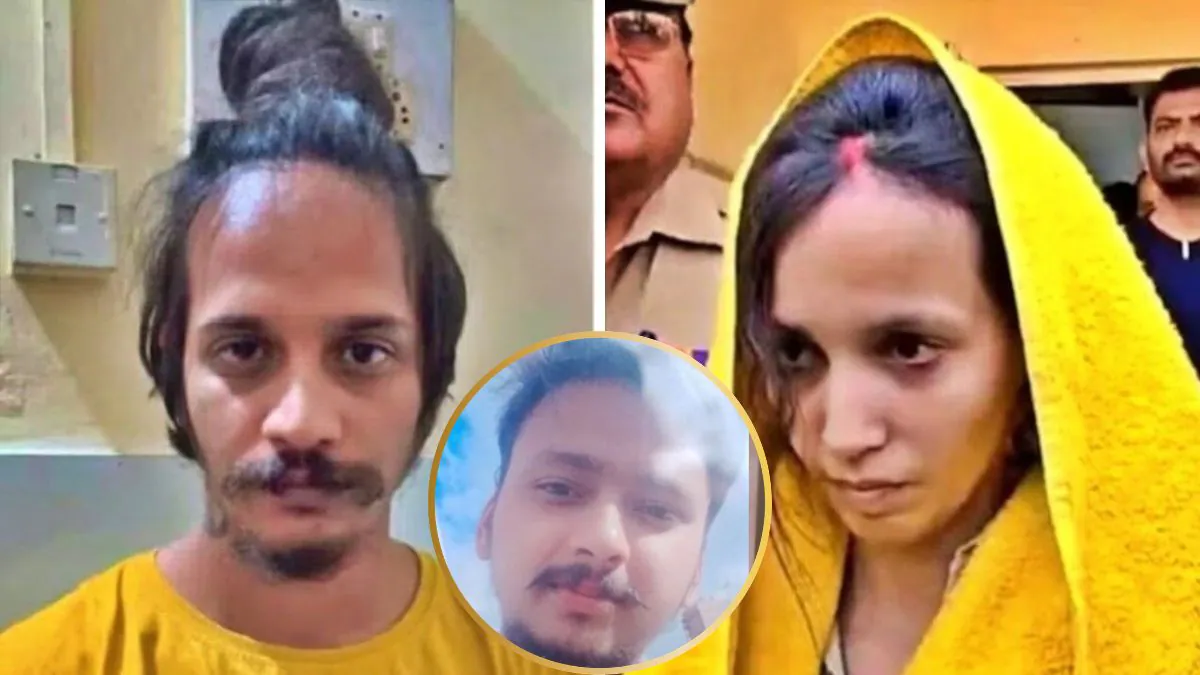
The Meerut blue drum murder case became widely known because several disturbing elements came together in a single investigation. The victim was allegedly killed by his wife and her partner, his body was dismembered, and his remains were concealed in a cement-filled container.
The case also involved an extended investigation, a substantial trial record and intense public interest in the relationship between the accused and the victim.
The blue drum itself became central to the public understanding of the crime. An ordinary household or industrial container was transformed into a crucial piece of evidence after investigators discovered what had been concealed inside it.
The case also attracted attention because investigators examined not only the murder but the alleged efforts to conceal it. Evidence relating to purchases, travel and the movements of the accused helped the prosecution present its account of the events.
For the justice system, the trial demonstrated the importance of assembling evidence, examining witnesses and establishing criminal responsibility through judicial proceedings rather than public speculation.
The sentencing has renewed debate about the death penalty in India, particularly its application in cases involving exceptionally brutal crimes. Such punishment remains subject to the safeguards and review procedures prescribed by law.
What Lies Ahead After the Death Sentence?
The October 14 verdict closes one major phase of the Meerut blue drum murder case, but further legal proceedings remain possible.
The mandatory High Court confirmation process will be an essential step before the death sentence can be carried out. The convicts may also challenge their convictions or sentences through the remedies available under Indian law.
The detailed judicial reasoning and subsequent proceedings will be important in determining how the case develops from here. Until the legal process is completed, the death sentence should be understood as the punishment awarded by the trial court, not as an execution that has already taken place.
Meanwhile, the family’s grief and the children’s uncertain future remain part of the case’s wider human impact.
What lies ahead?
The death sentence awarded to Muskaan Rastogi and Sahil Shukla on October 14, 2026, marks a decisive development in the Meerut blue drum murder case. After 126 hearings and the examination of 22 witnesses, the court held the pair responsible for the murder of Saurabh Rajput and sentenced both to death.
The case has become a grim reminder of how a violent crime can devastate an entire family, extending its consequences far beyond the courtroom. While the verdict represents a major step in the pursuit of justice for Rajput, the legal process is not necessarily over.
For his family, the decision offers a measure of closure after months of painful proceedings. For the couple’s daughters, however, the future remains uncertain. Their circumstances underline a central truth of the case: behind the headlines, the trial and the punishment are human lives forever changed by a crime that shocked Meerut and drew the attention of the entire country.
© Copyright 2026. All Rights Reserved. Powered by Vygr Media.