 By

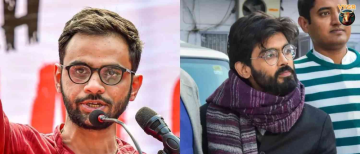
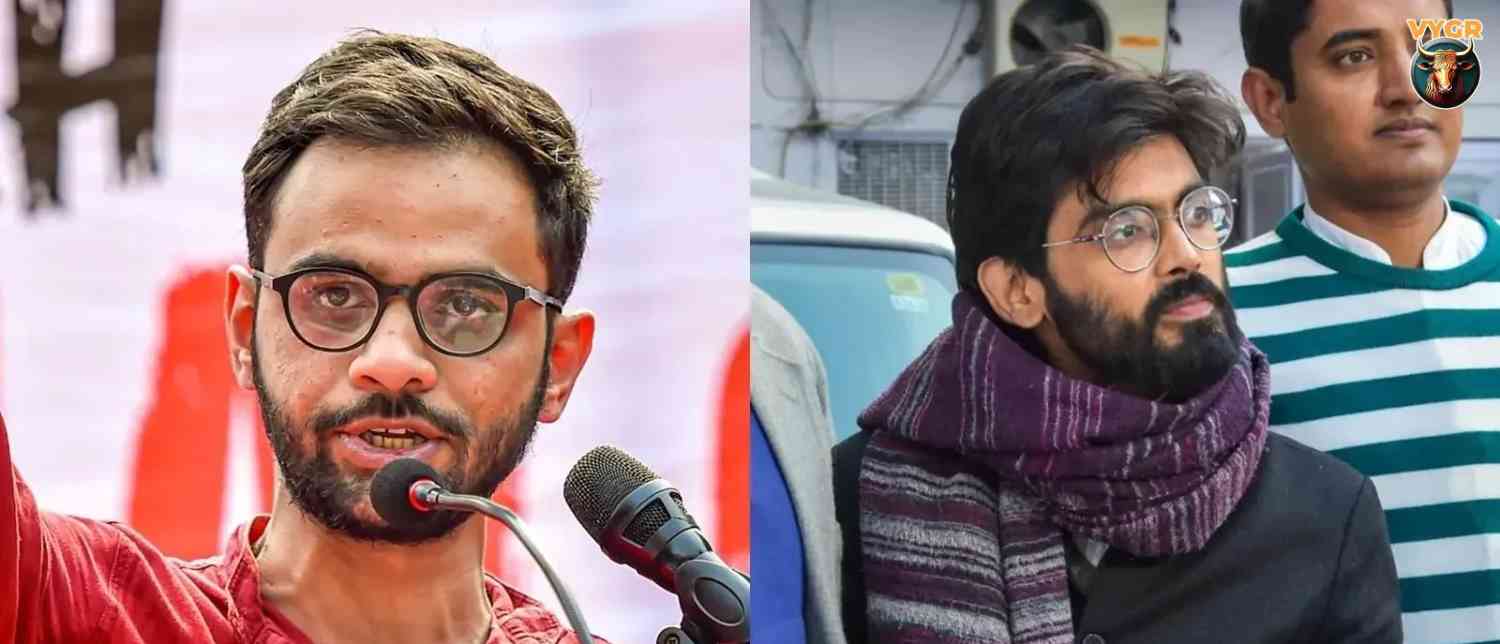
The Supreme Court on Wednesday issued notice to the Delhi Police on fresh bail pleas filed by Umar Khalid and Sharjeel Imam in the 2020 northeast Delhi riots “larger conspiracy” case. The court did not grant interim bail for now, saying it would first hear the police.
Few cases in recent years have kept courts, lawyers and the public as divided as the 2020 Delhi riots conspiracy case. On November 25, 2026, it returned to the Supreme Court once more, this time over one narrow but important question: should two long-jailed accused get bail now that a time limit set by the court itself is about to run out?
What happened in court
A three-judge bench of Chief Justice of India Surya Kant and Justices Joymalya Bagchi and V Mohana issued notice to the Delhi Police on the pleas of both men. Senior advocate Kapil Sibal, appearing for Khalid, asked for interim bail in the meantime. Senior advocate Siddharth Dave made a similar request for Imam.
The bench declined to consider interim relief at this stage. It said it would hear the Delhi Police’s response before deciding on those requests. Solicitor General Tushar Mehta appeared for the police.
The January 5 order at the centre of the dispute
To understand why the pleas were filed, you need to go back to January 5, 2026. On that day, a Supreme Court bench of Justices Aravind Kumar and N V Anjaria refused bail to Khalid and Imam, holding that a prima facie case existed against them under the Unlawful Activities (Prevention) Act (UAPA) and that the strict statutory threshold for bail applied to them.
On the same day, the court granted bail to five co-accused: Gulfisha Fatima, Meeran Haider, Shifa Ur Rehman, Mohammad Saleem Khan and Shadab Ahmad. The court treated the roles of Khalid and Imam as distinct from the others.
Crucially, the court did not close the door entirely. It said the two could seek bail again after the examination of protected witnesses was completed, or after one year from that order, whichever came earlier.
Why they are back
That one-year period is now close to expiring, and the accused say the trial has barely moved. Their main arguments, as reported:
- The protected witnesses haven’t been examined. The pleas say the prosecution has not examined the protected witnesses, reportedly 47 in number, among the hundreds of witnesses cited in the charge sheet.
- A long time in custody. Imam says that after six years and nine months as an undertrial, the prosecution has not examined even a single witness.
- A constitutional argument. Khalid argues that once the one-year period lapses, his continued incarceration would violate Article 21 of the Constitution, which protects the right to life and personal liberty.
The road to the Supreme Court this time
The latest round followed a string of rejections:
- July 4, 2026: A trial court rejected their bail pleas for the third time since arrest, saying it had “no option but to follow” the Supreme Court’s January order.
- September 30, 2026: The Delhi High Court also refused bail, saying that “judicial discipline” prevented it from modifying the Supreme Court’s January direction.
In the High Court, the two had argued that a later Supreme Court judgment in a separate case amounted to a change in circumstances. The police countered that a ruling by a coordinate bench in a different case could not override specific findings and directions in the accused’s own case. The High Court sided with the police.
The broader legal question
Behind this hearing sits a bigger debate. UAPA’s Section 43D(5) sets a stricter test for bail than ordinary criminal law. Courts have long wrestled with how that rule fits with Article 21 and the right against prolonged pre-trial detention, especially when a trial drags on.
Reports indicate the Supreme Court has also referred aspects of this broader issue to a larger bench, after perceived friction between its own earlier rulings on bail under the UAPA. Whatever happens in this particular hearing could therefore carry weight beyond these two accused.
The case in brief
- The northeast Delhi riots broke out in February 2020 during protests against the Citizenship (Amendment) Act and the National Register of Citizens. The violence left 53 people dead and more than 700 injured.
- Khalid and Imam have been booked under the UAPA and other provisions for allegedly being among the masterminds of a larger conspiracy behind the violence.
- Imam was first arrested on January 28, 2020, over speeches made during the protests, and was later named in the conspiracy case. Khalid was arrested in September 2020.
- The Delhi Police has argued that the riots were “orchestrated, pre-planned and well-designed,” not spontaneous.
- The accused have consistently denied the allegations. No court has convicted them, and the trial is still pending.
What happens next
The Delhi Police must now file its response. The court will then hear both sides before deciding on regular bail and the interim requests. A date for the next hearing had not been widely reported at the time of writing.
Whichever way it goes, the outcome will be watched closely, both for what it means for the two men and for how courts balance the UAPA’s strict bail rules against the right to a timely trial.
Frequently Asked Questions
What did the Supreme Court do on November 25, 2026?
It issued notice to the Delhi Police on the bail pleas of Umar Khalid and Sharjeel Imam and declined to grant interim bail for now.
Who heard the case?
A three-judge bench of CJI Surya Kant and Justices Joymalya Bagchi and V Mohana.
What did the January 5 order say?
It denied bail to Khalid and Imam but allowed them to seek bail again after the protected witnesses were examined or after one year, whichever was earlier.
Why are they seeking bail again?
They argue the protected witnesses have not been examined and that the one-year period is nearly over.
Have they been convicted?
No. They are undertrials, and they deny the allegations.
Under which law are they charged?
The Unlawful Activities (Prevention) Act (UAPA), along with other provisions.
© Copyright 2026. All Rights Reserved. Powered by Vygr Media.