 By

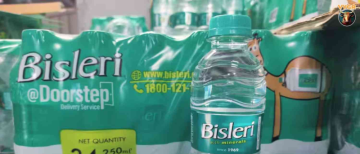
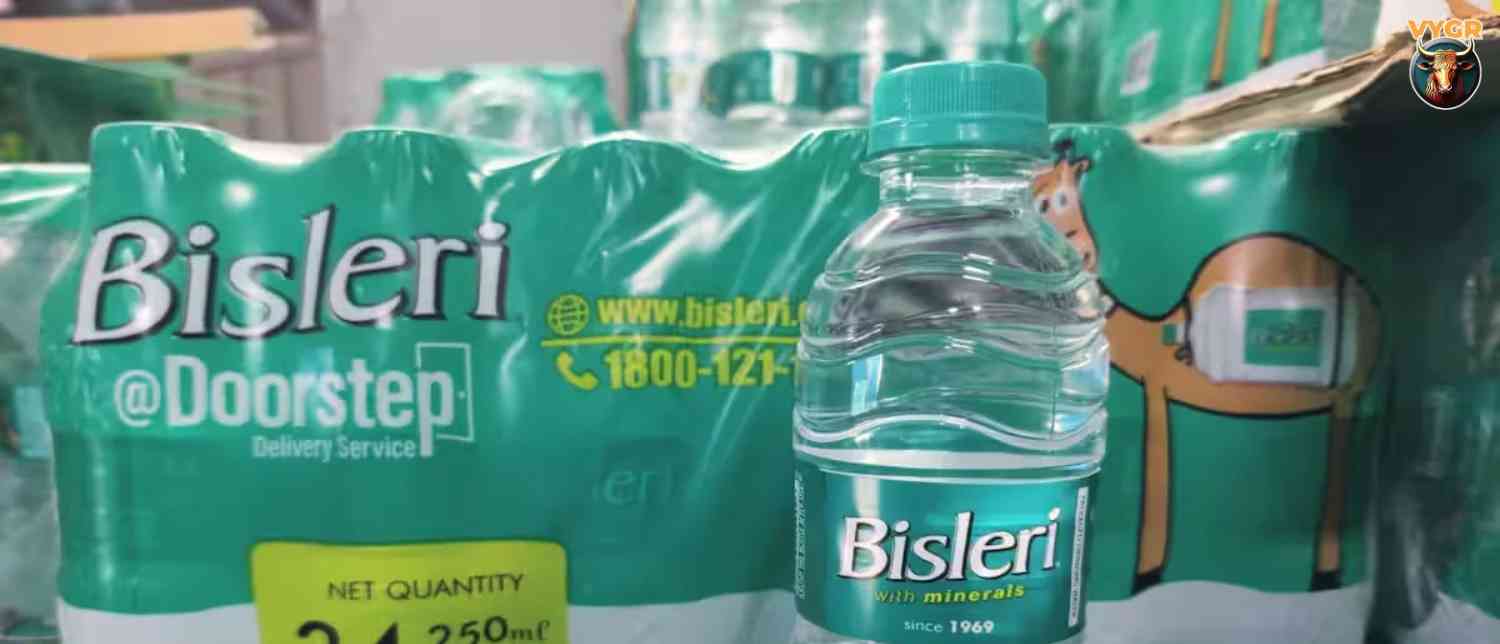
India’s food regulator is widening its scrutiny of the packaged drinking water market. After sanctioning prosecution against Bisleri International over a sample declared unsafe, the Food Safety and Standards Authority of India (FSSAI) has begun collecting random samples from multiple brands. It is also examining misleading labels and brand names that resemble those of established companies. For millions of consumers who buy bottled water every day, the move raises an obvious question: how safe is the water in the bottle?
Why FSSAI Acted Against Bisleri
On Sunday, November 22, FSSAI announced that it had sanctioned prosecution against Bisleri International under the Food Safety and Standards Act, 2006. According to the regulator, a regulatory sample of “Packaged Drinking Water (other than Mineral Water)” was taken from the company’s premises and found not to comply with the prescribed limit for bromate. The sample was declared unsafe.
The regulator said the sample was also sent to a referral food laboratory, which likewise declared it unsafe after detecting polynuclear aromatic hydrocarbons, commonly called PAHs. Based on these findings, FSSAI said violations relating to unsafe food had been established, and it approved prosecution.
Bisleri’s Response
The company has rejected any suggestion that its water is unsafe. It says the action concerns a single sample collected from its Goa manufacturing facility in September 2025, roughly 14 months ago. According to the company, FSSAI officials took six samples from the plant on September 30, 2025, and the Goa unit is one of 143 facilities in its network. Bisleri has pointed to what it describes as contradictory laboratory findings and says its products remain safe for consumption. It also says drinking water safety is a priority for the company.
The dispute now moves into the legal process, where the lab results and the way the samples were handled and tested are likely to be examined.
FSSAI Widens the Net
The regulator is not limiting itself to one company. It is now planning to test more Bisleri samples from across the country and has started collecting random samples from other packaged water brands as well. The aim is to check whether safety and quality standards are being met across the industry, not only by one manufacturer.
FSSAI is also looking at labelling and branding. Officials are examining misleading label claims and product names that resemble well-known companies, a practice that can confuse buyers into thinking they are purchasing a trusted brand. The regulator has recently taken a tougher line on misleading names and claims across the food sector, and packaged water is now getting the same attention.
What Are Bromate and PAHs?
-
Bromate can form as a byproduct when water is disinfected with ozone and the source water contains bromide. Safety standards cap its level in drinking water, and international health bodies treat long-term exposure above safe limits as a concern.
- PAHs are a group of chemical compounds produced by burning and industrial processes. Some are considered carcinogenic, which is why standards restrict them in food and drinking water.
A single sample failing a limit does not by itself show that all bottles from a brand are unsafe. It does show why batch-level testing and strict limits matter.
Stricter Rules Already in Place
Packaged drinking water has already been under tighter oversight. FSSAI has placed packaged mineral drinking water in its “high-risk food” category, which means stricter compliance requirements and more frequent audits of bottling plants. A testing scheme for packaged drinking water and mineral water also took effect on January 1, 2026, requiring manufacturers to meet testing requirements, including checks on new source water at accredited laboratories before it is used for regular production.
Lookalike Brands and Counterfeits
The attention on brand names that resemble established companies reflects a wider problem. Counterfeit and imitation bottled water has been a recurring issue in India, with raids on illegal units that refill bottles and attach fake labels, caps and barcodes. Water used in such operations is often drawn from unauthorised sources and is untested. Consumers rarely have a way to tell the difference at the point of sale, so regulators are trying to tackle the problem at the labelling and branding stage.
What Consumers Can Do
-
Check the bottle for an FSSAI licence number and a BIS certification mark.
- Buy from reputable retailers, and be careful with unusually cheap bottles or loose labels and seals.
- Look closely at the brand name and spelling for subtle imitations.
- Check the manufacturing and expiry dates, and avoid bottles stored in heat or direct sunlight.
- Report suspicious products to the food safety authorities.
What Happens Next
Key developments to watch include the results of the new round of sampling, any enforcement action against other brands, the outcome of the legal proceedings against Bisleri, and whether FSSAI tightens labelling rules for packaged water. The probe could lead to stricter monitoring across a market that has grown rapidly and depends heavily on consumer trust.
Frequently Asked Questions
Why did FSSAI sanction prosecution against Bisleri? A sample of its packaged drinking water was found non-compliant with the bromate limit and declared unsafe, and a referral laboratory reported PAHs.
Does this mean Bisleri water is unsafe? The company says the action relates to one sample from its Goa plant collected in September 2025 and that its water is safe. The matter will be decided in the legal process.
Which brands are being tested? FSSAI has said it is collecting random samples from multiple packaged water brands. A full list has not been published.
What else is the regulator checking? Misleading labels and brand names that resemble established companies.
How can I tell if bottled water is genuine? Look for FSSAI and BIS marks, check seals and labels, and buy from trusted outlets.
© Copyright 2026. All Rights Reserved. Powered by Vygr Media.