 By

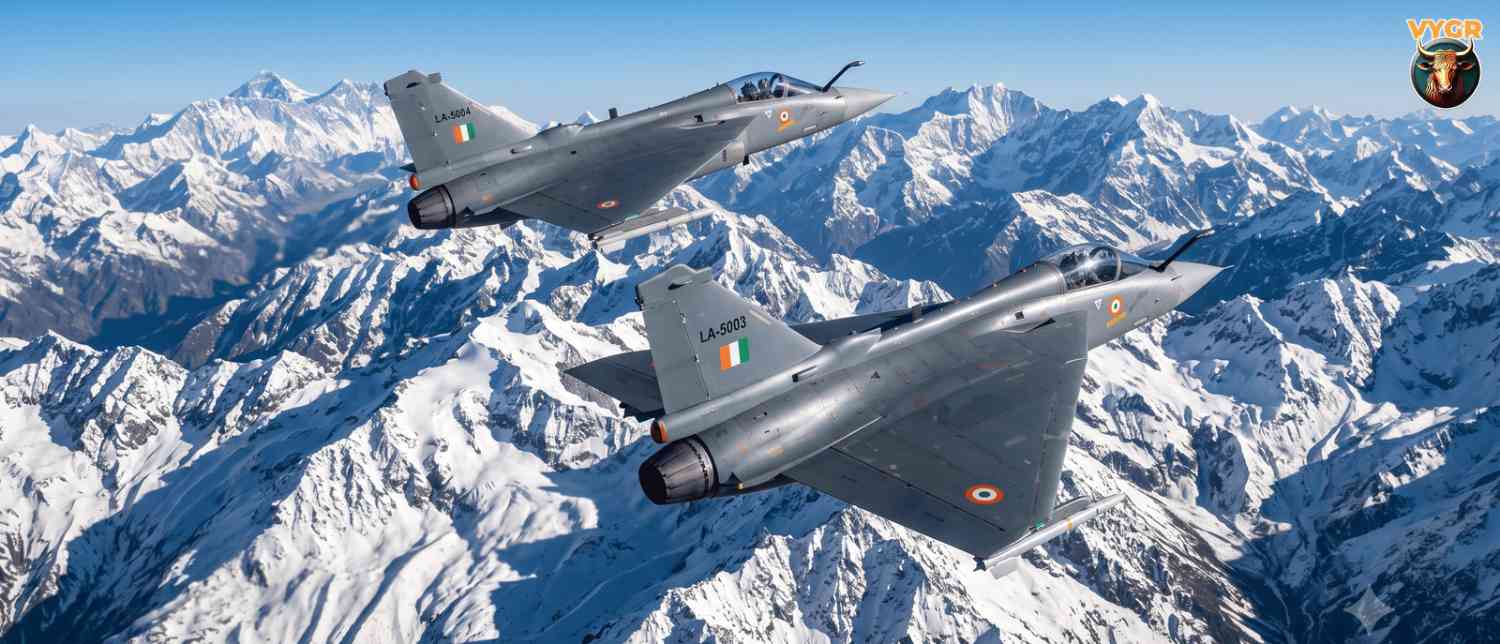
The Indian Air Force expects its first squadron of Tejas Mk1A fighters by the end of March 2027, after years of delays. Here is what makes this version a more capable jet than the Tejas Mk1, and why the wait has mattered so much.
Some aircraft arrive with a roar. The Tejas Mk1A has arrived, so far, with a long list of revised deadlines. But after years of waiting, the Indian Air Force now has a date it believes in, and with it comes a fair question: what exactly is the Air Force getting?
The date everyone is watching
Air Chief Marshal Ashutosh Dixit has said the IAF expects to form its first Tejas Mk1A squadron by the end of March 2027. Reports suggest the first one or two jets could be handed over as early as January. A typical IAF squadron has 18 aircraft, and Hindustan Aeronautics Limited (HAL) is said to have committed to delivering 16 to 18 jets by March 31.
The Air Force has been clear on one point: it will accept the aircraft only once they meet all prescribed operational and capability requirements. Handing over a jet is one thing. Handing over a ready jet is another.
Why it took so long
The Mk1A story is a story of delays. When the Defence Ministry signed the deal for 83 jets in February 2021, HAL was expected to begin deliveries in February 2024. That date came and went.
The main culprit was the supply of F404-IN20 engines from US manufacturer GE Aerospace. The first engine under the contract reached India only in March 2025, with the supplier citing supply-chain disruptions and the difficulty of restarting production. Complex integration of weapons and other systems added to the delay. Recently, a 15th engine was reportedly dispatched, a small sign that the pipeline is finally moving.
The programme has since grown. The IAF has ordered 180 Mk1A fighters in total: the original 83, plus 97 more ordered in September 2025 at a cost of over ₹62,370 crore.
Why the Air Force needs this jet now
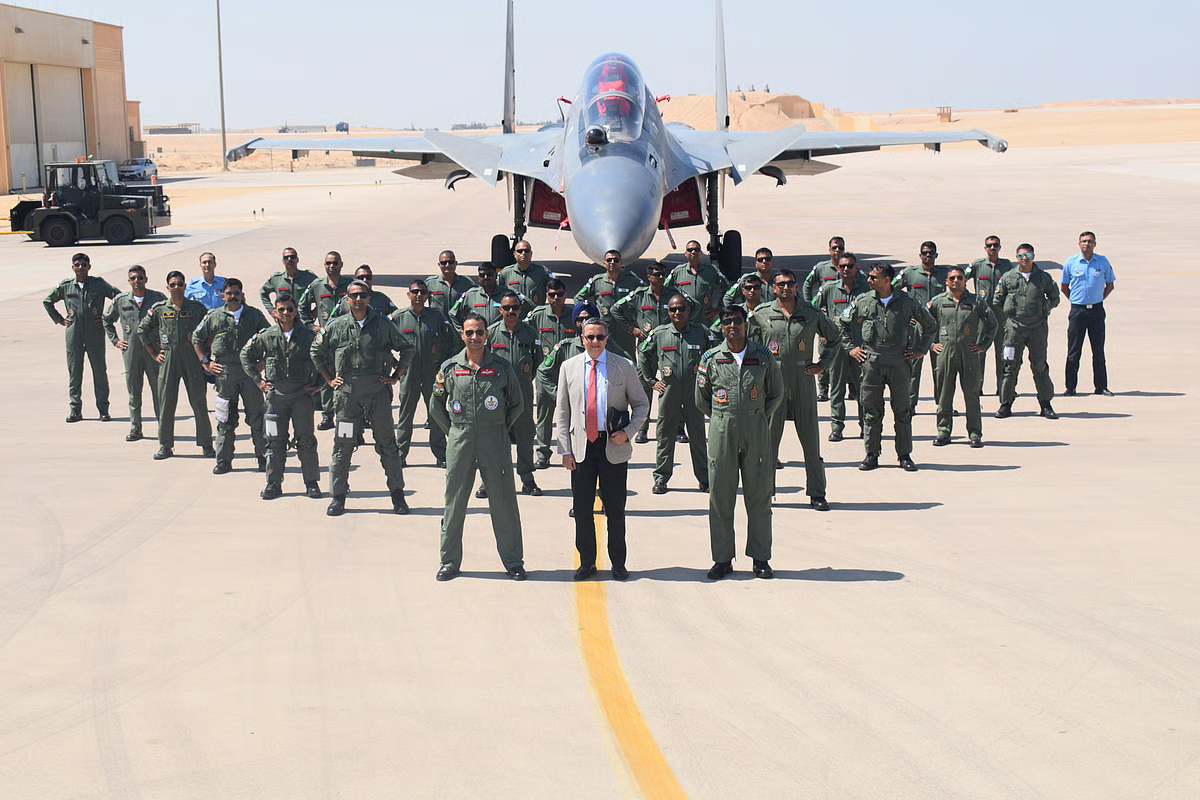
The timing matters because the IAF is short on fighters. Estimates put its combat strength at around 29 squadrons against a sanctioned 42.5. Retiring older jets makes the gap more urgent. A squadron of Mk1As won’t solve that overnight, but it is a start, and it is a start made in India.
What is actually new: Mk1 vs Mk1A
Here is the important thing to understand: the Mk1A is not a brand-new aircraft. It shares the same basic airframe and the same F404 engine as the Mk1. It is better thought of as a heavily modernised version, with roughly 40 changes over the original, a figure the IAF has put at 43 improvements. The biggest changes are in what the jet can sense, how it protects itself and how easily it can be maintained.
1. An AESA radar: the biggest upgrade
The star of the show is the Active Electronically Scanned Array (AESA) radar. It replaces the mechanically scanned radar on the Mk1.
Think of it this way. A mechanical radar is like a person turning their head to look around a room: it can only look at one section at a time. An AESA radar works more like having many eyes at once. It scans the sky electronically, tracks multiple threats more efficiently and is harder to jam.
Radar is also where the story gets a little complicated. Early jets are reported to use an Israeli AESA radar as an interim solution, while later aircraft are expected to carry the indigenous Uttam AESA radar developed by India’s defence research organisation. Uttam is described as about 95% indigenous and offers 18 modes across air-to-air, air-to-ground and air-to-sea roles. Reports differ on exactly which radar will fly in the first batch, so treat that detail with some caution.
2. A smarter electronic warfare suite
The Mk1 already had a self-protection suite, but the Mk1A goes further. According to the defence research organisation, its electronic warfare system includes a Radar Warning Receiver, which alerts the pilot when hostile radar is tracking the jet, and an Advanced Self-Protection Jammer, which helps disrupt incoming threats.
One tells the pilot that trouble is near. The other helps do something about it. Together, they make the aircraft considerably harder to hunt.
3. Beyond-visual-range punch
The Mk1A is designed to work with beyond-visual-range missiles, which allow it to engage targets far beyond what the pilot can see. Paired with the new radar, this is what turns “better at seeing” into “better at fighting.”
4. Better avionics and flight controls
The upgraded jet also brings a new digital flight control computer, smart multi-function cockpit displays and improved avionics overall. For a pilot, this means a clearer picture and less workload in a crowded sky.
5. Range and endurance
The Mk1A also supports mid-air refuelling, which helps extend how far and how long the jet can operate. This was one of the limitations the IAF wanted addressed in the original Mk1.
6. Easier maintenance
This one is less glamorous but may matter just as much. The Mk1A is built for faster turnaround, with improvements such as an on-board oxygen generation system and cleaner design changes meant to keep jets flying more and sitting in hangars less. A fighter that is always available is worth more than a brilliant one that is always being repaired.
The honest caveats
It is worth keeping expectations realistic. The Mk1A is still a fourth-generation, single-engine fighter, and its range and payload remain limited compared with larger jets. It is also not the end of the road for the programme: a bigger, more powerful Tejas Mk2 is in development and is expected to bring further advances.
There is also the question of whether every jet will arrive with every capability at once. Some of the capability work, particularly around weapons integration and the radar, has been the very thing slowing the programme down. The IAF’s insistence on meeting all requirements before acceptance is a sign it wants to avoid taking delivery of a half-finished product.
What to watch next
Over the next few months, three things will decide whether March 2027 holds:
- Engine deliveries keeping pace with HAL’s production
- Certification and documentation being completed on time
- Capability sign-off from the IAF before formal acceptance
If all three line up, India will finally have its upgraded Tejas in service, and the ones to follow should come faster.
Frequently Asked Questions
When will the IAF get its first Tejas Mk1A squadron?
The IAF expects its first squadron by the end of March 2027, with the first jets possibly arriving as early as January.
What is the main difference between Tejas Mk1 and Mk1A?
The biggest change is the AESA radar, along with a more advanced electronic warfare suite, upgraded avionics and easier maintenance.
Why was the Mk1A delayed?
Mainly because of late delivery of GE’s F404 engines, along with the complexity of integrating weapons and other systems.
How many Tejas Mk1A jets has the IAF ordered?
A total of 180: 83 under the first contract and 97 under a follow-on order placed in 2025.
Does the Mk1A use a new engine?
No. It uses the same F404 engine family as the Mk1.
What comes after the Mk1A?
The larger and more powerful Tejas Mk2 is in development.
© Copyright 2026. All Rights Reserved. Powered by Vygr Media.