 By
By 
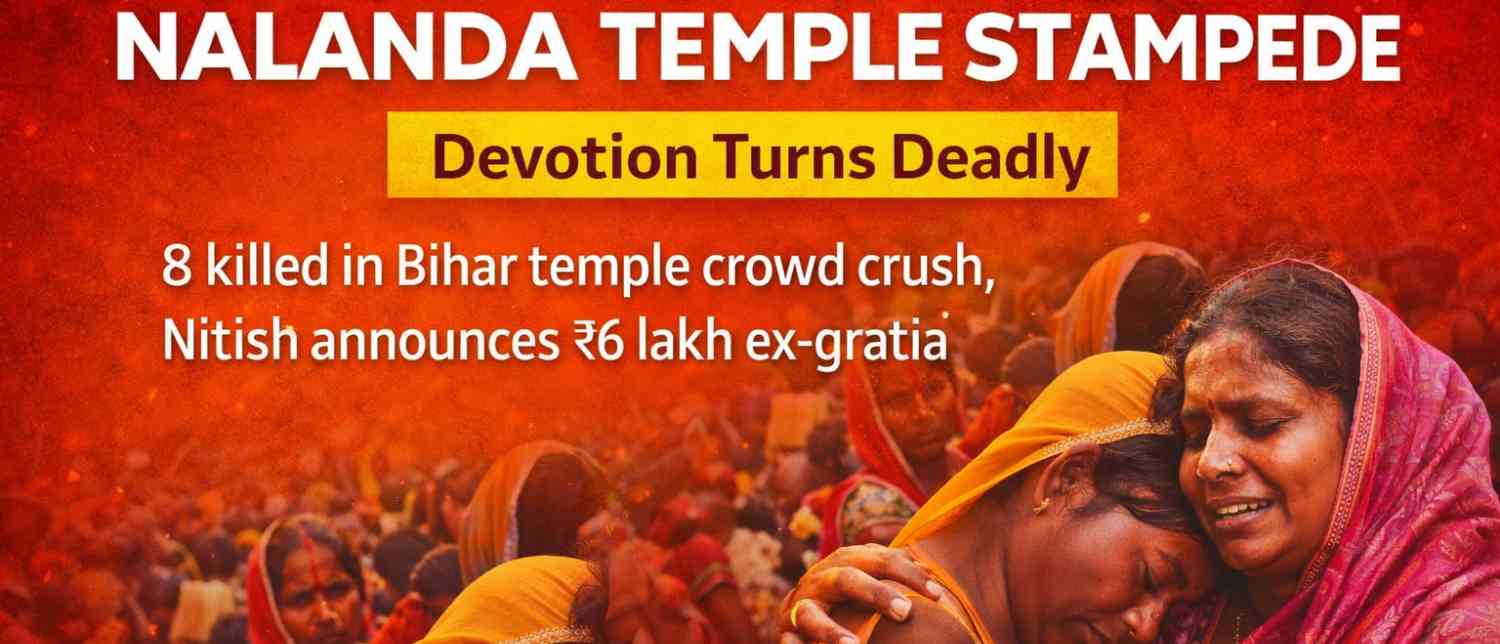
A routine day of worship turned into a scene of devastation in Bihar’s Nalanda district, where a massive stampede at the Maa Sheetla Mandir in Maghra village claimed multiple lives and left several injured, exposing deep concerns over crowd management and public safety at religious gatherings.
A Tragedy Unfolds Amid Devotion
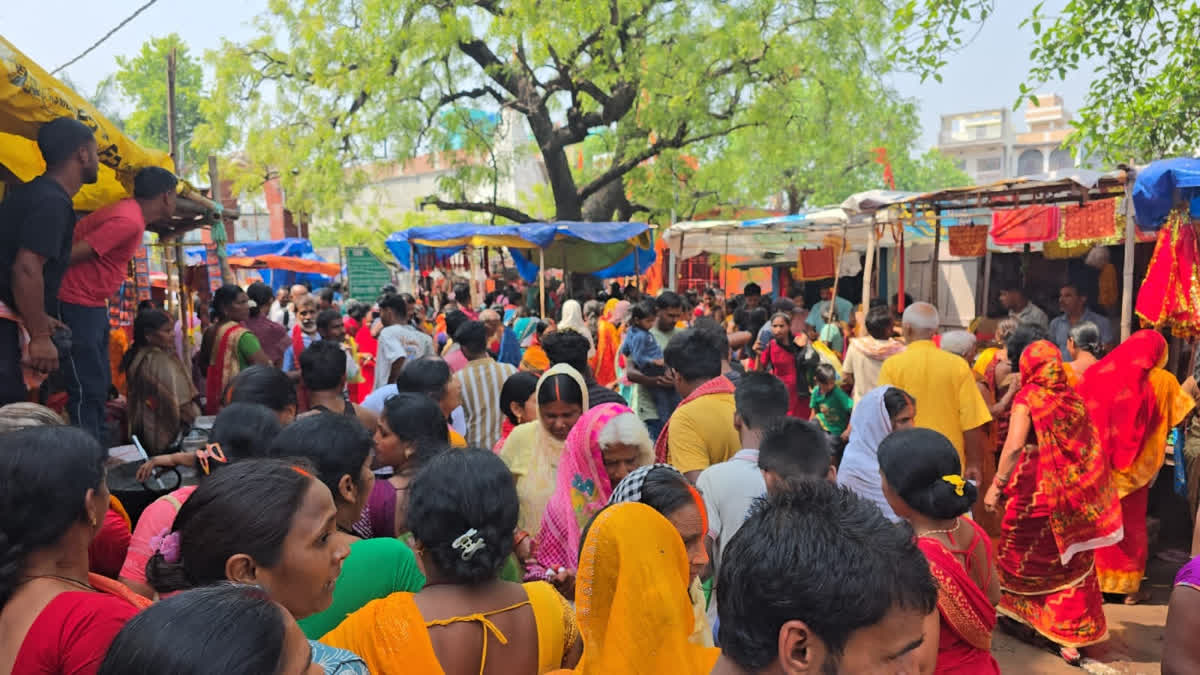
The stampede occurred on March 31 during a Tuesday worship at the revered Sheetla Mata temple, a day that traditionally draws large numbers of devotees. The occasion was particularly significant as it coincided with the last Tuesday of the Hindu month of Chaitra, further swelling the crowd beyond manageable limits.
From the early hours of the morning, devotees had begun gathering at the temple premises, located about five kilometres from Bihar Sharif. Within hours, the crowd grew dense and difficult to control. Witnesses describe a sudden surge that triggered panic, quickly spiralling into a deadly crush.
Initial reports suggested chaos broke out when barricades collapsed under pressure from the crowd, leading to a stampede during the worship.
The mishap in Nalanda district, Bihar, is deeply painful. I extend my condolences to those who have lost their loved ones. Prayers for the speedy recovery of those injured.
An ex-gratia of Rs. 2 lakh from PMNRF would be given to the next of kin of each deceased. The injured…— PMO India (@PMOIndia) March 31, 2026
Death Toll and the Human Cost
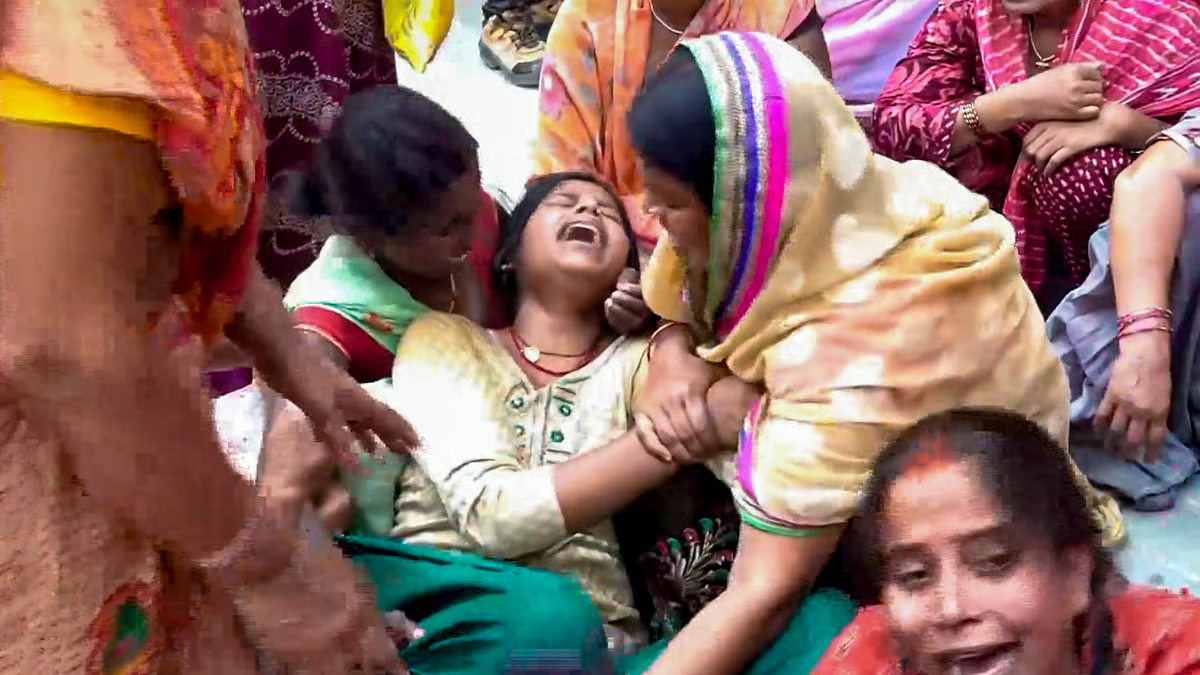
Officials confirmed that at least eight devotees lost their lives in the incident, with all victims reported to be women. Several others were injured, with reports indicating over a dozen people sustained injuries in the crush.
In some accounts, the death toll was feared to be higher, with local authorities working to identify victims and verify numbers. Nalanda District Magistrate Kundan Kumar stated that postmortem examinations were underway and that most of the deceased had been identified.
Disturbing visuals from the site showed devotees lying unconscious on the ground as panic and confusion gripped the temple premises. Many victims were reportedly trampled in the chaos as people attempted to escape the overcrowded space.
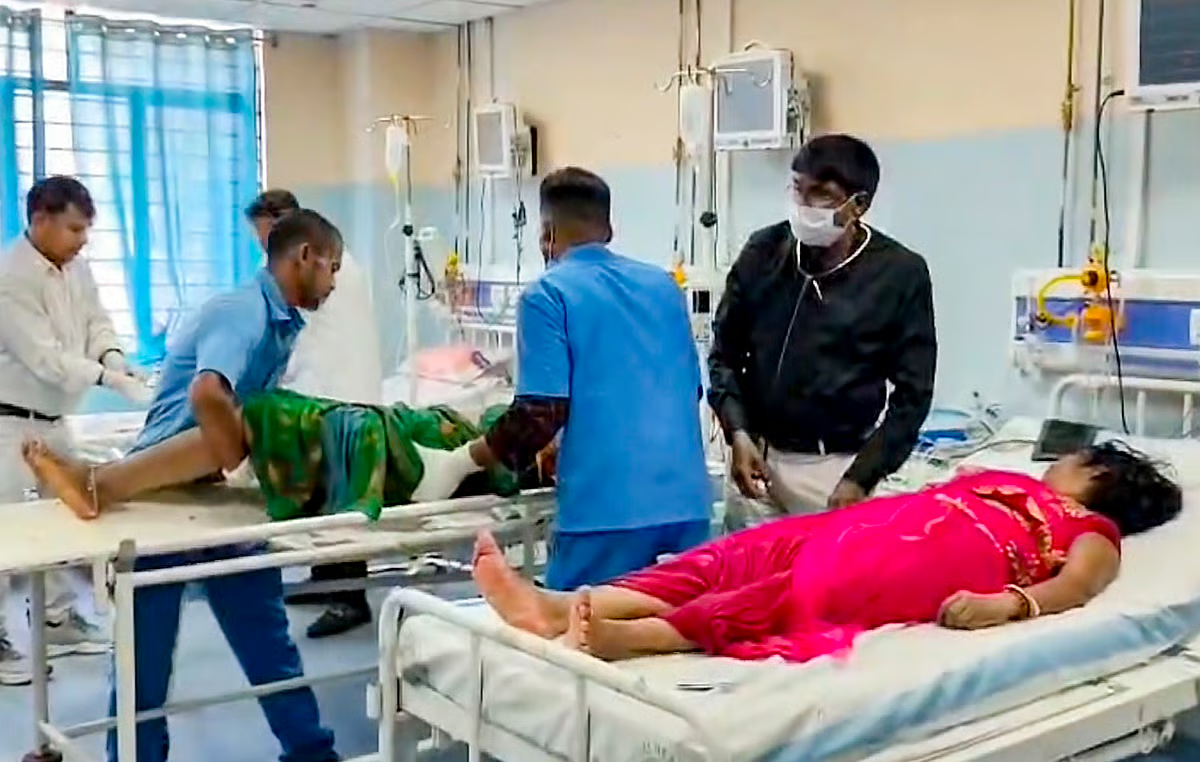
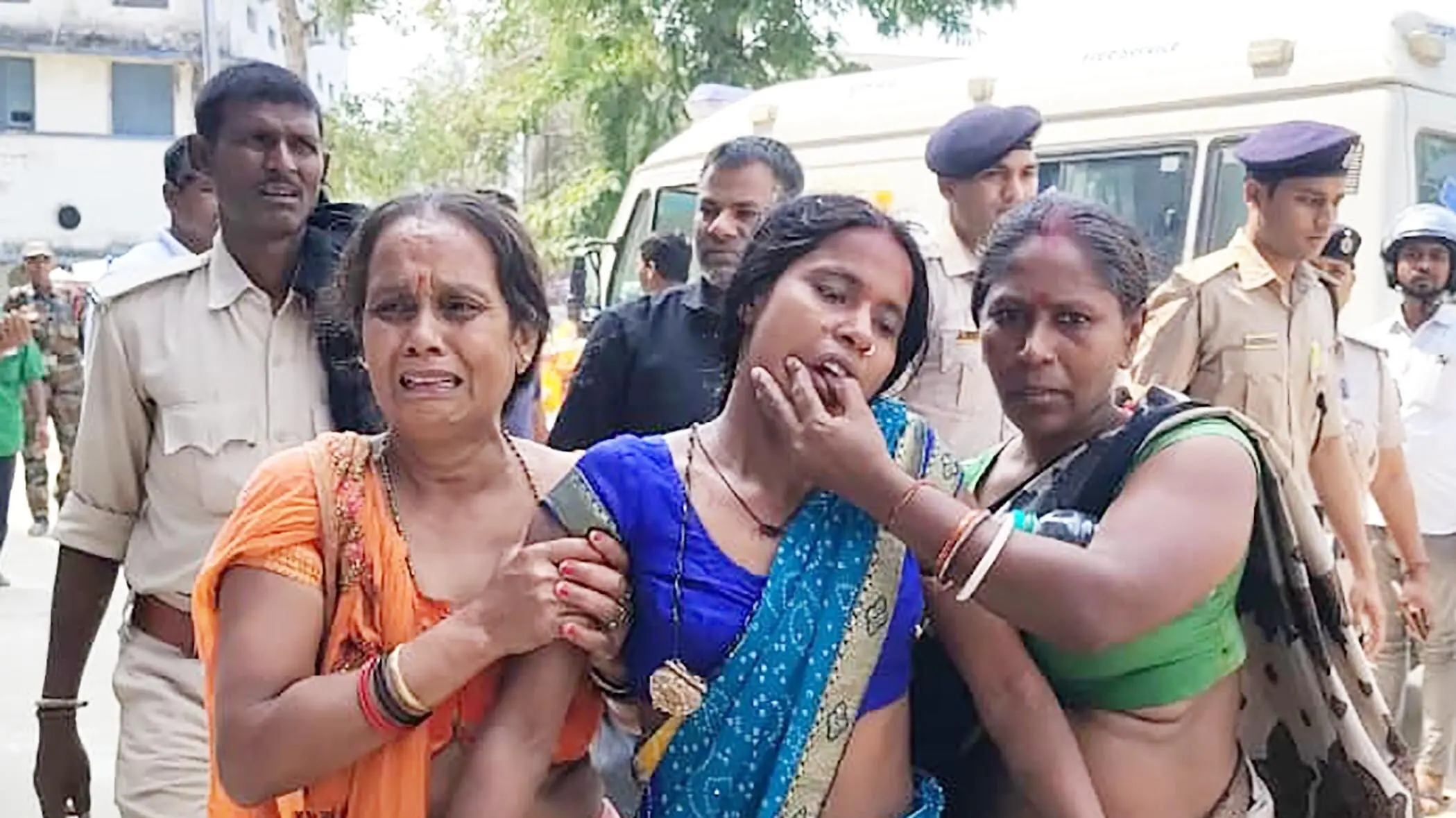
The injured were rushed to nearby hospitals, particularly in Bihar Sharif, where they are undergoing treatment. Authorities later said the condition of those injured was stable.
Eyewitnesses Point to Mismanagement
Eyewitness accounts paint a grim picture of inadequate planning and lack of administrative presence.
Mamata Devi, a devotee who had travelled from Patna, described the situation as chaotic and avoidable. “It is always crowded here on Tuesday… but a stampede broke out, and people died. It happened due to mismanagement… administration is not here,” she said.
Survivors and locals echoed similar concerns, alleging insufficient deployment of police personnel and poor crowd control measures. Reports also indicated that the number of security arrangements was not proportionate to the turnout of devotees.
Some accounts suggested that panic may have been exacerbated by attempts to control the crowd, including reports of a lathi charge as the situation worsened, further triggering a rush among devotees trying to flee.
What Led to the Stampede?
Multiple factors appear to have contributed to the tragedy:
-
Overcrowding due to a high turnout on a religiously significant day
-
Collapse of barricades under crowd pressure
-
Lack of adequate crowd control mechanisms
-
Insufficient administrative and police presence
The convergence of these factors created a volatile situation where even a minor trigger escalated into a fatal stampede.
Government Response and Compensation
In the aftermath of the tragedy, both the central and state governments announced compensation for the victims’ families.
Prime Minister Narendra Modi expressed deep anguish over the incident, calling it “deeply painful.” He extended condolences to the bereaved families and wished a speedy recovery to the injured.
The Prime Minister also announced an ex-gratia payment of ₹2 lakh from the Prime Minister’s National Relief Fund for the next of kin of each deceased and ₹50,000 for those injured.
The Bihar government, led by Chief Minister Nitish Kumar, announced a higher compensation package. Families of the deceased will receive ₹6 lakh each—₹4 lakh from the Disaster Management Department and ₹2 lakh from the Chief Minister’s relief fund.
National Leaders Express Grief
The tragedy drew condolences from across the country’s leadership.
President Droupadi Murmu and Vice President Jagdeep Dhankhar expressed grief over the loss of lives, describing the incident as deeply saddening and extending their sympathies to the families affected.
Prime Minister Modi’s message emphasized both empathy and support, underscoring the national significance of the tragedy and the need for relief measures.
Administrative Action and Accountability
As public outrage grew over the apparent lapses, authorities initiated action against those responsible.
An FIR was lodged against temple authorities, including members of the temple committee and priests, holding them accountable for the mismanagement that allegedly led to the disaster. Four priests were arrested as part of the investigation.
Officials indicated that further inquiries are underway to determine the exact sequence of events and identify systemic failures.
A Pattern of Preventable Disasters?
The Nalanda stampede once again raises troubling questions about safety at religious gatherings in India, where large crowds often converge in limited spaces.
Despite recurring incidents across the country, experts and observers point out that basic crowd management protocols—such as controlled entry, proper barricading, adequate security deployment, and emergency response systems—are frequently overlooked or poorly implemented.
In Nalanda, the tragedy appears to have been a result of precisely such lapses, where faith drew thousands, but planning failed to match the scale.
The Aftermath: Grief and Reflection
As families mourn their loved ones, the incident has left behind a trail of grief and anger. For many, what should have been a day of devotion turned into an irreversible loss.
The government’s compensation announcements, while offering some financial relief, have done little to quell questions about accountability and prevention.
At its core, the Nalanda stampede is not just a story of a tragic accident—it is a stark reminder of the fragile balance between faith and safety, and the cost of failing to maintain it.
As investigations continue and responsibility is assigned, one question looms large: how many more such tragedies will it take before systemic change ensures that places of worship do not become sites of disaster?
With inputs from agencies
Image Source: Multiple agencies
© Copyright 2025. All Rights Reserved. Powered by Vygr Media.