 By
By 
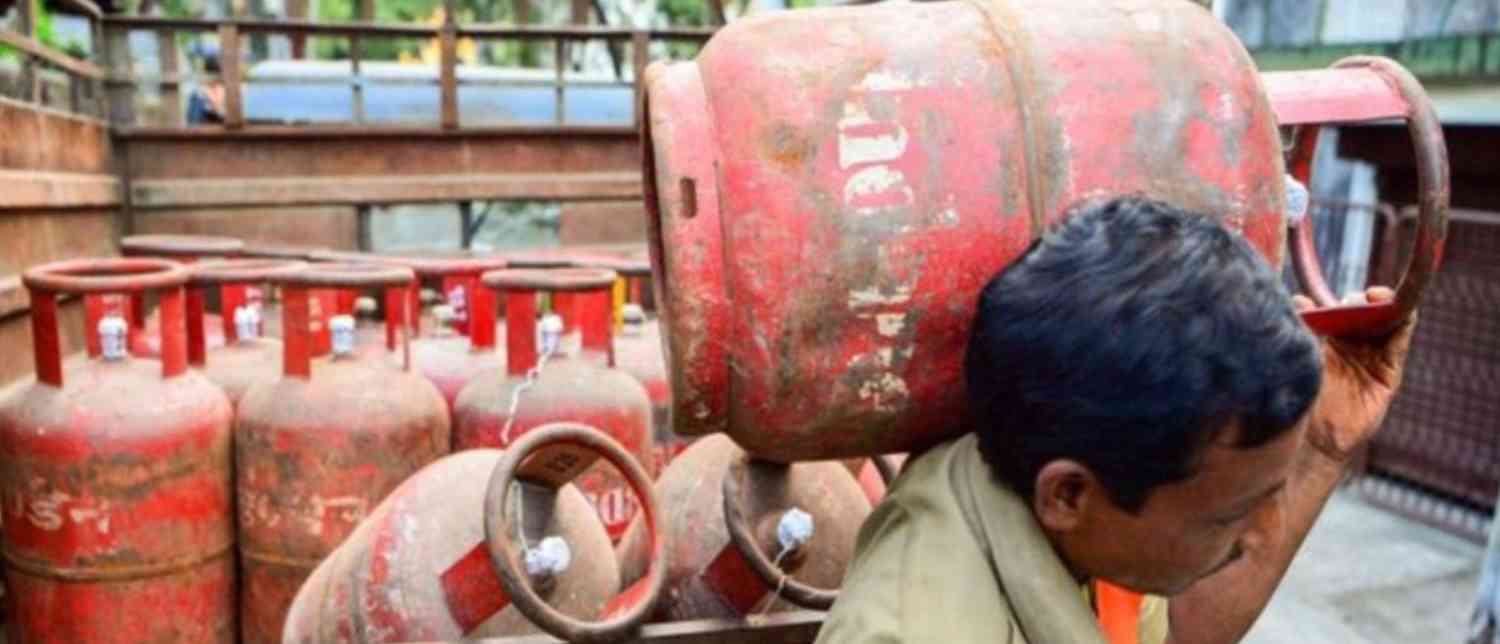
India’s hospitality sector is facing a growing crisis as a sudden shortage of commercial Liquefied Petroleum Gas (LPG) cylinders threatens to disrupt operations across major cities such as Bengaluru, Chennai, and Mumbai. Hotel and restaurant associations have warned that the ongoing supply disruptions—linked largely to geopolitical tensions in the Middle East—could force eateries to shut down if the situation does not improve soon.
At the same time, the central government has stepped in with emergency measures, directing oil refineries to increase LPG production and prioritising domestic household supply. While officials insist there is no immediate cause for concern, industry stakeholders say the shortage is already affecting restaurants and food services across several parts of the country.
Middle East Conflict Disrupts LPG Supply Chain
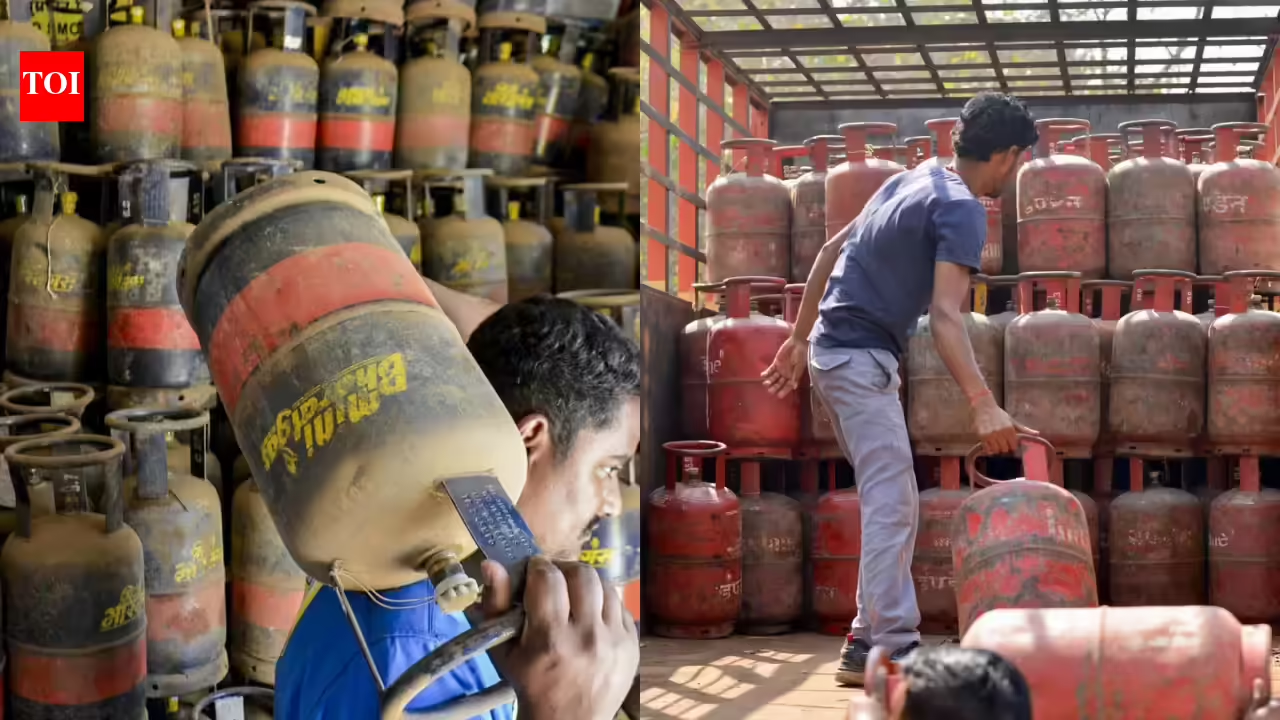
The LPG shortage in India is closely tied to the ongoing conflict involving Iran, Israel, and the United States, which has disrupted major energy shipping routes. One of the most critical routes affected is the Strait of Hormuz, through which a large portion of global energy shipments pass.
India imports nearly 62% of its LPG requirements, and a significant share of these imports—around 85–90%—normally arrive through the Strait of Hormuz from suppliers such as Saudi Arabia. With disruptions in this route, fuel supply chains have been affected, creating pressure on LPG availability within the country.
The uncertainty in global energy markets has also led to a sharp spike in crude oil prices. On Monday, oil prices surged past $100 per barrel, the highest level in more than three years. However, prices eased slightly the following day, with Brent crude falling $6.51 (6.6%) to $92.45 per barrel, while US West Texas Intermediate (WTI) dropped $6.12 (6.5%) to $88.65 per barrel.
LPG Price Hike Adds to Pressure
Amid the supply disruptions, LPG prices were increased last Saturday.
-
Domestic LPG cylinders saw a price hike of ₹60.
-
Commercial LPG cylinders used by restaurants and hotels increased by ₹115.
Following the revision, the price of a 14.2 kg domestic LPG cylinder in Delhi rose to ₹913 from ₹853. In Mumbai, the price increased to ₹912.50 from ₹852.50.
This was the first change in LPG prices since April last year. The hike, combined with fears of shortages, triggered panic buying in several parts of the country.
Panic Buying and Long Queues at LPG Agencies
As the conflict entered its tenth day on March 9, anxiety spread among consumers. Videos circulating on social media showed long queues outside LPG distribution centres in multiple cities.
In Noida’s Sector 22, large crowds gathered outside a Bharat Gas agency, while in Birdpur village in Sitapur district of Uttar Pradesh, hundreds of residents were seen sitting beside their empty cylinders waiting for refills.
One consumer told India Today that he had booked an LPG refill five days earlier but had not received the delivery, forcing him to visit the agency in person to check the status.
The panic buying has further strained supplies, prompting authorities to introduce restrictions on booking cycles.
Bengaluru Hotels Warn of Shutdown
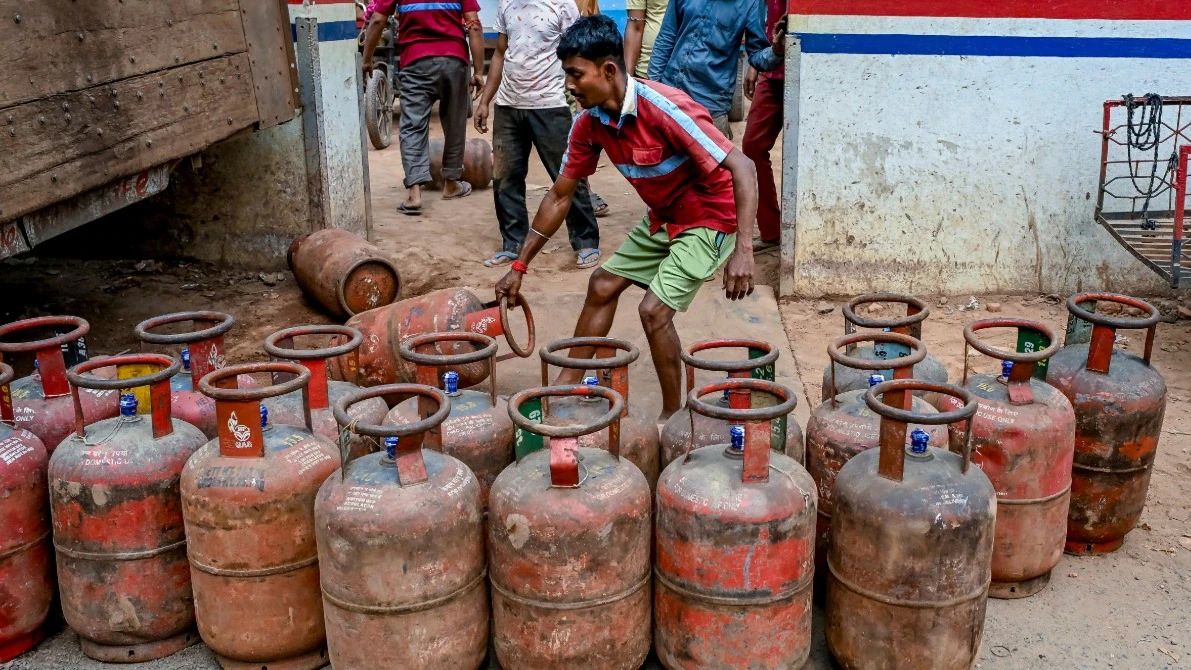
In Bengaluru, the situation has raised serious concerns for the hospitality sector. The Bangalore Hotels Association warned that restaurants across the city could be affected due to the stoppage of commercial LPG supply.
In a statement issued Monday, the association said:
“Since the gas supply has stopped, the hotels will be closed from tomorrow.”
However, the association also emphasised the importance of the hotel industry as an essential service provider.
Many people—including students, hospital staff, and professionals—depend on hotels for daily meals. A disruption in food services could therefore impact thousands of residents.
The association added that oil companies had earlier assured 70 days of uninterrupted gas supply, making the sudden halt particularly alarming for hotel owners.
Association president PC Rao said that establishments would try to continue operations as long as possible.
“We will function till the last drop to serve people,” he told reporters.
Chennai Hospitality Sector Sends SOS to Prime Minister
Hotels and restaurants in Chennai have also raised concerns over the worsening LPG shortage.
In a letter addressed to Prime Minister Narendra Modi, the city’s hotel association described the situation as “critical.” Association president M Ravi highlighted the importance of continuous food supply for hospitals, IT parks, college hostels, and travellers.
According to Ravi, the hospitality sector in Tamil Nadu operates around the clock to serve essential institutions.
“If the supply of commercial LPG is hindered, food services for hospitals, students, business travellers, and IT employees will be affected,” he warned.
He also noted that many hotels have already accepted banquet bookings, which could face disruptions if LPG supplies are not restored soon.
The association urged the central government to ensure uninterrupted commercial LPG supply to the food industry.
Mumbai Restaurants Already Cutting Operations
Mumbai’s hospitality industry appears to be among the hardest hit.
According to the city’s hotel association AHAR, about 20% of Mumbai’s hotels and restaurants have already shut down due to LPG supply disruptions.
The association warned that up to 50% of establishments could shut down within the next two days if the situation does not improve.
However, AHAR clarified that there is no collective decision to close operations. Individual hotel owners are deciding whether to remain open based on the LPG stock they have available.
Several iconic eateries in areas such as Dadar, Andheri, and Matunga have already begun adapting their operations to cope with limited gas supply.
Common steps taken by restaurants include:
-
Reducing menu items
-
Removing slow-cooked dishes such as Dal Makhani or Rava Dosa
-
Shortening operating hours to conserve gas
Industry representatives say thousands of eateries could be affected if deliveries of commercial LPG cylinders continue to slow down.
Industry Bodies Seek Government Intervention
Several national hospitality bodies have also raised the issue with the government.
The Federation of Hotel and Restaurant Associations of India (FHRAI) wrote to Petroleum and Natural Gas Minister Hardeep Singh Puri, flagging widespread disruptions in LPG supply.
FHRAI Secretary General Jaison Chacko said distributors were withholding supplies, citing a government order dated March 5.
The association requested a formal clarification confirming that no restrictions apply to the hospitality sector and asked the government to ensure seamless distribution of commercial cylinders.
Similarly, the National Restaurant Association of India (NRAI) said suppliers were unable to meet restaurant demand.
In a statement posted on social media, NRAI said that although the government had reportedly clarified there was no ban on commercial LPG supply, the situation on the ground was different.
“Suppliers are expressing inability to supply cylinders, severely impacting the restaurant industry and food supply,” the association said, urging urgent intervention.
India’s LPG Consumption and Supply Dependence
India consumes approximately 31.3 million tonnes of LPG annually.
-
87% of this consumption goes to household kitchens.
-
The remaining 13% is used by commercial establishments such as hotels, restaurants, and industries.
With imports accounting for around 62% of total LPG demand, disruptions in global supply chains can quickly affect domestic availability.
Industry experts warn that even temporary interruptions in imports can create pressure on commercial sectors, especially when household consumption is prioritised.
Government Measures to Stabilise LPG Supply
In response to the situation, the government has introduced several measures aimed at maintaining domestic LPG availability.
1. Increased LPG Production
The Ministry of Petroleum and Natural Gas has directed oil refineries to maximise LPG production by diverting propane and butane streams to LPG output.
Refineries have been instructed not to use these hydrocarbon streams for petrochemical manufacturing or other downstream products.
2. Essential Commodities Act Invoked
The government has invoked the Essential Commodities Act (EC Act) to ensure uninterrupted supply of LPG to domestic consumers.
3. Longer Booking Cycle
To prevent hoarding and black marketing, the refill booking interval has been extended to 25 days, up from 21 days earlier. Previously, the booking period had been 15 days.
Authorities say this interval aligns with average household consumption, as most families require a new cylinder roughly every six weeks.
4. Prioritisation of Essential Sectors
Imported LPG meant for non-domestic use is being prioritised for critical sectors such as:
-
Hospitals
-
Educational institutions
5. Committee to Review LPG Requests
A committee consisting of three executive directors from oil marketing companies (OMCs) has been formed to examine LPG supply requests from restaurants, hotels, and other industries.
Government Assures Adequate Energy Supply
Despite growing concerns, the government has maintained that India’s energy supply remains stable.
Petroleum Minister Hardeep Singh Puri said the country is in a “comfortable position” and there is “no room for anxiety.”
He added that energy imports from routes other than the Strait of Hormuz continue without disruption and that the energy needs of Indian citizens are being fully met.
Government sources have also stated that India currently holds strategic LPG reserves sufficient to meet demand for 25–30 days.
Additionally, India is securing LPG supplies from global companies such as:
-
ADNOC (Abu Dhabi National Oil Company)
-
Sonatrach of Algeria
Deliveries from Australia, Algeria, Canada, and the United States are also reportedly underway to diversify supply sources.
Impact on Public Services
The LPG shortage is not limited to restaurants. In Pune, the municipal corporation temporarily shut down gas-based crematoriums due to supply concerns. However, electric crematoriums and wood-fired facilities with pollution control systems continue to operate.
Such disruptions highlight the broader impact that fuel shortages can have on essential civic services.
Hospitality Sector Watching Closely
For now, the hospitality sector remains on high alert.
Industry leaders say that if commercial LPG supplies are restored quickly, restaurants may avoid widespread shutdowns. However, continued disruption could force more establishments to suspend operations in the coming days.
As geopolitical tensions continue to influence global energy markets, India’s ability to manage supply chains and prioritise fuel distribution will play a crucial role in determining how long the current crisis lasts.
With inputs from agencies
Image Source: Multiple agencies
© Copyright 2025. All Rights Reserved. Powered by Vygr Media.