
 By
By 
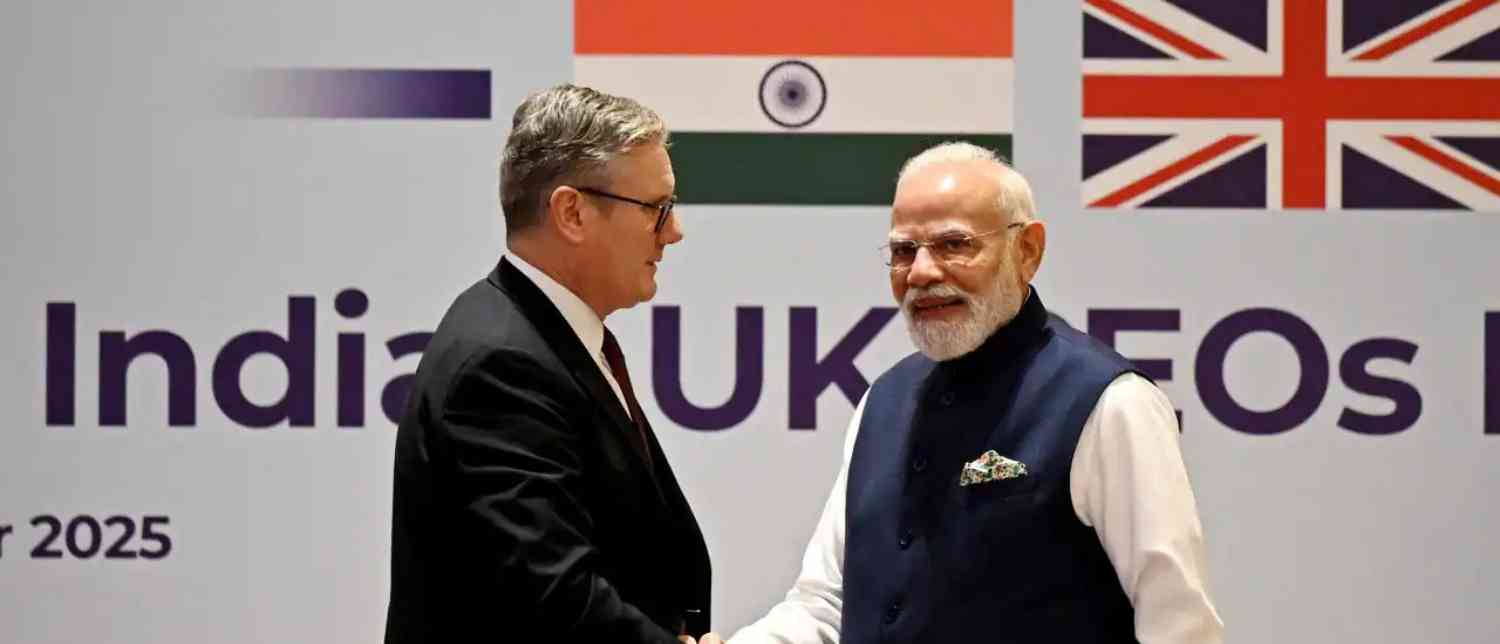
The India-UK Free Trade Agreement (FTA), one of the most significant trade deals signed by India with a developed economy, has officially come into effect, ushering in a new era of economic cooperation between the two nations. The agreement is expected to reshape bilateral trade by making several British products more affordable for Indian consumers while opening up unprecedented opportunities for Indian exporters and professionals.
From luxury cars and Scotch whisky to textiles and engineering goods, the comprehensive pact promises benefits for businesses and consumers alike. Beyond tariff reductions, the agreement also includes a landmark Double Contribution Convention (DCC), which is set to reduce the financial burden on thousands of Indian professionals temporarily working in the United Kingdom.
A Trade Deal Years in the Making
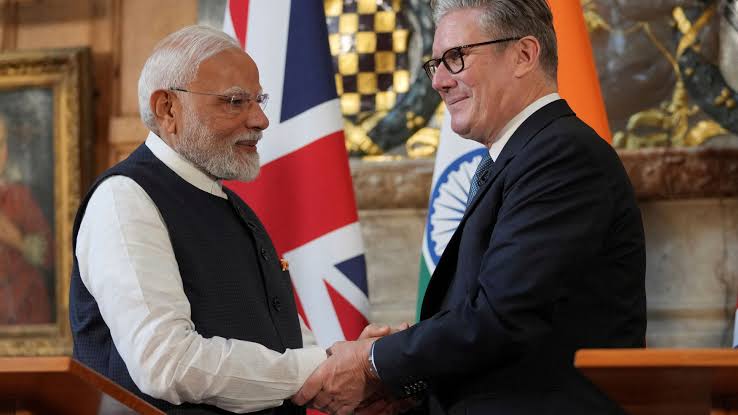
After years of negotiations, India and the UK finalized the Comprehensive Economic and Trade Agreement (CETA), aimed at boosting bilateral trade and investment. The agreement seeks to increase trade volumes by reducing tariffs, easing market access, and strengthening cooperation across goods, services, and investment.
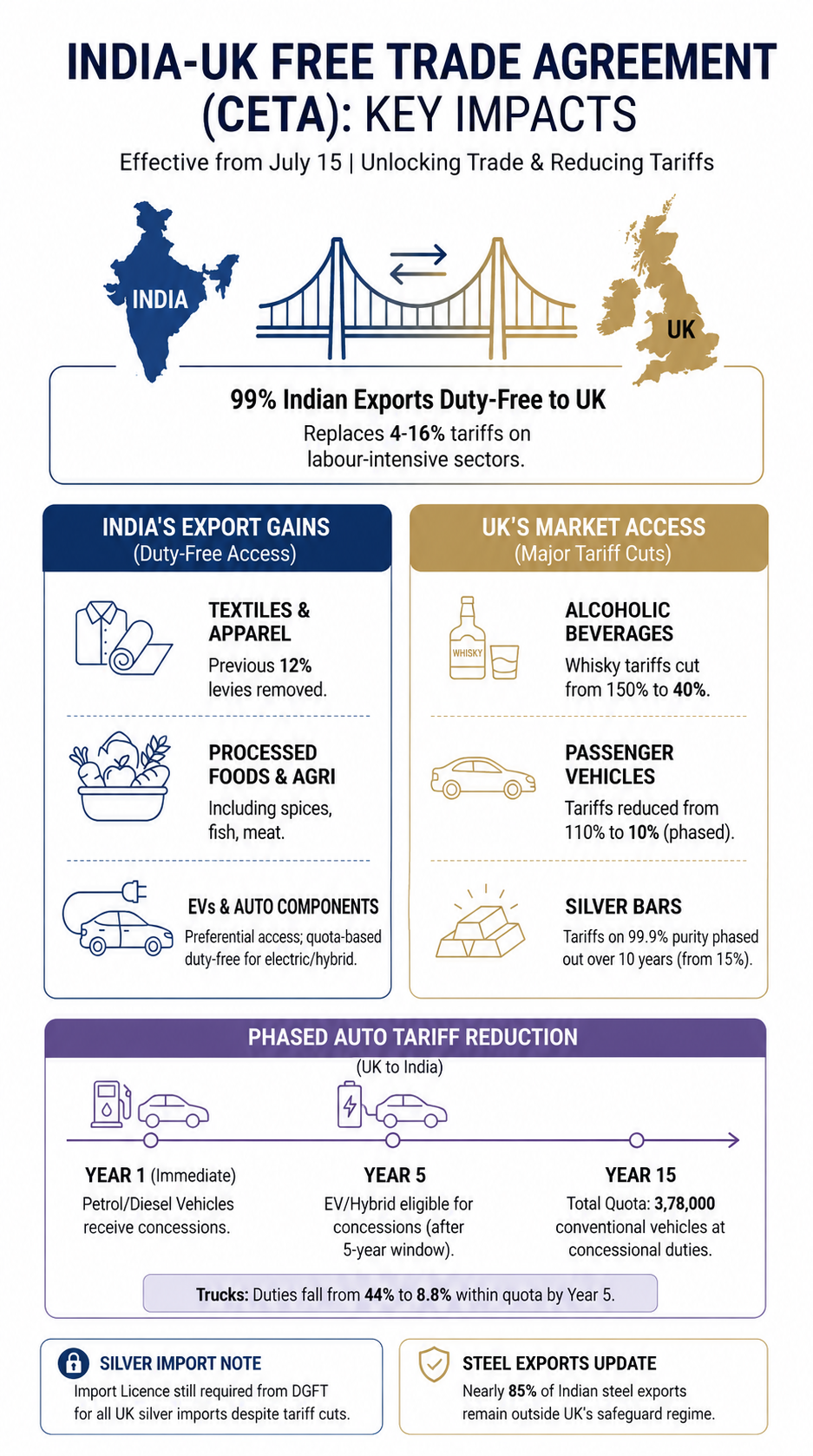
According to official estimates, nearly all Indian merchandise exports to the UK will now enjoy duty-free access. In return, India has agreed to gradually reduce tariffs on a wide range of British goods over the coming years instead of implementing immediate across-the-board cuts.
What Gets Cheaper in India?
For Indian consumers, one of the most visible outcomes of the agreement will be lower prices on select imported British products.
Among the biggest beneficiaries are premium automobiles. Import duties on luxury vehicles manufactured in the UK will be reduced in phases under a quota-based system, making brands such as Jaguar Land Rover, Aston Martin, Bentley, Rolls-Royce and Mini more competitively priced in India over time. However, industry experts note that the price reductions will not happen overnight, as the tariff cuts are being implemented gradually.
Scotch whisky and gin are also expected to become more affordable. India has traditionally imposed some of the world's highest import duties on alcoholic beverages, making imported Scotch significantly more expensive than in global markets. The phased reduction in customs duties is expected to eventually lower retail prices and expand consumer choice.
Besides automobiles and spirits, the agreement is likely to reduce costs for several other British imports, including:
-
Cosmetics and personal care products
-
Premium chocolates and confectionery
-
Medical devices
-
Certain electrical and engineering products
-
High-end food and beverage items
While consumers stand to gain from lower prices, the reductions will occur over multiple years, ensuring domestic industries have sufficient time to adjust to increased competition.
Indian Exporters Receive a Major Boost
The biggest winners under the agreement are expected to be Indian exporters.
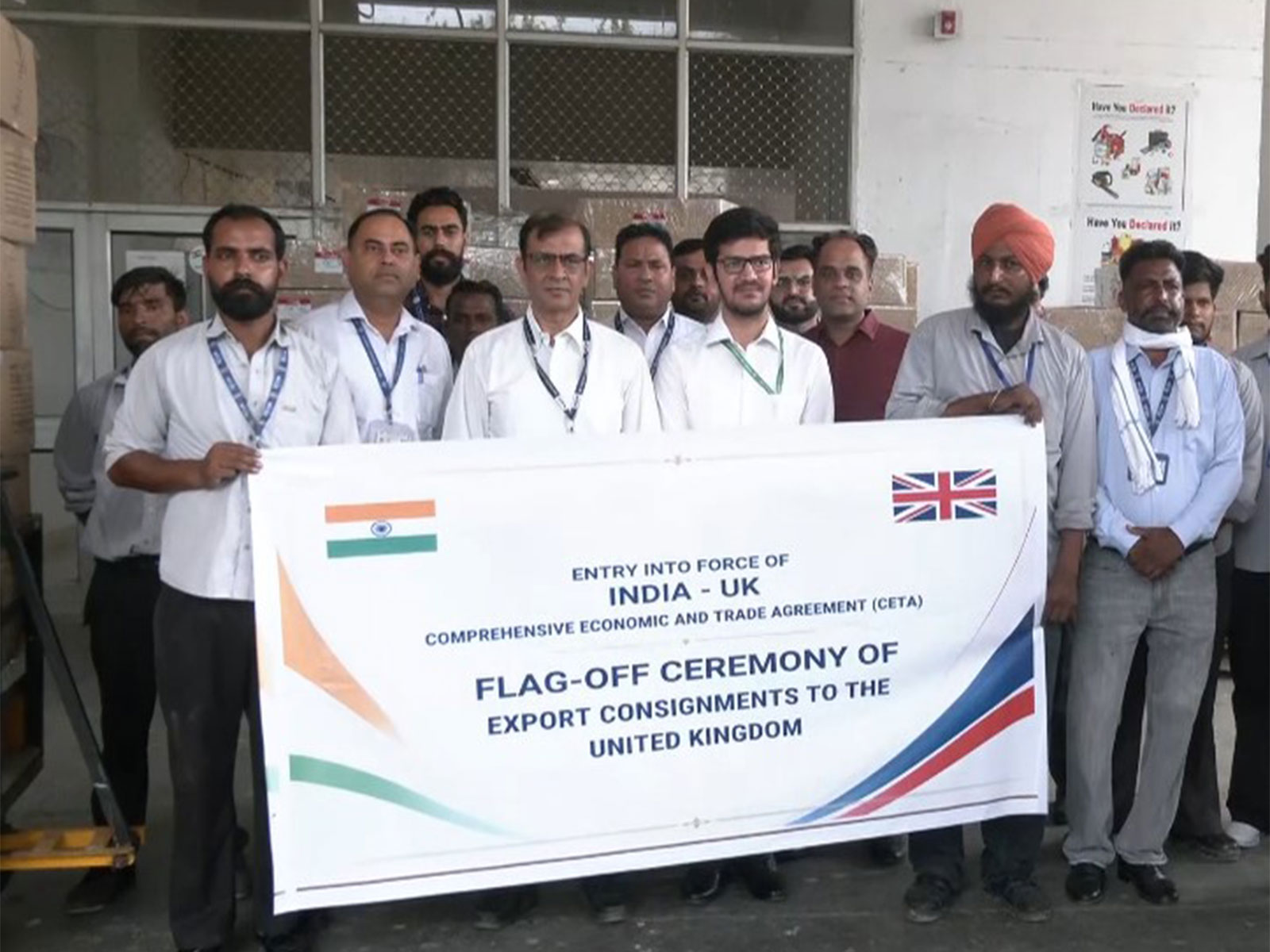
With the UK eliminating duties on the overwhelming majority of tariff lines, Indian products will become significantly more competitive in one of the world's largest consumer markets. Export-oriented sectors expected to benefit include:
-
Textiles and garments
-
Leather and footwear
-
Gems and jewellery
-
Engineering goods
-
Marine products
-
Pharmaceuticals
-
Chemicals
-
Processed food and agricultural products
For several of these industries, the removal of tariffs could substantially improve profit margins while enabling exporters to compete more effectively against suppliers from countries that already enjoy preferential access to the UK market.
Industry observers believe the agreement could encourage many small and medium-sized enterprises (SMEs) to enter international markets for the first time, helping diversify India's export base rather than merely increasing shipments from existing exporters.
Double Contribution Convention Brings Relief for Indian Professionals
One of the most discussed aspects of the agreement is the Double Contribution Convention (DCC), which addresses a long-standing concern for Indian professionals working temporarily in the UK.
Previously, many Indian employees deputed to Britain had to contribute to the UK's National Insurance system despite continuing to contribute to India's social security framework. Since most returned to India before qualifying for UK social security benefits, these contributions often offered little direct benefit.
The new convention ensures that eligible employees temporarily working in the UK will contribute only to their home country's social security system, eliminating the need for dual contributions for the agreed period. The reciprocal arrangement also applies to UK professionals working temporarily in India.
The measure is expected to benefit tens of thousands of Indian professionals and hundreds of employers by lowering employment costs, improving business competitiveness, and simplifying cross-border workforce mobility.
Services Sector Gains Momentum
India's services sector also stands to gain considerably under the agreement.
The UK has expanded market access for Indian professionals across sectors such as information technology, finance, architecture, engineering, education, and consulting. Easier mobility provisions for certain categories of professionals are expected to strengthen India's already robust services exports to the UK.
In addition, Indian businesses will gain improved access to the UK's government procurement market, opening opportunities to participate in public-sector contracts across multiple sectors.
Balanced Market Access
While the agreement opens India's market to more British products, negotiators have attempted to strike a balance between liberalization and domestic industry protection.
Sensitive sectors continue to enjoy safeguards, while tariff reductions for many products will be phased in over several years. The use of tariff-rate quotas, particularly for automobiles, allows India to manage import volumes without exposing domestic manufacturers to sudden competitive pressures.
This calibrated approach reflects India's broader trade strategy of promoting exports while protecting industries considered strategically important for employment and manufacturing growth.
Challenges Remain
Despite the optimism surrounding the agreement, experts caution that tariff reductions alone will not guarantee export success.
Indian exporters will still need to comply with stringent UK quality standards, product regulations, sustainability requirements, and rules of origin to fully utilize the benefits available under the FTA. Businesses must also strengthen supply chains and improve product quality to compete effectively in an increasingly demanding international marketplace.
Industry representatives have highlighted the need for greater awareness among exporters regarding documentation, certification requirements, and implementation procedures to maximize the agreement's potential.
A Strategic Milestone for Bilateral Trade
Beyond immediate commercial benefits, the India-UK FTA represents a strategic milestone in India's evolving global trade agenda. The agreement strengthens economic ties with one of India's key trading partners while enhancing supply chain resilience and encouraging greater investment flows between the two countries.
For Indian consumers, the pact promises wider access to premium British products at more competitive prices over time. For exporters, it unlocks a large high-value market with significantly reduced trade barriers. Meanwhile, the Double Contribution Convention provides meaningful financial relief to professionals working across borders.
As implementation progresses, the agreement's long-term success will depend not only on tariff reductions but also on how effectively businesses, governments, and industry stakeholders capitalize on the new opportunities. If executed well, the India-UK Free Trade Agreement could become a blueprint for India's future trade partnerships and a major catalyst for expanding its presence in global markets.
With input from agencies
Image Source: Multiple agencies
© Copyright 2026. All Rights Reserved. Powered by Vygr Media.