 By
By 
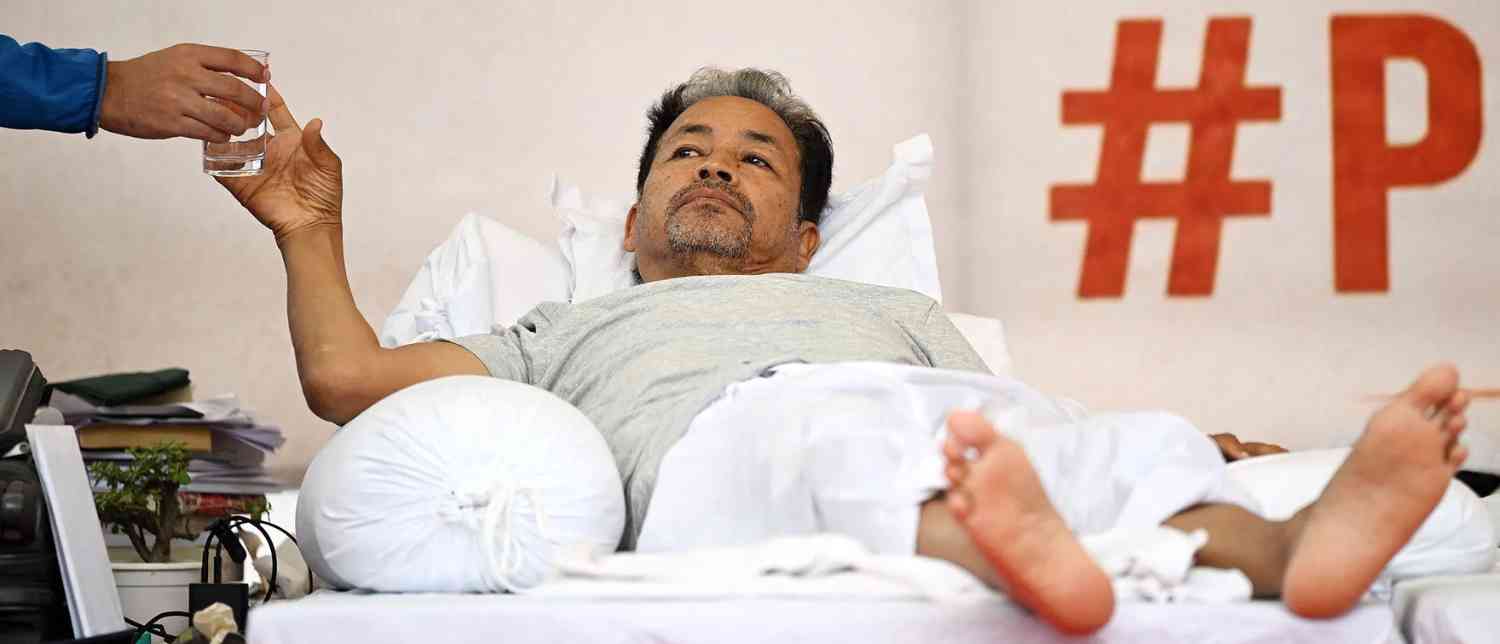
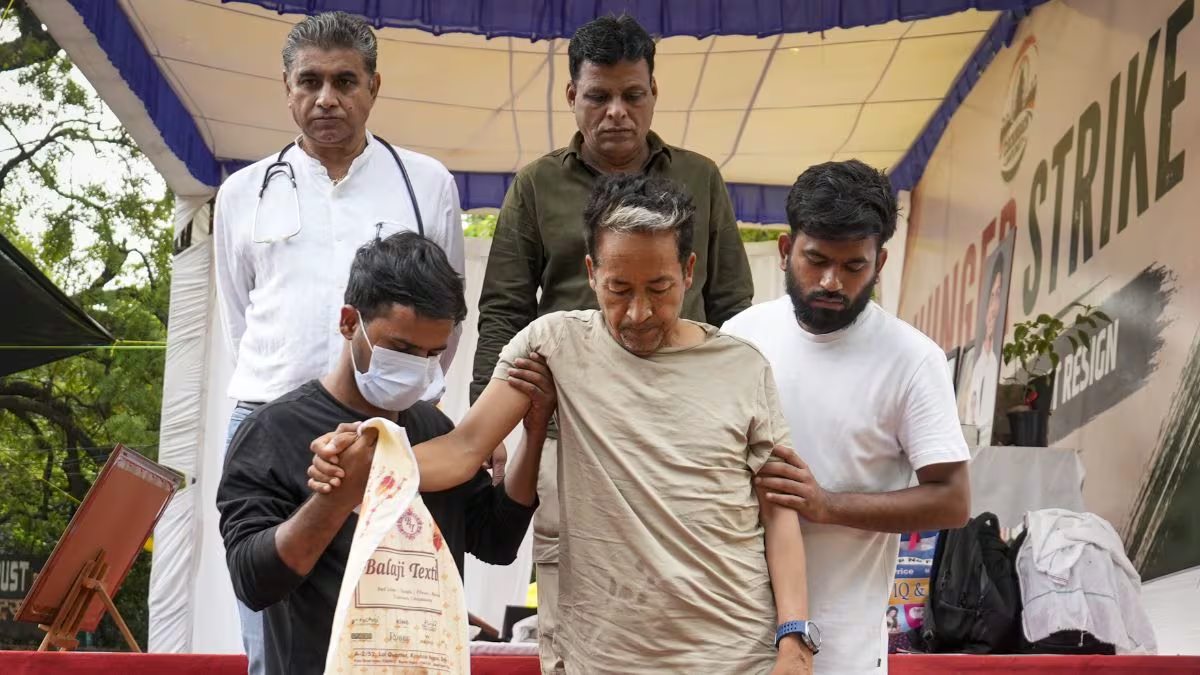
The Delhi High Court on Wednesday sought responses from the Centre and the Delhi government on a Public Interest Litigation (PIL) seeking urgent medical intervention for climate activist and education reformer Sonam Wangchuk, who has been on an indefinite hunger strike at Delhi’s Jantar Mantar for the past 18 days.
The petition, filed by advocate Rakesh Kumar Saini, urges the authorities to immediately shift Wangchuk to a government hospital, provide necessary medical treatment and, if required, administer life-saving nutrition through force-feeding to prevent irreversible health consequences. After hearing the matter, the High Court issued notices to both governments and sought their stand on the plea, treating the issue as one requiring urgent consideration.
Delhi High Court Takes Up Matter
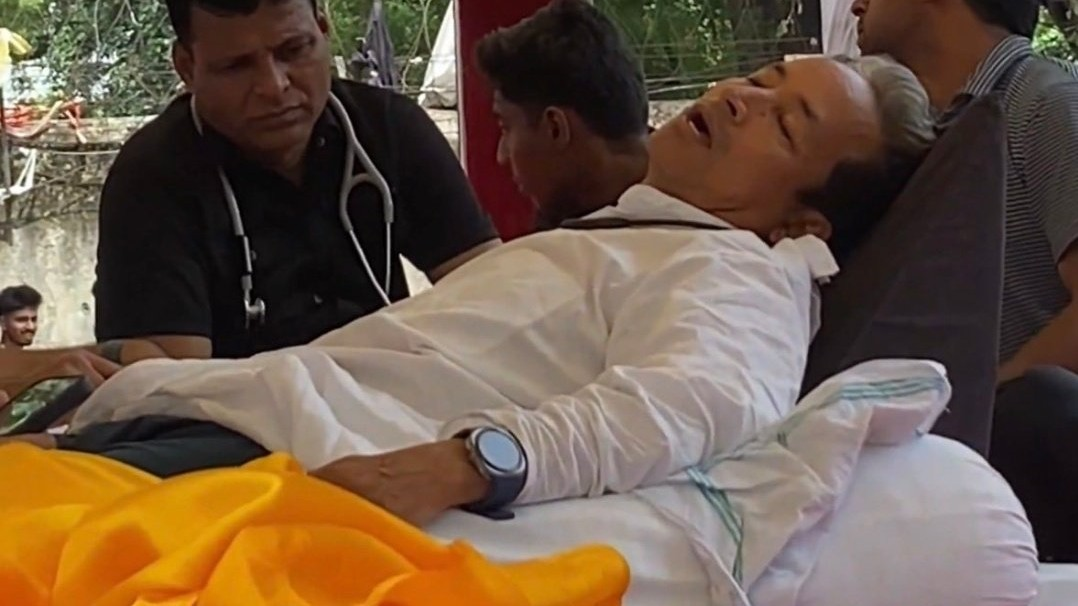
The PIL was filed amid growing concerns over Wangchuk’s deteriorating health. According to the petition, the activist has reportedly lost around 8.5 kilograms since beginning his fast and is experiencing severe weakness, muscle loss, and declining blood sugar levels.
The petitioner argued that while every citizen has the constitutional right to protest peacefully, the State also has a constitutional obligation under Article 21 to protect the life of its citizens. The plea contends that authorities cannot remain passive if a protester's life is in imminent danger.
Taking note of the submissions, the Delhi High Court issued notices to the Union government and the Government of the National Capital Territory (GNCTD), directing them to respond to the allegations and reliefs sought in the petition.
What the Petition Demands
The PIL seeks several directions from the court, including:
-
Immediate admission of Sonam Wangchuk to a government hospital.
-
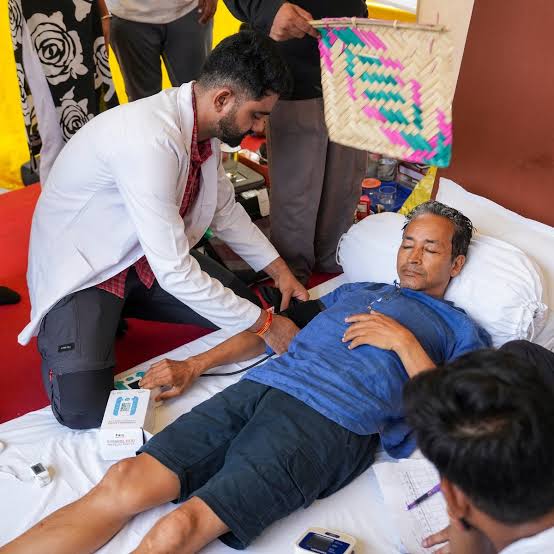
Round-the-clock medical supervision by qualified healthcare professionals.
-
Administration of essential nutrients, vitamins, and minerals through medically supervised force-feeding if his condition becomes critical.
-
Appropriate steps to ensure that his life is protected while following constitutional and legal safeguards.
According to the petitioner, allowing Wangchuk’s health to deteriorate further would amount to a failure by the State to fulfil its constitutional responsibility of safeguarding human life.
The plea also argues that if Wangchuk were to lose his life during the hunger strike, it would be a matter of national and international concern.
Health Condition Raises Alarm
Medical concerns have become the central issue in the case.
According to the petition, Wangchuk has:
-
Lost approximately 8.5 kilograms since beginning the hunger strike.
-
Suffered noticeable muscle wastage.
-
Experienced falling blood sugar levels.
-
Continued refusing food despite worsening health.
The petitioner submitted that medical experts have warned his condition could soon become life-threatening if the hunger strike continues. One of the submissions before the court stated that Wangchuk's life may be at serious risk within the next couple of days if nutritional support is not restored.
Debate Over Force-Feeding
One of the most significant aspects of the PIL is its request that the court permit force-feeding if necessary to save Wangchuk's life.
The petitioner argues that force-feeding, when carried out under medical supervision solely to preserve life, is legally justified if a person's health reaches a critical stage. According to the plea, the government should not permit a citizen to die voluntarily when medical intervention could prevent such an outcome.
However, the request also raises broader constitutional and ethical questions. The case brings into focus the delicate balance between an individual's right to bodily autonomy and peaceful protest on one hand, and the State's duty to protect life on the other.
At this stage, the High Court has not expressed any opinion on whether force-feeding should be permitted. It has only sought responses from the governments before considering the merits of the petition.
Why Sonam Wangchuk Is on Hunger Strike
Sonam Wangchuk began his indefinite hunger strike on June 28 at Jantar Mantar.
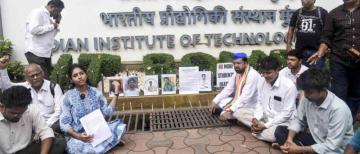
His protest is linked to demands concerning alleged irregularities in competitive examinations, including the NEET paper leak controversy, and calls for greater transparency and accountability in the country's examination system. Wangchuk has joined the movement in solidarity with students and youth groups seeking reforms in public examinations.
Despite repeated appeals from supporters and several public figures to end the fast because of his declining health, Wangchuk has continued the protest, maintaining that meaningful engagement from the authorities is necessary before he considers ending the hunger strike.
Petition Alleges Official Inaction
The PIL criticises what it describes as a lack of timely intervention by the authorities despite Wangchuk's visibly deteriorating condition.
According to the petitioner, the State remains responsible for ensuring access to adequate medical care, irrespective of the nature of the protest. The plea argues that since the hunger strike is taking place at a public venue under government supervision, authorities cannot avoid their constitutional obligation to protect life.
It further states that emergency medical care should not depend solely on whether the protester agrees to end the fast, especially if there is an immediate threat to life.
Governments Asked to Respond
With notices now issued, both the Union government and the Delhi government are expected to file their responses before the High Court regarding the factual claims made in the petition as well as the legal questions surrounding compulsory medical intervention.
The governments may also clarify whether medical assistance has already been offered to Wangchuk and what measures have been taken to monitor his health during the ongoing protest.
The court is expected to examine several constitutional issues, including the right to life, personal liberty, bodily autonomy, and the right to peaceful protest before deciding whether judicial intervention is necessary.
Case Draws National Attention
The proceedings have attracted widespread public attention as Sonam Wangchuk remains one of India's most prominent environmentalists and education reformers.
His prolonged hunger strike has sparked discussions across political and civil society circles, with many expressing concern over his deteriorating health while also supporting his democratic right to protest peacefully.
For now, the Delhi High Court has limited its intervention to seeking responses from the Centre and the Delhi government. As the legal proceedings continue, Wangchuk's health remains under close observation, and the outcome of the case could have wider implications for how courts balance individual autonomy with the State's constitutional duty to preserve life.
With input from agencies
Image Source: Multiple agencies
© Copyright 2026. All Rights Reserved. Powered by Vygr Media.