
 By
By 
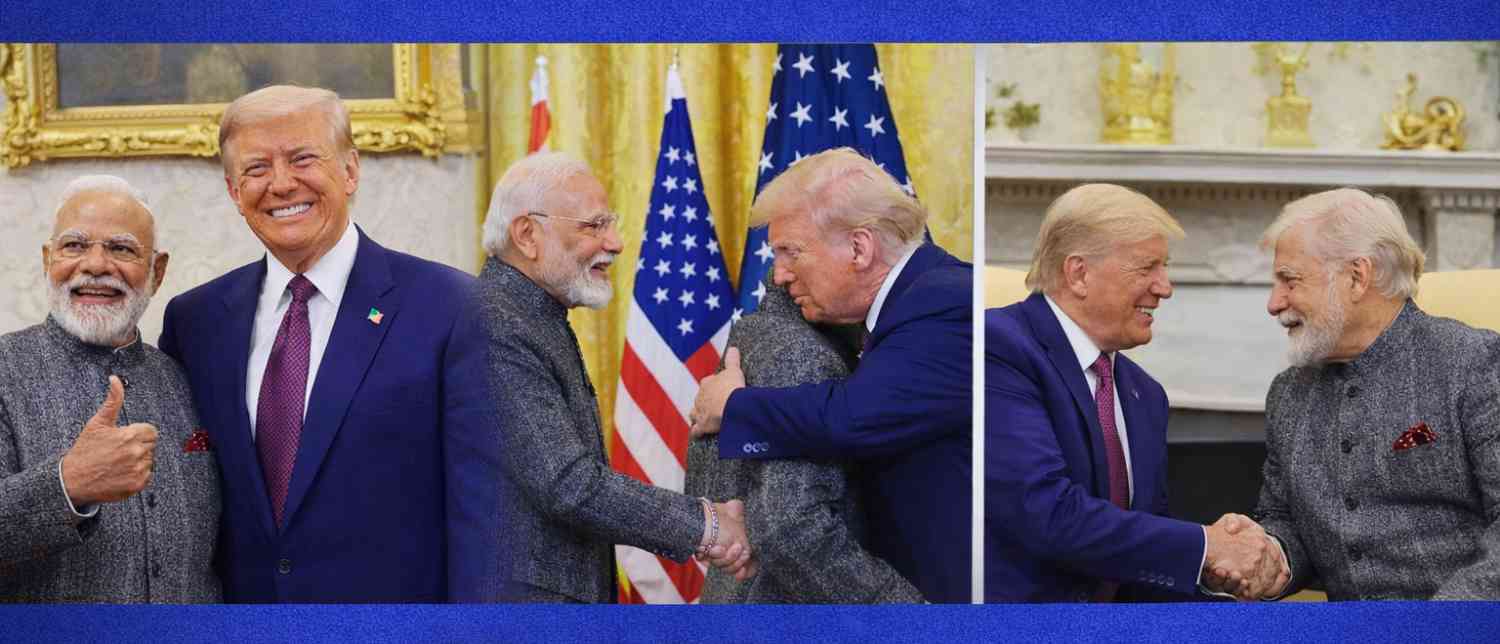
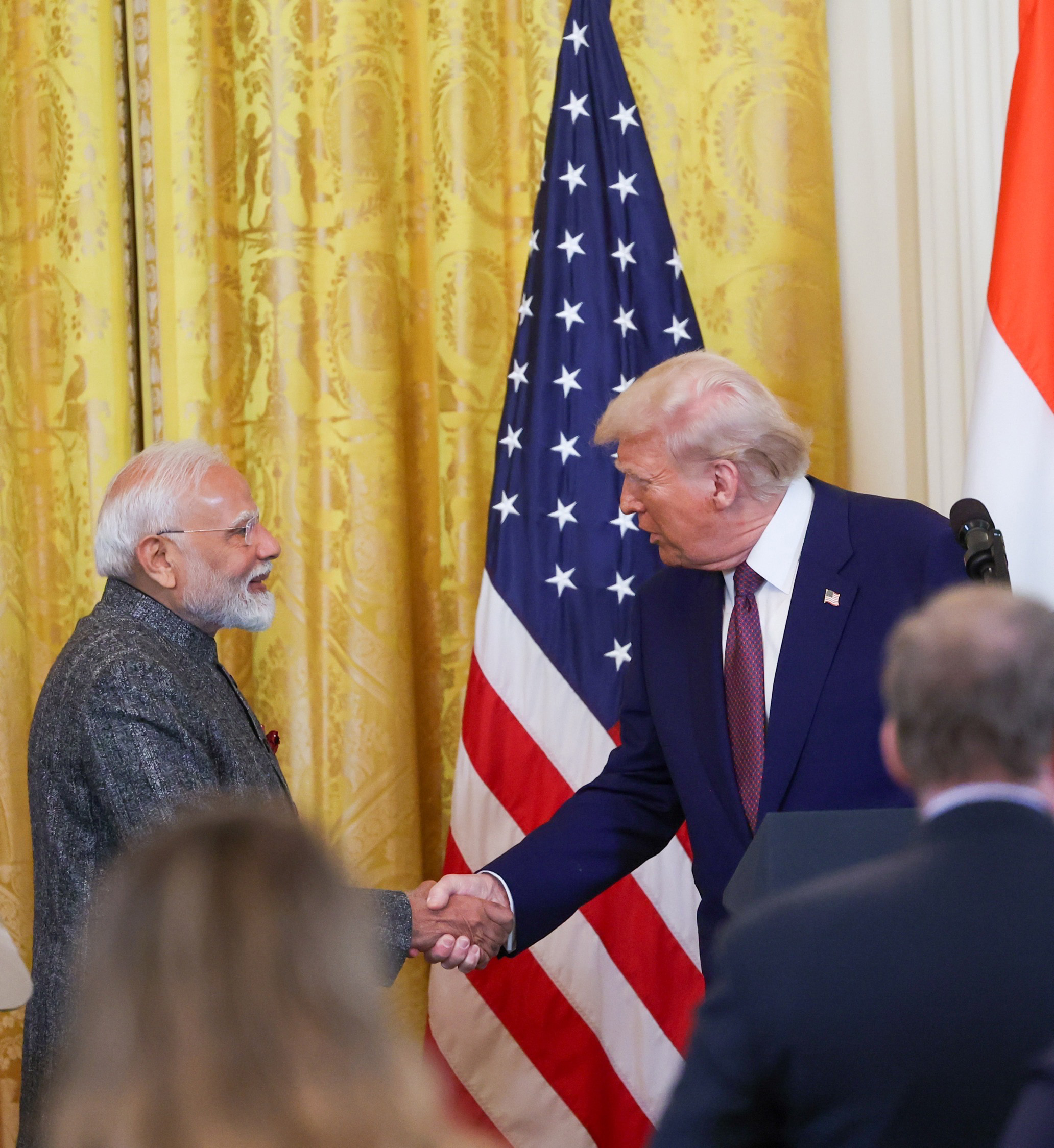
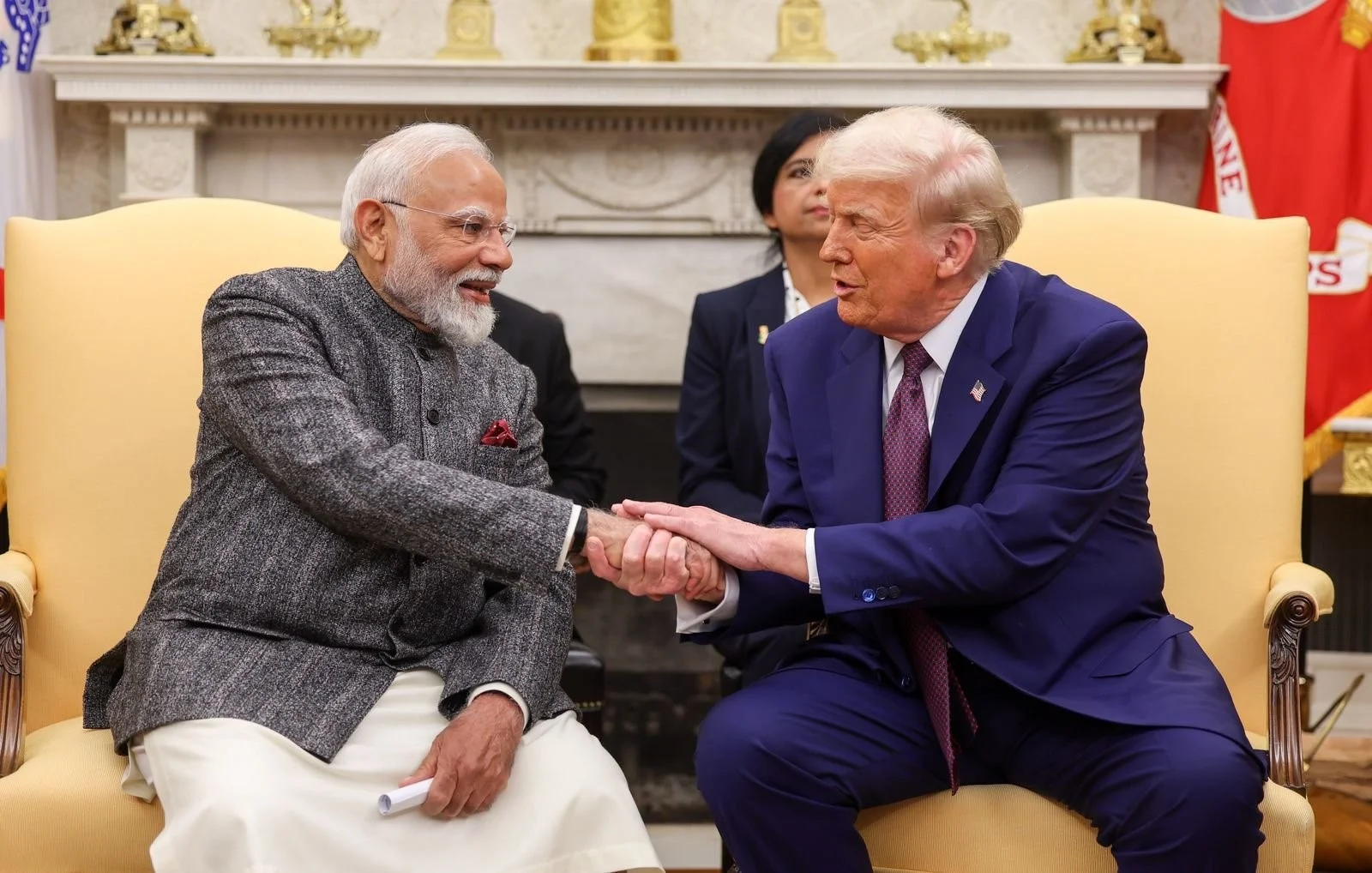
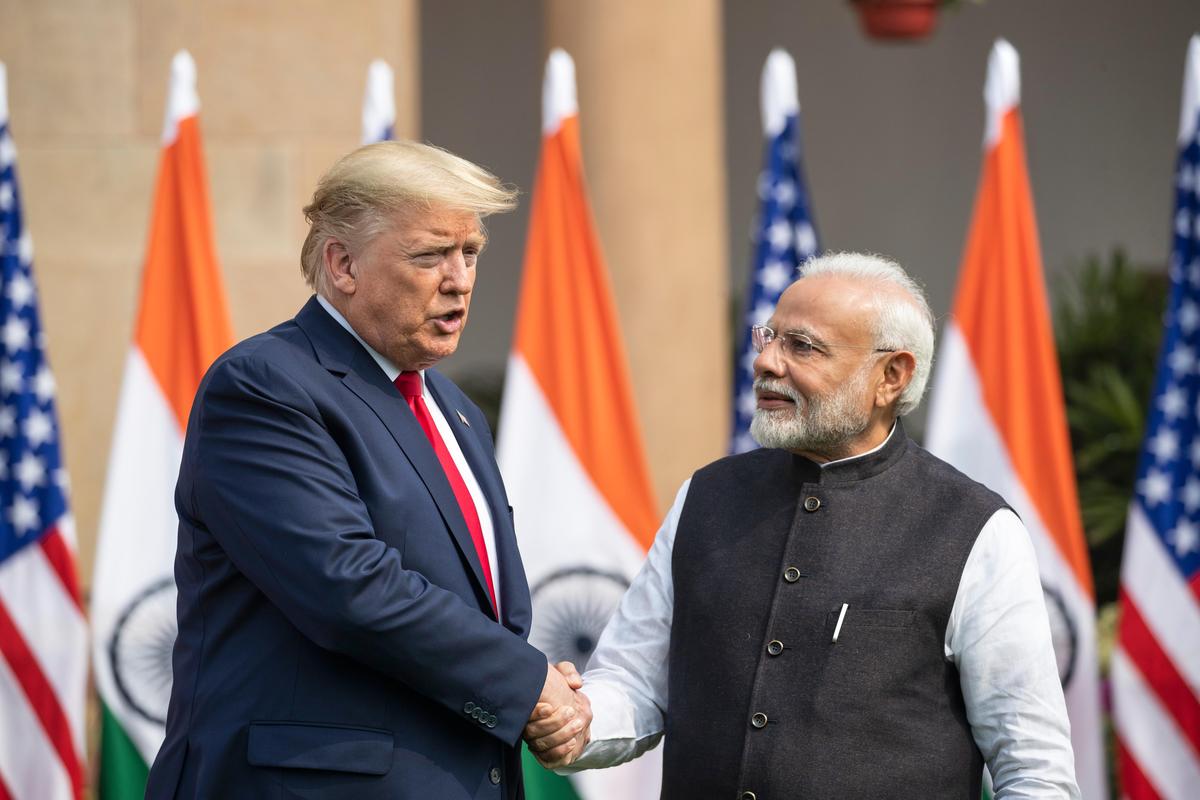
The United States and India have unveiled a landmark framework for an Interim Trade Agreement, marking one of the most consequential developments in bilateral economic relations between the world’s two largest democracies in recent decades. The agreement, announced through a detailed joint statement released by the White House, lays the groundwork for a broader U.S.–India Bilateral Trade Agreement (BTA) and signals a decisive shift toward deeper economic integration, reciprocal market access, and strategic supply-chain alignment.
Negotiations for the BTA were formally launched on February 13, 2025, by U.S. President Donald J. Trump and Indian Prime Minister Narendra Modi, following months of diplomatic engagement. The newly announced interim framework is designed to deliver immediate, concrete outcomes while setting a clear roadmap for a comprehensive trade pact in the near future.
Described by both governments as a historic milestone, the Interim Agreement reflects a shared commitment to balanced, reciprocal, and mutually beneficial trade, backed by enforceable rules, tariff reforms, and cooperation across traditional and emerging sectors.
A Turning Point in India–US Trade Relations
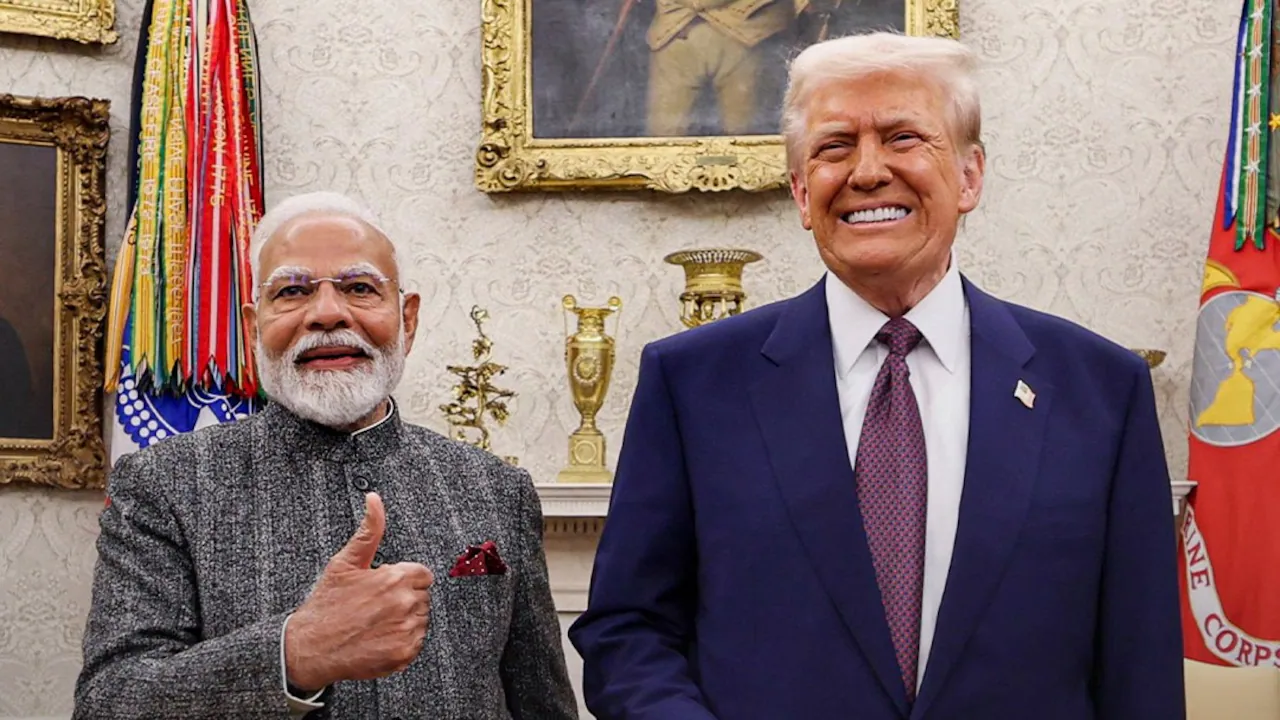
Trade relations between India and the United States have long been characterised by high potential but persistent frictions, particularly over tariffs, market access, non-tariff barriers, and regulatory standards. The Interim Agreement seeks to address these challenges head-on, while reinforcing trust and predictability in the bilateral economic relationship.
At its core, the framework aims to:
-
Reduce and rationalise tariffs on both sides
-
Address long-standing non-tariff and regulatory barriers
-
Strengthen supply-chain resilience and economic security
-
Expand cooperation in technology, energy, defence-related manufacturing, and digital trade
-
Pave the way for a full-scale Bilateral Trade Agreement
The joint statement emphasises that the Interim Agreement is not an end in itself, but a bridge toward a comprehensive BTA, aligned with the roadmap agreed upon in the Terms of Reference between the two governments.
Major Tariff Reductions by India on US Goods
One of the most significant components of the framework is India’s commitment to eliminate or reduce tariffs on all U.S. industrial goods, alongside a wide array of American agricultural and food products.
The list of U.S. exports benefiting from reduced or eliminated Indian duties includes:
-
Dried distillers’ grains (DDGs)
-
Red sorghum for animal feed
-
Tree nuts
-
Fresh and processed fruits
-
Soybean oil
-
Wine and spirits
-
Other food and agricultural products
These measures are expected to substantially improve market access for U.S. farmers, agribusiness exporters, and food producers, while increasing product availability and price competitiveness in the Indian market.
US Reciprocal Tariff Reduction on Indian Exports
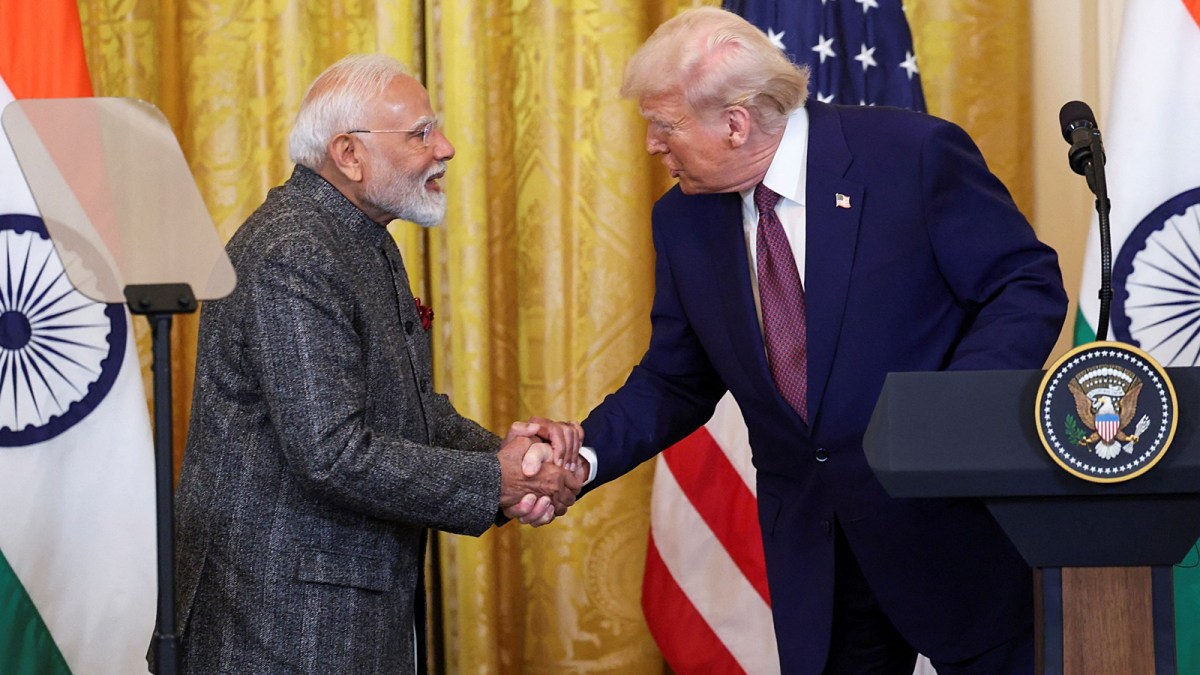
On the American side, the United States will apply a reciprocal tariff rate of 18 percent on originating Indian goods under Executive Order 14257, dated April 2, 2025. This represents a sharp reduction from previously higher tariff levels that, in some cases, reached as high as 50 percent.
The reduced tariff rate will apply to a broad range of Indian exports, including:
-
Textiles and apparel
-
Leather and footwear
-
Plastic and rubber products
-
Organic chemicals
-
Home décor items
-
Artisanal and handicraft products
-
Select machinery
The reduction is expected to deliver immediate relief to Indian exporters, particularly labour-intensive sectors that employ millions of workers across the country.
Conditional Removal of Additional US Tariffs
Subject to the successful conclusion of the Interim Agreement, the United States has also committed to removing reciprocal tariffs on several high-value Indian export categories listed in the Potential Tariff Adjustments for Aligned Partners Annex to Executive Order 14346 of September 5, 2025.
These products include:
-
Generic pharmaceuticals
-
Gems and diamonds
-
Aircraft and aircraft parts
This provision is particularly significant for India’s pharmaceutical and gem-and-jewellery industries, which are among the country’s largest export earners.
Rollback of US National-Security Tariffs on Indian Aircraft Parts
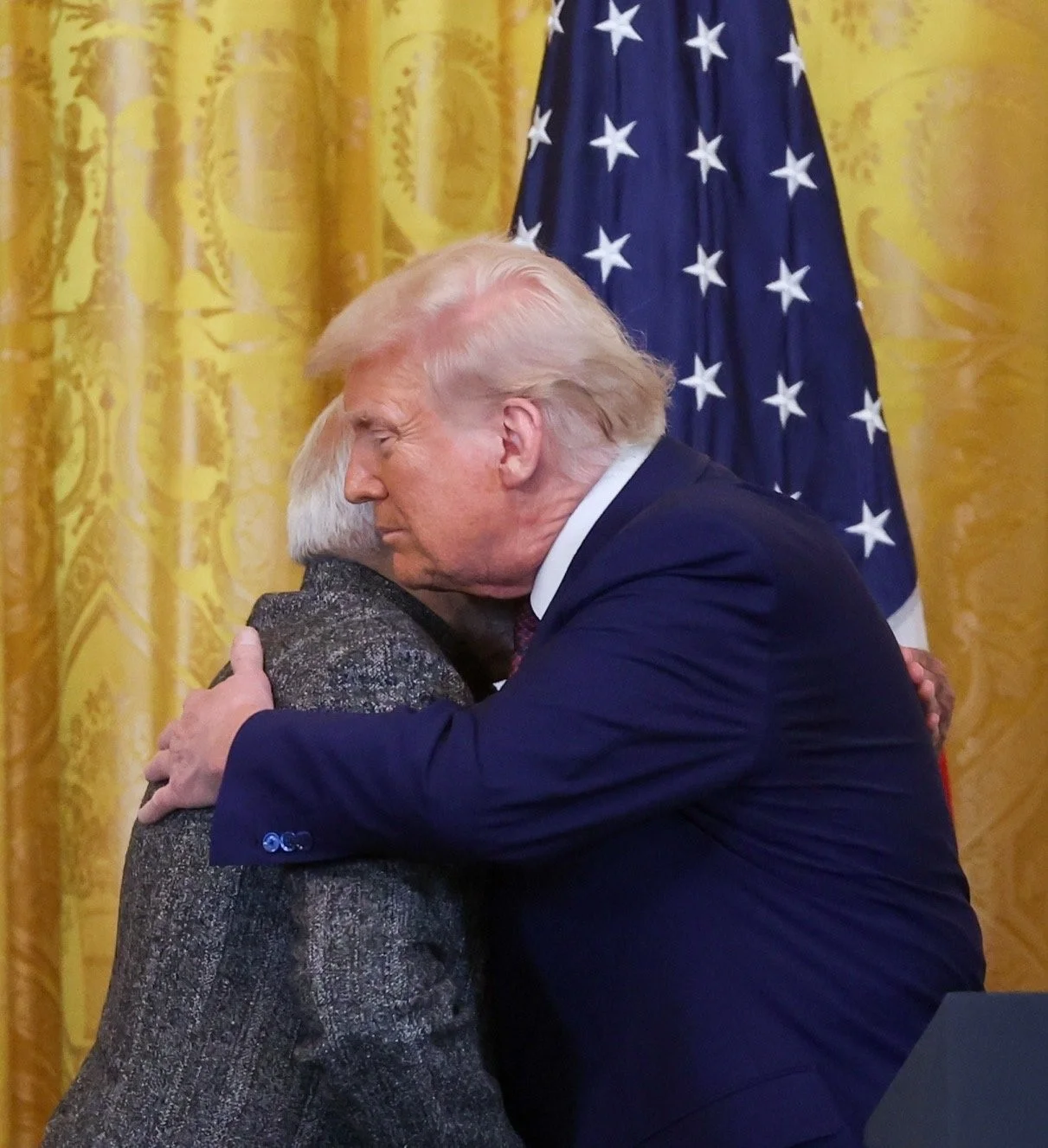
In a major concession, Washington will also remove tariffs on certain Indian aircraft and aircraft components that were previously imposed on national-security grounds.
These duties stemmed from:
-
Proclamation 9704 (March 8, 2018) – Aluminum imports
-
Proclamation 9705 (March 8, 2018) – Steel imports
-
Proclamation 10962 (July 30, 2025) – Copper imports
The rollback will benefit Indian aerospace manufacturers and suppliers integrated into global aviation supply chains.
Preferential Access for Indian Automotive and Pharmaceutical Sectors
The joint statement further confirms that India will receive a preferential tariff-rate quota for automotive parts subject to U.S. national-security tariffs under Proclamation 9888 of May 17, 2019.
Additionally, negotiated outcomes for generic pharmaceuticals and pharmaceutical ingredients will be pursued, contingent on the findings of the ongoing U.S. Section 232 investigation into pharmaceutical imports.
Preferential Market Access on a Sustained Basis
Both countries have agreed to provide each other preferential market access in sectors of mutual interest, not as a one-time concession but on a sustained and predictable basis. This commitment is central to building long-term confidence among businesses and investors on both sides.
Rules of Origin to Prevent Third-Country Circumvention
To ensure that the benefits of the agreement accrue primarily to the two partners, India and the United States will establish strict rules of origin. These rules are designed to prevent third-country goods from being routed through either market to exploit preferential tariffs.
Addressing Long-Standing Non-Tariff Barriers
A major breakthrough in the framework lies in India’s agreement to address long-standing non-tariff barriers affecting U.S. exports.
Key commitments include:
-
Resolving barriers affecting U.S. medical devices
-
Eliminating restrictive ICT import licensing procedures that delay or limit market access
-
Reviewing, within six months of the agreement’s entry into force, whether U.S.-developed or international standards and testing requirements can be accepted for identified sectors
-
Addressing non-tariff barriers affecting U.S. food and agricultural trade
These measures are expected to significantly improve regulatory transparency and ease of doing business.
Alignment on Standards and Conformity Assessment
To further simplify compliance, both sides will initiate discussions on technical regulations, standards, and conformity assessment procedures for mutually agreed sectors. The goal is to reduce duplication, lower compliance costs, and facilitate smoother cross-border trade.
Flexibility Clause for Future Tariff Changes
The agreement includes a flexibility clause, allowing either country to modify its commitments if the other changes its agreed tariff levels in the future. This mechanism is intended to maintain balance and fairness over time.
Roadmap to a Comprehensive Bilateral Trade Agreement
While the Interim Agreement delivers immediate outcomes, both governments reaffirmed their commitment to expanding market access through continued BTA negotiations. The United States acknowledged India’s request for continued efforts to lower tariffs on Indian goods during the broader talks.
Economic Security and Supply-Chain Cooperation
Beyond tariffs, the framework places strong emphasis on economic security alignment. India and the United States will cooperate on:
-
Supply-chain resilience
-
Inbound and outbound investment screening
-
Export controls
-
Countering non-market trade practices by third countries
This alignment reflects shared concerns about global supply-chain vulnerabilities and unfair trade practices.
$500 Billion Indian Purchase Commitment
One of the most striking elements of the agreement is India’s intention to purchase $500 billion worth of U.S. goods over the next five years, including:
-
Energy products
-
Aircraft and aircraft parts
-
Precious metals
-
Technology products
-
Coking coal
The scale of the commitment underscores India’s growing role as a key strategic and economic partner for the United States.
Expanding Technology and Digital Trade
Both countries agreed to significantly expand trade in technology products, including Graphics Processing Units (GPUs) and other equipment critical for data centres. Joint cooperation in advanced technologies will also be scaled up.
The framework also commits both sides to:
-
Address discriminatory or burdensome digital trade practices
-
Establish a clear pathway toward robust, ambitious, and mutually beneficial digital trade rules as part of the BTA
Political Reactions from Trump and Modi
President Trump described the deal as a major step toward ending the war in Ukraine, stating on social media that lowering tariffs on Indian goods followed Prime Minister Modi’s decision to stop purchasing Russian oil.
Prime Minister Modi, in response, praised Trump’s leadership and called the framework a reflection of the depth, trust, and dynamism of India–US relations. He said the agreement would strengthen Make in India, generate employment for women and youth, support farmers, MSMEs, startups, and fishermen, and deepen investment and technology partnerships.
What Happens Next?
Both governments have committed to the prompt implementation of the framework and to finalising the Interim Agreement swiftly, with the ultimate goal of concluding a comprehensive Bilateral Trade Agreement.
If successful, the deal could redefine India–US economic relations for decades, anchoring trade, technology, and strategic cooperation in an increasingly uncertain global landscape.
With inputs from agencies
Image Source: Multiple agencies
© Copyright 2025. All Rights Reserved. Powered by Vygr Media.