 By

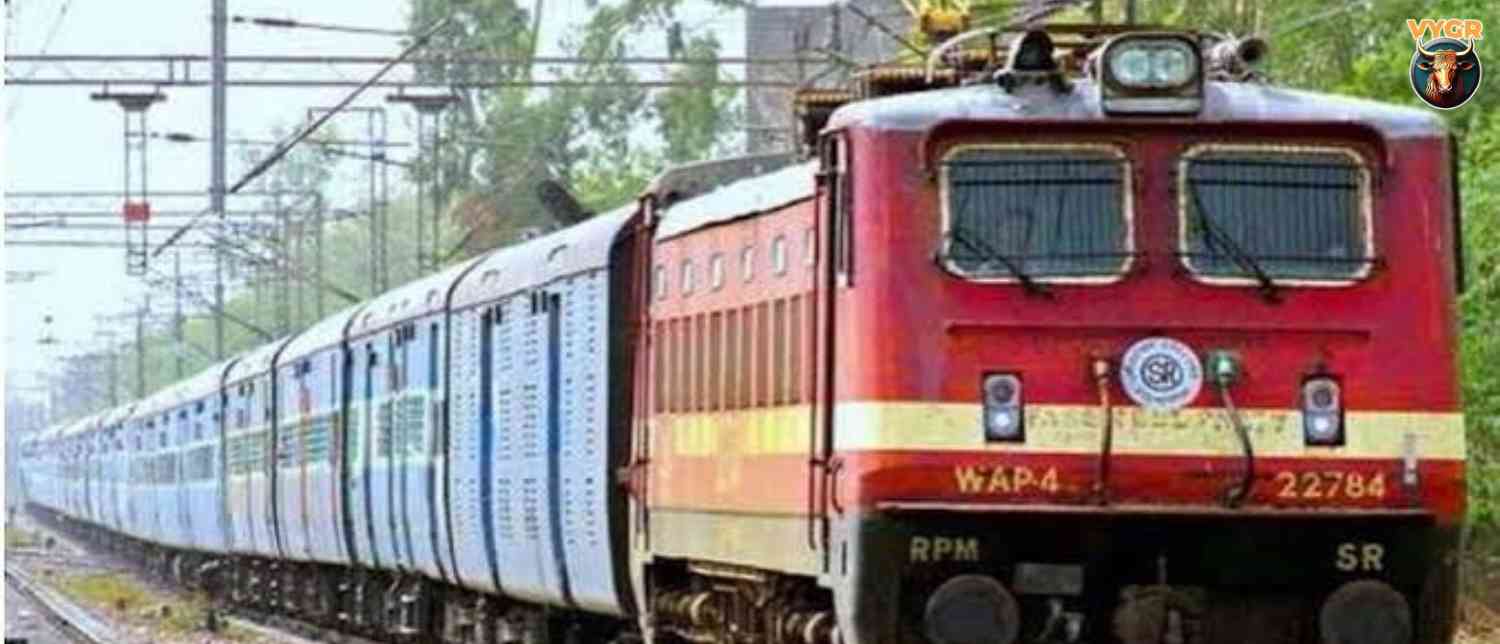
As millions head home for Diwali and Chhath, the Railways has stepped up crowd control, security and special services at its busiest stations.
Delhi and Mumbai were the main starting points for Diwali travellers this year, with about 60 per cent of the festive passenger outflow originating at hubs in the two cities, according to the Railways. Anticipating the rush, the Railways had stepped up crowd-control and security arrangements well before the festival, including more trains, holding areas, camera surveillance and restrictions on platform access.
Why the Two Cities Dominate
Delhi and Mumbai attract millions of migrant workers from Uttar Pradesh, Bihar, Jharkhand and other states. Each year, many of them travel home by train for Diwali and Chhath Puja, which makes the two cities’ stations the biggest departure points of the season. Gujarat’s Surat, with its large population of workers from Bihar and eastern Uttar Pradesh, is another pressure point. Surat and Udhna stations together handled about 50 lakh passenger movements in the period, and their average daily footfall rose from around one lakh to 1.6 lakh at the peak.
18,000 Special Trains
Railway Minister Ashwini Vaishnaw said the Railways has deployed 18,000 special trains this festive season, up from about 12,000 last year, a rise of roughly 50 per cent. He said Indian Railways ran 75,000 special trains in the last financial year and expects the number to exceed 80,000 this year. Special trains have been placed at Shakur Basti, Nizamuddin, Anand Vihar Terminal and the New Delhi station area.
Northern Railway, which leads operations out of the Delhi hubs, has planned more than 6,200 special train trips for the season. Central Railway has deployed 418 special trips departing from Mumbai, and a Delhi-Patna Vande Bharat special has also been added.
Crowd-Control Measures in Delhi
At the capital’s stations, the Railways has used a mix of physical and technological measures:
- Holding areas: A permanent holding area has been set up outside Platform 16 at New Delhi station, and holding areas have been established at around 20 stations in the capital. Passengers without confirmed tickets, or on waiting lists, are asked to stay in these zones rather than crowd the platforms. Ticket counters have also been moved from inside the station premises to the holding areas.
- Platform ticket ban: Sales of platform tickets have been suspended at six Delhi stations from November 3 to 14, with exemptions for people accompanying passengers who need assistance.
- AI cameras: More than 700 AI-enabled cameras have been installed at New Delhi station to track passenger movement and help officials respond quickly to congestion.
- War room: A 24-hour war room is monitoring operations, with Railway Protection Force (RPF) staff and operations, mechanical and electrical personnel coordinating responses during peak hours.
- Parcel curbs: Parcel booking and loading have been restricted at key Delhi stations until mid-November.
The Railways is also using live camera feeds to watch crowds at 38 stations from a central control room.
The Scale of the Rush
The Railway Ministry says stations in the Delhi area usually handle more than five lakh passengers a day, rising to around eight lakh at festive peaks. Delhi’s major stations recorded about 20 million passenger movements between October 1 and November 5, with the daily count reaching roughly 800,000 between November 1 and 5.
Passengers Still Faced Long Waits
Despite the preparations, the rush made travel difficult for many. Passengers struggled to board packed trains at Mumbai’s Lokmanya Tilak Terminus and Surat’s Udhna station, and stations in Delhi, Mumbai, Gujarat, Uttar Pradesh and Tamil Nadu reported long queues and crowded platforms. Some travellers waited for hours, and some who held tickets had difficulty finding space to board. In Delhi, a passenger assistance centre has been set up at Anand Vihar Terminal.
Lessons Behind the Measures
The measures follow earlier crowd incidents. In October 2024, a stampede at Mumbai’s Bandra Terminus before Diwali and Chhath injured nine people. After the February 2025 stampede at New Delhi station, the Railways announced holding areas at 60 high-footfall stations and said it would develop a separate crowd-management manual and a standard procedure for festival rushes.
What to Watch Next
With Bhai Dooj on November 10 and Chhath Puja following, the focus is moving from outbound to return travel, as passengers head back to Delhi, Mumbai and other cities. The Railways has urged passengers to reach stations early, follow announcements and use the designated holding areas. Whether the additional trains and holding areas keep platforms clear during the return rush will be the next test.
© Copyright 2026. All Rights Reserved. Powered by Vygr Media.