 By

Diwali is traditionally a festival of lights, happiness, family gatherings and celebrations. But for the personnel guarding the country's borders and protecting its internal security, the festival often means being away from home and spending the occasion on duty. This Diwali, however, brought a special moment for security personnel stationed in Chhattisgarh's Bastar region.
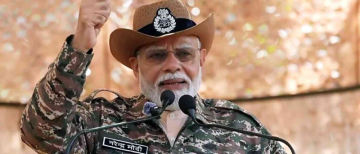
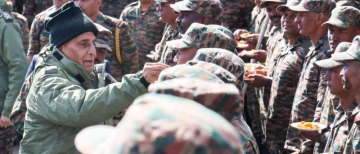
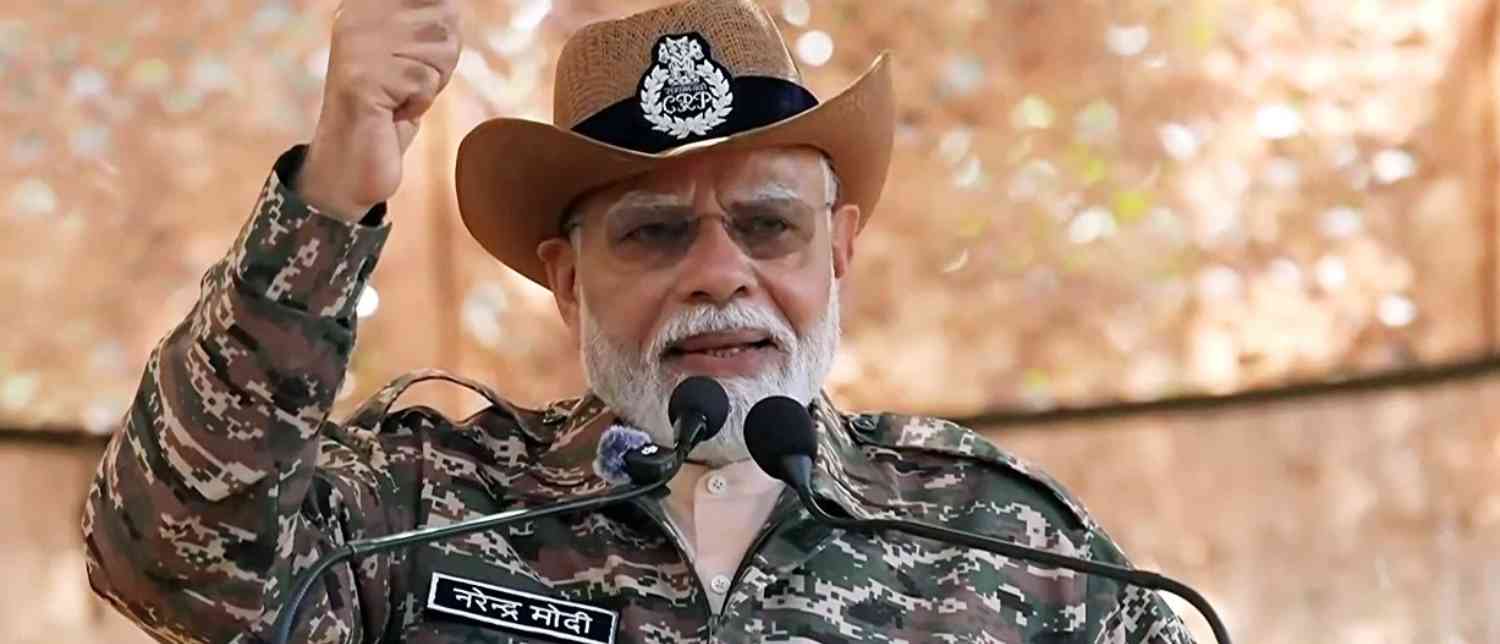
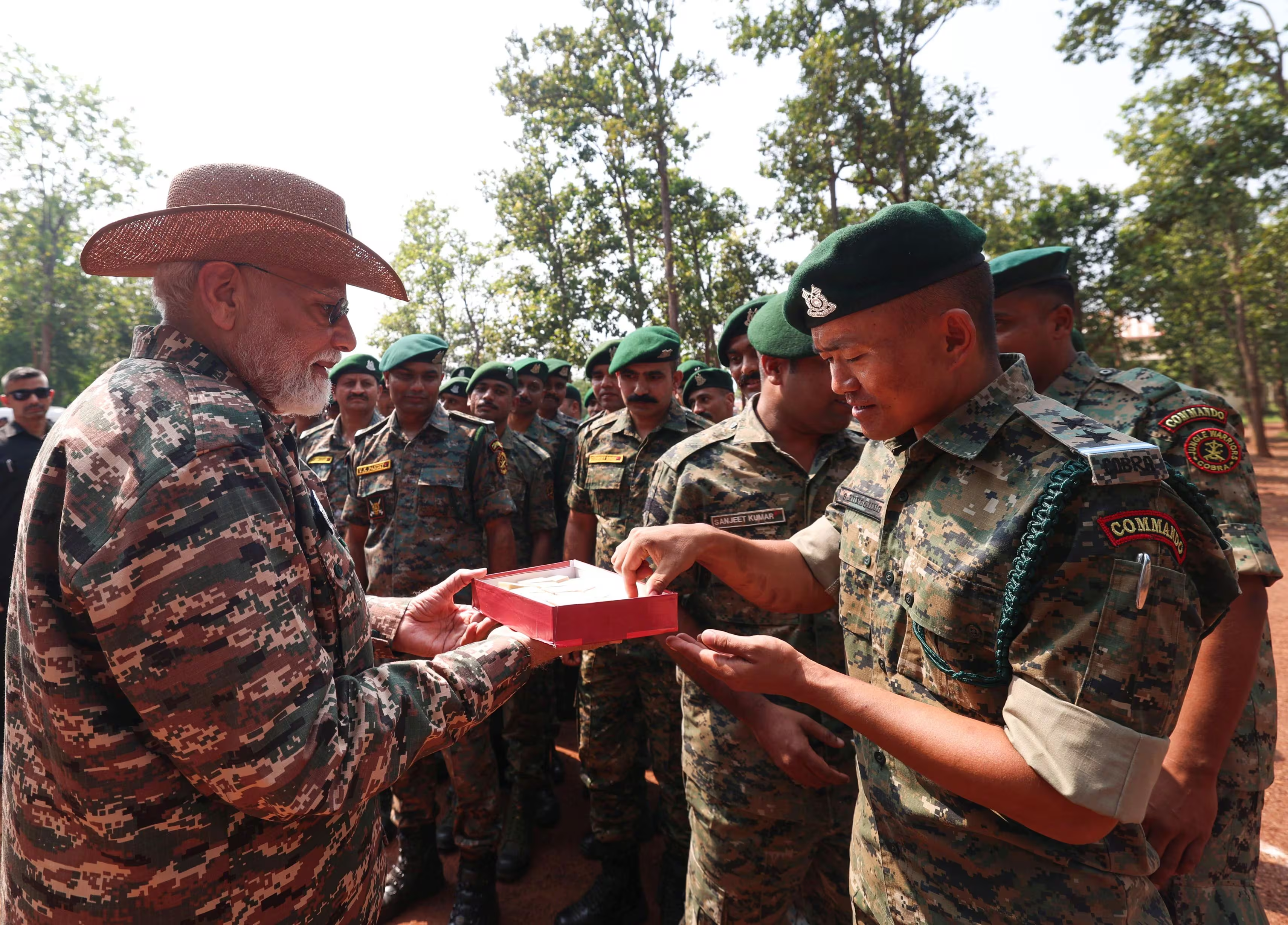
Prime Minister Narendra Modi celebrated Diwali 2026 with security forces at the CoBRA (Commando Battalion for Resolute Action) Operations Base in Karanpur, Bastar, Chhattisgarh, on November 8. During his visit, the Prime Minister interacted with the jawans, distributed sweets and expressed gratitude for their dedication, courage and sacrifices in protecting the nation.
The celebration carried significance beyond the festive occasion. Bastar, once considered one of India's most severely affected regions by Left-Wing Extremism (LWE), has witnessed considerable changes in its security environment. Against this backdrop, Modi's Diwali visit highlighted the contribution of security forces to the region's transformation and India's wider efforts to eliminate Naxalism.
The Prime Minister also shared glimpses of the celebration, describing the occasion with a heartfelt message: "Diwali is sweeter with those who protect us!"
The visit brought attention to the sacrifices of India's security personnel while highlighting a larger message of peace, development and hope for Bastar.
PM Modi Celebrates Diwali 2026 with CRPF and CoBRA Personnel in Bastar
Prime Minister Narendra Modi's Diwali celebration at the CoBRA Operations Base in Karanpur was a special gesture towards the personnel who continue to serve in challenging operational environments.
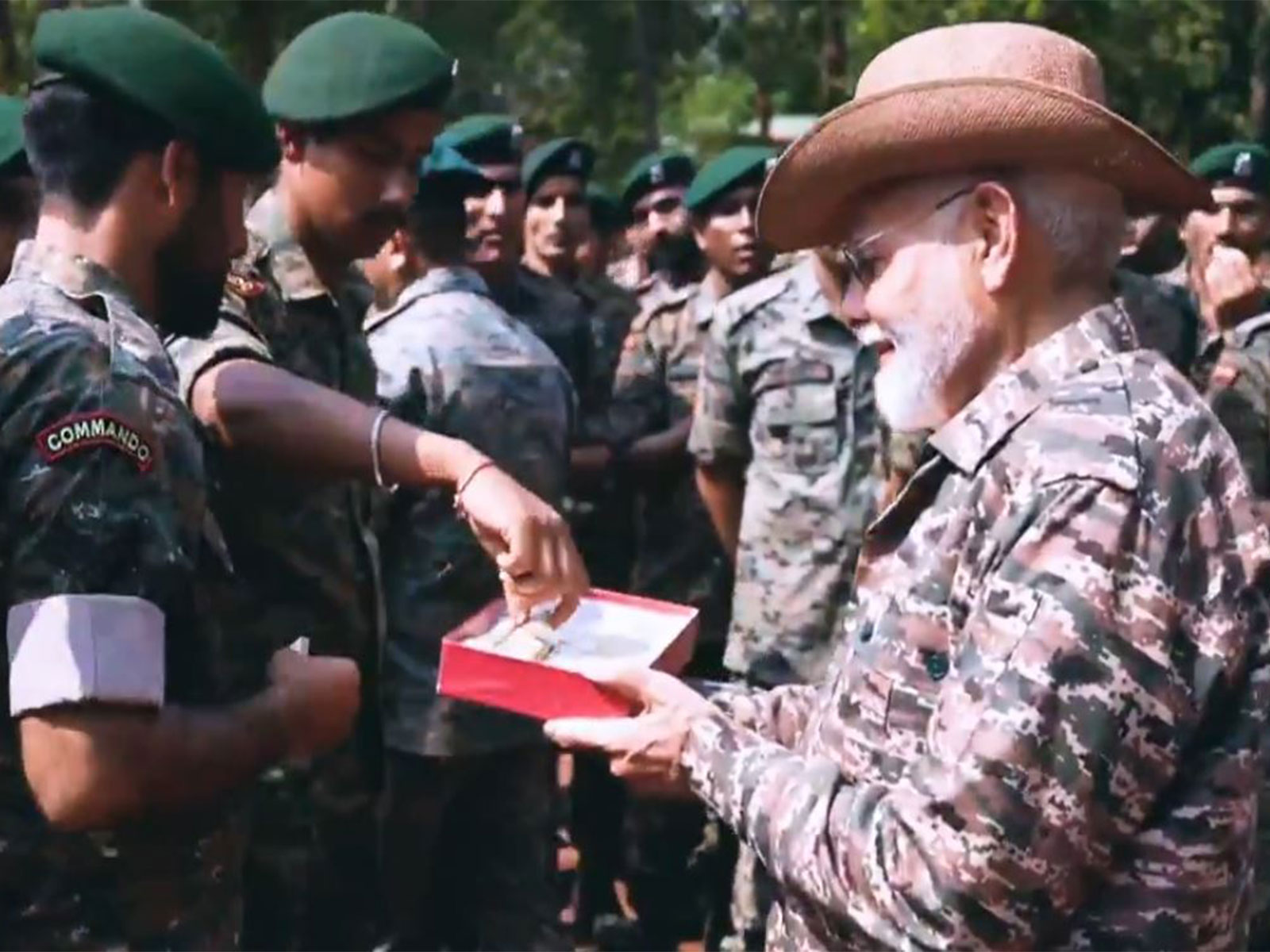
During his interaction, the Prime Minister met security personnel and distributed sweets to mark the festival. The celebration included personnel from the Central Reserve Police Force (CRPF), CoBRA and other security forces deployed in the region.
For the jawans, celebrating Diwali with the country's Prime Minister was an opportunity to share a festive moment away from their families. Security personnel frequently spend important festivals at their postings, maintaining vigilance and carrying out responsibilities that cannot be put on hold.
Modi's visit acknowledged this commitment and highlighted the importance of recognising those who work behind the scenes to ensure that millions of Indians can celebrate festivals peacefully.
The Prime Minister also shared photographs and glimpses of the celebration on social media, reinforcing the message that the nation's festivals are made possible by the dedication of its protectors.
The occasion was not simply a ceremonial Diwali gathering. It also served as a reminder of the important role played by security forces in strengthening peace and stability in regions that have experienced prolonged internal conflict.
PM Pays Tribute to Fallen CRPF Personnel at CoBRA Base
One of the most poignant moments of the Prime Minister's visit was his tribute to security personnel who lost their lives while fighting Naxalism.
Before joining the Diwali celebrations, Modi paid homage at the memorial dedicated to fallen CRPF personnel at the CoBRA Operations Base. The tribute recognised the sacrifices of those who laid down their lives during operations to restore peace and security in the region.
The Karanpur camp holds particular importance in India's anti-Naxal operations. It has served as a training centre and an operational launchpad for security missions in Bastar and Abujhmad, areas that have remained central to efforts against Left-Wing Extremism.
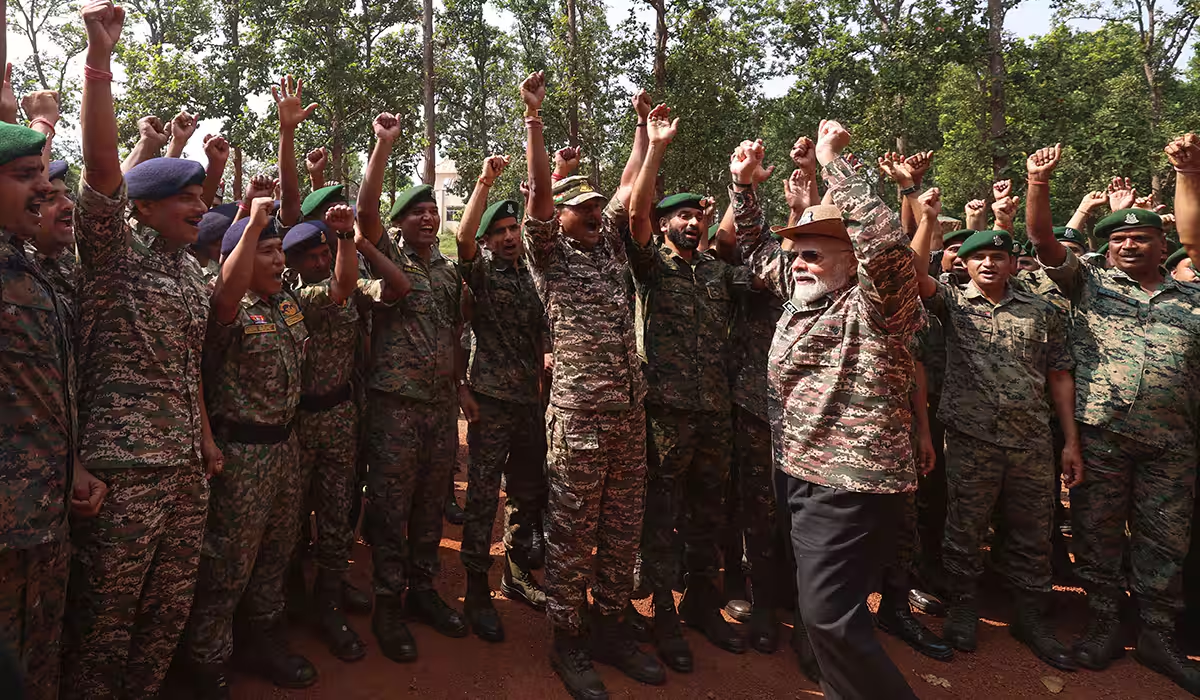
The celebrations also featured a lighter, more joyful side of the occasion. Security personnel were seen dancing to traditional tribal music, adding a local cultural touch to the festivities. The moments reflected a sense of camaraderie between the Prime Minister and the jawans, making the Diwali gathering particularly memorable.
Modi also acknowledged the contribution of several forces, including the CRPF, CoBRA, Border Security Force (BSF), Indo-Tibetan Border Police (ITBP), Sashastra Seema Bal (SSB), state police forces, India Reserve Battalion and Bastar Fighters. He specifically recognised the role of women commandos and other special forces personnel involved in security operations.
Addressing the personnel, he described them as members of his family and conveyed that the entire country was proud of their commitment to national security.
PM Modi Says India Is Now Naxal-Free: A Historic Milestone in Internal Security
A major highlight of Modi's Bastar visit was his statement that India had reached a significant milestone in its prolonged fight against Naxalism.
Addressing security personnel, the Prime Minister said that every district in the country was now free from Naxalism. He described Diwali 2026 as particularly special because it marked a new chapter after decades of Maoist violence.
Naxalism, also known as Left-Wing Extremism, had previously affected more than 230 districts across nearly 20 states, according to the figures cited in his address. Chhattisgarh was among the regions that experienced some of the most severe consequences of the insurgency.
Bastar, in particular, witnessed years of violence, security operations and disruption to everyday life. Several attacks on security personnel and civilians left lasting scars on local communities.
Recalling this difficult history, Modi referred to the devastating 2010 Dantewada attacks, in which 76 CRPF personnel and 44 civilians were killed in separate incidents.
Against this background, the Prime Minister credited the courage, determination and sustained efforts of security forces for the progress achieved in tackling Maoist organisations.
He also highlighted an important achievement concerning CRPF personnel, stating that not a single CRPF jawan had lost their life while on duty during the preceding year. He described it as the first such achievement in 47 years.
While the government's declaration represents a major milestone in its internal security narrative, maintaining peace, preventing the resurgence of extremist networks and ensuring lasting stability remain important challenges.
How Security Operations and Development Helped Transform Bastar
During his address, Modi emphasised that the fight against Naxalism was not limited to military and security operations. He said the government's approach combined stronger security measures with development initiatives aimed at addressing the conditions that allowed extremism to spread.
The strategy focused on weakening Maoist networks while simultaneously improving infrastructure, connectivity, education and employment opportunities in affected regions.
According to the figures highlighted by the Prime Minister, more than 15,000 kilometres of roads and approximately 9,500 mobile towers have been established in areas affected by Left-Wing Extremism.
These infrastructure developments are significant for regions that previously faced limited connectivity and accessibility.
Better roads can improve transportation, facilitate access to essential services and make remote villages more accessible. Similarly, mobile connectivity can help residents access information, communicate with others and benefit from digital services.
The government has also focused on establishing schools, Industrial Training Institutes (ITIs) and skill development centres to expand educational and employment opportunities.
These initiatives aim to give young people better alternatives and strengthen their participation in the mainstream economy.
Another important aspect of the strategy has been improving coordination between security operations and local development. Modi said that winning the confidence of communities affected by Naxal violence was essential to bringing lasting peace to these regions.
He also referred to measures targeting extremist organisations' financial networks, restricting weapons supplies and providing operational freedom to security forces.
The broader message was that eliminating extremism requires more than controlling violence. It also requires creating opportunities, strengthening public infrastructure and ensuring that people in previously affected areas can participate in India's development journey.
Bastar Olympics Reflect the Region's Changing Landscape
Highlighting the changing atmosphere in Bastar, the Prime Minister also referred to the Bastar Olympics as an example of how the region is moving towards a more peaceful future.
The sporting event has emerged as an important platform for young people to showcase their talent, participate in competitions and connect with others through sports.
According to Modi, children who once grew up under the shadow of violence are now getting opportunities to participate in sporting activities and explore their potential.
The development reflects a broader transformation in the region, where the focus is gradually shifting towards education, sports, employment and community participation.
For years, Naxal violence affected the everyday lives of people in Bastar, restricting opportunities and creating an atmosphere of uncertainty. The growing emphasis on sporting events and youth participation represents an effort to build a different future for the next generation.
The Prime Minister's reference to the Bastar Olympics also underlined the importance of involving local communities in the region's transformation.
From Naxal-Free India to Viksit Bharat: PM's Vision for the Future
While celebrating the security achievements, Modi made it clear that eliminating Naxalism should not be considered the final destination.
He described the development of affected regions as the next major priority and encouraged security personnel and citizens to contribute towards building a developed, self-reliant and drug-free India.
The Prime Minister connected the progress in internal security with India's broader vision of Viksit Bharat.
He also referred to welfare initiatives, including Jan Dhan accounts, Pradhan Mantri Awas Yojana, Mudra loans, Ayushman Bharat and free foodgrain distribution, highlighting their role in improving living conditions.
Citing a recent World Bank report, he claimed that approximately 50 crore Indians had moved out of extreme poverty over the preceding 12 years.
His message was that national development depends on multiple factors, including economic opportunities, social welfare, strong infrastructure and a secure environment.
He emphasised that the sacrifices of security forces would continue to provide a strong foundation for India's development ambitions.
For Bastar, the immediate priority is to ensure that the progress achieved against Naxalism translates into sustainable improvements in people's lives. Better education, healthcare, employment opportunities and connectivity will remain crucial to building long-term peace.
Why PM Modi's Diwali Celebration in Bastar Matters
The Prime Minister's Diwali visit to Bastar carries significance on several levels.
First, it recognises the sacrifices of security personnel who spend important festivals away from their families to protect the country. His decision to celebrate Diwali with jawans sends a message of solidarity and appreciation.
Second, the visit highlights the changing security situation in Chhattisgarh, particularly in areas that experienced prolonged Maoist violence.
Third, it draws attention to the relationship between internal security and development. Lasting peace cannot depend solely on security operations; it also requires opportunities, infrastructure and public confidence.
For the people of Bastar, the broader message is one of hope and a fresh beginning. The region's future increasingly depends on translating improvements in security into meaningful social and economic progress.
The Prime Minister's message, "Naxalism is history. Development is the way ahead", captures this shift in priorities.
A New Chapter of Peace, Progress and Hope for Bastar
Prime Minister Narendra Modi's Diwali 2026 celebration with CRPF jawans and other security personnel at the CoBRA Operations Base in Karanpur, Bastar, was more than a festive gathering.
From distributing sweets and interacting with security personnel to paying tribute to fallen soldiers, the visit recognised the courage and commitment of those who have played a crucial role in India's fight against Naxalism.
His statement that every district in the country is now free from Naxalism marked an important moment in the government's internal security narrative. At the same time, his emphasis on infrastructure, education, employment and community development highlighted the work that lies ahead.
As Bastar moves towards a new chapter, the challenge will be to turn the gains in security into lasting peace and prosperity.
This Diwali, the celebrations in Bastar carried a message that extended beyond the festival of lights: those who protect the nation deserve recognition, and the regions that have endured years of conflict deserve a future filled with peace, opportunity and development.
© Copyright 2026. All Rights Reserved. Powered by Vygr Media.