
 By
By 
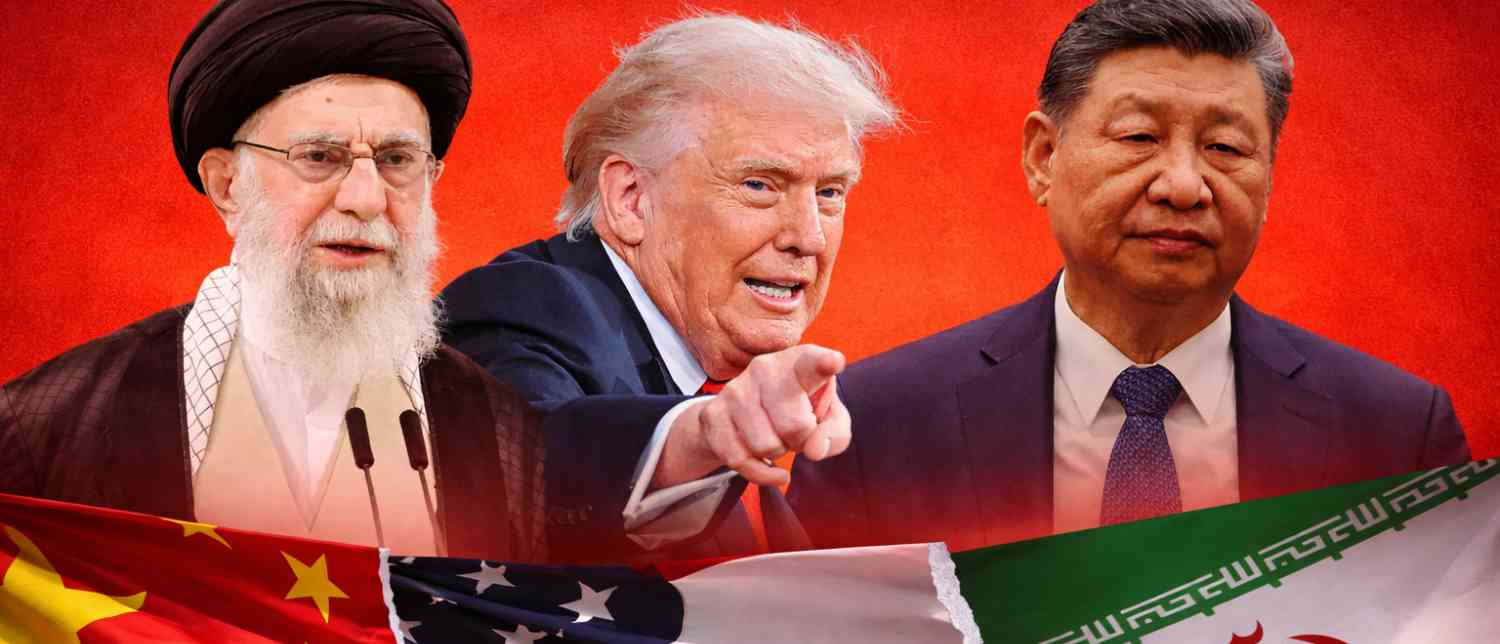
In geopolitics, noise often misleads. It is the silences—the calculated absences, the carefully withheld claims—that reveal where real power lies. The recent US–Iran ceasefire, publicly fronted by Pakistan and cautiously endorsed by global powers, appears at first glance to be a conventional diplomatic breakthrough. But beneath that visible architecture lies a quieter force: China, operating not at the negotiating table’s center, but in its shadows.
What makes Beijing’s role remarkable is not merely that it helped shape the ceasefire—it is how deliberately it chose not to take credit.
The Illusion of Mediation and the Reality Beneath
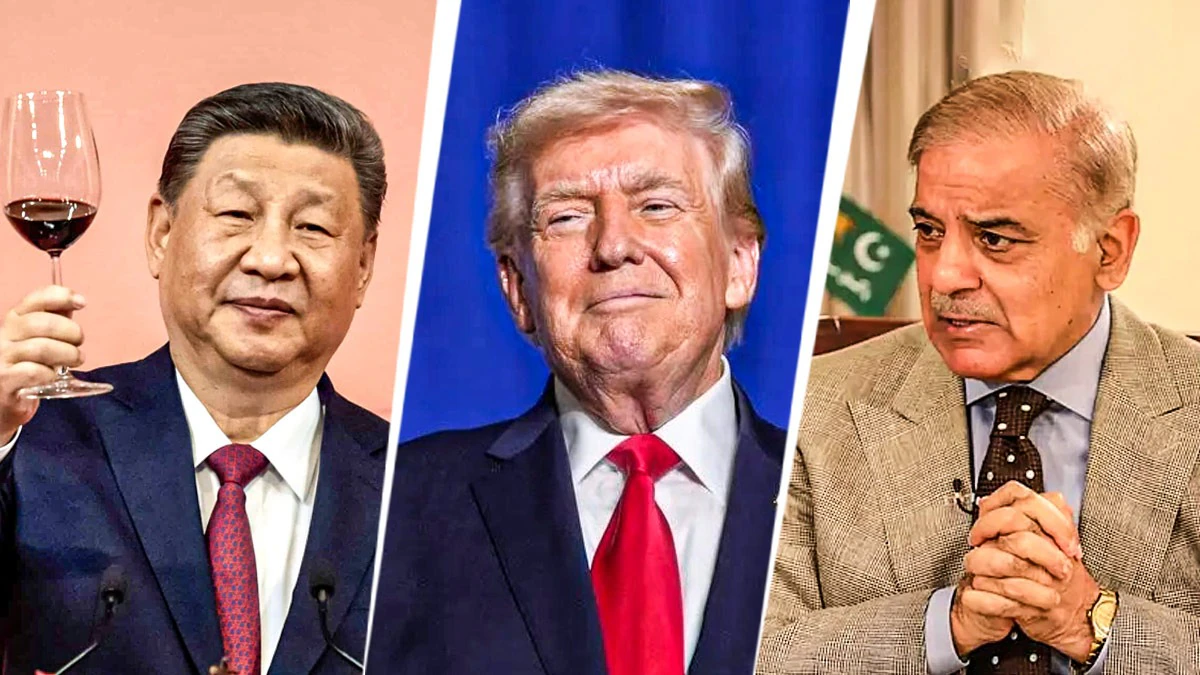
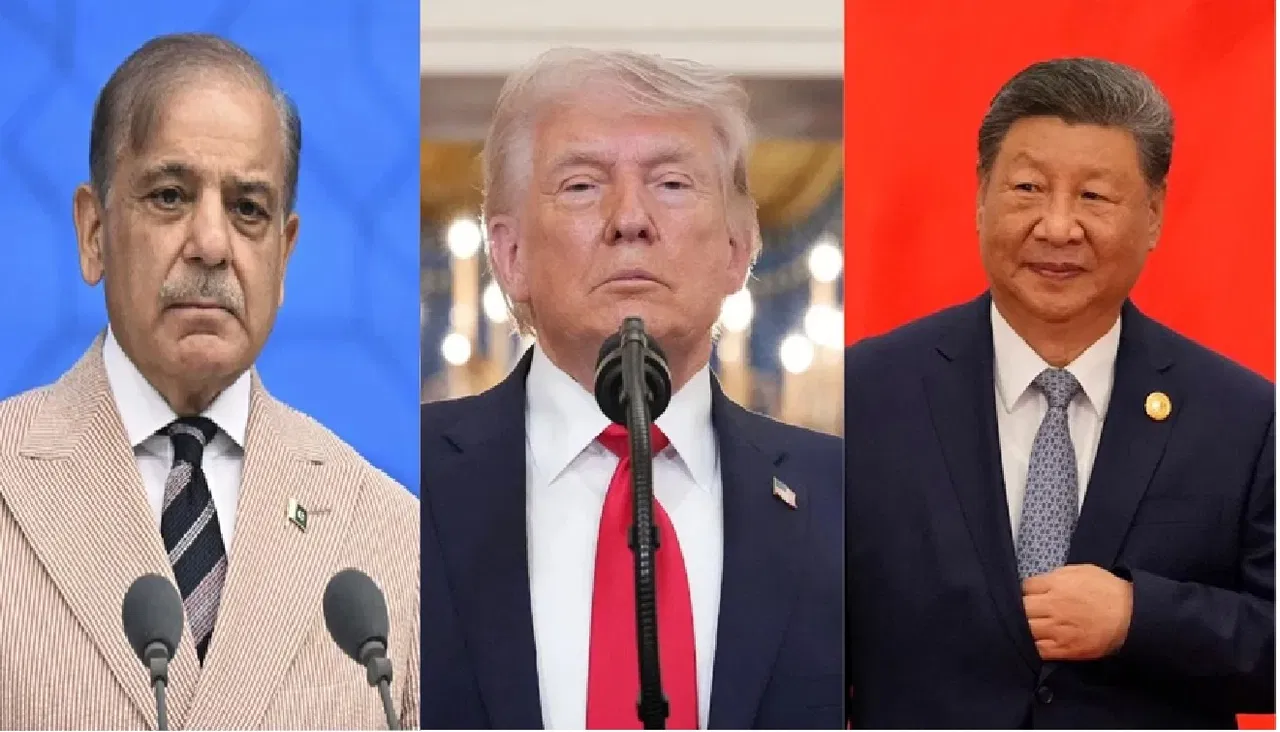
Officially, Pakistan has been hailed as the principal broker. Its strategic positioning—deep ties with Washington, geographic proximity to Iran, and working relationships with Gulf states—made it a natural intermediary. Islamabad is even set to host follow-up negotiations, reinforcing its diplomatic moment in the spotlight.
Yet this narrative, while convenient, is incomplete.
Behind the scenes, China’s diplomatic machinery had already been in motion. Chinese Foreign Minister Wang Yi reportedly held 26 calls with regional counterparts, while envoys moved quietly across capitals, stitching together the fragile threads of dialogue. This was not reactive diplomacy—it was sustained, deliberate engagement.
More telling is the coordination between Beijing and Islamabad. Just days before the ceasefire, the two countries issued a five-point initiative calling for an immediate halt to hostilities, protection of civilian targets, safe navigation through the Strait of Hormuz, and adherence to the UN Charter. That blueprint closely mirrors the contours of the eventual truce.
Pakistan may have hosted the stage, but China helped write the script.
Why China Chose Silence Over Credit
In a world where diplomatic wins are often loudly proclaimed, China’s restraint stands out. Beijing neither confirmed nor denied its role, even as US President Donald Trump publicly acknowledged its contribution.
This silence was not modesty, it was strategy.
Claiming ownership of the ceasefire would have come with expectations: enforcement, guarantees, and potentially even security commitments. China wants none of that. Its foreign policy model is built on influence without entanglement, leverage without liability.
By staying quiet, Beijing achieved three objectives simultaneously:
First, it preserved its image as a neutral actor. Publicly aligning too closely with either Washington or Tehran would have undermined its carefully cultivated relationships across the region.
Second, it avoided the burden of being a guarantor. Analysts have already questioned whether China has the political or military capacity—or even the appetite—to enforce a lasting peace. Silence allows Beijing to influence outcomes without being held responsible for them.
Third, it maximised reputational gain at minimal cost. Even without official acknowledgement, global observers—from Washington to Tehran—recognise China’s role. That is precisely the balance Beijing prefers: visible enough to earn credibility, invisible enough to avoid accountability.
The Economic Imperative Behind Diplomacy
To understand China’s motivations, one must follow the oil.
Beijing is the largest buyer of Iranian crude, absorbing nearly 90% of its exports. Any prolonged disruption—especially in the Strait of Hormuz—would have immediate consequences for China’s energy security and economic stability.
The ceasefire, therefore, was not merely a diplomatic opportunity; it was an economic necessity.
Rising tensions had already begun to rattle global markets, with oil prices climbing amid fears of restricted shipping routes. For an export-driven economy like China’s, such volatility is unacceptable. Stability in the Gulf is not a geopolitical luxury—it is a structural requirement.
This explains Beijing’s consistent messaging throughout the conflict: calls for ceasefire, dialogue, and political resolution. These were not abstract principles; they were reflections of hard economic interests.
Influence Without Ownership: China’s Diplomatic Model
China’s approach to the US–Iran ceasefire reflects a broader evolution in its global strategy.
Unlike the United States, which often couples diplomacy with military guarantees, China operates through what might be called “detached leverage.” It builds deep economic ties—energy, infrastructure, trade—and uses them to shape outcomes indirectly.
In Iran, that leverage is significant. Beyond oil, China has long-standing strategic and technological ties with Tehran. Even allegations—denied by Beijing—of providing satellite data or semiconductor tools underscore the depth of this relationship.
Yet Beijing stops short of formal alliances. There is no mutual defense treaty, no explicit security commitment. This allows China to influence without inheriting risk.
During the ceasefire negotiations, this model played out clearly. Reports indicate Beijing worked through intermediaries—Pakistan, Turkey, and Egypt—rather than stepping forward as the primary broker. This indirect approach preserved flexibility while still shaping the outcome.
It is diplomacy by design: distributed, deniable, and effective.
The Limits of China’s Power
For all its influence, China’s role should not be overstated.
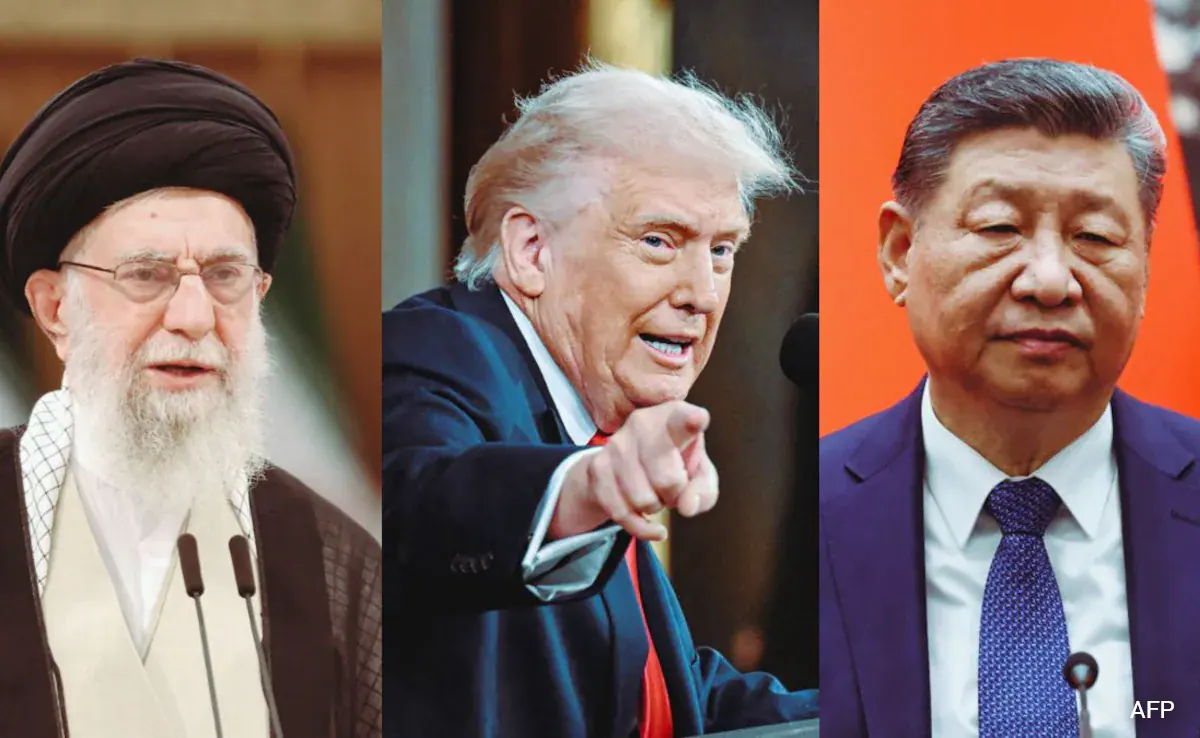
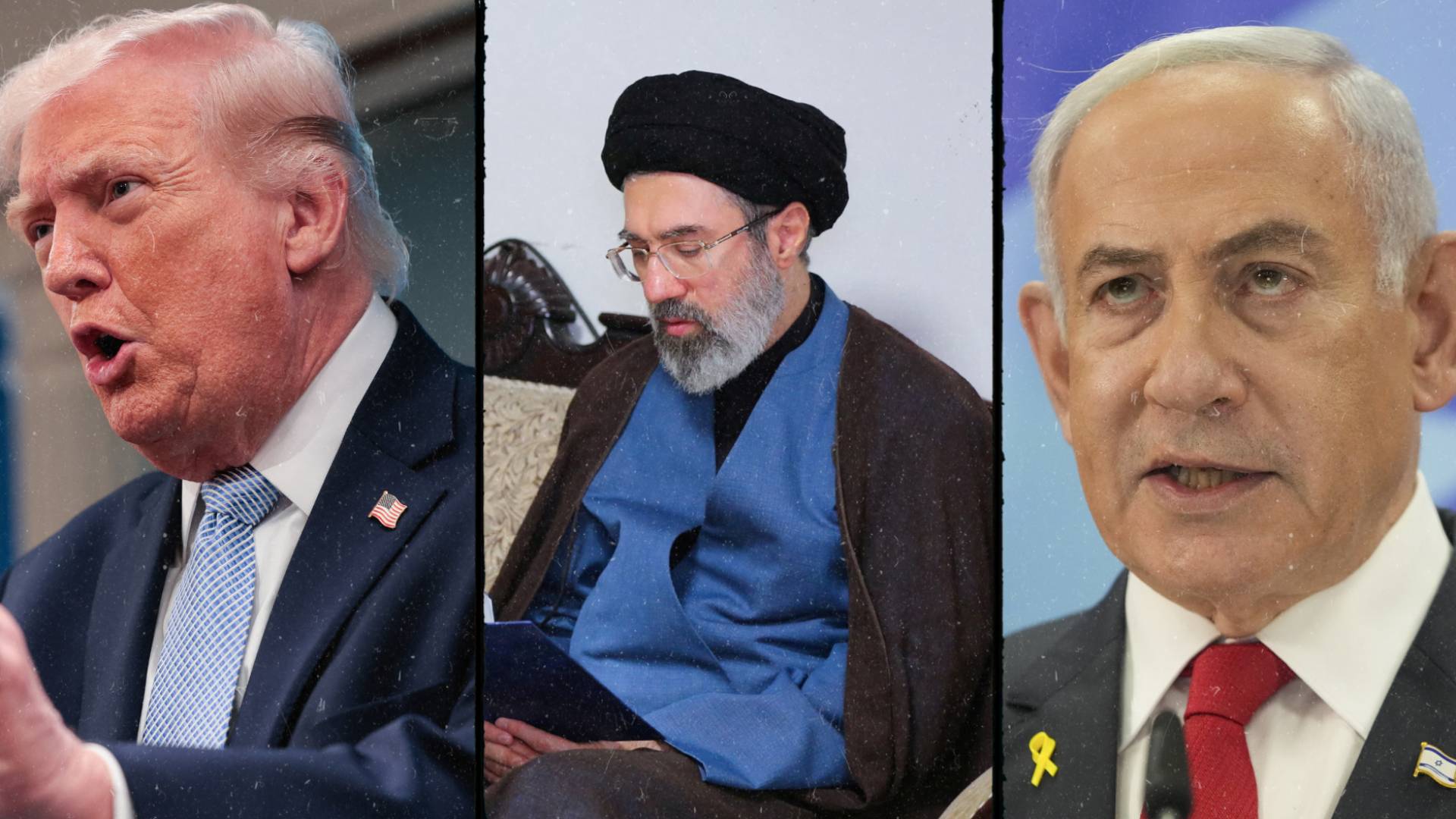
The ceasefire itself is fragile—a two-week truce contingent on complex negotiations and volatile regional dynamics. Israel’s continued operations against Hezbollah, tensions in Lebanon, and uncertainties in the Strait of Hormuz all threaten to unravel it.
Moreover, China is not the sole architect of this agreement. Pakistan, Turkey, and Egypt played critical roles, and both Washington and Tehran had their own reasons for de-escalation.
Some analysts argue that Iran made few real concessions, suggesting the ceasefire may reflect Tehran’s own strategic calculations more than external pressure. If that is the case, China’s role was less about persuasion and more about facilitation.
There is also the question of enforcement. Unlike the US, China lacks a military footprint in the region capable of guaranteeing compliance. Its influence is persuasive, not coercive.
This distinction matters. It is one thing to help broker a ceasefire; it is another to sustain it.
A Calculated Message to Washington
China’s involvement in the ceasefire also carries a subtle but significant message for the United States.
By nudging Iran toward negotiations, Beijing positioned itself as a constructive global actor—one capable of delivering results where confrontation had failed. This comes at a critical moment, with a high-stakes summit between President Trump and Chinese leadership on the horizon.
Diplomacy, in this context, becomes leverage.
China’s role in stabilizing the Middle East could translate into bargaining power on issues far removed from the region: tariffs, technology restrictions, and even Taiwan.
This is classic strategic linkage—using success in one domain to gain concessions in another.
At the same time, Beijing has been careful not to overplay its hand. It has avoided taking a formal guarantor role and even aligned with Russia in blocking certain UN measures related to maritime security. This underscores its preference for influence without overcommitment.
The Optics of a “Responsible Power”
If the ceasefire holds, China stands to gain more than just stability—it gains narrative control.
For years, Beijing has sought to present itself as a responsible global power, an alternative to what it portrays as Western interventionism. Its role in brokering the Saudi-Iran rapprochement and facilitating Palestinian unity talks were early steps in this direction.
The US–Iran ceasefire adds another layer to that narrative.
Even if its actual influence was limited, perception matters. In international politics, being seen as a peacemaker can be as valuable as being one.
And here, China has been masterful. By staying in the background, it allows others—analysts, officials, media—to attribute significance to its role. This organic recognition is far more powerful than self-promotion.
The Bigger Picture: Managed Stability, Not Peace
Ultimately, China’s goal is not peace in the idealistic sense. It is stability—predictable, manageable, and conducive to economic growth.
A prolonged war in the Middle East threatens global supply chains, energy markets, and financial systems. A complete resolution, on the other hand, could shift regional dynamics in unpredictable ways.
What Beijing prefers is something in between: a controlled equilibrium where tensions exist but do not escalate.
The current ceasefire fits that model perfectly. It pauses the conflict without resolving it, creates space for negotiation without guaranteeing outcomes, and stabilizes markets without fundamentally altering power structures.
In other words, it buys time.
The Power of Staying Quiet
China’s role in the US–Iran ceasefire is a study in modern statecraft. It demonstrates that influence does not always require visibility, and that power can be exercised as effectively through restraint as through assertion.
By working through intermediaries, leveraging economic ties, and avoiding public ownership, Beijing has managed to shape a critical geopolitical outcome while remaining officially on the sidelines.
This is not accidental—it is intentional.
In a world accustomed to loud diplomacy and visible leadership, China is refining a different model: one where the most consequential moves are made quietly, and the most powerful statements are the ones left unsaid.
And in that silence, Beijing may have said more than anyone else at the table.
With inputs from agencies
Image Source: Multiple agencies
© Copyright 2025. All Rights Reserved. Powered by Vygr Media.