 By
By 
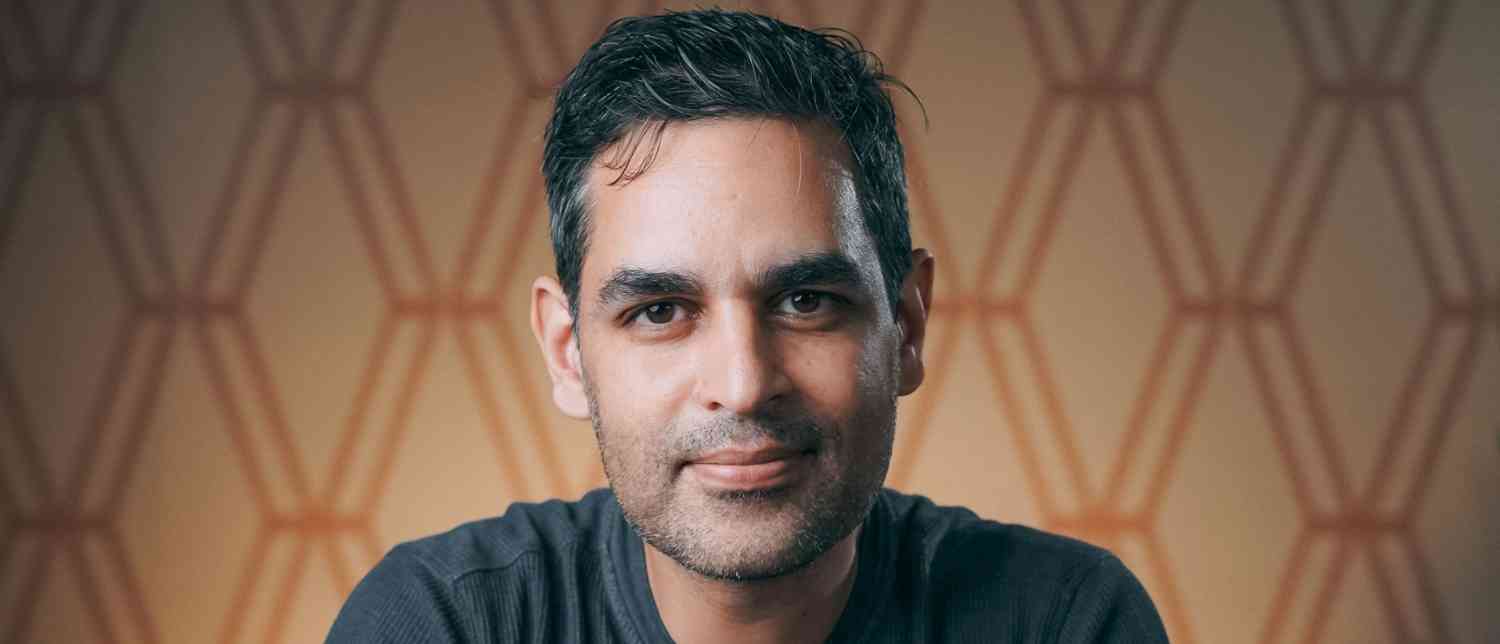
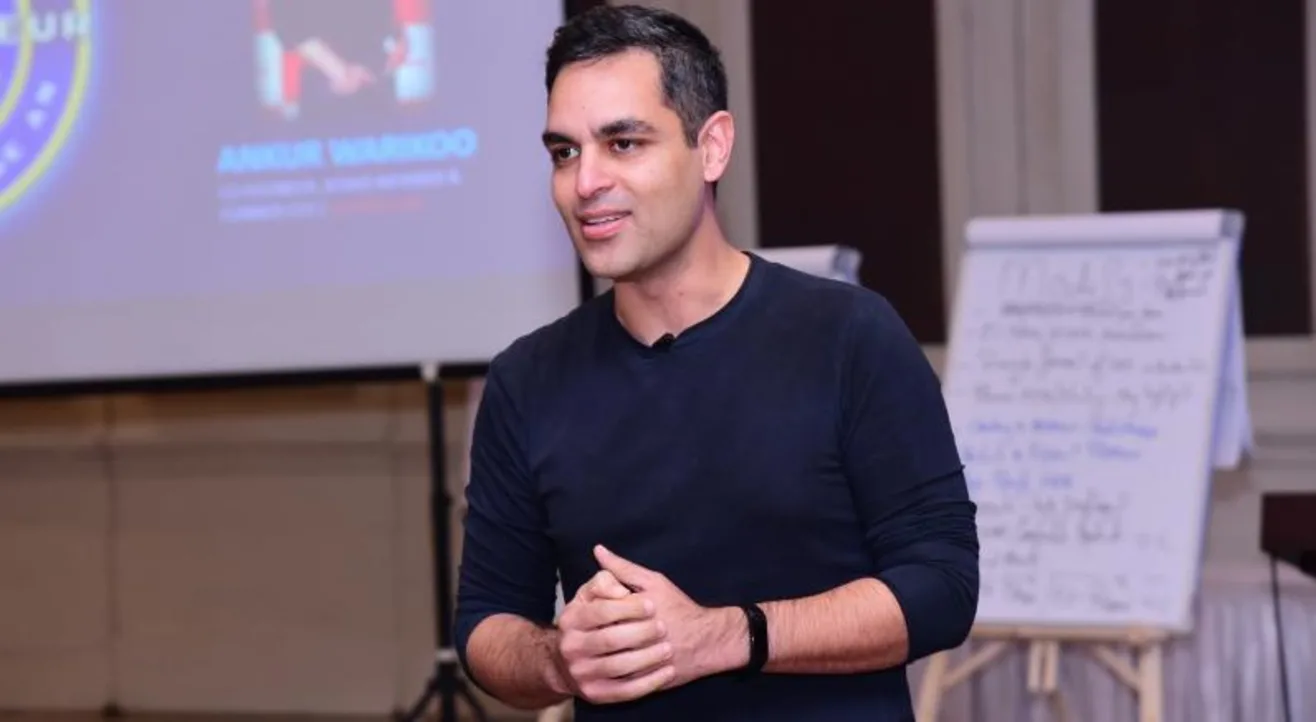
Popular entrepreneur, author, and content creator Ankur Warikoo has announced that he is shutting down his highly successful online courses business, a venture that reportedly generated over ₹100 crore in revenue over the past few years. The announcement has sparked widespread debate across social media, with many questioning whether the move is driven by changing consumer behaviour, artificial intelligence, creator burnout, or simply a strategic marketing pivot.
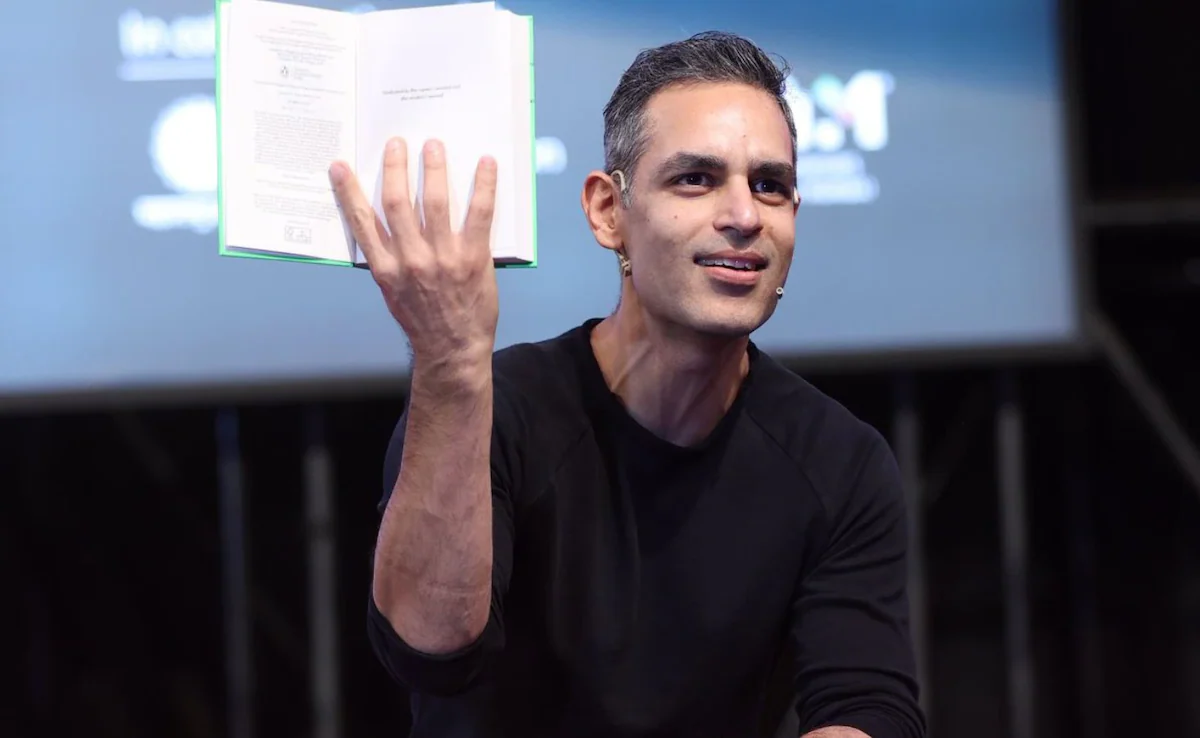
Warikoo, known for his motivational content, startup insights, productivity advice, and educational courses, revealed the decision through a video and detailed social media posts. While the business was financially thriving, he said continuing it “makes no sense” anymore because the online education landscape has fundamentally changed.
A ₹100-Crore Business That Grew Rapidly
According to Warikoo, his courses business crossed ₹100 crore in cumulative sales, making it one of the most successful creator-led education ventures in India. Over the years, he built a massive audience across YouTube, Instagram, LinkedIn, and other platforms, monetising his expertise through premium online courses focused on communication, personal finance, productivity, career growth, and entrepreneurship.
The entrepreneur explained that the courses business began as an extension of his content ecosystem. His audience trusted him, and paid learning products naturally followed. At its peak, the business attracted thousands of learners and generated substantial revenue through direct-to-consumer online education.
However, despite the impressive financial numbers, Warikoo said the economics and philosophy of the business no longer aligned with where the digital learning ecosystem is headed.
“It Makes No Sense to Continue”
In his statement, Warikoo admitted that shutting down a profitable venture may appear irrational from a traditional business standpoint. Yet he insisted the decision was based on long-term relevance rather than short-term earnings.
He noted that the internet today offers an overwhelming amount of free educational content. Concepts that people once paid thousands of rupees to learn are now widely accessible through YouTube videos, AI tools, newsletters, podcasts, and open learning communities.
Warikoo argued that charging large sums for structured information products has become increasingly difficult to justify when knowledge itself is becoming commoditised. He suggested that creators and educators must rethink the value they provide beyond information alone.
The creator also indicated that user behaviour has changed significantly in recent years. Consumers are becoming more selective about expensive online programs, especially amid economic uncertainty and subscription fatigue. Completion rates for online courses remain low across the industry, further challenging the sustainability of the model.
AI’s Growing Influence on Online Learning
One of the biggest talking points emerging from the announcement is the role of artificial intelligence in reshaping education. While Warikoo did not entirely blame AI for the closure, he acknowledged that tools such as generative AI platforms are rapidly transforming how people acquire skills and knowledge.
Internet users quickly linked the shutdown to the rise of AI-driven learning assistants that can provide customised explanations, summaries, mentorship simulations, and productivity advice at little or no cost.
Several reports noted that the accessibility of AI tools has dramatically reduced the information gap that once gave paid educational creators a competitive advantage. Instead of purchasing a structured course, users can now ask AI systems for tailored learning paths, financial explanations, communication tips, coding help, or career guidance instantly.
Warikoo’s comments appeared to reflect this larger shift. He emphasised that the future belongs less to static recorded courses and more to interactive, personalised, constantly updated learning experiences.
Social Media Reacts: Genuine Exit or Marketing Strategy?
As expected, the internet reacted strongly to the announcement. Social media platforms were flooded with mixed responses ranging from admiration to scepticism.
Many users praised Warikoo for recognising industry changes early and making a bold decision despite strong revenues. Supporters described the move as rare in a startup culture obsessed with scaling indefinitely. Some users appreciated his transparency about the economics of creator businesses and online education.
Others, however, questioned whether the shutdown was entirely genuine. Several commenters speculated that the announcement could be part of a broader rebranding exercise or marketing campaign designed to launch a new product, community, or AI-powered platform later.
Some online users argued that completely discontinuing such a profitable business seemed unlikely unless a larger strategic shift was already underway. A section of the internet also joked that “closing a ₹100-crore business” itself had become content.
The scepticism intensified because creator-led businesses often evolve rather than disappear entirely. Many observers believe Warikoo may pivot toward consulting, memberships, live cohorts, AI-led education products, or premium communities instead of traditional recorded courses.
The Rise and Saturation of India’s Creator-Education Economy
Warikoo’s decision has reignited conversations about the broader creator economy in India, especially the boom-and-bust cycle of online education businesses.
During and after the COVID-19 pandemic, digital learning platforms experienced explosive growth. Millions of Indians turned to online courses for upskilling, career advancement, financial literacy, and entrepreneurship education. Influencers, startup founders, coaches, and professionals launched educational products at unprecedented scale.
However, as competition intensified, the market became saturated. Consumers were exposed to endless advertisements promising financial freedom, productivity hacks, communication mastery, and startup success. Over time, trust issues emerged as users questioned inflated marketing claims and the real-world value of many courses.
Industry experts have increasingly pointed out that information alone is no longer enough to sustain premium pricing. Community access, mentorship, accountability, networking, and personalised feedback are now considered more valuable than pre-recorded lectures.
Warikoo’s announcement appears to symbolise this transition. His comments suggest that the creator economy is entering a new phase where credibility, adaptability, and deeper engagement matter more than simply packaging knowledge.
From Startup Founder to Internet Personality
Before becoming one of India’s best-known self-help and business creators, Warikoo built his reputation in the startup ecosystem. He previously served as the CEO of nearbuy and became widely recognised for openly discussing entrepreneurship failures, money management, careers, and personal growth.
Over the years, he cultivated a highly engaged online audience through relatable storytelling and transparent discussions about life decisions, mistakes, and business lessons. His books and educational content positioned him as a mentor figure for young professionals and aspiring entrepreneurs.
Unlike many traditional educators, Warikoo leaned heavily into personal branding. His ability to simplify complex topics and connect emotionally with audiences helped him scale rapidly in India’s booming digital creator landscape.
The closure of his courses business therefore carries significance beyond one company. Many see it as an indicator of where the wider knowledge economy may be heading.
A Shift Rather Than an End?
Despite the announcement, several analysts believe this may not represent a complete withdrawal from education. Instead, it could mark a transition toward newer formats better suited to changing consumer expectations.
The future of digital learning increasingly revolves around adaptive learning systems, AI integration, live engagement, and niche communities. Experts say static course libraries may struggle unless they offer continuous value updates and direct interaction opportunities.
Warikoo himself hinted that creators must continuously evolve rather than cling to legacy revenue models. His remarks suggested that shutting down something successful can sometimes create room for more meaningful innovation.
Whether the move proves to be a permanent exit or the beginning of a larger transformation remains unclear. But the conversation it has triggered is already reshaping how India’s creator ecosystem views online education businesses.
What the Closure Says About the Future of Online Courses
The shutdown of a ₹100-crore courses business sends a powerful message about the rapidly evolving digital economy. The online education market is no longer driven solely by access to information. Today’s audiences expect relevance, interaction, authenticity, and real-world outcomes.
Warikoo’s decision highlights a growing reality for creators and edtech entrepreneurs alike: success in the past does not guarantee sustainability in the future. As AI tools democratise access to knowledge and users become more discerning about paid products, educational businesses may need to reinvent themselves entirely.
For some, Warikoo’s announcement represents a strategic pivot. For others, it is a warning sign about the limits of the online course boom. Either way, it has become one of the most discussed creator-business stories in India this year, sparking deeper questions about the future of monetised knowledge in the AI era.
With inputs from agencies
Image Source: Multiple agencies
© Copyright 2026. All Rights Reserved. Powered by Vygr Media.