 By
By 
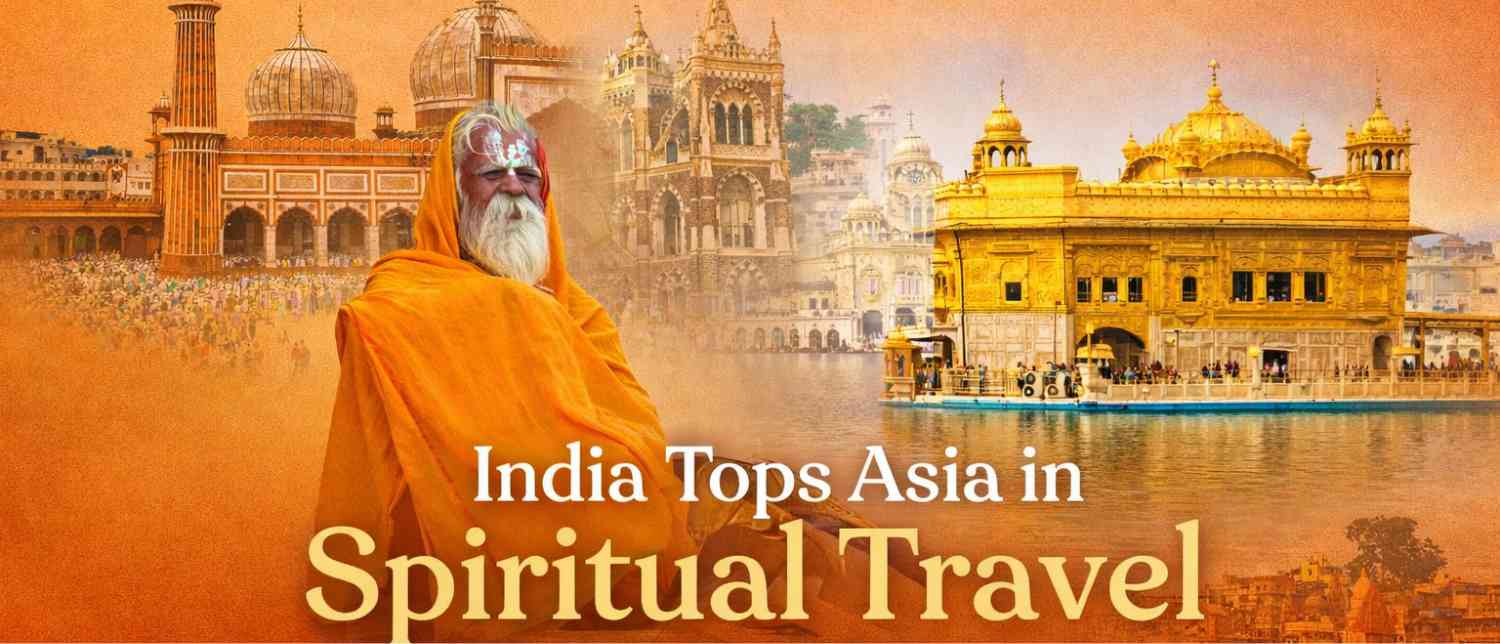
India is not merely being rediscovered—it is being reinterpreted. In 2026, a quiet yet powerful shift in global travel preferences has placed India at the epicenter of a spiritual resurgence, one that transcends tourism metrics and taps into something far more enduring: the human search for meaning.
Multiple recent travel industry analyses converge on a singular conclusion—India has emerged as Asia’s leading destination for spiritually motivated travel. But behind the headline lies a deeper story, one shaped by data, cultural continuity, global anxiety, and India’s unparalleled ability to turn journeys into inner transformations.
A Surge That Isn’t Accidental
According to recent insights from Agoda, India has topped Asia in spiritual travel interest for 2026, outperforming traditionally strong contenders like Thailand, Japan, and Indonesia. This isn’t a marginal lead—it’s a decisive shift in traveler intent.
The data reveals a growing appetite for experiences that go beyond sightseeing. Travelers are increasingly seeking retreats, pilgrimages, meditation hubs, and culturally immersive festivals. India, with its layered spiritual geography, has become the natural focal point of this demand.
But this rise is not sudden—it is cumulative. It reflects decades of India quietly building a reputation as a destination where spirituality is not curated for tourists, but lived daily by its people.
The Magnetism of Living Traditions
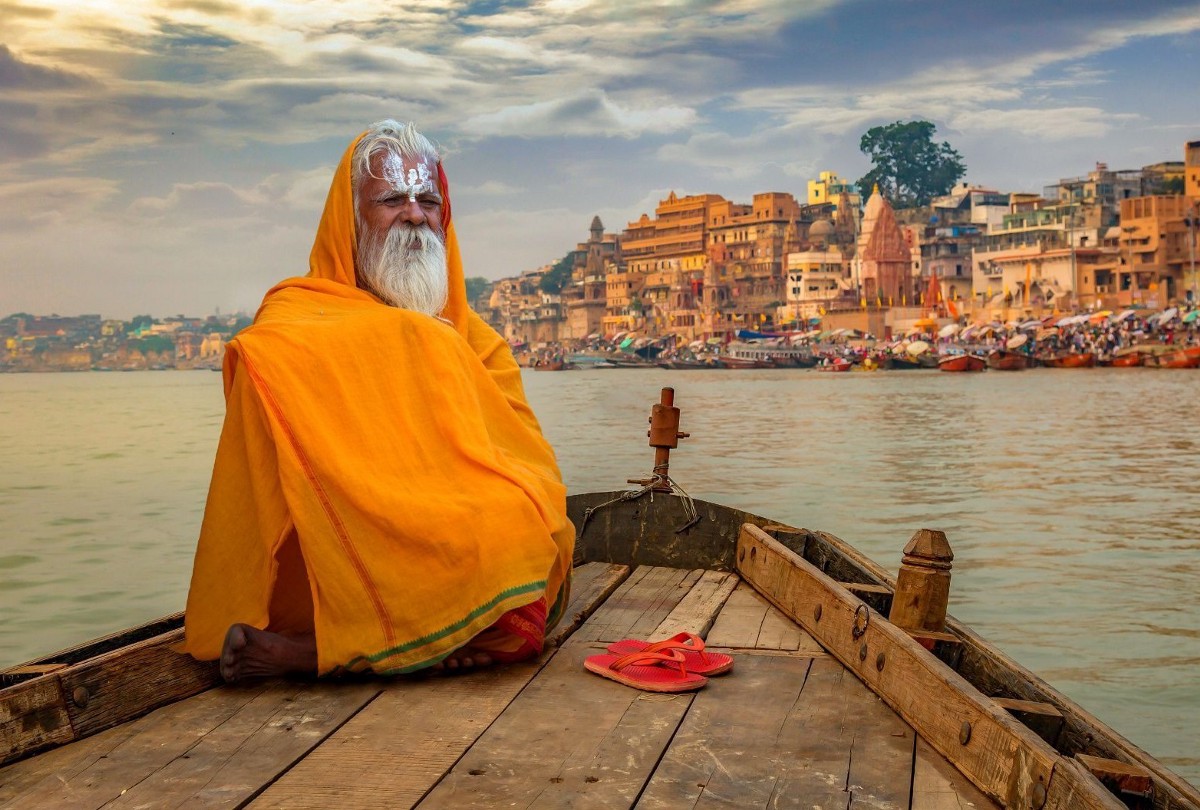
What makes India unique is not just the presence of sacred sites, but the continuity of sacred practice. From the banks of the Ganges to Himalayan monasteries, spirituality in India is not staged—it is embedded.
Consider the scale and symbolism of the Maha Kumbh Mela. Often described as the largest human gathering on Earth, it draws tens of millions of pilgrims seeking purification and renewal. This is not merely an event—it is a civilizational phenomenon that reinforces India’s identity as a spiritual nucleus.
Then there is Holi, a celebration that has evolved into a global cultural export. While often reduced to its visual spectacle, Holi’s spiritual undertones—victory of good over evil, renewal, and community—resonate deeply with travelers seeking meaningful participation rather than passive observation.
These festivals, among countless others, are not isolated attractions. They form a living calendar of spiritual engagement, offering travelers entry points into India’s philosophical and cultural ecosystem.
The Post-Pandemic Pivot: Why Spirituality Now?
The rise in spiritual travel cannot be understood without acknowledging the global psychological landscape. In a post-pandemic world marked by uncertainty, burnout, and digital fatigue, travelers are recalibrating their priorities.
Leisure is no longer enough. People are searching for purpose.
This shift is reflected in booking patterns and travel intent surveys. Travelers are increasingly prioritizing wellness retreats, yoga centers, meditation ashrams, and pilgrimage circuits. India, long associated with practices like yoga and Ayurveda, finds itself uniquely positioned to meet this demand.
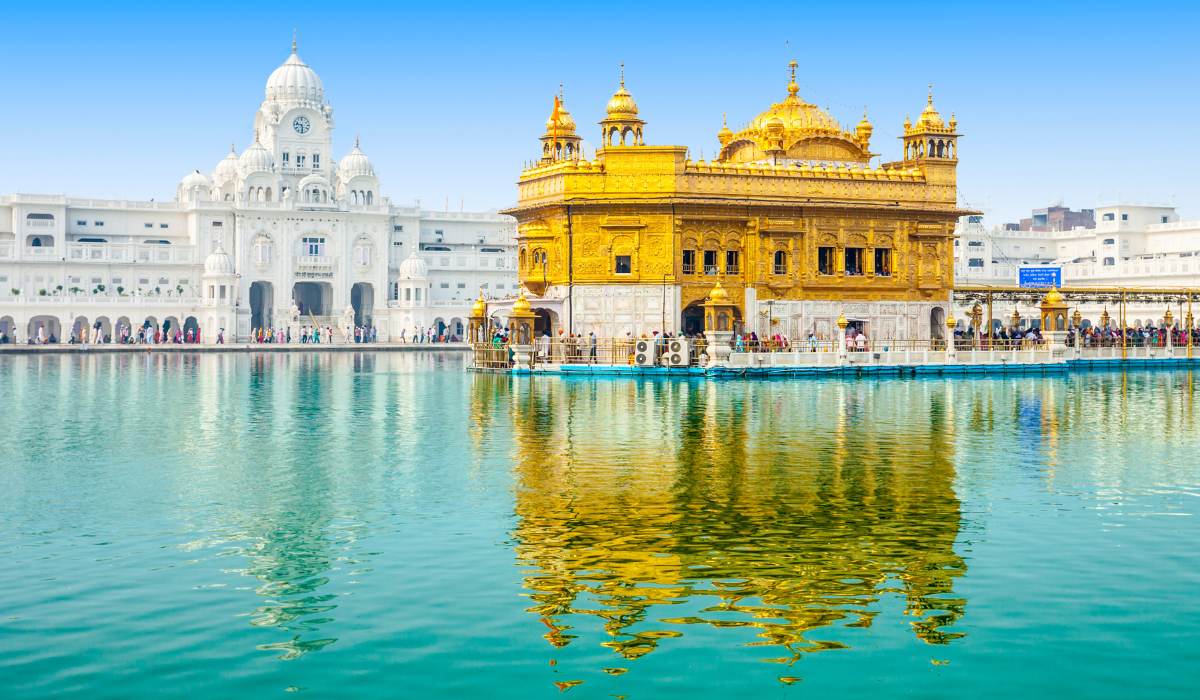
Destinations such as Rishikesh, Varanasi, Bodh Gaya, and Amritsar are witnessing renewed interest—not as tourist hotspots, but as sanctuaries for introspection.
The Economics of Enlightenment
While spirituality may seem intangible, its economic implications are very real. India’s leadership in this segment is not just cultural—it is strategic.
The travel and tourism sector is recognizing spiritual tourism as a high-growth vertical. Unlike conventional tourism, which is often seasonal and transactional, spiritual travel tends to be immersive and longer in duration. Visitors stay longer, spend more on experiences, and often return.
Moreover, this form of tourism encourages regional development. Pilgrimage routes and spiritual circuits often pass through smaller towns and rural areas, distributing economic benefits beyond major urban centers.
Government initiatives and infrastructure improvements have further amplified this trend. Better connectivity, upgraded facilities at pilgrimage sites, and targeted promotion campaigns have made spiritual destinations more accessible without diluting their authenticity.
India vs. Asia: Why the Lead Matters
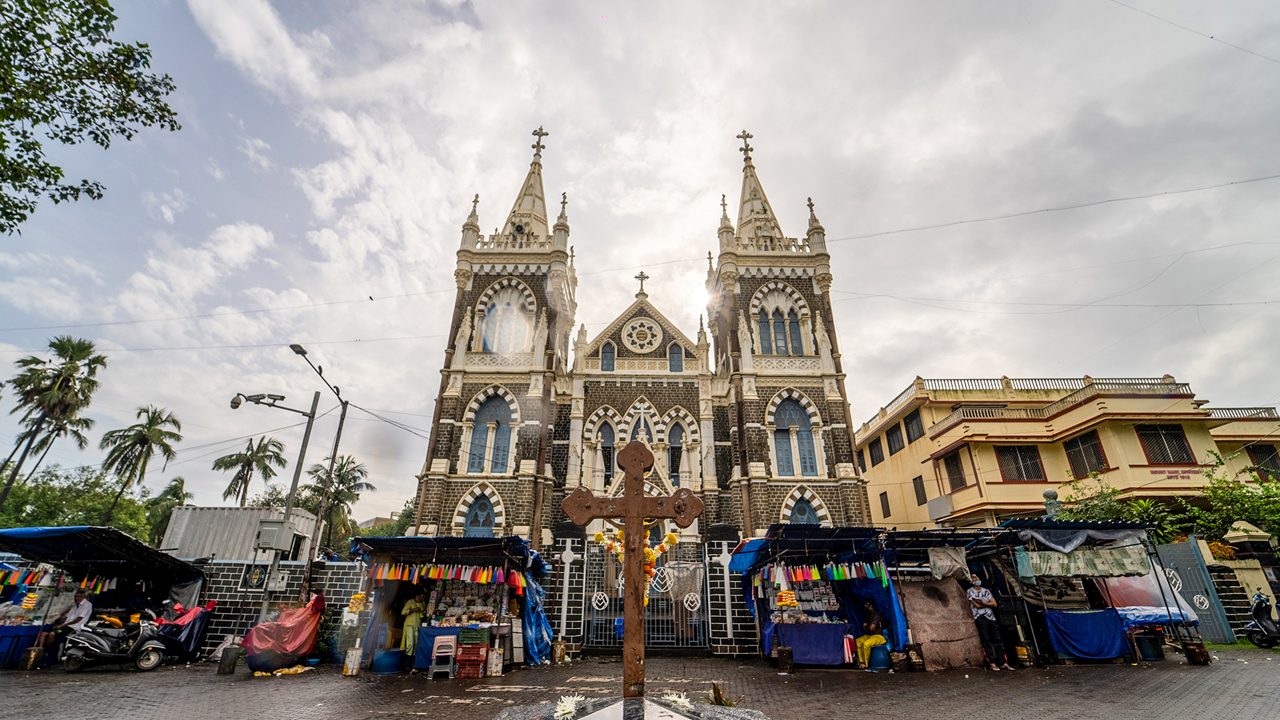
Asia is not short of spiritual destinations. Thailand offers Buddhist retreats, Japan blends Shinto and Zen traditions, and Bali markets itself as a wellness haven. Yet India’s lead in 2026 is significant—and telling.
What sets India apart is scale and diversity. It is not a single narrative but a tapestry of spiritual traditions—Hinduism, Buddhism, Jainism, Sikhism, Sufism—all coexisting and evolving.
This plurality allows travelers to customize their spiritual journeys. Whether one seeks silent meditation, ritual immersion, philosophical inquiry, or community participation, India offers it all—often within a single itinerary.
Furthermore, India’s spiritual appeal is not commodified in the same way as some global wellness destinations. It retains a rawness, an unpredictability, that can be challenging—but also deeply transformative.
The Role of Digital Discovery
Another critical driver behind this surge is digital visibility. Platforms like Agoda and other travel aggregators have made it easier for global audiences to discover and book spiritual experiences in India.
User-generated content, social media storytelling, and influencer narratives have amplified India’s image as a destination for inner journeys. Images of sunrise aartis, yoga sessions by the Ganges, and monastery retreats in the Himalayas have created a powerful visual and emotional pull.
However, this digital amplification also comes with responsibility. The challenge lies in ensuring that increased visibility does not lead to over-commercialization or erosion of cultural authenticity.
The Fine Balance: Growth vs. Preservation
India’s rise as a spiritual travel leader is an opportunity—but also a test.
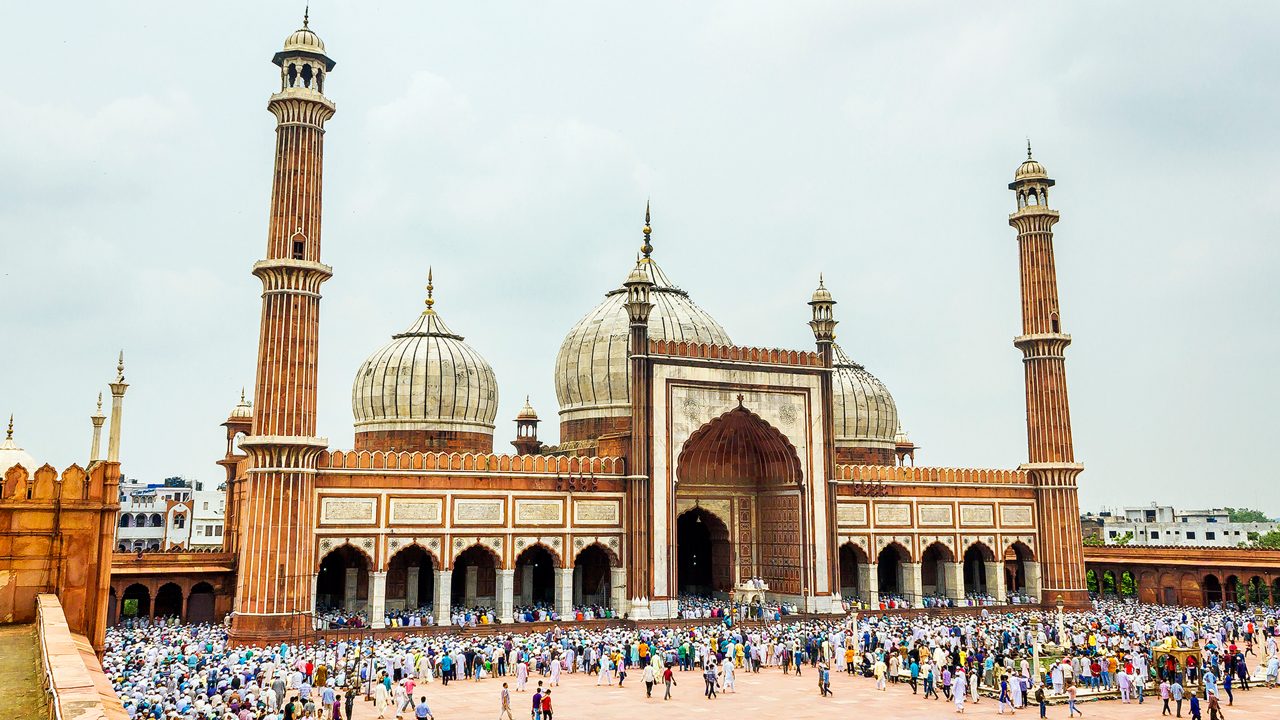
The influx of global travelers brings economic benefits, but it also risks commodifying sacred spaces. The very essence that attracts visitors—authenticity, simplicity, spiritual depth—can be diluted if not carefully preserved.
Sustainable tourism practices, community involvement, and cultural sensitivity must become central to future strategies. Spiritual tourism cannot be treated like mass tourism; it requires a more nuanced approach that respects both the traveler’s quest and the host culture’s integrity.
A Deeper Truth: India as Experience, Not Destination
Ultimately, India’s dominance in spiritual travel is not about rankings or reports. It is about resonance.
Travelers do not come to India merely to see—they come to feel, to question, to transform. The country offers something increasingly rare in a hyper-commercialized world: an encounter with the self.
This is why India leads—not because it markets spirituality better, but because it lives it more authentically.
The Journey Ahead
As 2026 unfolds, India stands at a crossroads. It has captured global attention as Asia’s top spiritual destination, but sustaining this position will require careful stewardship.
The goal should not be to maximize numbers, but to deepen impact. To ensure that every traveler leaves not just with photographs, but with perspective.
In a world searching for grounding, India has become a compass. The question now is whether it can guide without losing its own direction.
Because in the end, spiritual travel is not about where you go—it’s about what stays with you long after you return.
With inputs from agencies
Image Source: Multiple agencies
© Copyright 2025. All Rights Reserved. Powered by Vygr Media.