 By
By 
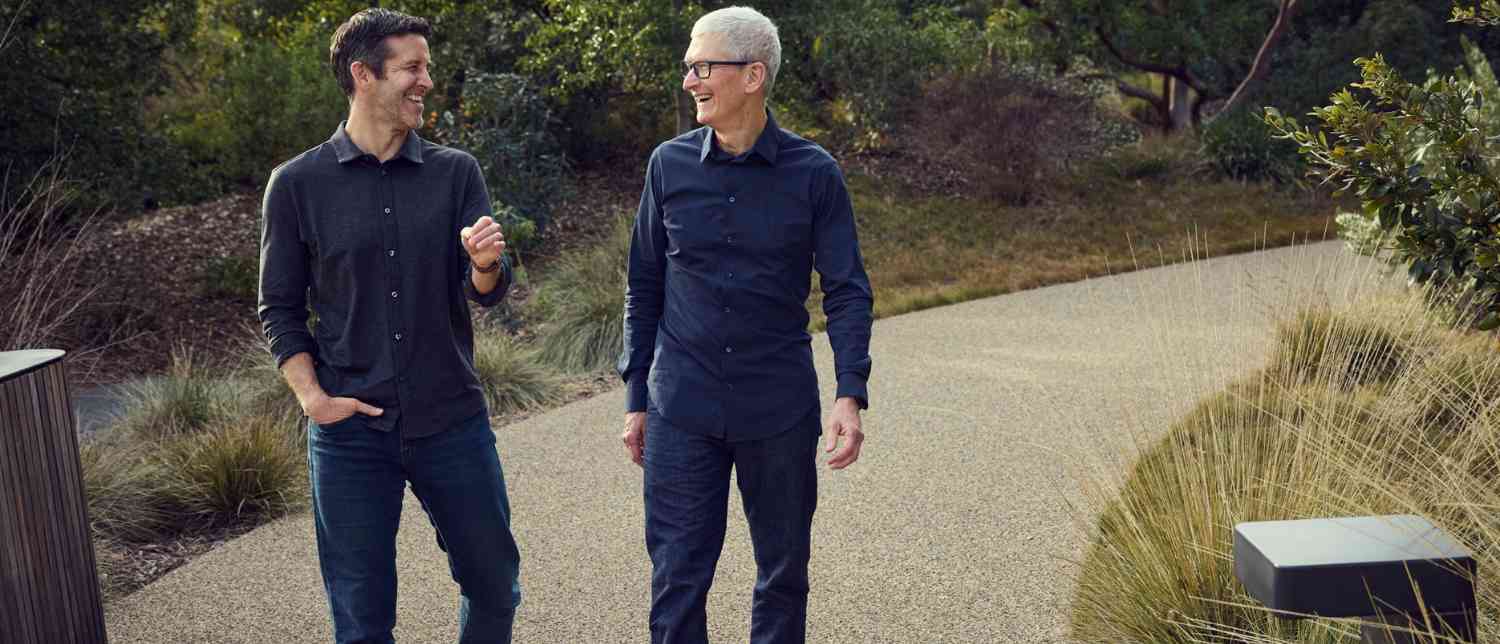
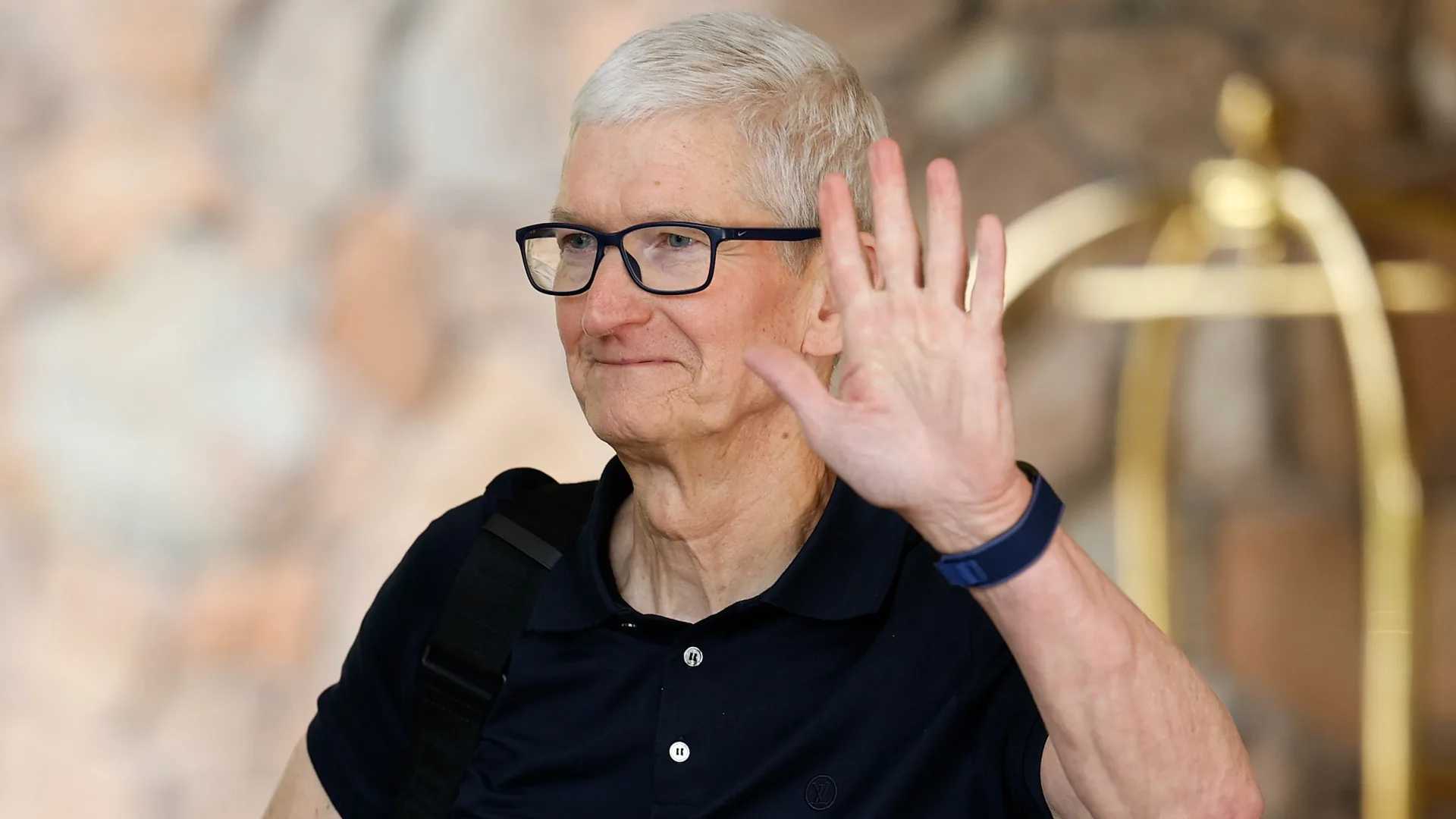
In a landmark leadership shift that marks the end of one of Silicon Valley’s most consequential eras, Tim Cook will step down as chief executive of Apple, handing over the reins to longtime insider John Ternus. The transition, set to take effect on September 1, 2026, signals both continuity and recalibration at the world’s most valuable technology company—particularly as it faces mounting pressure to define its future in artificial intelligence while sustaining its hardware dominance.
Cook, who has led Apple since 2011 following the death of co-founder Steve Jobs, will assume the role of executive chairman. The company’s board unanimously approved the succession plan, describing it as the culmination of a long-term and deliberate process.
The End of a Transformational Era
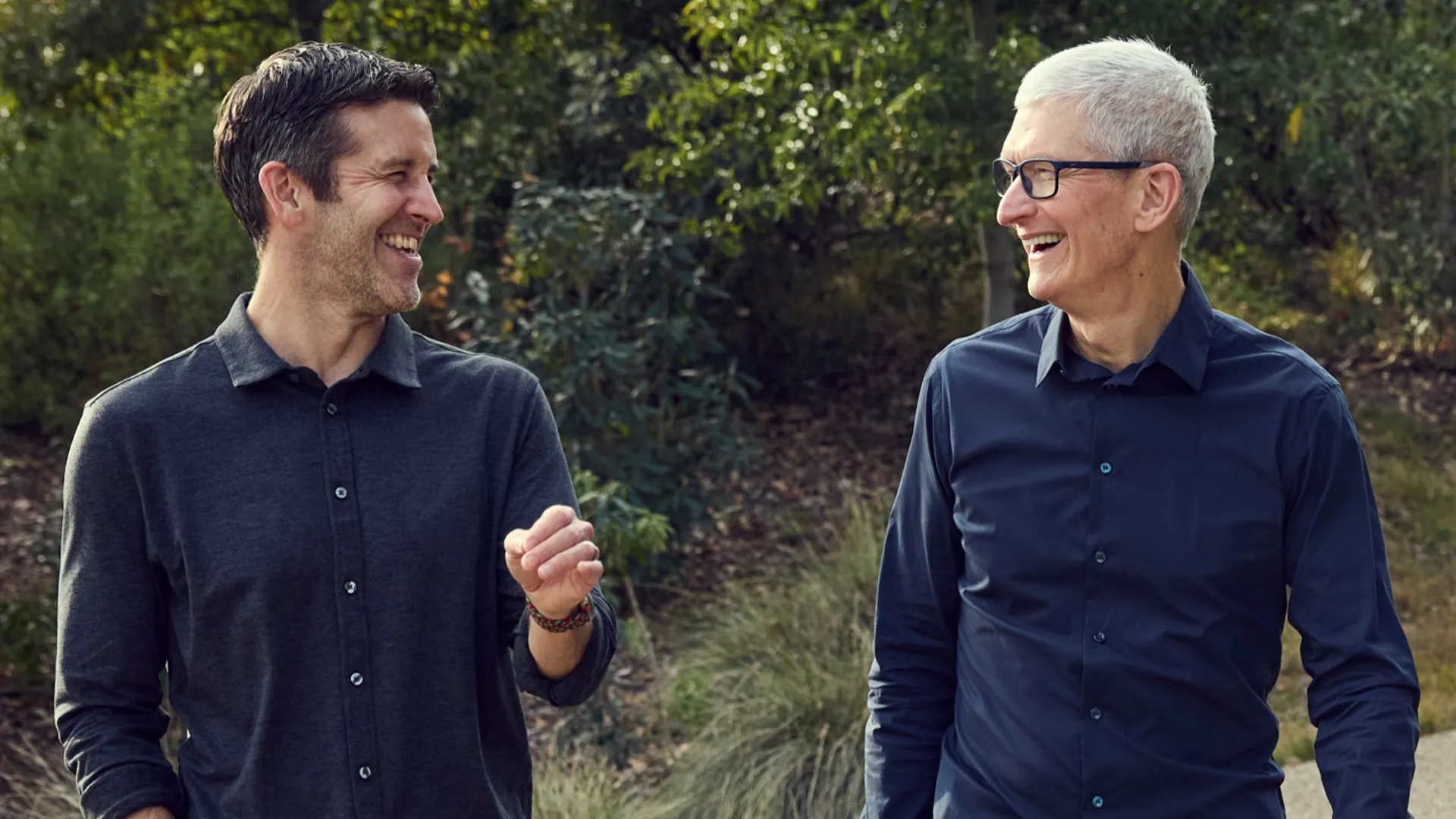
Cook’s departure from the CEO role brings to a close a 15-year tenure that reshaped Apple’s scale, identity, and global influence. When he took over from Jobs, Apple’s market value stood at roughly $350 billion. Today, it exceeds $4 trillion, making it one of the most valuable companies in history.
Under Cook’s leadership, Apple expanded far beyond its iPhone-centric identity. The company launched category-defining products such as the Apple Watch and AirPods, while building a robust services ecosystem that includes Apple Music and Apple TV+. His tenure also saw Apple deepen its global footprint, strengthen supply chains, and consistently deliver annual profits exceeding $100 billion.
Yet Cook’s leadership was not without scrutiny. Critics often questioned whether Apple had lost some of its innovative edge in the post-Jobs era. More recently, investor concerns have intensified around Apple’s pace in artificial intelligence—a domain where rivals have surged ahead.
Despite these pressures, Cook exits at a peak. Apple remains financially dominant, culturally influential, and operationally unmatched. His move to executive chairman ensures he will continue to shape strategic direction, particularly in global policy and governance matters.
Enter John Ternus: The Engineer CEO
If Cook’s era was defined by operational excellence and ecosystem expansion, the choice of Ternus signals a renewed emphasis on product and engineering.
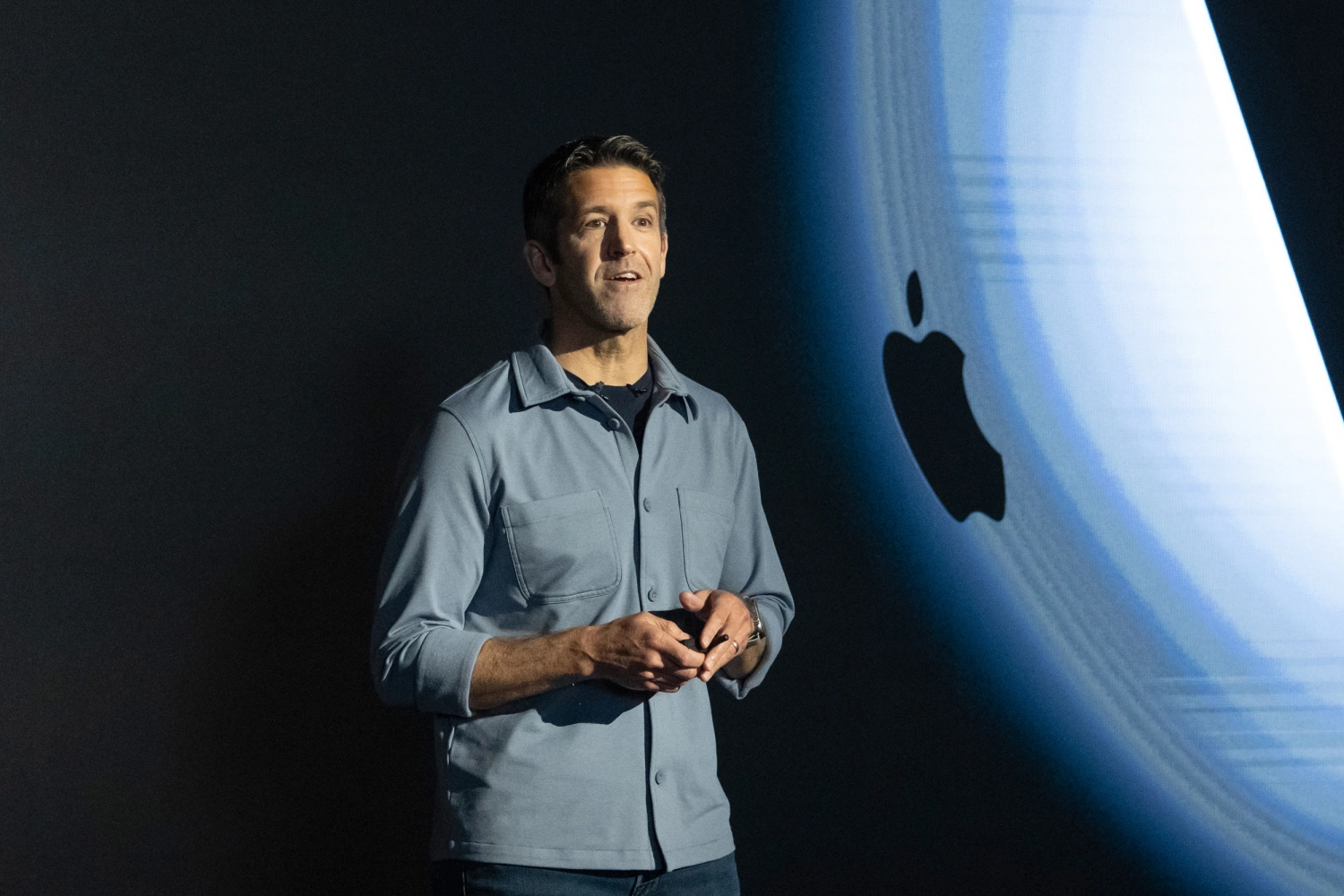
At 51, Ternus becomes Apple’s eighth CEO—and one of its youngest in decades. A mechanical engineering graduate from the University of Pennsylvania, he joined Apple in 2001 and has spent more than two decades rising through its hardware ranks.
As senior vice president of hardware engineering since 2021, Ternus has overseen the development of many of Apple’s flagship products. His fingerprints are evident across the iPad lineup, AirPods, and the company’s transition to custom Apple silicon in Macs—a shift widely regarded as one of the most significant technical overhauls in Apple’s history.
He has also been a familiar face at Apple’s keynote events, presenting major product launches including redesigned Mac Pro systems, iMac updates, and iPad Pro iterations. Within the company, Ternus is described as both charismatic and well-liked, with a reputation for blending technical depth with leadership clarity.
Industry observers see his appointment as a strategic pivot. At a time when Apple faces increasing competition in AI-driven computing, Ternus represents a return to the company’s engineering-first DNA—a philosophy closely associated with Jobs himself.
Continuity, Not Disruption
Despite the symbolism of a new CEO, Apple’s leadership transition appears carefully calibrated to avoid disruption. Ternus is not an outsider brought in to overhaul the company, but a product of Apple’s internal culture and long-term vision.
The continuity extends beyond personnel. Apple’s current executive bench—including leaders in software, services, and operations—remains intact. This suggests that while Ternus may shift emphasis toward hardware and AI integration, the broader strategic framework established under Cook will endure.
Still, the challenges ahead are substantial.
The AI Imperative
Perhaps the most pressing issue facing Ternus is Apple’s position in artificial intelligence. While competitors have aggressively rolled out generative AI tools and platforms, Apple has taken a more measured approach—focusing on privacy-centric, on-device intelligence rather than cloud-heavy models.
This strategy has drawn mixed reactions. On one hand, Apple’s emphasis on user privacy aligns with its brand ethos. On the other, critics argue that the company risks falling behind in a rapidly evolving technological race.
Ternus’s background in hardware could prove pivotal here. Analysts expect Apple to double down on integrating AI directly into its devices—leveraging its control over both hardware and software to deliver differentiated experiences.
Such a move would align with Apple’s historical playbook: rather than being first to market, the company often enters categories later but redefines them through tight integration and user-focused design.
Market Reaction and Investor Sentiment
The announcement of Cook’s transition triggered only a modest reaction in financial markets, with Apple’s stock slipping less than 1% in after-hours trading. The muted response suggests that investors view the succession as orderly and largely anticipated.
Indeed, Ternus has long been considered a leading candidate to succeed Cook. His elevation reflects not just his technical credentials but also Apple’s preference for internal continuity over external disruption.
Investor sentiment remains broadly positive, though cautious. While Apple’s financial strength provides a solid foundation, the company’s ability to innovate—particularly in AI—will be closely watched in the coming years.
A Company at a Crossroads
Apple’s leadership transition comes at a pivotal moment. The company is navigating a complex landscape marked by technological shifts, regulatory scrutiny, and evolving consumer expectations.
On the product front, recent launches have received mixed reviews, with some analysts questioning whether Apple’s innovation pipeline is losing momentum. At the same time, emerging technologies such as augmented reality and AI present both opportunities and risks.
Ternus inherits a company that is immensely powerful but also under pressure to define its next chapter.
The Legacy of Cook, the Challenge for Ternus
Cook’s legacy is secure. He transformed Apple into a financial juggernaut, expanded its ecosystem, and navigated it through a decade of unprecedented growth. His leadership style—marked by discipline, pragmatism, and a focus on execution—proved that Apple could thrive even without its visionary founder at the helm.
For Ternus, the challenge is different. He must lead Apple into a new era—one defined not just by incremental improvements but by breakthrough innovation.
That may require balancing Apple’s traditional strengths with a willingness to take bolder risks. It will also demand a clear vision for how hardware, software, and AI can converge to create the next generation of user experiences.
Looking Ahead
As September approaches, the transition from Cook to Ternus will be closely watched across the tech industry. It is not merely a смена of leadership but a signal of where Apple believes its future lies.
With an engineer at the helm, Apple appears to be betting on its roots: building tightly integrated products that redefine categories and set new standards.
Whether that strategy will be enough in an AI-driven world remains to be seen. But if history is any guide, Apple’s greatest transformations often begin with moments like this—quiet, calculated, and full of possibility.
With inputs from agencies
Image Source: Multiple agencies
© Copyright 2026. All Rights Reserved. Powered by Vygr Media.