 By

India has taken another significant step towards strengthening its position in the global artificial intelligence (AI) ecosystem by joining a US-led initiative aimed at securing critical technology and AI supply chains from growing geopolitical risks. The development comes amid intensifying competition between the United States and China over advanced semiconductors, artificial intelligence infrastructure and access to strategic resources.
Under the San Francisco Declaration on the Secure Foundations of Enduring Prosperity, India has joined the United States and several other countries in a coordinated effort to protect technologies and infrastructure essential to AI development. The agreement seeks to reduce dependence on vulnerable supply chains, strengthen cooperation among trusted international partners and safeguard critical technologies from potential disruption.
The move is particularly important as advanced AI systems increasingly depend on sophisticated chips, rare earth minerals, specialised manufacturing equipment and reliable energy infrastructure. With countries competing to secure these resources, India's participation could open new opportunities for investment, technological collaboration and domestic manufacturing.
But what exactly is the San Francisco Declaration, how does it fit into the broader US-China technology rivalry, and what does India's participation mean for its AI ambitions?

What Is the San Francisco Declaration?
The San Francisco Declaration on the Secure Foundations of Enduring Prosperity is a US-led agreement designed to strengthen the security and resilience of global AI supply chains.
The declaration brings together countries that want to coordinate their efforts to protect critical technologies, identify vulnerabilities in interconnected supply networks and reduce excessive dependence on strategically sensitive sources.
The initial group of signatories includes the United States, India, Japan, Australia, Israel, the United Kingdom, South Korea, Qatar and the United Arab Emirates.
Germany, Sweden, the Netherlands and the European Commission were also expected to join the agreement in the following week, according to reports available on November 16, 2026.
Rather than focusing exclusively on artificial intelligence software or semiconductor production, the agreement covers the wider industrial ecosystem that makes advanced AI possible.
This includes semiconductor design, chip manufacturing equipment, critical minerals, rare earth materials, energy infrastructure, advanced manufacturing facilities and logistics networks.
The central idea is straightforward: no single country can independently secure every stage of the global AI supply chain. International cooperation is therefore essential to protecting the technologies that will shape the next generation of economic and technological development.
What Is Pax Silica and How Is It Connected to the Agreement?
The San Francisco Declaration represents a further step in Pax Silica, a US-led initiative launched in December 2025 to strengthen cooperation between partner countries across the AI and semiconductor industries.
Pax Silica focuses on securing what can broadly be described as the foundation of the AI economy. Its scope extends beyond chips to include critical minerals, energy inputs, advanced manufacturing and the infrastructure required to develop and deploy AI systems.
The initiative aims to create more dependable supply networks by encouraging countries to diversify sourcing, strengthen industrial partnerships and protect strategically important technologies.
Its expansion reflects a growing recognition that the global AI race is not simply about developing the most powerful algorithms. It is also about controlling or securing the physical resources, manufacturing capabilities and infrastructure needed to run them.
The wider Pax Silica network has expanded to include countries and regional partners such as Argentina, Chile, Costa Rica, El Salvador, Germany, Greece, Kazakhstan, the Netherlands, Panama and the European Union, among others.
The San Francisco Declaration builds on this broader cooperation by placing greater emphasis on identifying and protecting vulnerable parts of the AI supply chain.
What Have the Signatory Countries Agreed To?
One of the key objectives of the declaration is to develop a common understanding of which technologies and supply chains are strategically important and require stronger protection.
The participating countries are expected to work together through dedicated groups to identify vulnerabilities, exchange relevant information and explore ways to strengthen international supply networks.
Their areas of focus include:
1. Semiconductor technology and manufacturing
Advanced semiconductors are essential for training and operating sophisticated AI models. The agreement seeks to strengthen the security of semiconductor-related supply chains, including chip design, specialised manufacturing equipment and production capabilities.
2. Critical minerals and rare earth elements
Materials such as rare earth elements and specialised industrial minerals are important for producing electronic components, magnets and other advanced technologies. Diversifying their sources could reduce the risks associated with concentrated global supply.
3. Energy infrastructure
AI data centres require enormous amounts of electricity to power servers, cooling systems and computing equipment. Reliable energy infrastructure is therefore becoming an increasingly important part of national AI strategies.
4. Advanced manufacturing
Countries also need dependable industrial capabilities to manufacture semiconductor equipment, electronic components and other essential technologies.
5. Logistics and transportation networks
The movement of chips, minerals, equipment and other components across international borders is another potential vulnerability. Protecting ports, transportation networks and logistics infrastructure is crucial to ensuring uninterrupted supply.
The agreement also aims to encourage investment in economic hubs that can support AI-related industries and improve cooperation between participating countries.
Why Is the US Trying to Reduce Dependence on China?
The agreement comes against the backdrop of an increasingly intense technology rivalry between Washington and Beijing.
The United States and China have been competing for influence across semiconductors, artificial intelligence, advanced computing and other strategic industries.
In October 2022, Washington introduced sweeping export restrictions that limited China's access to advanced AI chips, including Nvidia's A100 and H100 processors, along with certain semiconductor manufacturing technologies.
The restrictions were intended to limit China's ability to access computing capabilities considered strategically sensitive by the US government.
However, China's rapid progress in artificial intelligence has continued despite these restrictions. Domestic technology companies, including developers behind DeepSeek, Qwen and other large language models, have been working to strengthen the country's AI capabilities.
Another major concern for Washington is the concentration of critical mineral processing and manufacturing capabilities in China. Heavy dependence on a limited number of suppliers can create economic and strategic vulnerabilities, particularly during periods of geopolitical tension.
The Pax Silica initiative and the San Francisco Declaration are intended to address these concerns by encouraging more diversified and reliable supply chains.
The objective is not simply to restrict China's technological influence but also to ensure that participating countries have dependable access to the resources and infrastructure required for future AI development.
How Does the Nvidia Controversy Fit Into the Bigger Picture?
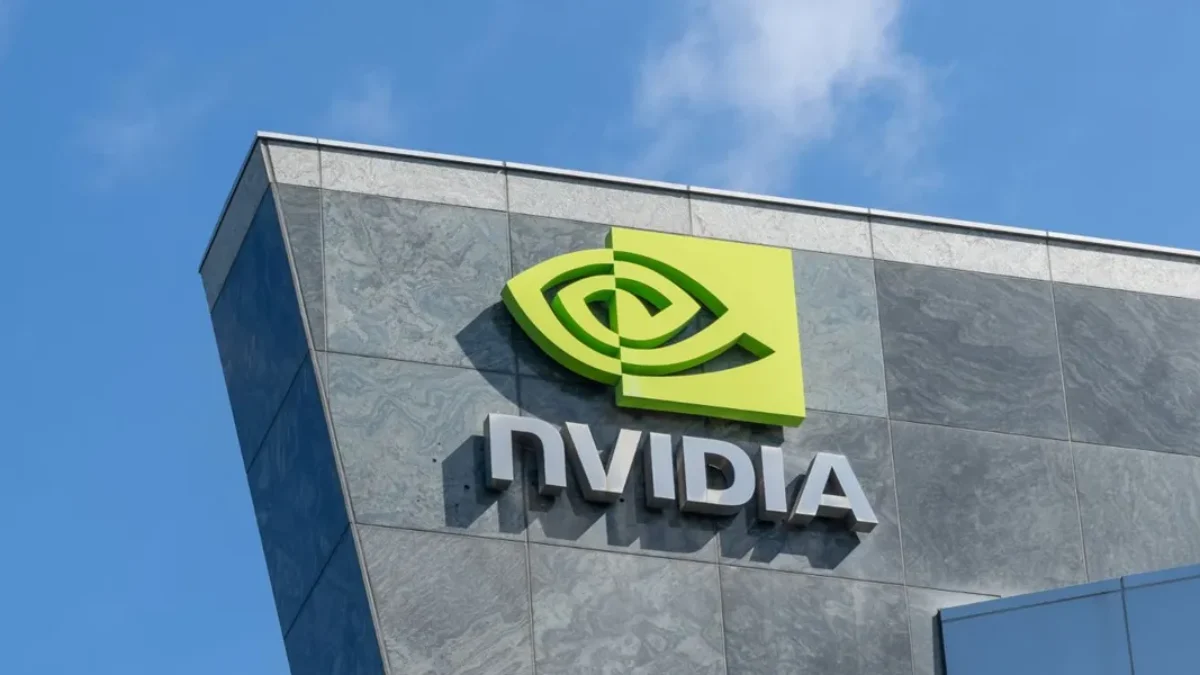
The announcement has also attracted attention because of its timing, amid renewed scrutiny of Nvidia's advanced AI chips and concerns about their potential diversion to Chinese companies.
Nvidia is one of the world's most influential semiconductor companies, with its graphics processing units (GPUs) playing a central role in training and operating advanced AI models.
Washington has reportedly intensified its efforts to crack down on companies suspected of illegally transferring restricted Nvidia chips to China or circumventing US export controls.
These concerns highlight a broader challenge: even when governments impose restrictions on sensitive technologies, enforcing them across complex international supply chains can be difficult.
Reports surrounding Nvidia CEO Jensen Huang have also brought additional attention to the issue. However, personal allegations and claims about executive leadership should not be confused with the independently reported policy objectives of the San Francisco Declaration.
The agreement's underlying rationale is much broader than any individual corporate controversy. It reflects growing concerns about semiconductor security, technology transfers and the strategic importance of controlling access to advanced computing infrastructure.
Why Is India's Participation Important?
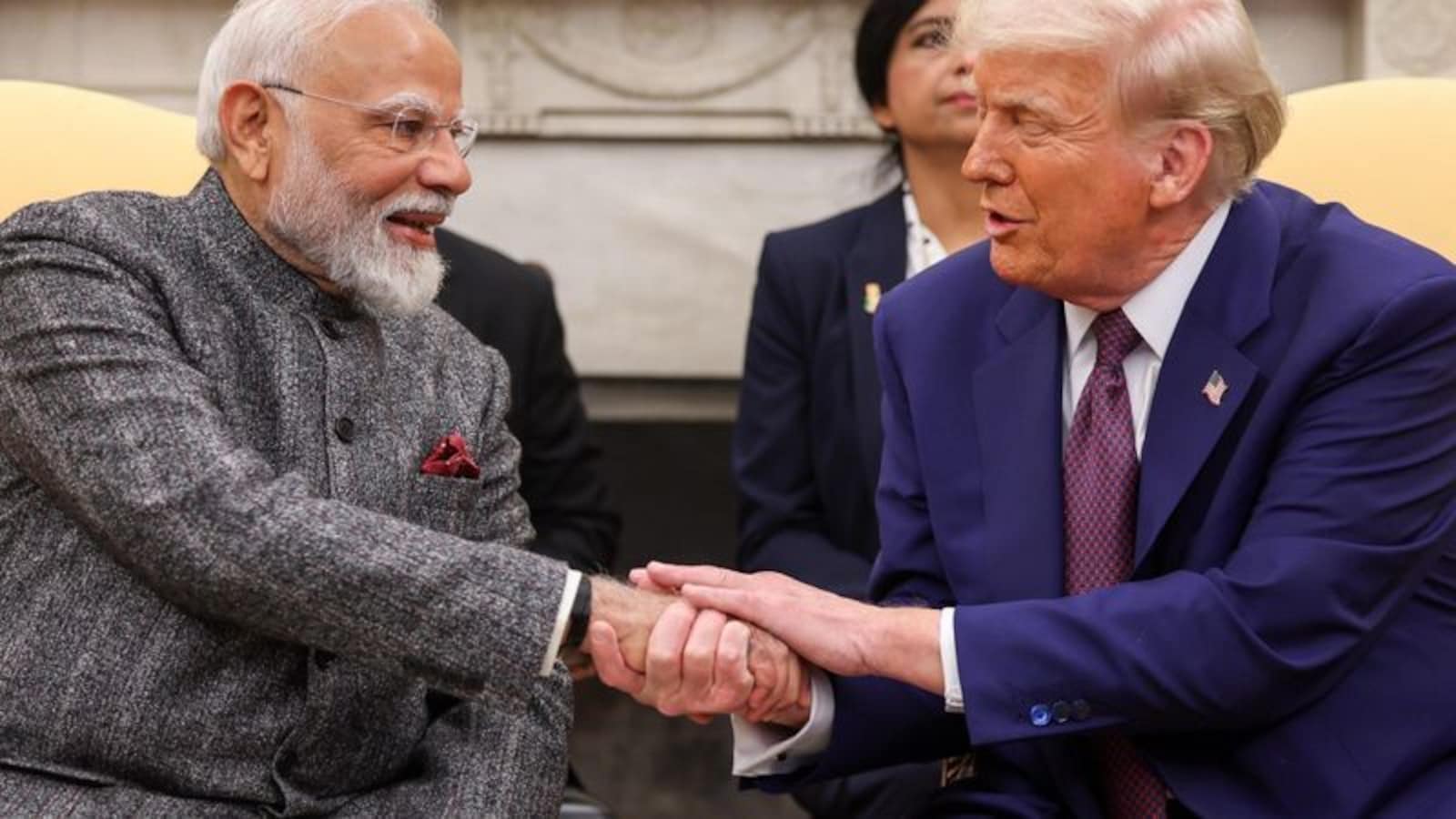
For India, joining the US-led AI supply chain initiative could represent an important opportunity to strengthen its role in the global technology ecosystem.
India has been working to expand its semiconductor manufacturing capabilities, attract investment in electronics production and develop infrastructure to support artificial intelligence.
Its participation in Pax Silica and the San Francisco Declaration could strengthen cooperation with major technology economies and create opportunities for Indian businesses to become part of more diversified international supply networks.
There are several potential benefits.
Greater semiconductor investment: Stronger international partnerships could encourage companies to explore manufacturing, assembly, testing and other semiconductor-related opportunities in India.
Access to critical technologies: Cooperation with trusted partners could improve India's access to advanced manufacturing knowledge, technological expertise and strategic infrastructure.
Growth of domestic AI infrastructure: The development of data centres, high-performance computing facilities and reliable energy networks could receive greater attention and investment.
Stronger critical mineral supply chains: India could benefit from partnerships aimed at diversifying the sourcing and processing of minerals required by advanced technology industries.
New opportunities for Indian companies: Domestic manufacturers, technology firms and startups could gain opportunities to participate in international AI and semiconductor projects.
India formally joined the broader Pax Silica initiative in February 2026 during the India AI Impact Summit, making the latest declaration another development in its growing engagement with international technology partnerships.
The move also comes amid expanding cooperation between India, the United States, Japan and Australia through the Quad framework. The four countries have announced plans to provide more than $85 million in technical and financial assistance to improve access to trusted AI infrastructure across the Indo-Pacific.
Washington has also announced a separate $10 million allocation to support critical minerals recycling initiatives in India and ASEAN member states.
Together, these developments highlight India's growing importance in regional technology and supply chain cooperation.
Can the Agreement Help India Become a Global AI Manufacturing Hub?
India has the potential to become a more significant player in the global semiconductor and AI ecosystem, but achieving that ambition will require more than signing international agreements.
Semiconductor manufacturing involves enormous capital investment, specialised equipment, skilled engineers, dependable infrastructure and access to critical raw materials.
India will need to strengthen its domestic manufacturing capabilities, improve access to advanced technologies and develop a reliable industrial ecosystem to compete with established semiconductor manufacturing destinations.
The country's growing technology workforce and expanding digital economy provide important advantages. However, building a competitive semiconductor industry will take sustained investment and long-term policy support.
Similarly, the expansion of AI infrastructure will require reliable electricity, high-capacity data centres, advanced computing hardware and stronger research and development capabilities.
The San Francisco Declaration could help accelerate these efforts by connecting India with international partners and potential investors. However, participation does not automatically guarantee semiconductor self-sufficiency or eliminate dependence on foreign technology.
The real test will be how effectively India translates international cooperation into domestic industrial capacity.
What Lies Ahead for the Global AI Supply Chain?
The growing importance of artificial intelligence is changing how governments view technology, manufacturing and economic security.
Semiconductors, rare earth minerals, energy infrastructure and data centres are no longer viewed merely as commercial resources. They are increasingly recognised as strategic assets that can influence national competitiveness and geopolitical power.
The San Francisco Declaration reflects this shift towards collective supply chain security and closer cooperation among countries seeking to protect their technological capabilities.
For India, the agreement offers an opportunity to strengthen its international partnerships, attract investment and expand its position in the global AI ecosystem.
However, the long-term impact will depend on implementation, investment and the ability of participating countries to build genuinely diversified supply networks.
As the US-China AI rivalry intensifies, securing access to advanced chips, critical minerals and computing infrastructure will become increasingly important.
India's participation in this US-led initiative could therefore prove significant—not only for its semiconductor ambitions but also for its broader aspiration to emerge as a major global technology and artificial intelligence hub.
© Copyright 2026. All Rights Reserved. Powered by Vygr Media.