 By
By 
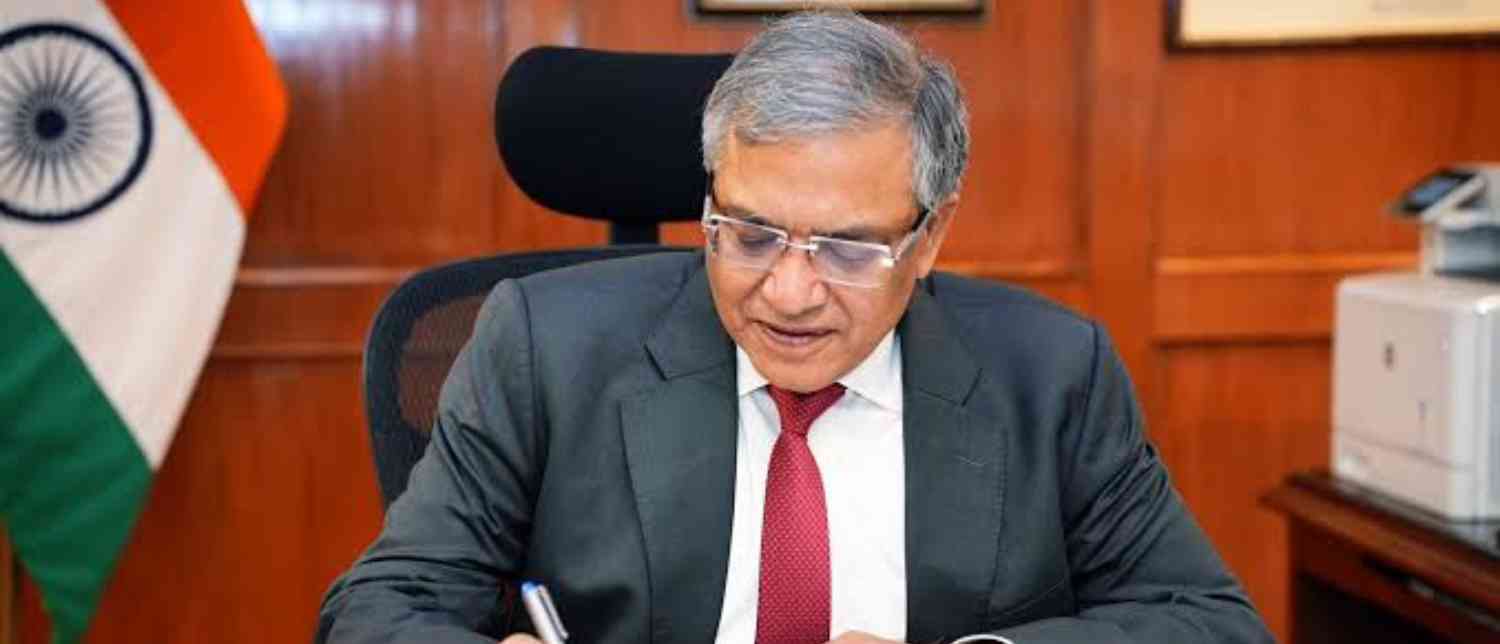
New Delhi: A controversy over changes to the voter-registration process has escalated into a wider political and institutional dispute surrounding Chief Election Commissioner Gyanesh Kumar and the functioning of the Election Commission of India (ECI).
At the heart of the controversy is the Special Intensive Revision (SIR) of electoral rolls, a nationwide exercise aimed at reviewing and updating voter lists. The dispute intensified after reports emerged that Election Commissioners Sukhbir Singh Sandhu and Vivek Joshi had recorded objections to several decisions concerning electoral rolls, voter registration, data management and the implementation of SIR.
According to the reported findings, the two Election Commissioners raised objections on at least 14 occasions over a period of 10 months. The disagreements reportedly included the modification of Form 6, the statutory application used by citizens to register as voters, as well as questions surrounding the centralised management of electoral-roll data.
The Election Commission has acknowledged that differing views were recorded during its internal deliberations but has rejected the suggestion that the disagreements amounted to a breakdown in decision-making. The poll panel has maintained that its final decisions were taken unanimously.
That distinction has become central to the political battle now unfolding around the ECI.
What is the Gyanesh Kumar controversy?
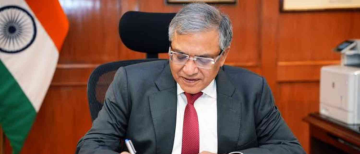
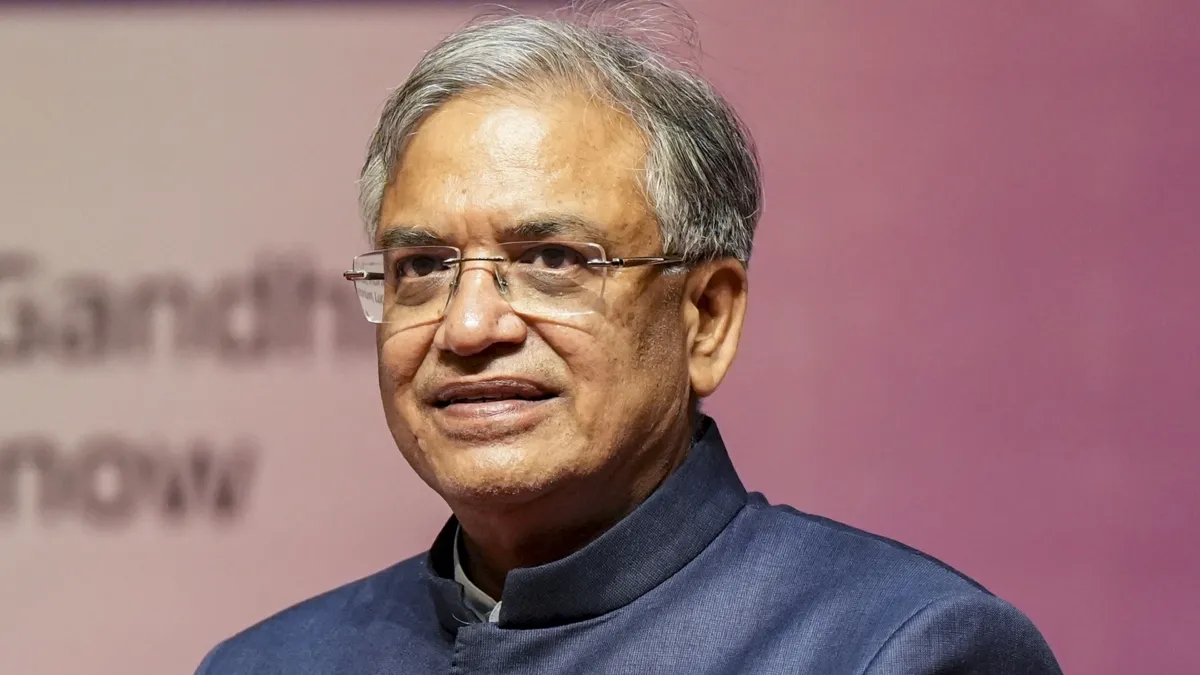
Gyanesh Kumar became Chief Election Commissioner in February 2025 after joining the Election Commission in March 2024. A 1988-batch IAS officer of the Kerala cadre, he previously held senior positions in the central government, including assignments in the Ministry of Home Affairs, Ministry of Defence, Ministry of Parliamentary Affairs and Ministry of Cooperation.
His earlier government responsibilities included work connected with decisions following the abrogation of provisions of Article 370 and the establishment of the Ram Janmabhoomi trust following the Supreme Court's verdict on the Ayodhya dispute. He retired as Secretary in the Ministry of Cooperation in January 2024 before joining the poll panel.
His appointment as CEC had already attracted political attention because he was the first person appointed to the post under the 2023 law that changed the composition of the selection committee. Under the new arrangement, the Chief Justice of India was replaced by a Union Cabinet minister, giving the government two members on the three-member selection panel.
The Supreme Court has also been examining challenges to the 2023 law, with a two-judge bench recently delivering differing opinions on whether the petitions challenging the legislation should be referred to a larger bench.
The latest controversy, however, is focused less on Kumar's earlier career and more on decisions taken by the Election Commission during the SIR exercise.
Why has Form 6 become so important?
Form 6 is the application used by individuals seeking registration as voters. It contains details such as the applicant's personal information, age, address and supporting documents. The form is prescribed under the Registration of Electors Rules, 1960.
In July 2026, the online version of Form 6 available through the ECI's ECINet platform was modified to include a declaration connected with the Special Intensive Revision.
The revised form asked applicants to identify whether their own name appeared in an electoral roll from the previous SIR, whether the name of a parent or grandparent appeared in such a roll, or whether neither their name nor the names of their parents appeared in the earlier list.
Although the declaration was described as non-mandatory, applicants reportedly could not complete the online form without responding to it. This became particularly significant for first-time voters and people whose families may not have appeared in electoral rolls dating back to previous intensive revisions.
The change itself might have appeared to be a technical modification. Instead, it became the most visible symbol of the larger dispute inside the poll panel.
According to the reported internal objections, the two Election Commissioners questioned whether such a change could be made administratively because Form 6 is prescribed under statutory rules.
Their argument, as reported, was that changes to a statutory form would require the appropriate legal and governmental process rather than simply an alteration to an online version of the form. Section 28 of the Representation of the People Act, 1950, provides the framework under which the relevant rules are made and amended.
The Election Commission subsequently defended the process, saying that internal observations and disagreements are a normal component of deliberations within a multi-member constitutional body.
What did the two Election Commissioners object to?
The controversy is broader than Form 6.
The reported objections covered several aspects of electoral-roll management, including the addition of new voters, deletion and restoration of names, appeals against decisions concerning electoral rolls, management of voter information and centralised access to electoral databases.
The reports indicate that Sandhu and Joshi recorded objections at least 14 times during the 10-month period under examination, with several objections reportedly concerning decisions they believed had been taken without their knowledge.
One particularly important area was the management of electoral-roll software and data.
Questions were reportedly raised about the centralisation of access to voter databases and changes in the way responsibilities relating to the information-technology infrastructure were handled. The issue matters because electoral rolls contain the basic information determining who is eligible to vote, making the systems used to manage those records a sensitive part of the election process.
The controversy therefore extends beyond a single form or administrative instruction. It has raised broader questions about how decisions are discussed, recorded and implemented within the country's constitutional election machinery.
Does disagreement mean the ECI decisions were not unanimous?
This is one of the key questions at the centre of the dispute.
The Election Commission has not denied that written observations and objections were made. Instead, it has argued that such exchanges are part of the normal functioning of a multi-member institution.
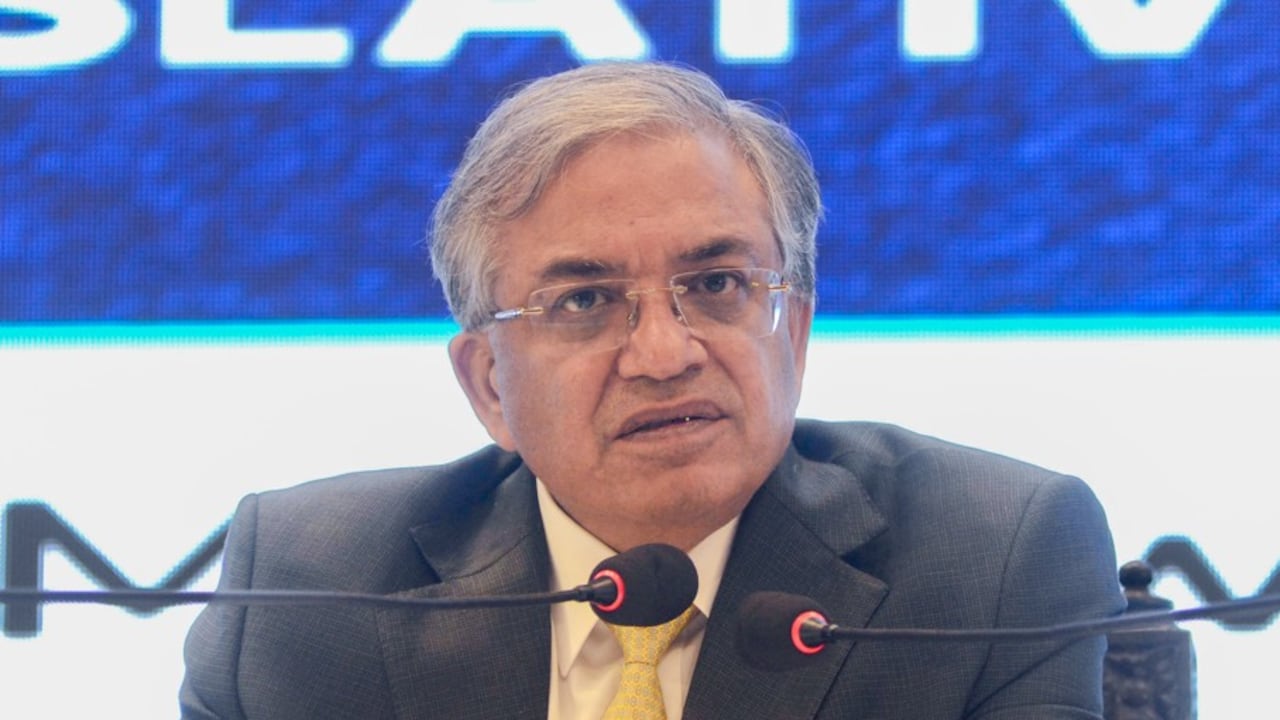
The poll panel has maintained that the final decisions taken by the full Commission were unanimous, despite differences expressed during the deliberative process. It has also argued that focusing on selected internal notes from a 10-month period does not present the complete picture of the Commission's functioning.
The distinction is important.
A commissioner recording an objection during internal deliberations does not automatically establish that the final decision of the Commission was taken without that member's approval. At the same time, repeated written objections on issues directly affecting voter registration and electoral-roll management raise legitimate questions about the nature and extent of disagreement within the institution.
The controversy is consequently not simply about whether dissent existed. It is about what those objections reveal about the decision-making process and whether the internal disagreements had any effect on the final implementation of electoral policies.
Why has SIR become such a political flashpoint?
The Special Intensive Revision has been one of the most consequential electoral exercises undertaken by the ECI in recent years.
Its stated purpose is to identify and correct problems in electoral rolls, including duplicate entries, deceased voters, people who have shifted residence and other discrepancies. The process is also intended to ensure that eligible citizens remain on the electoral rolls.
But the scale of the exercise has generated political and legal scrutiny.
In West Bengal, for example, the ECI told the Supreme Court that more than 27 lakh voters had been removed during the SIR process and that more than 22 lakh of those voters had subsequently filed appeals seeking inclusion. The Commission has attributed deletions to categories including absentee, shifted, deceased and duplicate entries, while the dispute over the process remains under judicial and political scrutiny.
The issue has therefore become highly sensitive because electoral-roll revision directly affects an individual's ability to participate in an election.
Opposition parties have alleged that the SIR process could result in eligible voters being excluded. They have also questioned whether the exercise has been implemented with sufficient safeguards.
The Election Commission has rejected allegations that it is deliberately excluding eligible voters or favouring any political party.
Congress and Opposition intensify attack
The emergence of the reported internal objections transformed the SIR debate into a broader political confrontation.
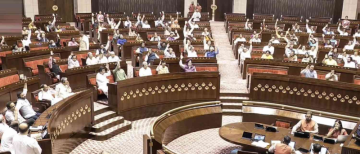
Congress and several other Opposition parties have demanded action against Gyanesh Kumar, including calls for his removal and an independent investigation into the issues raised in the reported objections.
Congress leader Rahul Gandhi has accused the BJP, the RSS and the Election Commission of involvement in what he describes as "vote chori", while arguing that alleged electoral irregularities pose a threat to constitutional democracy. Other Opposition parties, including the Trinamool Congress, Samajwadi Party and Aam Aadmi Party, have also raised questions about the functioning of the poll panel.
Some Opposition leaders have gone further, demanding suspension or removal of the CEC and a halt to the SIR exercise.
These are political allegations, however, and have not been accepted by the Election Commission. The poll panel has maintained that its actions have followed the applicable legal and administrative framework.
What is the BJP's position?
The BJP has rejected the Opposition's interpretation of the controversy.
The party has argued that differences and objections during institutional deliberations do not establish that the final decisions of the Election Commission were improper or lacked collective approval.
The BJP has also sought to place the dispute in a wider context by pointing to the political history of appointments to constitutional institutions and arguing that individual disagreements should not automatically be portrayed as evidence of institutional capture.
The central government and ruling party have rejected the broader allegations that the SIR exercise is designed to manipulate electoral outcomes.
The competing positions have created two sharply different interpretations of the same developments: the Opposition sees the reported objections as evidence of serious internal concerns, while the government and the ECI describe them as part of a normal deliberative process.
The public image of a united Election Commission
One of the more striking aspects of the controversy is that the reported internal disagreements did not prevent the three-member Election Commission from appearing together publicly.
During the period in which the objections were reportedly recorded, the commissioners continued to participate in joint briefings and public programmes.
Reports indicate that the three commissioners appeared together at several important public events even while internal objections were being recorded. The Election Commission has used this broader record to argue that the institution continued to function collectively.
This has added another layer to the debate.
For critics, the reported written objections suggest that the public appearance of institutional unity may not have reflected the full extent of internal debate.
For the ECI, however, disagreement during deliberations is not incompatible with collective decision-making once the final position is settled.
The distinction between internal dissent and final institutional action is likely to remain central to the controversy.
Why Gyanesh Kumar's background is under scrutiny
The controversy has also revived attention on Kumar's career because of the political sensitivity of his earlier government assignments.
His profile includes senior responsibilities in areas that were closely associated with major decisions of the Narendra Modi government. He worked in the Home Ministry following the abrogation of Article 370 and was involved in matters relating to the establishment of the Ram Janmabhoomi trust. He later served as Secretary in the Ministries of Parliamentary Affairs and Cooperation.
His appointment as CEC had already been questioned by Opposition parties because of the changed selection mechanism introduced by the 2023 law.
The latest dispute has therefore brought together two separate issues: questions about the structure through which the CEC is appointed and questions about the functioning of the Commission under his leadership.
Whether those issues are connected is itself part of the political debate.
What happens next?
The controversy is unlikely to end with the debate over Form 6.
The immediate questions concern the reported objections by the two Election Commissioners, the legal basis for changes to the voter-registration process and the manner in which SIR-related decisions are being implemented.
The wider issue is institutional: how should a constitutional body such as the Election Commission handle disagreements among its members, and how much of that internal decision-making should be transparent to the public?
The Election Commission has defended its record and said that its final decisions have been unanimous. The Opposition, meanwhile, is demanding greater transparency and accountability.
For voters, the most important question is ultimately practical: whether the electoral-roll revision process protects the right of every eligible citizen to remain on the rolls while removing entries that genuinely do not belong there.
The controversy over Gyanesh Kumar, Form 6 and SIR has therefore moved beyond an argument over an online form. It has become a test of public confidence in the systems that maintain India's electoral rolls and, more broadly, in the institutional processes through which election-related decisions are made.
As legal scrutiny, political demands and questions over internal ECI deliberations continue, the coming weeks could determine whether the controversy remains a political confrontation or develops into a larger institutional debate over electoral transparency, accountability and the independence of India's election machinery.
With input from agencies
Image Source: Multiple agencies
© Copyright 2026. All Rights Reserved. Powered by Vygr Media.