 By
By 
The political earthquake triggered by Raghav Chadha’s dramatic exit from the Aam Aadmi Party (AAP) and subsequent entry into the Bharatiya Janata Party (BJP) is not just another episode of party-switching in Indian politics—it is a revealing moment of reckoning for a party that once claimed moral exceptionalism. The cascading resignations of seven AAP Rajya Sabha MPs, the public criticism from figures like Anna Hazare, and the intense backlash from a digitally savvy youth base together form a narrative that goes far beyond individual ambition. It is, at its core, a story about credibility, perception, and the fragility of political branding.
For years, AAP positioned itself as a counterweight to traditional politics—clean, transparent, and rooted in grassroots activism. Led by Arvind Kejriwal, the party drew legitimacy from its anti-corruption origins and its association with the India Against Corruption movement. That moral capital, however, appears to have eroded significantly. The recent developments suggest not merely a political setback but a deeper crisis of identity.
The Domino Effect: A Rebellion Unfolds
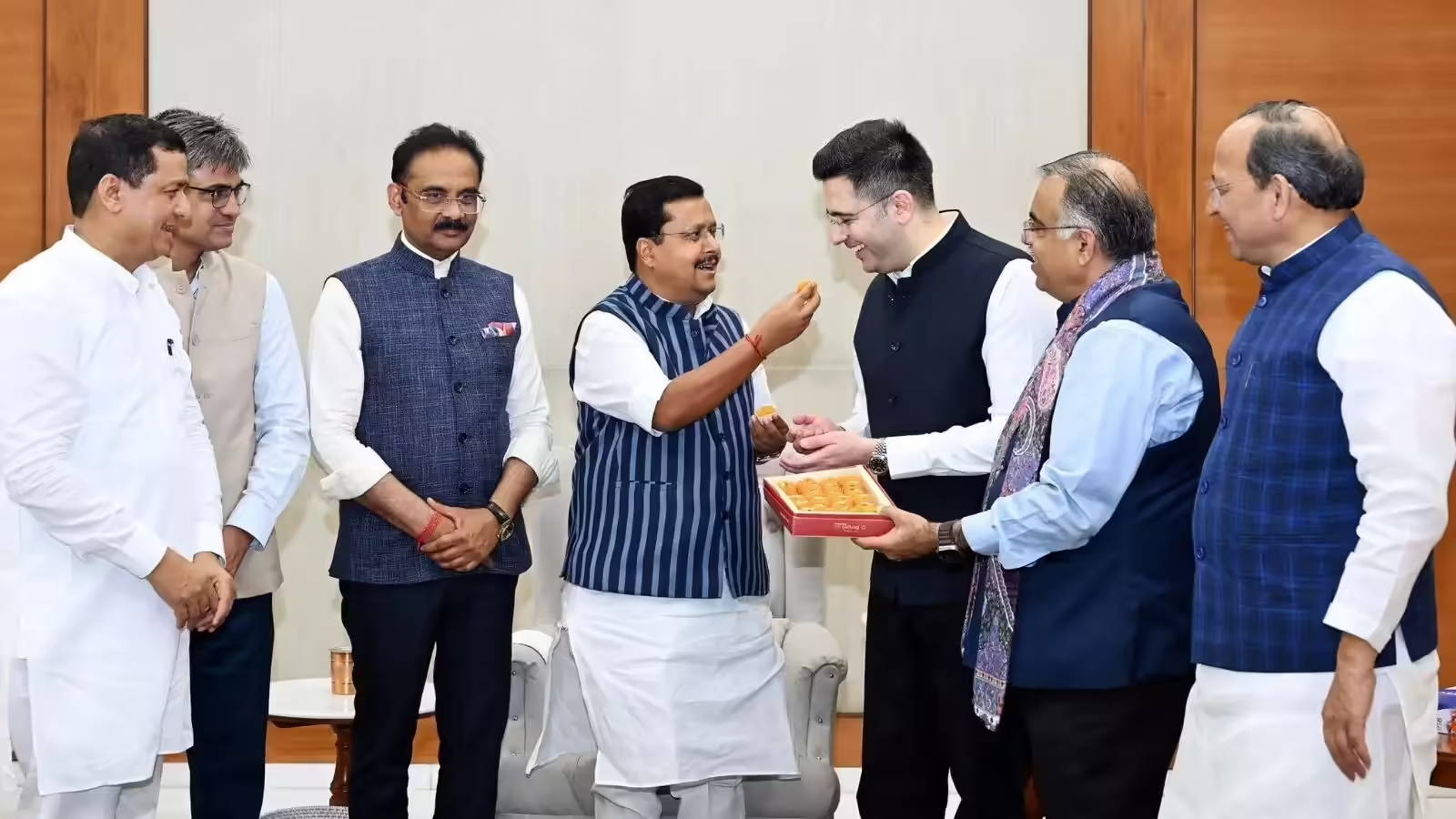
The departure of Raghav Chadha was not an isolated act of dissent. It came as part of a coordinated exodus involving multiple senior leaders, exposing fractures that had been quietly widening within the party. Reports indicate that internal disagreements had been simmering for months, particularly over leadership style, decision-making centralization, and the party’s strategic direction.
Chadha, once seen as one of AAP’s brightest young faces and a key architect of its expansion strategy, did not leave quietly. His exit, coupled with that of six other Rajya Sabha MPs, signaled a rebellion with both ideological and organizational undertones. The fact that these leaders chose to align with the BJP—a party AAP has consistently positioned itself against—only amplified the political shockwaves.
This was not just defection; it was a public indictment.
Leadership Under Fire
The criticism from Anna Hazare added a layer of symbolic weight to the crisis. Hazare, who had once been the moral anchor of the anti-corruption movement that birthed AAP, openly blamed the party’s leadership for the exodus. His remarks suggested that AAP had strayed from its founding principles, becoming indistinguishable from the very political culture it once opposed.
Such criticism is particularly damaging because it strikes at the heart of AAP’s identity. Unlike traditional parties that rely on legacy or ideology, AAP’s legitimacy has always rested on ethical differentiation. When that perception weakens, the party’s entire narrative becomes vulnerable.
The “Sheesh Mahal” Factor and Image Collapse
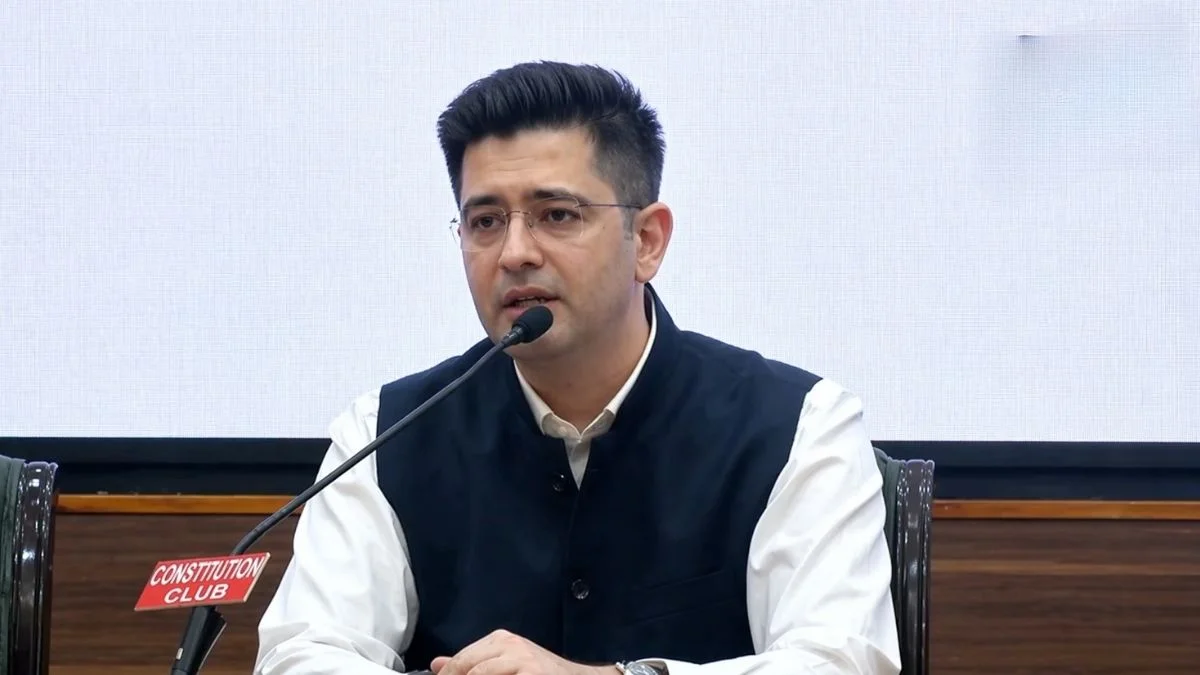
Adding to the party’s troubles was the controversy surrounding the so-called “Sheesh Mahal”—a term used by critics to describe alleged extravagance linked to Kejriwal’s residence. According to Raghav Chadha himself, this issue played a significant role in damaging AAP’s public image, particularly in Delhi, where the party suffered a notable electoral defeat.
The symbolism here is hard to ignore. A party that built its brand on austerity and accountability found itself accused of indulgence and hypocrisy. Whether the allegations are fully substantiated or not becomes almost secondary; in politics, perception often outweighs fact.
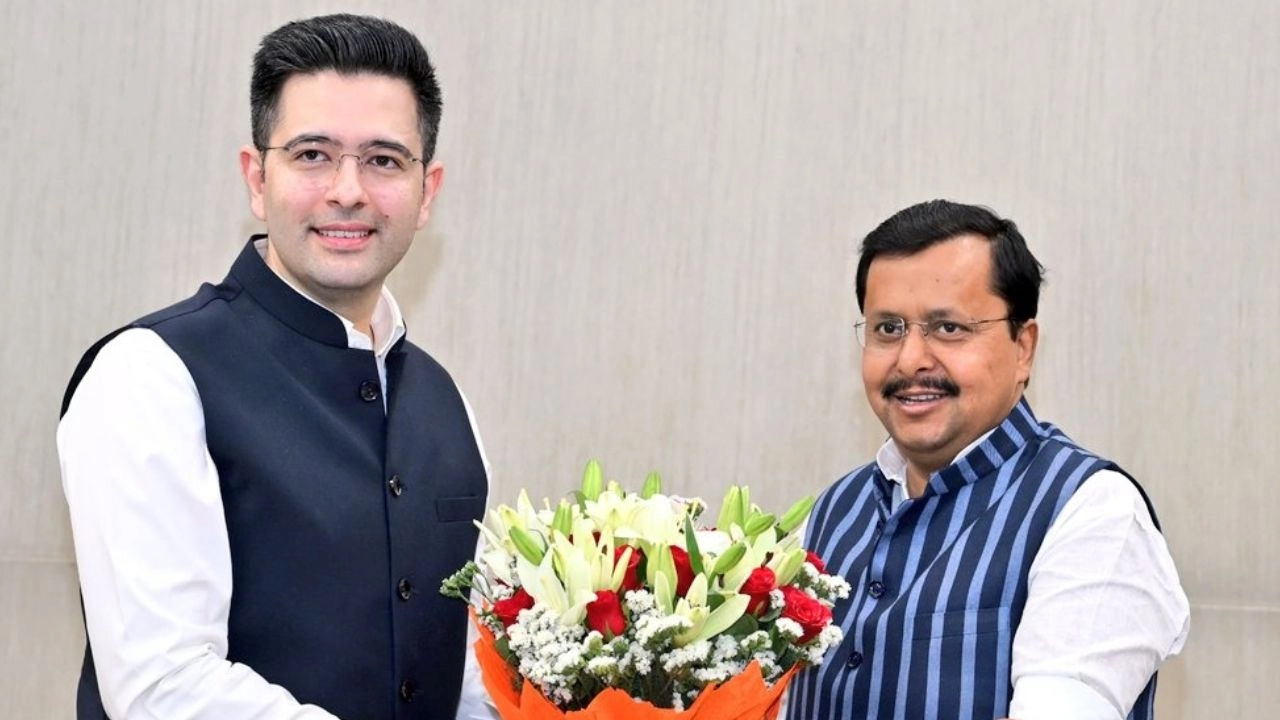
Chadha’s acknowledgment of this reputational damage is telling. It suggests that internal dissent was not merely about power struggles but also about a growing discomfort with the party’s public positioning. When leaders begin to feel that the brand they represent no longer aligns with their values—or is no longer credible to voters—fractures become inevitable.
The Social Media Backlash: A Generational Shift
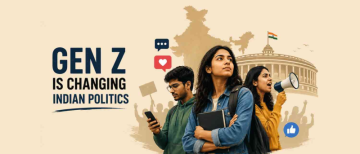
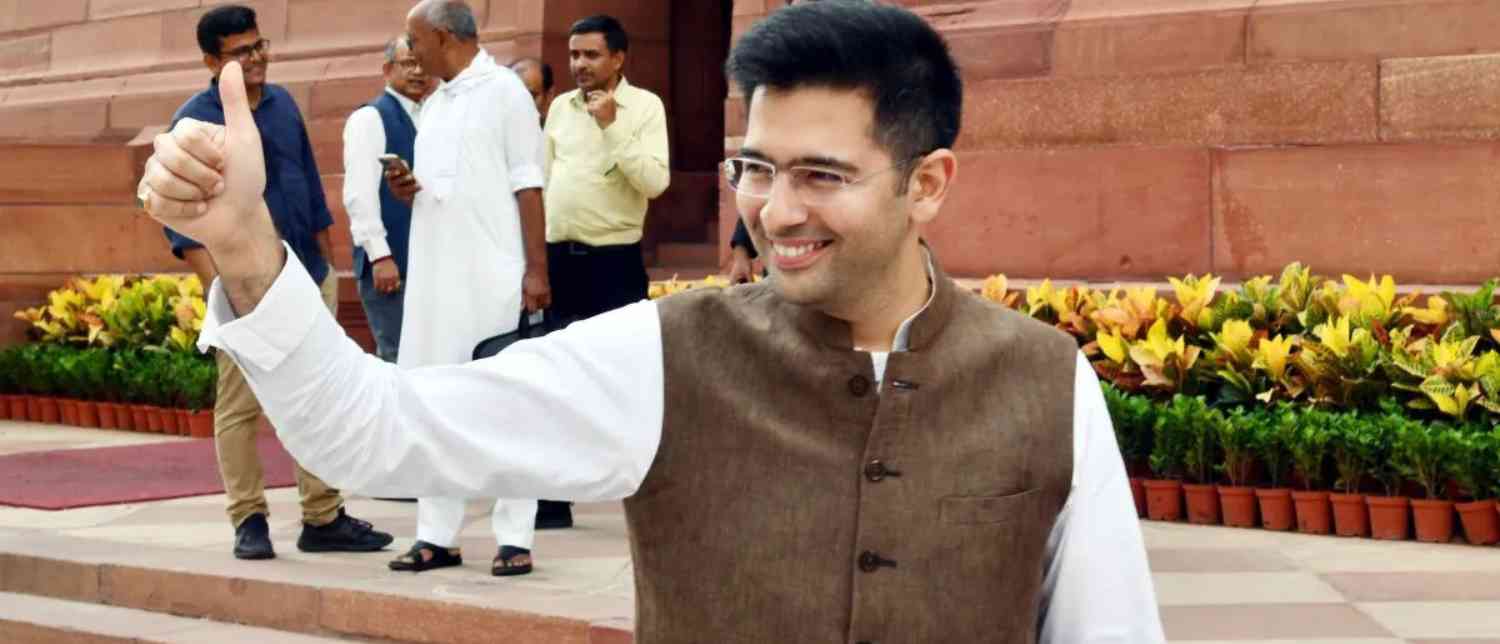
Perhaps the most striking dimension of this episode is the reaction from young voters. Raghav Chadha, often described as a Gen Z icon due to his articulate communication and modern political style, faced an immediate and severe backlash online after joining the BJP.
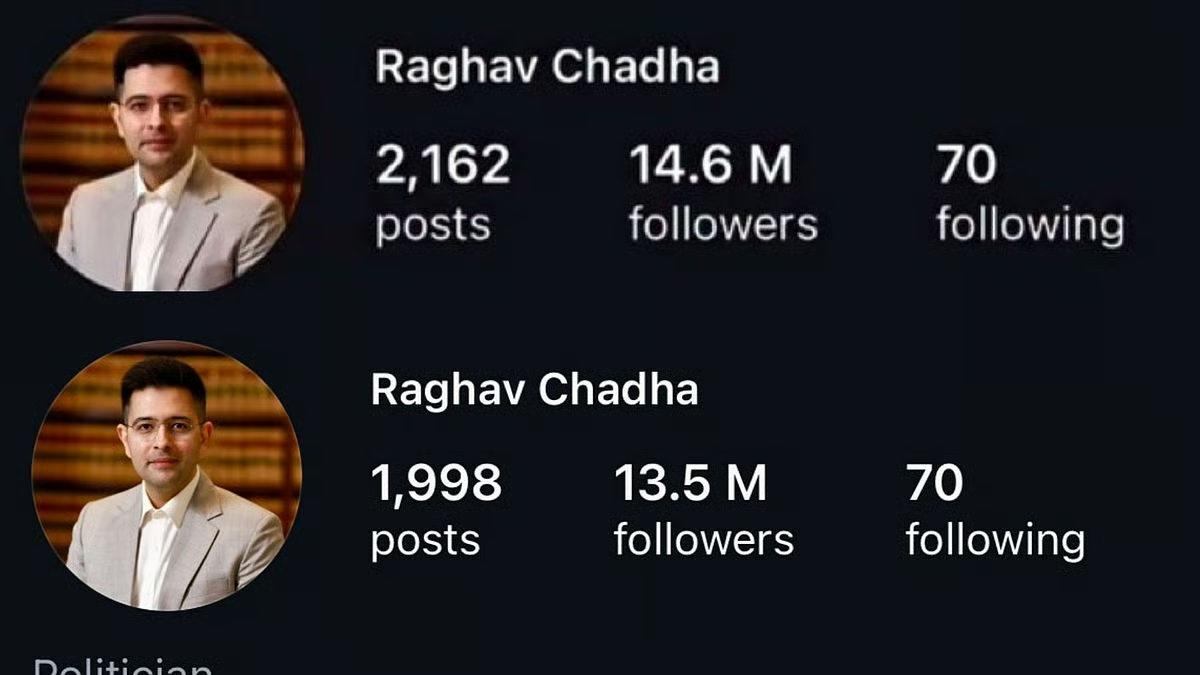
He reportedly lost over a million followers on social media platforms like Instagram within days. His accounts were flooded with critical comments, many accusing him of opportunism and betrayal. This digital backlash is significant not just for its scale but for what it represents: a shift in how political loyalty and authenticity are judged in the age of social media.
For a generation that values transparency and consistency, political defection—especially to an ideological rival—can appear deeply cynical. Chadha’s move, therefore, did not just cost him followers; it risked eroding the very persona that had made him influential among young voters.
At the same time, this reaction also reveals the double-edged nature of digital popularity. The same platforms that elevate politicians can quickly turn against them, amplifying dissent in real time. In this sense, the backlash is less about Chadha alone and more about the evolving expectations of political accountability in a hyper-connected world.
AAP’s Structural Challenges
Beyond individual exits and controversies, the episode exposes deeper structural issues within AAP. The concentration of power within a small leadership circle has long been a point of criticism. Decision-making processes are often perceived as opaque, and dissent within the party has historically been met with resistance rather than accommodation.
The recent rebellion suggests that these concerns have reached a tipping point. When multiple senior leaders choose to leave simultaneously, it indicates not just dissatisfaction but a lack of viable channels for internal resolution.
Moreover, the party’s rapid expansion—particularly into states like Punjab—may have outpaced its organizational capacity. Managing a national political presence requires robust internal systems, clear communication, and a cohesive vision. The current crisis suggests that these elements may not have evolved at the same pace as the party’s ambitions.
The BJP’s Strategic Gain
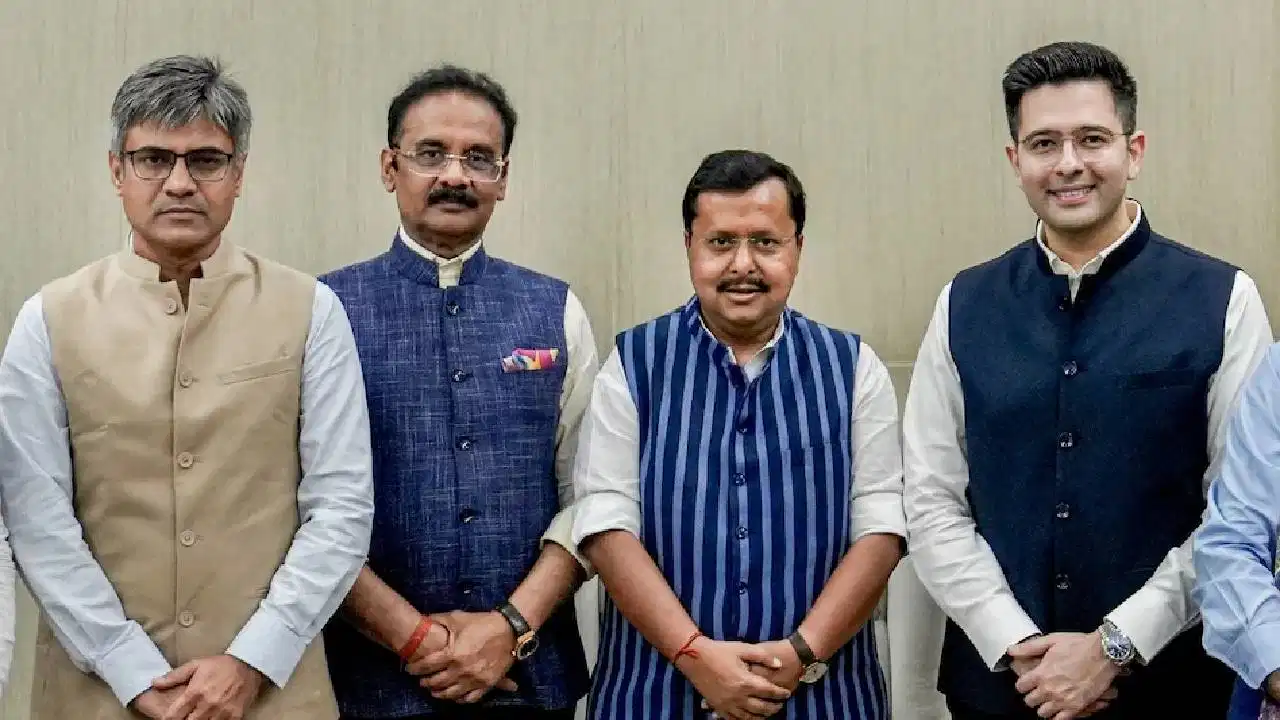
From the BJP’s perspective, the situation represents a strategic opportunity. The induction of leaders like Raghav Chadha allows the party to strengthen its bench with experienced parliamentarians who bring both administrative knowledge and public visibility.
It also serves a symbolic purpose. By absorbing prominent figures from a rival party that once positioned itself as an alternative to both the BJP and Congress, the BJP reinforces its narrative of political dominance. Every high-profile defection adds to the perception that it is the natural destination for ambitious politicians.
However, this strategy is not without risks. Integrating leaders from ideologically different backgrounds requires careful management to avoid internal friction. The BJP’s ability to absorb and effectively utilize these new entrants will be a key factor in determining the long-term impact of these developments.
The Larger Political Narrative
What makes this episode particularly compelling is how it encapsulates broader trends in Indian politics. Party-switching is not new, but the scale and visibility of this rebellion highlight a growing fluidity in political alignments. Ideological boundaries, once seen as relatively stable, are increasingly porous.
At the same time, voter expectations are evolving. The backlash against Raghav Chadha underscores a demand for consistency and authenticity that transcends traditional party loyalties. In an era where information flows instantly and narratives are shaped in real time, political credibility is both more valuable and more fragile than ever.
A Moment of Reckoning
For AAP, this is undeniably a moment of reckoning. The party must confront difficult questions about its leadership, its internal dynamics, and its public image. Rebuilding credibility will require more than damage control; it will demand a genuine reassessment of its values and practices.
Can it return to its roots as a movement-driven party, or has it irreversibly transitioned into the kind of political entity it once opposed? The answer will determine not just its electoral prospects but its relevance in the broader political landscape.
Beyond One Leader
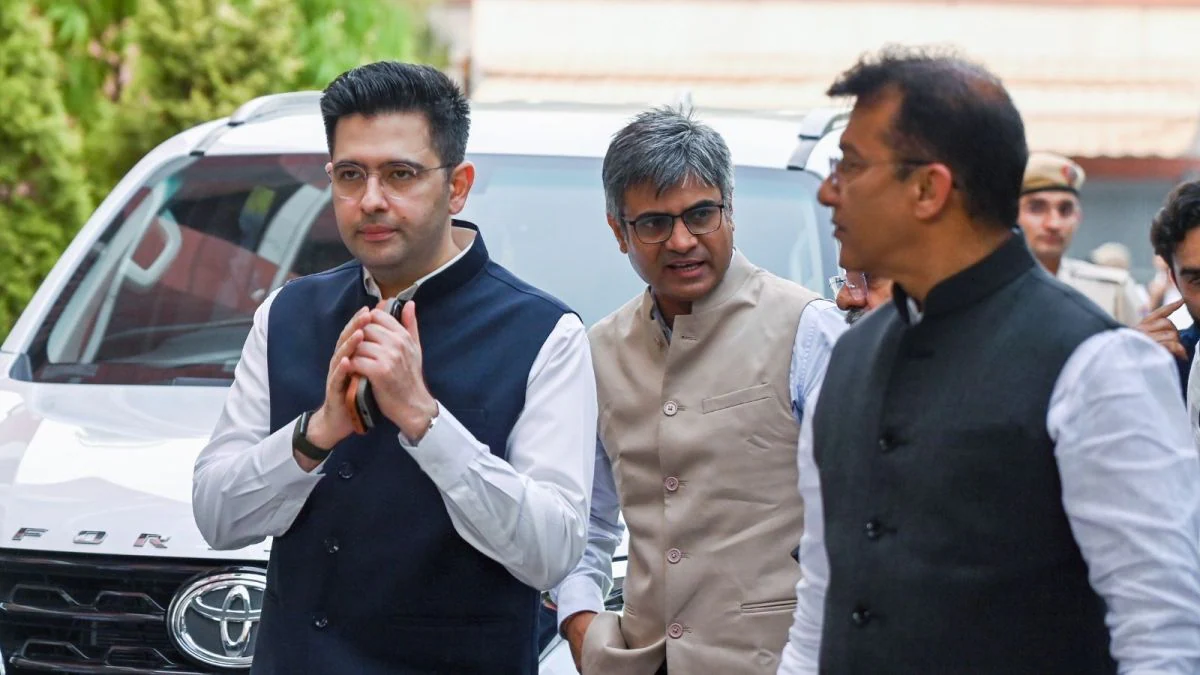
It would be easy to frame this story as one man’s political gamble. But that would miss the larger point. The departure of Raghav Chadha and his colleagues is less about individual ambition and more about systemic stress within a party that once promised to redefine Indian politics.
The backlash, the criticism, the electoral setbacks—all point to a deeper disconnect between promise and practice. In that sense, this episode is not just about AAP or the BJP; it is about the evolving nature of political accountability in India.
The real question now is not who gained or lost in this immediate power play, but whether political parties can adapt to a landscape where credibility is constantly tested—and where voters, especially the young, are watching more closely than ever.
With inputs from agencies
Image Source: Multiple agencies
© Copyright 2026. All Rights Reserved. Powered by Vygr Media.