 By
By 
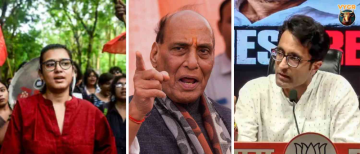
Neha Bora news: The emergence of All India Students’ Association (AISA) president Neha Bora as a prominent face of Congress-led protests has triggered an internal debate within the party. While Rahul Gandhi’s growing engagement with student activists highlights the Opposition’s efforts to connect with young people, the prominence given to a leader from a Left-aligned student organisation has reportedly left sections of the Congress’s student wing, the National Students’ Union of India (NSUI), feeling sidelined.
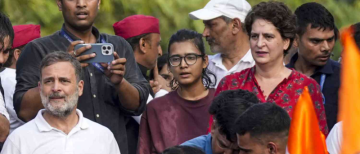
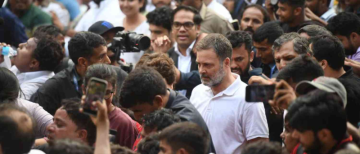
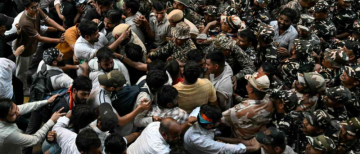
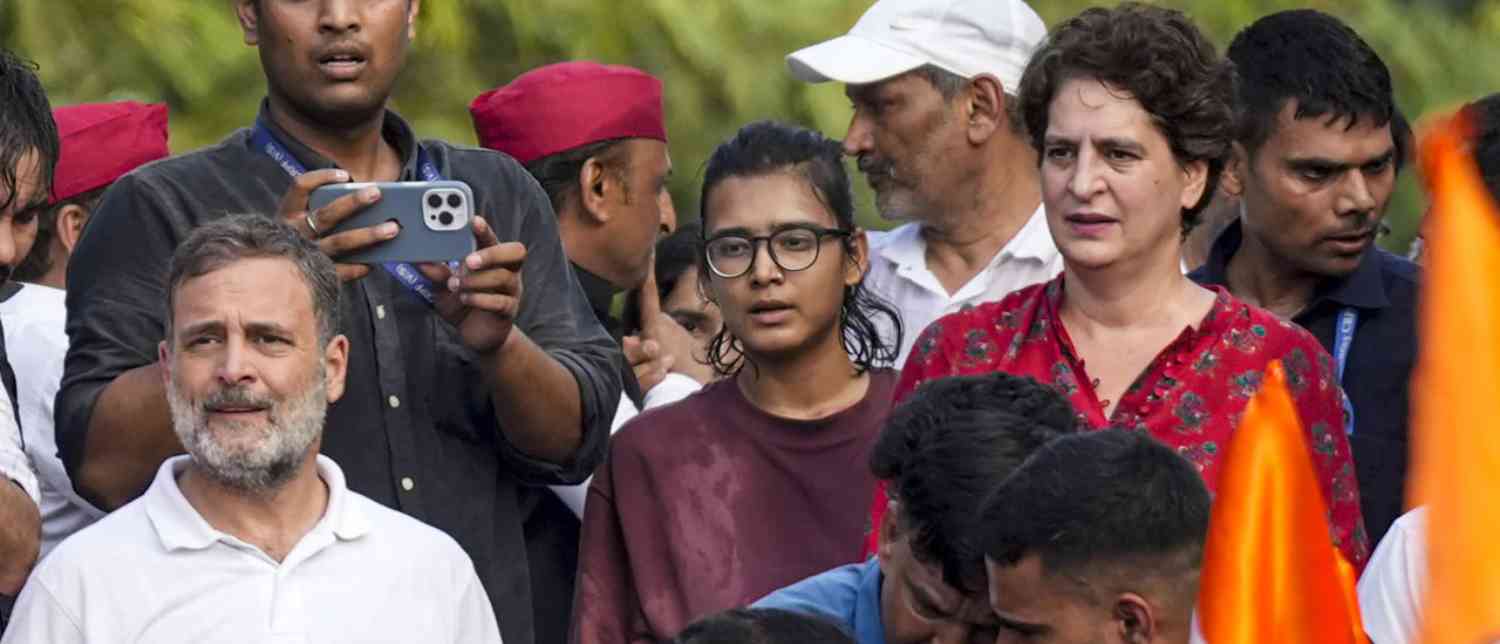
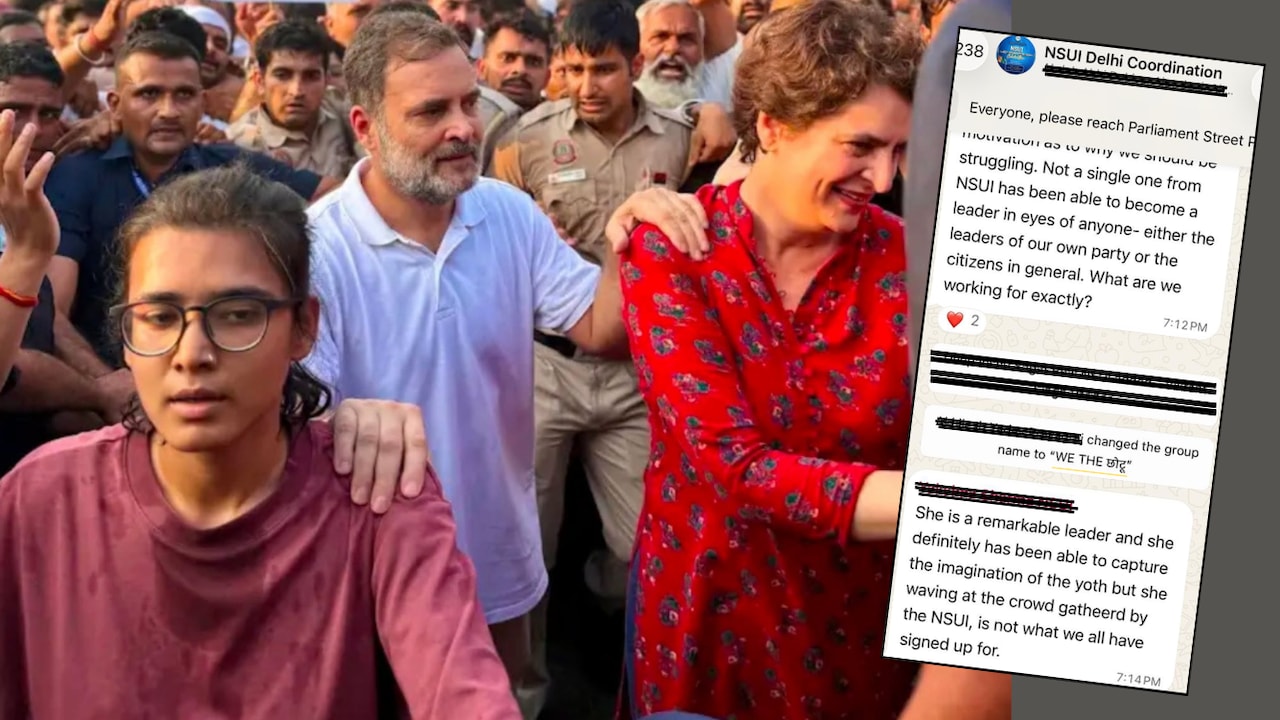
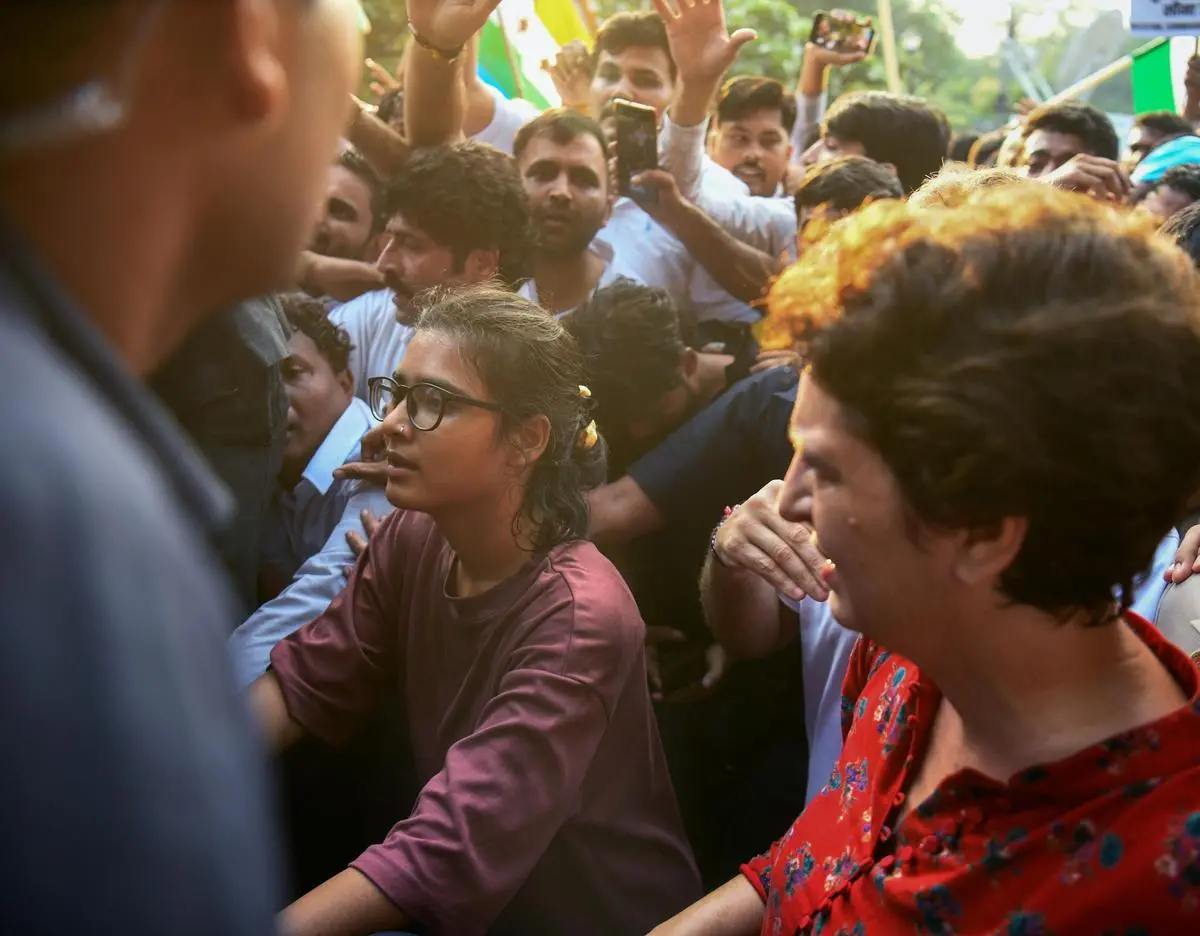
The controversy intensified after the Opposition’s October 12 march to the Supreme Court in New Delhi, where Bora was seen walking alongside Rahul Gandhi and Priyanka Gandhi Vadra. Her visibility at subsequent meetings and press conferences further fuelled questions about the Congress’s political priorities, its relationship with Left-wing organisations, and the role of its own youth leaders.
At the heart of the dispute lies a delicate balancing act: can the Congress expand its appeal among young protesters and activists without alienating the student workers who have spent years building the party’s grassroots presence?
Neha Bora’s Rise Puts Her at the Centre of Opposition Politics
Neha Bora’s emergence on the national political stage reflects the growing visibility of student-led protests and youth activism in India. As president of the All India Students’ Association, a Left-aligned student organisation associated with the Communist Party of India (Marxist-Leninist) Liberation, Bora has become a recognisable figure in demonstrations involving young people and opposition groups.
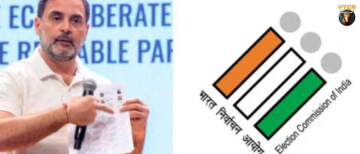
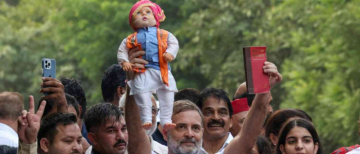
Her profile received a significant boost during the October 12 Opposition march to the Supreme Court. Leaders of the INDIA bloc participated in the demonstration to raise concerns over electoral rolls and alleged irregularities linked to the Special Intensive Revision (SIR) exercise. Opposition parties have questioned the revision process and alleged that voter deletions threaten electoral fairness, claims that remain politically contested.
During the march, Bora walked alongside Congress leaders Rahul Gandhi and Priyanka Gandhi Vadra. Images showing her in close proximity to the Congress leadership quickly attracted attention, turning the student activist into a prominent face of the demonstration.
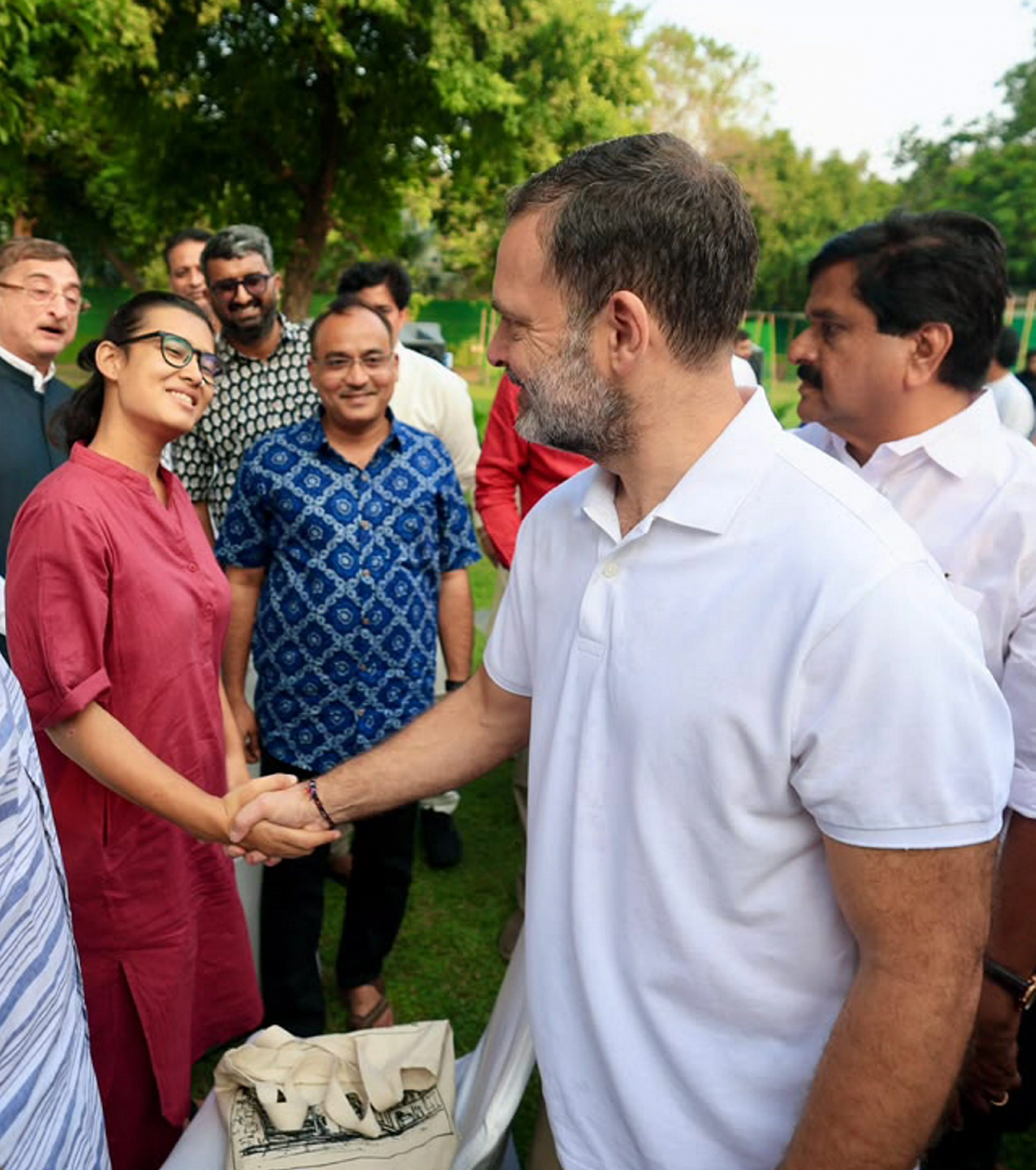
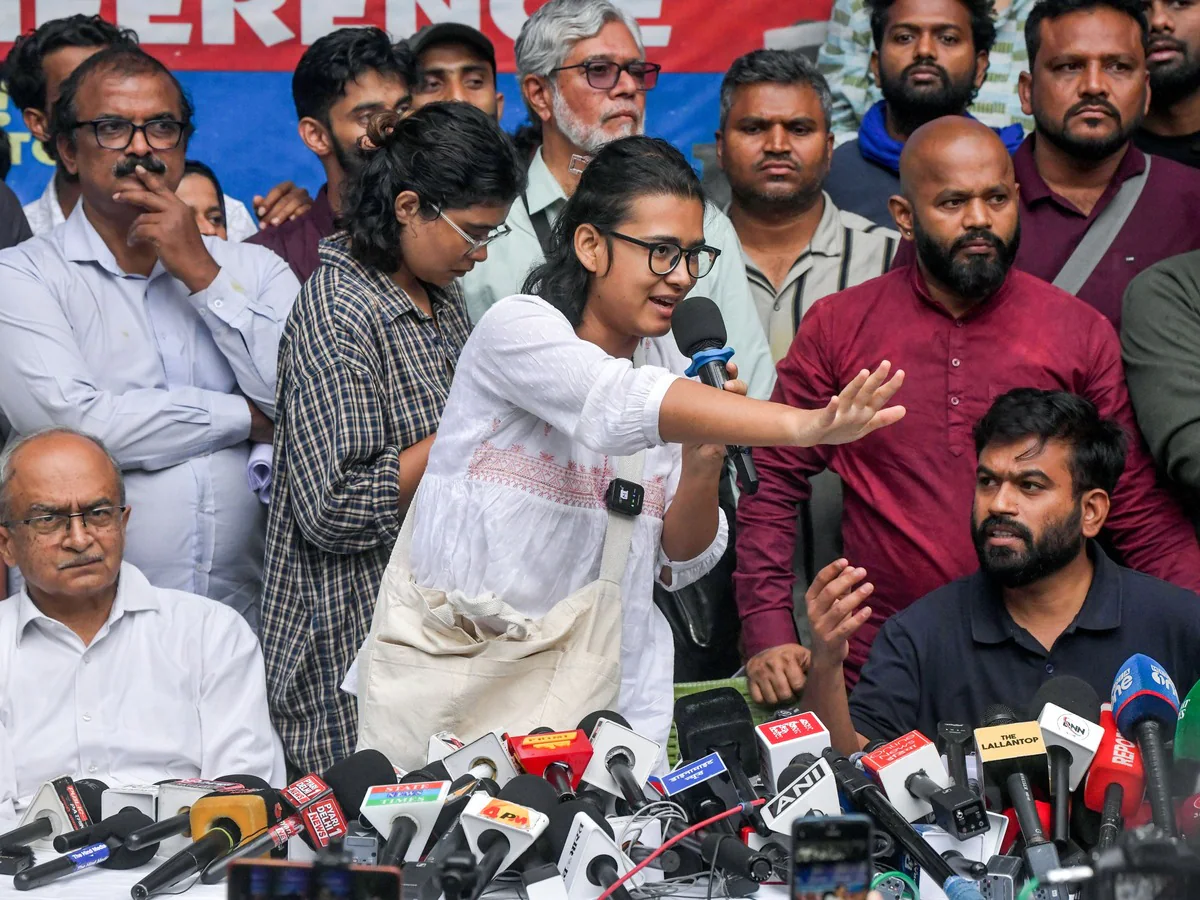
Her presence was not limited to the march. Bora was also seen among leaders participating in subsequent political engagements, including a meeting at Rahul Gandhi’s residence and a press conference where she was given an opportunity to speak.
For the Congress, which has sought to strengthen its connection with young people, unemployment concerns, educational issues and public dissatisfaction, Bora’s visibility presents an opportunity to engage with an active section of the protest movement. However, it has also created friction within the party’s organisational structure.
Why Neha Bora’s Prominence Has Upset NSUI Leaders
The National Students’ Union of India, the Congress’s student wing, has reportedly expressed dissatisfaction over the prominence given to Bora during the protests.
NSUI members and office-bearers had participated in the demonstrations alongside other Congress and INDIA bloc workers. Some reportedly questioned why a leader from a separate, ideologically Left-aligned student organisation received such a prominent position while members of the Congress’s own student wing felt overlooked.
The discontent reportedly became visible when an NSUI member changed the name of the organisation’s official WhatsApp group to “WE THE Chhotu”. The expression conveyed a sense of being treated as junior helpers or errand-runners rather than as central participants in the political mobilisation.
The group name reportedly remained unchanged for around three days before being restored following a meeting between NSUI office-bearers and Rahul Gandhi.
The episode revealed an organisational tension that extends beyond one protest or one student leader. For party workers who mobilise crowds, organise demonstrations and maintain local networks, visibility alongside senior leaders can be an important form of recognition.
When a leader from another organisation appears to receive greater prominence, it can raise questions about internal hierarchy, political credit and the value attached to years of grassroots work.
The resentment does not necessarily indicate a complete breakdown in relations between the Congress and NSUI. Instead, it highlights the challenge of managing expectations within a large political organisation while working with groups that have their own leadership, priorities and ideological identities.
Rahul Gandhi’s Response: A Message About Credit and Commitment
Rahul Gandhi’s reported response to the discontent offered a glimpse into how the Congress leadership views political participation and recognition.
At a meeting with members of the NSUI, Indian Youth Congress and Seva Dal, Gandhi reportedly told younger party colleagues that those who joined the Congress primarily to seek credit were in the wrong party. The message appeared to emphasise collective work over individual visibility.
The intervention came after concerns emerged over Bora’s prominent role during the protests and her repeated appearances alongside senior Congress leaders. Her participation had become a talking point even as NSUI members continued to play a role in organising and supporting the demonstrations.
For the Congress leadership, the immediate priority appears to be maintaining cooperation among groups participating in the wider Opposition movement. The party has frequently worked with organisations whose ideological positions and political affiliations differ from its own, particularly when the groups share common concerns about the government or democratic institutions.
Yet, the episode also highlights the limits of that approach. While senior leaders may view joint platforms as an opportunity to build a broader coalition, party workers can interpret the same arrangements through the lens of internal recognition and organisational influence.
Gandhi’s reported remarks may help settle immediate grievances, but the underlying question remains: how can the Congress recognise its own workers while making room for new voices in a changing political landscape?
What Neha Bora’s Rise Means for the Left
Bora’s growing prominence also carries implications for Left-wing politics in India. Student organisations associated with the Left have maintained a presence in university politics, even as Left parties have struggled to retain their earlier electoral influence across much of the country.
Her emergence during the recent protests offers the Left an opportunity to participate in a wider political conversation that extends beyond traditional party structures and campus organisations.
The demonstrations have brought together student activists, opposition politicians and other groups around concerns involving electoral processes and democratic accountability. In this environment, Bora’s visibility could help draw attention to issues raised by young protesters while providing the Left with a more prominent place in national opposition politics.
CPI(ML) Liberation general secretary Dipankar Bhattacharya has viewed the wider student and youth agitation as an opportunity to move beyond conventional electoral alliances towards a broader platform for political movements.
That approach reflects a potential shift in how opposition groups build public engagement. Rather than relying exclusively on established political leaders, parties may seek to work with activists who have developed visibility through protests, campus mobilisation and public campaigns.
However, greater prominence at demonstrations does not automatically translate into a stronger electoral base. The Left still faces the challenge of converting activism and public attention into sustained political support.
Bora’s rise therefore raises a larger question for Left-wing organisations: can their influence within student movements help them reconnect with a wider section of the electorate?
The answer will depend on whether the current mobilisation develops into a sustained movement with clear demands, organisational reach and public engagement beyond individual demonstrations.
Congress and the Left: An Alliance With Complications
The relationship between the Congress and Left-wing organisations has long involved both cooperation and competition. The parties can work together on national political issues while remaining rivals in states where they contest elections against one another.
Kerala, for instance, has historically witnessed direct electoral competition between the Congress-led United Democratic Front and the CPI(M)-led Left Democratic Front. Such state-level rivalries illustrate why cooperation at the national level does not necessarily eliminate ideological or organisational differences.
Bora’s prominence brings these complexities into sharper focus. Her association with AISA gives her an independent organisational identity, while her participation in Congress-led events places her within a broader opposition mobilisation.
For Congress leaders, engaging with student activists may help the party connect with people who feel distant from conventional political structures. Young protesters can bring energy, new communication styles and concerns that established party organisations may struggle to represent convincingly.
However, the strategy also carries potential risks. If Congress workers believe that outside activists are receiving preferential treatment, internal dissatisfaction could undermine the very organisational networks the party needs to sustain its political campaigns.
There is also the question of ideological balance. A political party seeking support across different social and ideological groups must determine how to cooperate with allied organisations without allowing those relationships to overshadow its own identity and priorities.
The challenge is not simply whether the Congress should work with the Left. It is how that cooperation should function, who receives public recognition and whether the arrangement strengthens or weakens the party’s own organisational foundations.
Youth Anger, Electoral Concerns and the Politics of Visibility
The controversy surrounding Neha Bora also reflects a broader development in Indian politics: the growing importance of youth-led mobilisation.
Issues such as unemployment, educational opportunities, examination-related controversies and concerns about electoral fairness have featured prominently in public debate. Student activists can connect these concerns with wider questions about governance, accountability and representation.
Bora’s public profile has grown amid demonstrations involving the Cockroach Janta Party (CJP), a youth-oriented political initiative, and other groups challenging the government. The wider agitation has drawn attention to allegations concerning voter deletions during electoral roll revisions. Such allegations have been disputed, making the integrity and transparency of the electoral process a central point of political disagreement.
The participation of younger activists offers opposition parties a way to engage with citizens outside conventional campaign settings. Street demonstrations, public speeches and social media visibility can bring new participants into political conversations.
But visibility can also create competition. When a particular activist becomes the public face of a movement, questions inevitably arise over who represents the cause, who receives credit and whose contribution remains less visible.
That dynamic appears to be playing out within the Congress, where Bora’s growing profile has reportedly unsettled sections of the party’s student and youth organisations.
The dispute demonstrates that political mobilisation is not only about gathering people around a shared issue. It is also about managing leadership, recognition and the competing interests of organisations working together.
What Lies Ahead for Congress and NSUI?
The immediate controversy may have eased after Rahul Gandhi met NSUI representatives and addressed their concerns. However, the episode could have longer-term implications for how the Congress approaches student politics and coalition-building.
NSUI remains an important part of the party’s organisational network, connecting it with students and young people across educational institutions. Maintaining the confidence of its workers will be important as the Congress seeks to strengthen its grassroots presence.
At the same time, distancing itself from independent student activists could limit opportunities to engage with emerging protest movements. The party must therefore balance organisational loyalty with a willingness to accommodate new voices.
For Bora, the increased attention offers a larger platform to communicate her political concerns. Whether she can translate that visibility into lasting influence will depend on the trajectory of the movement, the issues it prioritises and the relationships it develops with established political organisations.
For the Left, the moment presents an opportunity to expand its presence in national political discussions. For the Congress, it is a test of whether cooperation with external groups can strengthen its public appeal without creating unnecessary internal divisions.
Ultimately, the Neha Bora controversy is about more than one activist walking beside prominent opposition leaders. It exposes the competing demands of coalition politics, grassroots loyalty and the search for new forms of youth engagement.
As the Opposition continues to mobilise around electoral concerns and democratic accountability, the Congress will have to determine how it shares the political stage. The way it manages that balance could shape its relationship with student organisations, Left-wing allies and a generation of young people increasingly seeking a voice in public life.
© Copyright 2026. All Rights Reserved. Powered by Vygr Media.