 By
By 
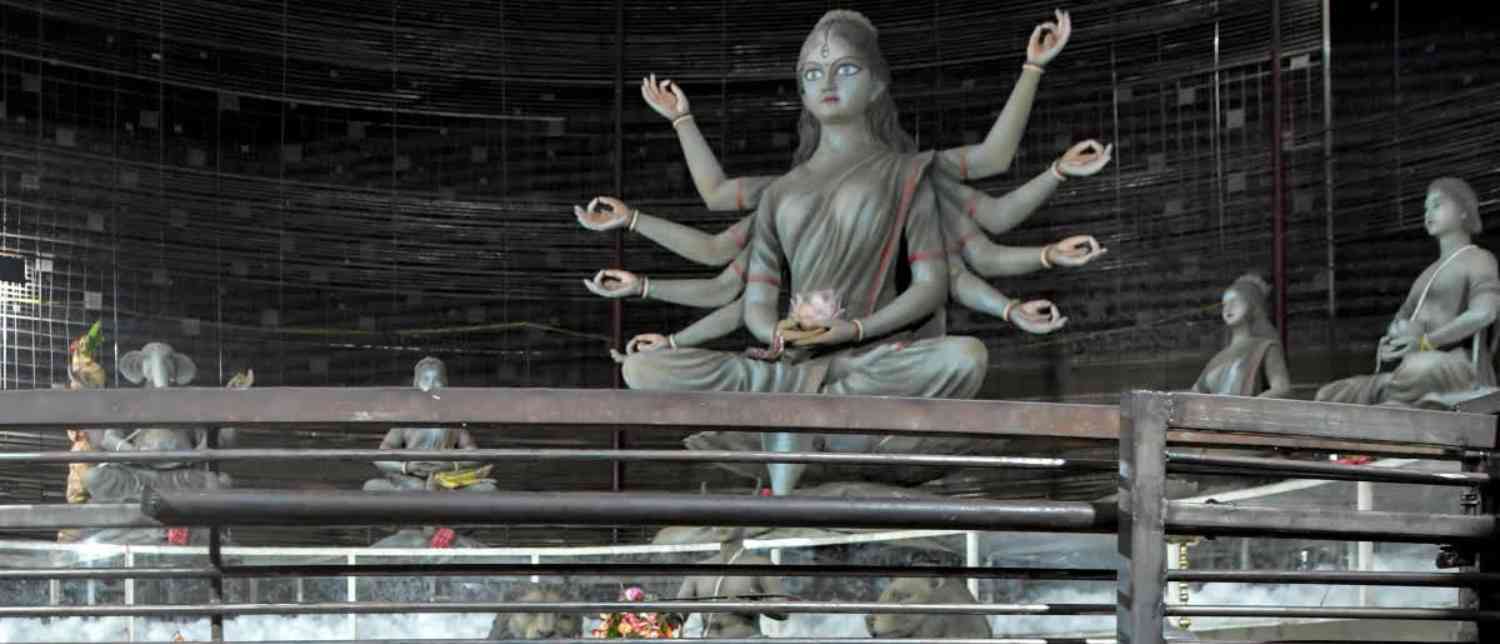
Kolkata, October 17, 2026: What should have been an evening of devotion and celebration turned into a devastating tragedy at a Durga Puja pandal in North Kolkata on Saturday, October 17, after a stampede claimed at least 17 lives and left several others injured. The incident took place at the Chorebagan Sarbojanin Durga Puja pandal in the Girish Park police station area, where heavy crowds, persistent rain and reportedly narrow entry and exit gates created dangerous conditions.
Among the deceased were 13 women and one child. The tragedy prompted an emergency response involving Kolkata Police, fire services, disaster management personnel and medical teams, while senior political leaders expressed grief and announced plans to support affected families.
As rescue operations continued, eyewitness accounts raised serious concerns about crowd management, lighting, access routes and the arrangements made to handle the large number of devotees visiting the pandal during the festive rush.

Kolkata Durga Puja Stampede: What Happened at Chorebagan Pandal?
According to Kolkata Police, the stampede occurred at approximately 7:40 pm on Saturday at the exit gate of the Sarada Park, also known as the Chorebagan, Durga Puja pandal. The area falls under the jurisdiction of Girish Park Police Station in North Kolkata.
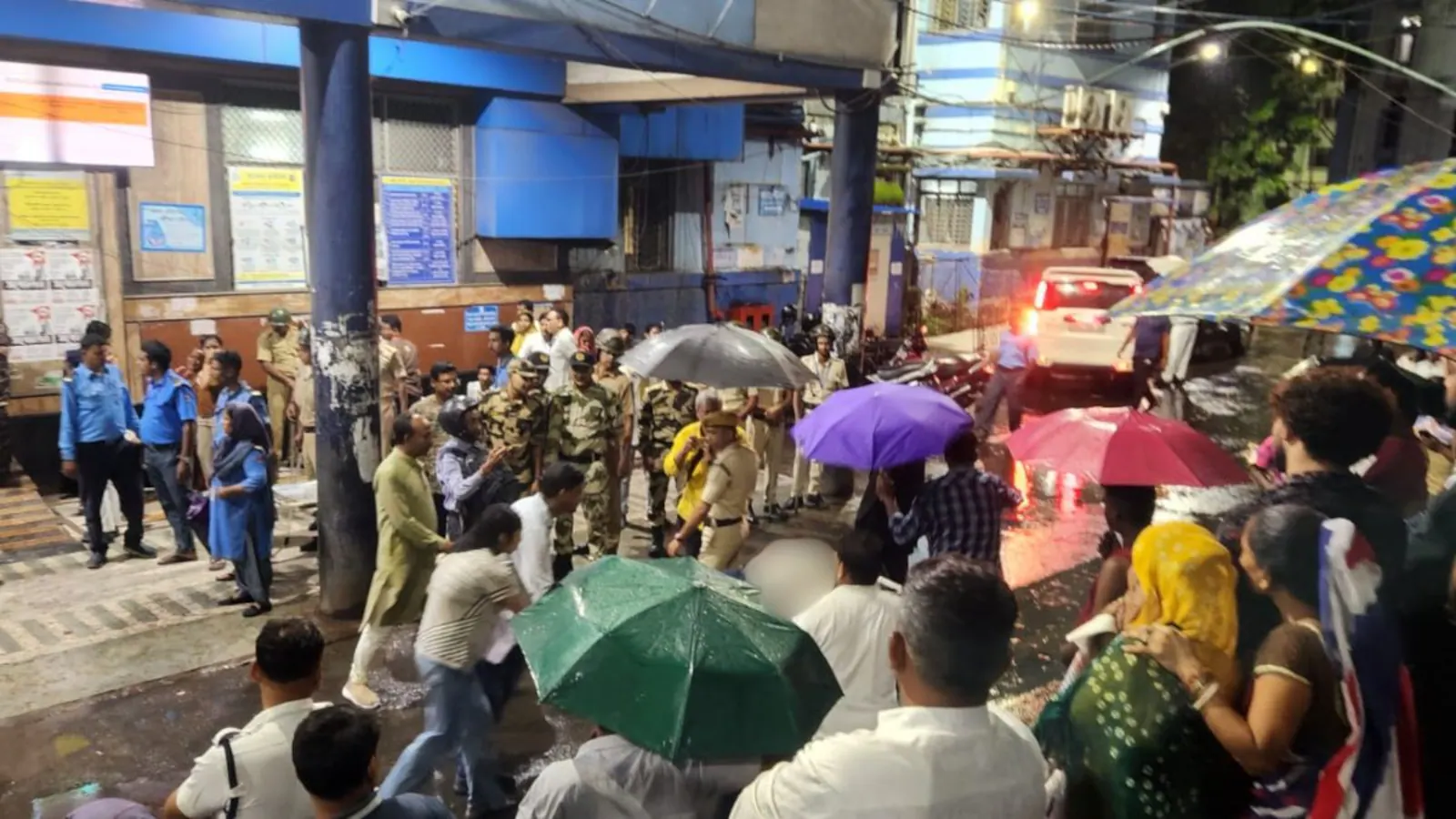
The incident unfolded amid a heavy gathering of pandal visitors during rainfall. As the crowd became increasingly difficult to manage, people reportedly fell in the congested area, triggering panic and a dangerous crush near the exit.
Police confirmed that injured visitors were rescued and transported to Medical College and Hospital (MCH) in Kolkata. Emergency reinforcements were deployed from the police control room, Kolkata Fire Brigade and the Disaster Management Group, alongside ambulances and medical personnel.
Authorities subsequently closed the pandal to visitors as emergency teams concentrated on rescue efforts and medical assistance.
Initial reports indicated that approximately 35 people had been taken to the hospital. However, the number of casualties and the precise circumstances surrounding individual injuries remained subject to further confirmation as information developed.
The incident has raised urgent questions about how a crowded religious gathering became a fatal emergency and whether adequate arrangements were in place to prevent congestion at the pandal's entrance and exit.
Rain, Narrow Gates and Weekend Rush: Eyewitnesses Describe the Chaos
Eyewitness accounts painted a frightening picture of the conditions surrounding the Chorebagan Durga Puja stampede. Visitors reportedly encountered narrow lanes, limited lighting and long queues as rain fell over the area.
One local man, whose daughter and granddaughter were among those hospitalised, said the entrance and exit were both narrow and that the surrounding area lacked adequate lighting. His account highlighted the difficulties visitors faced while attempting to move through the congested space.
He also described a queue that had reportedly stretched to around an hour and a half. As rain began falling, people waiting outside became eager to enter the pandal, adding to the pressure on an already crowded approach.
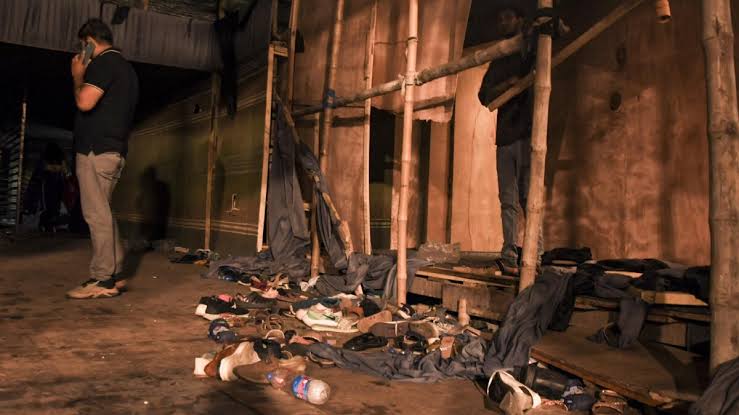
According to his account, people stumbled in the darkness, including a young girl and a boy. The witness said he too fell during the commotion and described being frightened by the sight of people lying amid the crush.
His allegations about the absence of police personnel or volunteers at the immediate location have not, by themselves, established the full circumstances of the incident. Nevertheless, they underscore the importance of examining whether crowd-control personnel were positioned effectively at critical points.
Another eyewitness reported that several people lost consciousness during the crush. Some injured visitors were reportedly taken to hospital on motorcycles, reflecting the urgency of the rescue effort as people attempted to get medical help for those in distress.
A senior police officer said the crowd waiting outside rushed forward when rain began. Some people fell onto the road, setting off the sequence of events that developed into a stampede.
A section of the pandal was also reported to have collapsed amid the panic, further intensifying concerns about conditions in the narrow surrounding streets. The precise sequence of events, including the role of the reported collapse, requires further investigation.
Together, these accounts point to a combination of heavy footfall, difficult weather conditions and restricted movement. They also raise questions about whether separate entry and exit routes, adequate lighting and crowd-flow controls could have reduced the danger.
17 Dead, Including 13 Women and a Child
The loss of 17 lives has made the Chorebagan incident one of the most devastating moments of this year's Durga Puja celebrations in Kolkata.
The deceased included 13 women and one child, according to reports available on Saturday night. The identities of all the victims and the complete circumstances of their deaths were not immediately established in the available information.
At least 35 people were reported to have been taken to Medical College and Hospital following the incident, although the exact number of injured people varied across early updates. Officials continued to coordinate emergency medical assistance as further details emerged.
The possibility of a crowd crush can be especially dangerous in confined spaces. When large numbers of people move forward simultaneously and individuals lose their footing, others may be unable to stop or move away. Even a brief surge can lead to falls, compression injuries and panic.
However, the exact mechanism of every casualty at Chorebagan had not been conclusively established in the initial reports. Investigators will need to determine how the crowd built up, where people first fell and whether congestion at the exit prevented visitors from reaching safety.
For families awaiting news of loved ones, the immediate priority remained medical treatment, identification and support. For the wider community, the tragedy has brought the practical realities of public-event safety into sharp focus.
Emergency Response and Medical Assistance
Following the incident, Kolkata Police said rescue teams had moved the injured to Medical College and Hospital. Police reinforcements, fire service personnel, disaster management teams and ambulances with medical staff were deployed to support the operation.
The pandal was closed to further visitors, allowing emergency responders to focus on the affected area. Senior officials also reached the hospital to review the situation and assess the response.
West Bengal Chief Minister Suvendu Adhikari and Chief Secretary Manoj Agarwal visited the hospital. Health Minister Saradwat Mukherjee was also reported to have joined officials in monitoring the situation.
Former chief minister Mamata Banerjee expressed shock and sadness over the stampede and wished those injured a speedy recovery. Political leaders across party lines conveyed condolences to the families of those who died.
The West Bengal government also provided helpline numbers for people seeking assistance or information about those affected: 1800-345-5678 and 033-22141310.
Families looking for missing relatives or updates on hospitalised visitors should use official channels for the latest verified information.
PM Narendra Modi Announces Compensation for Victims
Prime Minister Narendra Modi described the Kolkata Durga Puja stampede as extremely distressing and conveyed condolences to families who lost loved ones.
He announced financial assistance from the Prime Minister's National Relief Fund (PMNRF) for those affected by the tragedy.
Under the announced assistance, the next of kin of each person who died will receive ₹2 lakh, while those injured will receive ₹50,000 each.
The announcement offered financial support to affected families as they faced the immediate consequences of the disaster, including medical expenses, loss of income and funeral arrangements.
Union Home Minister Amit Shah also expressed grief over the incident after speaking with the West Bengal chief minister. He announced that his scheduled political programmes in the state for Sunday would be postponed so he could visit injured people in hospital.
The reactions from national and state leaders reflected the scale of the tragedy and the need to ensure medical assistance for survivors.
However, compensation alone cannot address the broader concerns raised by the incident. Questions about crowd management, infrastructure and emergency preparedness are likely to remain central to the public discussion.
Crowd Management and Safety at Durga Puja Pandals Under Scrutiny
Durga Puja is among West Bengal's most important cultural and religious celebrations, drawing enormous crowds to elaborately decorated pandals across Kolkata. Popular installations can attract visitors from different parts of the city and beyond, particularly during weekends and peak evening hours.
That popularity makes crowd planning essential. Narrow lanes, temporary structures, poor visibility and sudden changes in weather can combine to create hazardous conditions when visitor numbers rise rapidly.
The Chorebagan tragedy has highlighted several areas that require careful examination.
First, organisers and authorities must assess whether entrances and exits are wide enough to accommodate the expected number of visitors. A bottleneck can become dangerous when incoming and outgoing crowds overlap or when people waiting outside push forward.
Second, lighting is critical in congested areas, particularly during evening celebrations and rainy weather. Visitors need to be able to see obstacles, identify safe routes and respond quickly to instructions from police and volunteers.
Third, crowd-control personnel must be deployed at strategic locations, including queue points, narrow lanes and exit gates. Clear communication, controlled entry and the temporary suspension of admissions when congestion becomes excessive can help prevent dangerous surges.
Finally, emergency routes must remain accessible to ambulances and rescue teams. Organisers should have practical plans for moving injured people out of crowded spaces without creating further confusion.
These are safety considerations rather than findings about legal responsibility in the Chorebagan case. Determining whether specific arrangements were inadequate, and whether any rules were violated, will require verified evidence and an official assessment.
Investigation and Accountability: What Happens Next?
As the immediate emergency response continues, attention is likely to turn towards establishing the precise cause of the stampede and examining the arrangements at the pandal.
Key questions include how many people were present when the incident occurred, whether crowd capacity was exceeded, how visitors were directed through the narrow approach roads and whether adequate lighting and trained personnel were available.
Investigators will also need to establish the sequence of events at the exit gate, determine how the reported falls began and clarify the circumstances surrounding the reported collapse of part of the pandal.
A thorough review could help establish accountability where warranted and identify changes needed to prevent similar incidents at other public gatherings.
For organisers of major festivals, the lesson is clear: crowd safety must be treated as an essential part of event planning, not as an afterthought. Effective barriers, accessible exits, clear signage, trained volunteers, weather contingencies and coordinated emergency services can all play a crucial role.
A Festival Evening Marked by Grief
The Chorebagan Durga Puja stampede has cast a shadow over Kolkata's festive season. Families who arrived to offer prayers and experience the city's celebrated pandal culture instead found themselves confronting fear, confusion and devastating loss.
The tragedy is also a reminder that public celebrations depend on more than devotion and elaborate decorations. They require careful planning, safe movement, effective supervision and the ability to respond quickly when conditions change.
As the investigation progresses, the immediate priorities remain the recovery of the injured, support for bereaved families and accurate information for those searching for loved ones.
The questions raised by the Kolkata Durga Puja stampede must also be addressed with urgency. Ensuring safer pandals, better crowd management and stronger emergency preparedness will be vital to restoring public confidence and preventing another celebration from ending in tragedy.
© Copyright 2026. All Rights Reserved. Powered by Vygr Media.